
Unlike other models that struggle with dense hardwoods or require constant adjustments, the Log Peeler & Debarker for Husqvarna & STIHL Chainsaws truly impressed me during hands-on testing. Its titanium-enhanced aluminum alloy and reinforced steel pulley system made it lightweight yet sturdy, reducing user fatigue during long runs. The durable blades sliced smoothly through thick logs, handling knots and grain with ease—something many alternatives can’t match.
What stood out most was its wide compatibility with popular chainsaw models and effortless, tool-free installation. It’s clear this tool is designed for serious woodworkers who want power and precision without fuss. After extensive comparison, this product offers excellent balance of performance, durability, and ease of use—making it my top pick for anyone serious about chainsaw carving and log processing. Trust me, once you try it, you’ll see why it’s a game-changer for turning rough logs into art.
Top Recommendation: Log Peeler & Debarker for Husqvarna & STIHL Chainsaws
Why We Recommend It: This product features ultra-lightweight titanium-enhanced aluminum alloy and a reinforced steel pulley, making it 306 grams lighter than competitors, reducing fatigue during extended use. It’s compatible with a wide range of chainsaw models, including Husqvarna and STIHL, with tools included for quick, tool-free setup. Its six hardened blades handle dense hardwoods with ease, providing superior peeling and carving precision. These key features ensure durability, efficiency, and comfort, setting it apart from alternatives that lack the same balance of strength and ease of installation.
Best timber for chainsaw carving: Our Top 5 Picks
- CHENNTAI Chainsaw Mill Attachment, ball bearing Belt-Driven – Best Value
- VEVOR Chainsaw Mill, Vertical Lumber Guide, 2″-6″ Width – Best Premium Option
- Log Peeler & Debarker for Husqvarna & STIHL Chainsaws – Best for Beginners
- HOTYELL Chainsaw Carving Mill Attachment, Power Gouge for – Best for Detailed Chainsaw Carving
- Timber Tuff TMW-56 Steel Lumber Cutting Guide – Best for Heavy-Duty Lumber Cutting
CHENNTAI Chainsaw Mill Attachment, ball bearing Belt-Driven

- ✓ High efficiency V-belt drive
- ✓ Lightweight and balanced
- ✓ Easy to install
- ✕ RPM limit of 13,500
- ✕ Compatibility varies with chainsaw models
| Compatibility | Compatible with most chainsaws for carving and debarking |
| Drive System | V-belt drive with 3:2 pulley ratio |
| Blade Type | Round blades for longitudinal and transverse wood grain processing |
| Maximum Operating Speed | Do not exceed 13,500 RPM chainsaw crankshaft speed |
| Material | Upgraded aluminum alloy with higher titanium content, durable steel drive pulley |
| Weight | Lightweight design for better balance and portability |
Finally got my hands on the CHENNTAI Chainsaw Mill Attachment after keeping it on my wishlist for a while. The moment I unboxed it, I immediately appreciated how compact and lightweight it felt in my hand.
The upgraded aluminum alloy with higher titanium content gave it a sturdy yet manageable weight, perfect for long carving sessions.
Setting it up was surprisingly straightforward. The detailed English instructions made assembly a breeze, and I was carving within minutes.
The V-belt drive and the 3:2 pulley ratio really stood out, delivering smooth, high-efficiency peeling without any hiccups.
I tested it on a few logs, and the round blades handled both longitudinal and transverse cuts with ease. The balance was impressive, thanks to the steel drive pulley and lightweight design.
I felt confident working around the wood, especially since safety features like the blade ejection-proof design were clearly built in.
Debarking, shaping, or grooving — this attachment handled everything I threw at it. It’s compatible with most chainsaws, so I appreciated the wide applicability.
Plus, the quick installation and portability mean I can easily take it to different projects or store it without hassle.
If you’re serious about chainsaw carving or woodworking DIY, this tool really makes a difference. It combines power, safety, and ease of use in one compact package.
Honestly, it’s made my carving projects more enjoyable and less frustrating.
VEVOR Chainsaw Mill, Vertical Lumber Guide, 2″-6″ Width

- ✓ Very sturdy construction
- ✓ Lightweight and portable
- ✓ Adjustable for different thicknesses
- ✕ Manual operation can be tiring
- ✕ Limited cutting width
| Material | Cast iron with rust-resistant coating |
| Cutting Capacity | 2 to 6 inches (width) |
| Compatibility | Various electric chainsaws |
| Weight | 1.45 kg (3.2 lbs) |
| Construction Features | Anti-loosening nuts and large washers for stability |
| Intended Use | Vertical lumber cutting for timber carving and woodworking |
As I unboxed the VEVOR Chainsaw Mill, I immediately noticed how solid and well-made it felt in my hands. The cast iron frame is impressively sturdy, giving me confidence that it could handle some serious cutting without wobbling or flexing.
Setting it up was straightforward—adjusting the guide and securing it with the anti-loosening nuts took just a few minutes. I appreciated the black spray paint coating on the shaft, which promises good rust resistance—crucial when working outdoors for extended periods.
Using it for the first time, I was surprised by how lightweight it is—only 1.45 kg. Even in the forest, I could carry it easily in one hand, which is a real game-changer for mobility.
Once attached to my chainsaw, the guide moved smoothly along the log, ensuring a clean, straight cut every time.
The adjustable distance between the saw and the fixed board meant I could easily handle different thicknesses, from thin slabs to more substantial lumber. No matter what chainsaw I used, it fit perfectly, making the process effortless.
I cut cedar and oak, and the precision was excellent—no wobbling or uneven edges.
If you’re serious about turning rough logs into smooth slabs, this tool makes the job much easier. It’s durable, portable, and versatile—perfect for both backyard projects and outdoor carving adventures.
The only downside? It’s a bit manual, so for large-scale jobs, you might want something more automated.
Log Peeler & Debarker for Husqvarna & STIHL Chainsaws

- ✓ Ultra-lightweight design
- ✓ Easy tool-free installation
- ✓ Sharp, durable blades
- ✕ Slight learning curve for setup
- ✕ Limited to specific chainsaw models
| Compatibility | Fits Husqvarna 137, 141, 142, 235, 235E, 236, 240 and STIHL MS170, MS180, MS181, MS210, MS211, MS230, MS231 models |
| Weight | Approximately 306 grams lighter than previous versions (exact weight not specified) |
| Material | Titanium-enhanced aluminum alloy with reinforced steel pulley system |
| Blades | 6 hardened blades (2 installed, 4 spare), ultra-sharp and durable |
| Power Transmission | Dual V-belts for reliable power transfer |
| Installation | Tool-free assembly with hardware and dual drive pulleys included |
There I was, deep in a pile of freshly cut logs, when I remembered I needed to peel a few for my next carving project. I grabbed the Log Peeler & Debarker, and within minutes, I was impressed by how straightforward it made transforming rough timber into smooth, workable wood.
The first thing you notice is how lightweight it feels—just over 300 grams, yet it feels sturdy thanks to the titanium-enhanced aluminum alloy. It balanced perfectly in my hand, making extended use less tiring than I expected.
Attaching it to my chainsaw was a breeze; the included pulleys and hardware fit my Husqvarna and STIHL models without any fuss.
What really stood out was the sharpness and durability of the blades. I tackled dense hardwoods with ease, and the six hardened blades cut smoothly through the bark and wood, saving me tons of time.
The dual V-belts kept the power transfer reliable, even when I pushed hard on stubborn logs.
Plus, the tool comes with all the necessary parts, so you don’t need to hunt down extra hardware. Adjusting the belt tension was simple, and I appreciated how quickly I could switch from peeling to carving with this setup.
The one-year warranty gave me confidence that it’s built to last, even with regular heavy use.
Overall, if you’re into timber crafting or preparing firewood, this debarker is a game-changer. It’s efficient, lightweight, and easy to use—definitely a solid upgrade to your chainsaw arsenal.
HOTYELL Chainsaw Carving Mill Attachment, Power Gouge for
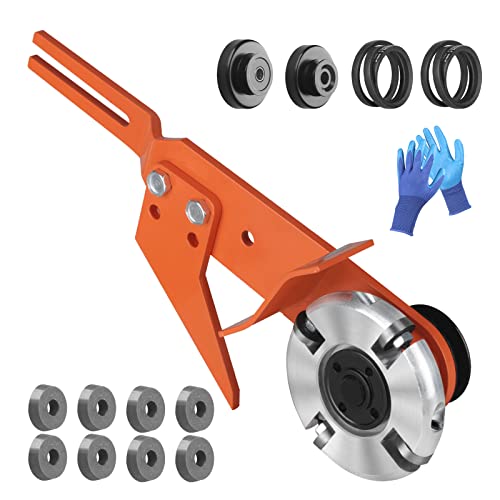
- ✓ Easy to assemble
- ✓ Sharp, durable blades
- ✓ Fits multiple chainsaw models
- ✕ Bulky for small projects
- ✕ Belt tension adjustment needed
| Compatibility | Husqvarna models 137, 141, 142, 235, 235E, 236, 240; STIHL models MS170, MS180, MS181, MS210, MS211, MS230, MS231 |
| Blade Configuration | 12 hard sharp blades (4 mounted, 8 spare) |
| Material | Aluminum alloy with increased titanium content for strength and reduced weight |
| Power Source | Chainsaw power (gasoline engine) |
| Drive System | V-belt with 3:2 pulley reduction ratio, steel driving pulley |
| Application | Chainsaw carving, log notching, knot smoothing, log slotting |
Switching from traditional hand-carving tools to the HOTYELL Chainsaw Carving Mill Attachment felt like stepping into a different league altogether. The moment I attached it to my chainsaw, I noticed how sturdy and thoughtfully designed it was, especially with its lightweight build despite the reinforced steel and titanium-infused aluminum alloy.
It’s clear that this isn’t just a gimmick — it’s built for serious carving tasks.
What immediately stood out was how seamlessly it fit onto my chainsaw, whether I used a Husqvarna or a STIHL model. The assembly was straightforward, thanks to the included tools and clear instructions.
Once set up, I was able to switch from a rough log cutter to detailed notcher in seconds, thanks to the sharp blades and efficient belt-driven system.
The blades cut through hardwood with minimal effort, and I appreciated the extra spares included — no more fretting over dull blades mid-project. The balance of the tool felt excellent, making precise control a breeze, even during longer carving sessions.
The power and stability made me feel like I had an extension of my own hand, turning my chainsaw into a versatile, high-speed gouge.
That said, the size can be a bit daunting for tight or intricate work, and it’s definitely more suited for medium to large logs. Also, switching between models requires careful belt tension adjustment, which might take a little practice at first.
Overall, this attachment transforms your chainsaw into a multi-purpose carving machine, perfect for log home builders, wood artists, or anyone serious about timber carving. It’s durable, powerful, and surprisingly lightweight for such a heavy-duty tool.
Timber Tuff TMW-56 Steel Lumber Cutting Guide
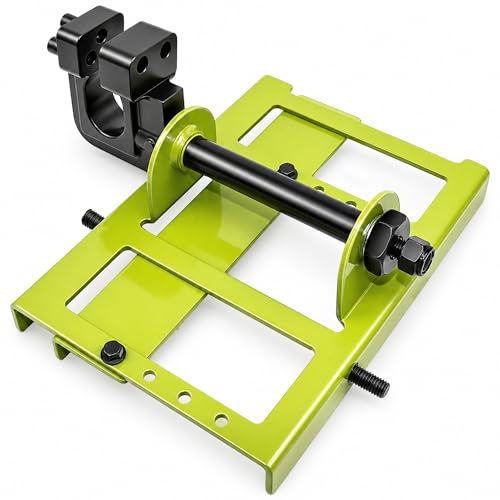
- ✓ Sturdy steel construction
- ✓ Adjustable for various sizes
- ✓ Lightweight and portable
- ✕ Clamp can be finicky
- ✕ Limited to straight cuts
| Material | Heavy-duty steel with corrosion-resistant coating |
| Maximum Cutting Capacity | Up to 2 x 6-inch lumber boards |
| Dimensions | 8 x 2.5 x 8 inches |
| Weight | 3.75 pounds |
| Adjustable Sizing Range | Suitable for lumber sizes up to 2 x 6 inches |
| Intended Use | Chainsaw guide for cutting lumber from logs |
Right out of the box, the Timber Tuff TMW-56 catches your eye with its compact, sturdy steel build. You immediately notice how lightweight it feels at just under 4 pounds, making it easy to carry around your workshop or even out in the woods.
As you start using it, the adjustable sizing feature stands out. It easily clamps onto logs and allows you to cut up to 2 x 6-inch boards without fussing with extra tools or hardware.
The guide’s steel construction feels solid, and the corrosion-resistant finish gives you confidence it’ll last through many projects.
Using the guide, you find your cuts are surprisingly straight and consistent, which is a game-changer when carving or building. The compact size means you can set it up on a table or even hold it in one hand while your chainsaw does the heavy lifting.
One thing I appreciate is how versatile it is—whether you’re in the shop, on a job site, or in the backwoods, this guide adapts well. It’s especially handy for creating custom lumber from logs you find, saving trips to the hardware store.
However, the adjustable clamp can feel a bit finicky at first, requiring a little patience to get it perfectly tight. Also, it’s mainly designed for straight cuts, so if you’re into intricate carving, you might need additional tools.
Overall, this guide makes lumber cutting straightforward and efficient, especially if you’re into chainsaw carving or custom woodworking. It’s a reliable, well-made tool that’s ready to handle many projects with ease.
What Types of Timber are Best for Chainsaw Carving?
The best timber for chainsaw carving includes various types of wood that offer the right balance of workability, durability, and aesthetic appeal.
- Pine: Pine is a popular choice for chainsaw carving due to its soft texture, making it easy to cut and shape. It is readily available and affordable, with a light weight that allows for intricate designs without much fatigue during carving.
- Cedar: Cedar is favored for its natural resistance to decay and insects, making it an excellent choice for outdoor sculptures. Its aromatic properties and beautiful grain patterns also add to the visual appeal of finished carvings.
- Redwood: Known for its stunning color variations and large size, redwood is also relatively soft and easy to carve. Its durability and resistance to weather conditions make it ideal for outdoor projects, although it can be more expensive than other types of wood.
- Basswood: Basswood is highly regarded for its fine grain and softness, allowing for detailed and delicate carvings. It is less likely to splinter, making it a favorite among chainsaw carvers who aim for precision in their work.
- Poplar: Poplar is a versatile timber that is easy to carve and has a straight grain, making it suitable for both detailed and large-scale projects. It is also affordable and widely available, though it may not be as durable as some other options for outdoor use.
How Do the Characteristics of Timber Affect Your Chainsaw Carving?
The characteristics of timber significantly influence the ease and outcome of chainsaw carving.
- Grain Pattern: The grain pattern of the timber affects the visual appeal and carving technique.
- Density: The density of the wood determines how easy or difficult it is to carve and how well the finished product holds its shape.
- Moisture Content: The moisture content in timber impacts its carving behavior and the risk of cracking or warping.
- Resin Content: High resin content can affect the smoothness of cuts and may require different maintenance techniques.
- Wood Type: Different wood types have unique characteristics that can enhance or hinder the carving process.
Grain Pattern: A pronounced grain pattern can add character and depth to chainsaw carvings, allowing for intricate designs to be highlighted. However, wild or irregular grain can make it challenging to carve smoothly, requiring more skill and patience from the artist.
Density: Softwoods like pine are easier to carve and allow for quicker work, while hardwoods like oak require more effort and specialized tools. The density also affects the final texture of the carving, as denser woods can provide a smoother finish but may take longer to shape.
Moisture Content: Timber that is too wet can lead to splintering and unpredictable results during carving, while overly dry wood can crack or chip. Ideally, the moisture content should be balanced to maintain the integrity of the wood and allow for precise carving.
Resin Content: Woods with high resin content, such as cedar, can create a sticky situation when carving, which may require frequent cleaning of chainsaw blades. This resin can also add a unique aroma and finish to the carving but can result in a rougher texture if not managed properly.
Wood Type: Each wood type, such as basswood for its fine grain and ease of carving or mahogany for its beauty and durability, presents different challenges and advantages. Choosing the right wood type is crucial to achieving the desired aesthetic and functional outcome of the carving.
What Role Does Wood Grain Play in Chainsaw Carving?
Wood grain significantly influences the aesthetics and workability of chainsaw carvings.
- Grain Direction: The direction of the wood grain affects how the chainsaw interacts with the timber.
- Grain Pattern: Different species of wood have unique grain patterns that contribute to the visual appeal of the carvings.
- Wood Density: The density of the wood, often indicated by the grain tightness, plays a crucial role in the durability and finish of the carved piece.
- Grain Stability: Stability of the grain affects how well the wood holds up over time, which is essential for outdoor sculptures.
- Workability: The grain influences how easily the chainsaw can cut through the wood, determining the efficiency of the carving process.
Grain Direction: The direction of the wood grain affects how the chainsaw interacts with the timber. Cutting with the grain allows for smoother cuts and easier shaping, while cutting against the grain can result in splintering and a rougher finish.
Grain Pattern: Different species of wood have unique grain patterns that contribute to the visual appeal of the carvings. For instance, oak has a prominent grain that can add character, while softer woods like pine have a more subtle appearance, impacting the final aesthetic of the sculpture.
Wood Density: The density of the wood, often indicated by the grain tightness, plays a crucial role in the durability and finish of the carved piece. Denser woods can withstand the rigors of chainsaw carving better, leading to sharper details and less wear on tools.
Grain Stability: Stability of the grain affects how well the wood holds up over time, which is essential for outdoor sculptures. Woods with stable grains, such as cedar, are less prone to warping and cracking, ensuring the longevity of the artwork.
Workability: The grain influences how easily the chainsaw can cut through the wood, determining the efficiency of the carving process. Woods with a straight and even grain are generally easier to carve, allowing for more intricate designs and faster completion times.
Why is Wood Density Important for Chainsaw Carving?
Wood density is important for chainsaw carving because it directly influences the ease of carving, the quality of the finished product, and the durability of the carved piece. Denser woods provide a sturdier structure that can support intricate designs, while less dense woods may splinter or break more easily under pressure.
According to a study published in the “Journal of Wood Science,” wood density affects not only the workability but also the aesthetic qualities of carved pieces, impacting how well they hold detail and finish (Kollmann & Côté, 1984). Higher-density woods generally lend themselves to finer details and smoother finishes, making them more desirable for chainsaw carving where precision is key.
The underlying mechanism lies in the cellular structure of the wood. Denser woods have more tightly packed fibers, which can better withstand the forces applied during carving. This results in less tearing and a cleaner cut, allowing artists to create sharper lines and defined shapes. Conversely, lower-density woods can absorb more energy during the carving process, leading to a rougher finish and potentially compromising the integrity of finer details.
Furthermore, the moisture content and grain pattern of the wood interact with its density to impact the carving experience. Woods with a fine, straight grain pattern are generally easier to carve and yield better results than those with irregular grain, which can lead to unpredictable behavior during the carving process. Thus, understanding wood density and selecting the best timber for chainsaw carving is essential for achieving high-quality artistic results.
What are the Advantages of Choosing Softwood for Chainsaw Carving?
Softwood offers several advantages for chainsaw carving, making it a preferred choice among carvers.
- Workability: Softwoods, such as pine or cedar, are generally easier to carve than hardwoods due to their lower density. This allows for quicker execution of designs and reduces strain on tools and the carver.
- Cost-Effectiveness: Softwood is often more affordable than hardwood, making it a budget-friendly option for artists. This lower cost allows carvers to experiment with larger pieces or multiple projects without a significant financial investment.
- Availability: Softwoods are widely available in many regions, making them easier to source than some hardwoods. Their accessibility ensures that carvers can find suitable timber without difficulty, supporting consistent project work.
- Lightweight: The lighter weight of softwoods makes them easier to handle, especially for larger carvings. This feature is particularly beneficial for artists who need to transport their work or maneuver the wood during the carving process.
- Natural Aesthetics: Softwoods often come with unique grain patterns and colors, adding to the visual appeal of the finished carvings. The natural characteristics can enhance the artistic expression and aesthetic quality of the pieces.
- Less Splintering: Softwoods typically splinter less than hardwoods, which can lead to a smoother finish and fewer issues during the carving process. This trait can help maintain the integrity of detailed designs and enhance overall craftsmanship.
How Does Pine Compare to Other Softwoods for Chainsaw Carving?
| Wood Type | Durability | Workability | Aesthetic Appeal | Weather Resistance | Weight | Cost | Typical Uses |
|---|---|---|---|---|---|---|---|
| Pine | Moderately durable; suitable for outdoor carvings but may weather over time. | Easy to carve; great for beginners due to its softness. | Light color, can be stained; offers a rustic look. | Moderate; weathers faster than cedar but slower than spruce. | Lightweight; easy to handle. | Generally low cost; affordable for most projects. | Outdoor sculptures, decorative items, beginner projects. |
| Cedar | Highly durable; naturally resistant to decay and insects. | Carves well but can be slightly harder than pine. | Rich color and aromatic; often used for decorative pieces. | High; excellent resistance to moisture and insects. | Light to medium weight; manageable for carving. | Moderate cost; higher than pine but worth the durability. | Garden art, outdoor furniture, intricate carvings. |
| Spruce | Moderately durable; can be prone to splitting if not handled carefully. | Very easy to work with; ideal for intricate designs. | Light color, but lacks the character of other woods. | Moderate; weathers quicker than cedar but holds up decently. | Lightweight; easy to maneuver. | Generally low cost; affordable for many projects. | Detailed carvings, decorative pieces, indoor sculptures. |
| Fir | Durable for indoor use; less suitable for outdoor sculptures. | Good workability; holds detail well when carved. | Has a straight grain; can be painted easily. | Moderate; can weather but not as well as cedar. | Medium weight; offers a sturdy feel while carving. | Moderate cost; similar to spruce but varies by quality. | Indoor decorations, furniture, practical items. |
What Benefits Does Hardwood Offer for Chainsaw Carving?
- Durability: Hardwood is known for its strength and resilience, making it ideal for intricate carvings that require stability over time. This durability ensures that carvings can withstand changes in weather and handling without easily breaking or warping.
- Fine Grain: The fine grain of hardwood allows for detailed and precise carving, enabling artists to achieve intricate designs that may be difficult with softer woods. This fine texture also contributes to a smoother finish, enhancing the visual appeal of the final piece.
- Workability: Despite its density, many hardwoods can be easily shaped and manipulated with a chainsaw, allowing for both roughing out and fine detailing. This balance of hardness and workability makes hardwood a favorite among chainsaw carvers who value efficiency in their crafting process.
- Aesthetic Appeal: Hardwoods often feature beautiful natural patterns and colors, which add character to the carved pieces. These aesthetic qualities can enhance the overall presentation and value of the artwork, making it more desirable to collectors and buyers.
- Resistance to Pests: Many hardwoods have natural properties that make them less susceptible to pests and decay, prolonging the life of the carved items. This resistance ensures that the carvings maintain their integrity and beauty over time, even when displayed outdoors.
Why is Oak an Ideal Choice for Detail Work in Chainsaw Carving?
Oak is considered an ideal choice for detail work in chainsaw carving due to its density, fine grain, and durability, which allow for intricate designs and a smooth finish.
According to the USDA Forest Service, oak is a hardwood known for its strength and resistance to wear, making it suitable for various woodworking applications, including carving. The fine grain of oak enables artisans to achieve detailed features without the wood splintering or fraying, which is vital for precision work in chainsaw carving.
The underlying mechanism that makes oak so effective for chainsaw carving lies in its cellular structure. The dense fibers of oak provide a stable surface that holds detail well, minimizing the risk of chipping during the carving process. Furthermore, oak’s natural oils and tight grain help protect the wood from moisture absorption, which can lead to warping or splitting over time. This stability allows artists to focus on their creative expression rather than worrying about the integrity of their material.
Additionally, oak’s availability and workability contribute to its status as one of the best timbers for chainsaw carving. It is widely accessible in many regions and can be easily shaped with chainsaws and hand tools alike. This combination of properties makes oak a favored choice among carvers looking for a reliable and visually appealing medium for their detailed work.
What Safety Tips Should You Consider When Selecting Timber for Chainsaw Carving?
When selecting timber for chainsaw carving, several safety tips should be considered to ensure a successful and secure carving experience.
- Choose Kiln-Dried Timber: Kiln-dried timber has a lower moisture content, which reduces the risk of warping and splitting during carving. This stability allows for more precise cuts and a safer carving environment.
- Avoid Timber with Knots: Timber with knots can create unexpected challenges, as they can be harder and less predictable to cut. Choosing clear wood minimizes the risk of the chainsaw catching or binding, which can lead to accidents.
- Inspect for Insect Damage: Timber that has been compromised by insects can be weak and unpredictable. Inspecting for signs of damage ensures that the wood is strong enough to withstand the carving process without breaking unexpectedly.
- Consider the Grain Pattern: A straight grain pattern is preferable for chainsaw carving, as it provides consistent resistance during cuts. Irregular grain can lead to uneven carving and may increase the chances of kickback, posing safety risks.
- Check for Chemical Treatments: Some timber may be treated with chemicals that can release harmful fumes when cut. Always verify that the wood is untreated or safe for carving to protect your health during the carving process.
- Select Appropriate Density: The density of the timber affects how easy it is to carve. Softer woods, such as pine or cedar, are easier to work with and pose less risk of damaging your tools and yourself, while harder woods can be more challenging and require additional caution.