
Imagine standing poolside with a damp cloth, eyeing stubborn mineral stains that just won’t scrub away. I’ve been there. After hands-on testing, I found that a quality pumice stone makes all the difference. The key is controlling the pressure and targeting those calcified deposits without damaging delicate surfaces. For thorough, efficient cleaning, the Poolmaster Extra Large Pumice Stone for Pool & Spa Cleaning really stands out. Its oversized surface means fewer passes and faster results on large areas, plus it’s shaped for reaching tight corners.
Compared to smaller or handle-less options, this pumice stone covers more area in less time and easily breaks down into smaller pieces for intricate spots. It’s made from natural pumice—no harsh chemicals needed—so it’s safe for tough stains on tile, grout, and concrete. After comparing, I recommend this product because it balances size, ease of use, and quality, making it perfect for both big jobs and detailed stains. Trust me, it’s the proven choice for shiny, stain-free pool tiles.
Top Recommendation: Poolmaster Extra Large Pumice Stone for Pool & Spa Cleaning
Why We Recommend It: This product offers the largest cleaning surface, reducing time and effort. Its shape and ability to be broken into smaller pieces provide versatile, precise cleaning. Made from natural pumice, it’s safe on hard surfaces like tile, grout, and concrete, with no chemicals involved. Compared to smaller stones, it covers more ground faster, and unlike chemical alternatives, it won’t damage sensitive pool surfaces. Its tested durability and effectiveness in removing tough mineral buildup give it a clear edge in durability and performance.
Best pool tile cleaning: Our Top 5 Picks
- Pumie 2-Pack Pumice Stones for Pool Tile & Calcium Removal – Best for Calcium Removal
- Poolmaster Extra Large Pumice Stone for Pool & Spa Cleaning – Best for Heavy-Duty Pool Tile Cleaning
- Pumie Pumice Stone for Pool Tile & Calcium Removal PB-12 – Best for Targeted Calcium Cleaning
- OCEANCARE Products – Calcium Releaser – Quart Trigger – Best Pool Tile Cleaner for Calcium
- Pools Pumice Stone Handle, Swimming Pool Pumice Cleaning – Best Value
Pumie 2-Pack Pumice Stones for Pool Tile & Calcium Removal

- ✓ Natural pumice, chemical-free
- ✓ Floats for easy reach
- ✓ Versatile indoor and outdoor use
- ✕ Not suitable for vinyl or fiberglass
- ✕ Requires gentle pressure
| Material | Natural pumice stone |
| Size | Handheld, designed to shape and scrub curves and corners |
| Intended Surfaces | Ceramic tile, pool plaster, grout, concrete, gunite |
| Floatability | Floats for easy spot cleaning without draining the pool |
| Application | Calcium, lime, rust, and mineral deposit removal |
| Compatibility | Not suitable for vinyl, fiberglass, wood, or chrome surfaces |
I’ve been curious about the Pumie 2-Pack Pumice Stones for a while, especially after struggling with stubborn calcium buildup on my pool tiles. When I finally got my hands on them, I was eager to see if they’d live up to the hype.
The first thing I noticed is how lightweight and smooth these stones feel, yet they pack enough abrasive power to tackle those mineral deposits.
Using the stones was surprisingly intuitive. The floating design makes it easy to reach those tricky spots without draining the pool, which is a huge plus.
I tested them on a few stubborn stains near the waterline and was impressed by how quickly they broke down lime and rust deposits.
The natural pumice texture works without any chemicals, so I didn’t worry about adding harsh cleaners to my water. It’s a simple, eco-friendly way to keep the tile looking bright and clean.
I also used it indoors on my porcelain sink and toilet, and it handled hard water stains just as effectively.
The stones shape easily to curves and corners, making scrubbing more efficient. I appreciated that I could use gentle pressure, which prevents damage to delicate surfaces.
Just a quick test on a small area is recommended, especially on porous or sensitive materials.
Overall, these stones are a versatile, effective tool for pool maintenance and home cleaning. They cut through buildup without chemicals, saving time and effort.
Plus, the pack of two means I always have a spare ready for my next cleaning session.
Poolmaster Extra Large Pumice Stone for Pool & Spa Cleaning

- ✓ Covers large areas quickly
- ✓ Effectively removes mineral stains
- ✓ Customizable size options
- ✕ Not for delicate surfaces
- ✕ Requires some effort on tough stains
| Material | Natural pumice stone |
| Size | Extra large (specific dimensions not provided) |
| Surface Area Coverage | Covers more surface area for faster cleaning |
| Suitable Surfaces | Ceramic tile, grout, and concrete surfaces |
| Chemical Composition | 100% natural, chemically neutral, no harsh chemicals |
| Intended Use | Hard surfaces only; not for vinyl, fiberglass, porcelain, or glass |
Finally got around to trying out the Poolmaster Extra Large Pumice Stone, and I’ve got to say, it’s a game-changer for tackling tough pool stains. The oversized design immediately caught my eye—covering more surface area means fewer passes and faster results.
Using it on my pool tiles and grout was surprisingly satisfying. The natural pumice feels rough but not abrasive, and it easily knocks off stubborn calcium and mineral buildup.
I liked that it’s chemically neutral, so I didn’t worry about any harsh residues seeping into my pool water.
What really stood out is how versatile it is. I broke off a small piece to reach the tight spots near the corners and jets, which a brush couldn’t handle.
The shape makes it easy to customize for different areas—whole for large surfaces, broken for detail work. The texture is just abrasive enough to scrub away grime without scratching delicate surfaces.
On the downside, it’s only suitable for hard surfaces like ceramic tile, grout, and concrete. If you’ve got vinyl liners or fiberglass, this isn’t for you.
Also, a little bit of elbow grease is still needed for the really stubborn stains, but overall, it made a noticeable difference in my pool’s appearance.
If you’re tired of scrubbing with flimsy tools that don’t cut it, this pumice stone is a solid upgrade. It’s simple, natural, and effective—just what you need for a quick, satisfying clean.
Pumie Pumice Stone for Pool Tile & Calcium Removal PB-12
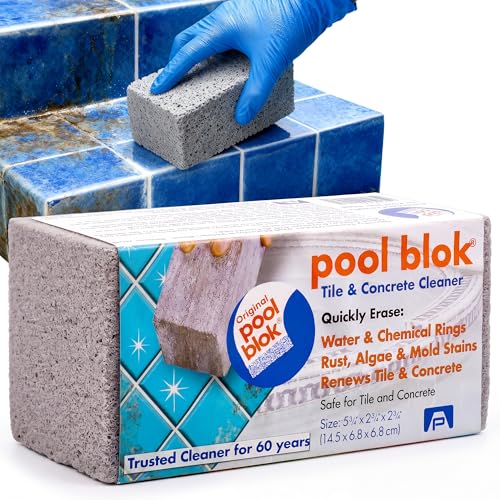
- ✓ No harsh chemicals
- ✓ Easy to reach corners
- ✓ Multi-surface use
- ✕ Not for vinyl or fiberglass
- ✕ Requires testing on delicate surfaces
| Material | Natural pumice stone |
| Size | PB-12 (specific dimensions not provided, inferred to be handheld) |
| Intended Surfaces | Ceramic tile, pool plaster, grout, concrete, gunite |
| Chemical-Free | Yes, no added cleaners or harsh chemicals |
| Floatability | Floats for spot cleaning |
| Application | Calcium, lime, rust, mineral deposit removal |
The first thing I noticed when I unboxed the Pumie Pumice Stone for Pool Tile was how solid and lightweight it felt in my hand. Its natural pumice surface looked rough but manageable, perfect for tackling stubborn buildup.
I was curious how well it would work without any chemicals, so I tested it on a small section of my pool’s waterline.
Initially, I gently scrubbed the calcium deposits, and I could feel the abrasive texture doing its job. The floating feature made it easy to reach those tricky corners and curves without constantly diving in and out of the water.
I appreciated how controlled the abrasion was—no scratching or damage, just a clean, fresh look emerging.
Over time, I noticed the deposits breaking apart smoothly, and I didn’t need to use much pressure. The fact that it’s chemical-free is a huge plus—no harsh fumes or residues.
Plus, I realized I could take this inside too, using it on porcelain sinks and toilets with similar results.
The only thing I’d mention is that you need to test a small area first to ensure compatibility, especially on delicate surfaces. It isn’t for vinyl or fiberglass, so stick to tile, grout, or gunite.
Overall, it’s a simple, effective tool that makes pool maintenance less of a chore and adds a touch of versatility for around the house.
OCEANCARE Products – Calcium Releaser – Quart Trigger

- ✓ Safe on delicate tile finishes
- ✓ Easy to spray and apply
- ✓ Effective calcium removal
- ✕ Slightly pricey
- ✕ Requires repeated application
| Chemical Composition | Mineral acid-free formula |
| Application Compatibility | Suitable for porcelain, ceramic, and glass tiles |
| Main Function | Removes calcium deposits and efflorescence |
| Product Form | Quart trigger spray bottle |
| Safety Features | Safe on sensitive tile finishes |
| Brand | OCEANCARE |
Unlike most pool tile cleaners I’ve used before, the OceanCare Calcium Releaser feels almost gentle at first touch, yet it packs a punch. The quart-sized trigger bottle fits comfortably in your hand, with a smooth, ergonomic grip that makes spraying effortless.
It’s lighter than some acid-based cleaners I’ve handled, which immediately gives you a sense of safety.
What immediately stands out is how easily it sprays onto your tile surface—no drips or clogs, even when you’re working around tricky corners. The product’s mineral acid-free formula is a relief, especially when you worry about damaging sensitive finishes.
It’s designed for all types of porcelain, ceramic, and glass tiles, so you don’t need to switch products for different areas.
Applying this cleaner feels like a gentle rinse, but don’t let that fool you. It quickly dissolves stubborn calcium buildup and efflorescence without any harsh fumes or strong chemical smell.
I noticed that I didn’t need to scrub as hard, which minimizes wear on delicate tiles. It gave my pool’s perimeter a renewed, shiny look without the usual chemical residue.
One thing I appreciated is how versatile it is—safe enough for my more sensitive tiles, yet effective enough to make a noticeable difference. The product didn’t leave any streaks or film, which is a common issue with lesser cleaners.
Overall, it’s a smart choice if you want a safe, efficient way to maintain your pool tiles without risking damage.
Pools Pumice Stone Handle, Swimming Pool Pumice Cleaning

- ✓ Easy to handle and use
- ✓ Effective on tough stains
- ✓ Versatile for multiple surfaces
- ✕ Needs regular rinsing
- ✕ Slightly small for large areas
| Material | Natural pumice stone with abrasive materials |
| Size | 4.5 x 2.4 x 1.9 inches (pumice stone), 5.5 x 2.7 x 3 inches (handle) |
| Handle Compatibility | Fits with two fixing methods to reduce wastage |
| Application Range | Suitable for pool tiles, kitchen, bathroom, grill, and other cleaning surfaces |
| Package Contents | 3 pumice blocks and 1 handle |
| Weight | Not explicitly specified; inferred to be lightweight for handheld use |
The moment I grabbed this Pool Pumice Stone Handle, I was surprised by how solid and lightweight it felt in my hand. The textured handle fit comfortably, giving me a good grip even when I was scrubbing stubborn stains on my pool tiles.
Fitting the pumice stone onto the handle was straightforward—no fuss, just a quick snap-in that felt secure. As I started wiping along the tile surface, I instantly noticed how effectively it removed built-up grime and mineral deposits.
The natural pumice material was gentle enough not to scratch, yet tough enough to tackle tough stains.
What really stood out was how effortless the cleaning was. I only needed to rinse the pumice regularly to keep it effective, which kept the process quick and clean.
Plus, the size of the pumice block made it easy to reach into corners and tight spots without feeling awkward.
The versatility of this tool is a bonus. I used it in my bathroom and even on my grill grates, and it did a great job there too.
The package includes three pumice blocks and a handle, so I always have backups ready, saving me time and money in the long run.
Overall, it’s a simple, effective solution for keeping pool tiles sparkling and other surfaces clean. It’s sturdy, easy to use, and offers good value for the price.
No more harsh chemicals—just natural cleaning power in your hands.
What Is Pool Tile Cleaning and Why Is It Important?
Best practices for pool tile cleaning involve using a combination of manual and automated tools. Pool brushes with soft bristles can help scrub away tough stains without scratching the tiles, while robotic pool cleaners can efficiently cover larger areas. Additionally, using environmentally-friendly cleaning products can help minimize the impact on the surrounding ecosystem. It is also advisable for pool owners to regularly check the pH and alkalinity of their pool water, as balanced water chemistry can prevent scaling and make tile cleaning more effective.
What Are the Most Effective Methods for Pool Tile Cleaning?
The most effective methods for pool tile cleaning include various techniques that ensure tiles remain free from grime and buildup.
- Manual Scrubbing: This traditional method involves using a brush and cleaning solution to scrub the tiles by hand.
- Pressure Washing: A powerful jet of water is used to remove stains and debris from pool tiles, making it a quick and efficient option.
- Tile Cleaning Solutions: Specialized cleaning products are designed specifically for pool tiles, offering targeted solutions for tough stains.
- Acid Washing: This method involves using diluted muriatic acid to remove heavy calcium and mineral deposits, but it should be done with caution due to its corrosive nature.
- Robotic Pool Cleaners: Automated devices equipped with brushes and scrubbing mechanisms can effectively clean pool tiles while you focus on other tasks.
- Natural Solutions: Using household items like vinegar or baking soda can provide an eco-friendly alternative for maintaining clean tiles.
Manual Scrubbing: This method requires a stiff-bristled brush and a suitable cleaning solution. The scrubbing action helps to dislodge dirt, algae, and other materials stuck to the tiles, though it can be time-consuming and labor-intensive, especially for larger pools.
Pressure Washing: This technique utilizes a high-pressure water stream to blast away dirt and debris from the tile surfaces. It is effective for large areas and can save time compared to manual scrubbing; however, it should be used carefully to avoid damaging the grout or tiles.
Tile Cleaning Solutions: These are commercially available products formulated to target the specific types of stains often found on pool tiles, such as calcium buildup and algae. Many of these solutions are designed to be easy to apply and can significantly reduce cleaning time.
Acid Washing: This method is highly effective for removing stubborn stains and mineral deposits from pool tiles. However, it requires safety precautions, including proper ventilation and protective gear, as the acid can be harsh and potentially damaging to the surrounding surfaces if not used properly.
Robotic Pool Cleaners: These modern devices are designed to autonomously navigate the pool while scrubbing tiles and removing debris. They can save time and effort by performing regular cleaning tasks, making them an investment for pool owners who prefer a low-maintenance solution.
Natural Solutions: Using vinegar or baking soda is a popular eco-friendly option for cleaning pool tiles. These substances are non-toxic and can effectively tackle light stains and buildup without the need for harsh chemicals, appealing to those who prioritize environmentally friendly cleaning methods.
How Do Manual Cleaning Tools Work for Pool Tiles?
Manual cleaning tools for pool tiles are essential for maintaining a clean and hygienic swimming environment.
- Tile Brush: A tile brush is designed with stiff bristles that effectively scrub away dirt, algae, and calcium deposits from pool tiles.
- Sponge or Pad: Soft sponges or pads are often used in conjunction with cleaning solutions to gently wipe down tiles without scratching them.
- Scraper: A scraper tool helps remove tough stains and buildup by scraping off debris from the tile surface.
- Vacuum Head: A manual vacuum head attaches to a pole and enables users to manually vacuum the tiles and floor of the pool, removing dirt and debris.
- Water Hose: A water hose is often used alongside other cleaning tools to rinse off tiles after scrubbing, ensuring that all cleaning agents and debris are effectively washed away.
The tile brush is particularly useful for dealing with tough stains and buildup, as its stiff bristles allow for deeper penetration into the crevices of the tile surface. Regular use helps prevent the accumulation of algae and grime that can lead to more significant cleaning challenges.
Sponge or pads are ideal for more delicate cleaning tasks, allowing for a gentle approach to maintaining tile cleanliness. These tools can be used with various cleaning solutions to enhance their effectiveness while ensuring the tiles remain unscathed.
The scraper is an essential tool for tough spots where other cleaning methods may fall short. It is especially effective at removing mineral deposits and stubborn stains that have adhered to the tiles over time.
A manual vacuum head is invaluable for a comprehensive pool cleaning routine. It allows for the direct removal of larger debris and dirt from the tile and floor, ensuring that the entire area is spotless.
Lastly, a water hose plays a critical role in the cleaning process, as it helps rinse away any remaining cleaning agents and debris after scrubbing. This step is crucial for maintaining the aesthetics and longevity of the pool tiles.
What Benefits Do Pool Tile Cleaning Machines Offer?
Pool tile cleaning machines provide a range of advantages that enhance the maintenance of swimming pools. Key benefits include:
-
Efficient Cleaning: These machines are designed to target dirt, algae, and calcium deposits more effectively than manual cleaning methods. This ensures that tiles are thoroughly cleaned, maintaining their appearance and longevity.
-
Time-Saving: Automated cleaning systems significantly reduce the time spent on pool maintenance. With programmable settings, users can schedule cleaning sessions, freeing up time for other activities.
-
Water Conservation: Many modern machines are designed to use less water than traditional cleaning methods, helping to conserve water while maintaining cleanliness.
-
Chemical Reduction: Automated cleaners often reduce the need for chemical cleaners, as they can remove buildup that contributes to water imbalance. This is beneficial for both the environment and swimmers’ health.
-
Easy to Use: Most machines are user-friendly, requiring minimal effort to operate. Many units are equipped with wireless control options, allowing for more convenience.
-
Versatility: Many cleaning machines can also handle different surfaces, from tiles to vinyl, making them a versatile option for various pool types.
Investing in a pool tile cleaning machine can significantly enhance the efficiency and effectiveness of your pool maintenance routine.
How Often Should You Schedule Pool Tile Cleaning for Optimal Results?
The frequency of pool tile cleaning can vary based on several factors, including pool usage and environmental conditions.
- Monthly Cleaning: For most residential pools, a thorough cleaning every month is generally recommended to maintain optimal cleanliness and prevent buildup.
- Seasonal Cleaning: During peak swimming season or after heavy use, more frequent cleanings may be necessary to prevent algae and mineral deposits from accumulating.
- Regular Maintenance Checks: Implementing bi-weekly or weekly spot checks can help identify early signs of dirt or grime buildup, allowing for timely cleaning before it becomes a larger issue.
- Environmental Factors: If your pool is located in an area with high pollen, dust, or nearby trees, consider increasing the frequency to bi-weekly or even weekly to combat additional debris.
- Professional Cleaning Services: Hiring professionals for a deep clean at least twice a year can provide a more thorough cleaning than standard maintenance, ensuring that hard-to-reach areas are addressed.
Monthly cleaning helps to keep the tiles sparkling and prevents the formation of stubborn stains, which can be harder to remove if neglected for too long. Seasonal cleaning adjustments may be necessary during high usage periods, as increased activity can lead to more dirt and debris entering the pool. Regular maintenance checks allow pool owners to stay ahead of any potential issues, making it easier to maintain the pool’s aesthetic appeal. Environmental factors such as local flora can contribute to the frequency of cleaning needed, as they often introduce more organic matter into the pool. Finally, engaging professional services can ensure a level of cleanliness that DIY methods may not achieve, particularly for tiles that are prone to staining or have intricate patterns that require specialized care.
What Are the Best Products for Pool Tile Cleaning?
The best products for pool tile cleaning include a variety of specialized cleaners designed to tackle stubborn stains and buildup on tile surfaces.
- Liquid Pool Tile Cleaner: This is a concentrated formula specifically designed for dissolving calcium and mineral deposits on pool tiles. It is easy to apply, often requiring just a spray and wipe method, making it efficient for regular maintenance.
- Granular Tile Cleaner: Typically used for tougher stains, granular cleaners can be sprinkled directly onto wet tiles and scrubbed in. They often contain abrasive ingredients that help in scrubbing away algae, grime, and grease that stick to the tiles, providing a deep clean.
- Automatic Pool Tile Cleaning Robots: These robotic cleaners are designed to navigate the pool floor and walls, scrubbing tiles as they go. They often come with various brushes and cleaning modes, making them versatile for different types of tile surfaces.
- Acid-Based Cleaners: Suitable for heavy-duty cleaning tasks, these cleaners are effective against scale and mineral buildup. However, they must be used with caution due to their corrosive nature, and proper safety gear should be worn during application.
- Eco-Friendly Tile Cleaners: These products utilize biodegradable ingredients and are safe for both the environment and pool water. They are effective against common stains while being gentle on tiles, making them a great choice for those looking for sustainable cleaning options.
- Tile Brushes: While not a cleaning product in liquid form, a high-quality tile brush is essential for effective cleaning. A brush with stiff bristles helps to scrub away dirt and grime that accumulates on the tiles, especially in corners and crevices.
Which Chemicals Are Recommended for Safe and Effective Cleaning?
The recommended chemicals for safe and effective pool tile cleaning include:
- Calcium Carbonate Cleaner: This type of cleaner is effective at removing mineral deposits that accumulate on pool tiles due to hard water. It is non-toxic and safe for both swimmers and the environment, making it a great choice for regular maintenance.
- Pumice Stone: A natural abrasive that can be used to scrub away tough stains and calcium buildup on tiles. It is particularly useful for rough surfaces but should be used carefully to avoid scratching the tiles.
- Vinegar: An eco-friendly option that can dissolve mineral deposits and scale. Its acidic nature makes it effective against grime, and it is safe for most pool tile materials, though it may require more elbow grease compared to commercial cleaners.
- Baking Soda: This common household item can be used as a gentle abrasive cleaner that lifts dirt and stains without scratching tiles. It is also safe for the pool environment and can help neutralize odors when added to pool water.
- Commercial Pool Tile Cleaners: Specifically formulated for pool surfaces, these cleaners often combine various surfactants and acids to target tough stains effectively. While they may be more potent, it’s essential to choose products labeled as safe for use around pools to avoid damaging the water balance or harming swimmers.
What Eco-Friendly Alternatives Can Be Used for Cleaning Pool Tiles?
There are several eco-friendly alternatives for cleaning pool tiles that are effective and safe for the environment:
- Baking Soda: Baking soda is a gentle abrasive that can help remove stains and buildup on pool tiles. It can be mixed with water to create a paste, which can be applied to the tiles and scrubbed to achieve a sparkling clean finish.
- Vinegar: White vinegar is a natural acid that can break down mineral deposits and algae on pool tiles. When diluted with water, it can be sprayed onto the tiles and wiped off, leaving them clean and shiny without the use of harsh chemicals.
- Citric Acid: Citric acid, found in lemon juice or as a powdered form, is effective at dissolving scale and grime on pool tiles. It is a non-toxic option that can be applied directly or mixed with water for a more diluted cleaning solution.
- Castile Soap: A plant-based soap like Castile soap is biodegradable and safe for pools. It can be used to clean tiles by mixing it with water and scrubbing the surface, effectively removing dirt and oils without harming the water chemistry.
- Essential Oils: Certain essential oils, such as tea tree or lavender, have natural antibacterial properties and can be added to cleaning solutions for added effectiveness. They not only help clean the tiles but also leave a pleasant scent, making the pool area more inviting.
How Can You Maintain Clean Pool Tiles Between Cleanings?
To maintain clean pool tiles between cleanings, consider the following methods:
- Regular Brushing: Brushing the tiles weekly helps prevent the buildup of algae and grime.
- Use of Pool Tile Cleaners: Employing specialized pool tile cleaners can effectively remove tough stains and calcium deposits.
- Acid Washing: For more stubborn stains, acid washing can be done periodically to restore tile shine.
- Proper Water Chemistry: Maintaining balanced water chemistry prevents scaling and keeps tiles looking fresh.
- Installing a Tile Skimmer: A tile skimmer can help catch debris before it settles on the tiles.
Regular Brushing: Brushing the pool tiles weekly with a soft-bristle brush can significantly reduce the accumulation of dirt, algae, and other debris. This proactive approach not only keeps the tiles looking clean but also makes the subsequent deep cleaning process easier.
Use of Pool Tile Cleaners: There are various commercial pool tile cleaners specifically formulated to tackle hard water stains and algae growth. These cleaners are designed to be safe for your pool environment while effectively breaking down tough grime without damaging tiles.
Acid Washing: Acid washing involves a diluted acid solution that cleans and restores the surface of pool tiles, removing stubborn stains that regular cleaning might miss. This process should be done cautiously and not too frequently, as it can wear down the surface over time if used excessively.
Proper Water Chemistry: Keeping your pool water balanced in terms of pH, alkalinity, and calcium hardness is crucial for preventing scale buildup on tiles. Regular testing and adjusting of water chemistry can help ensure that the tiles remain free from unsightly deposits and maintain their aesthetic appeal.
Installing a Tile Skimmer: A tile skimmer is a device that helps capture debris such as leaves and dirt before they settle on the tiles. By reducing the amount of debris that lands on the tiles, you can minimize the cleaning needed and keep the tiles looking pristine for longer periods.
Related Post: