
Standing outside on a sunny day, I tested the Sepetrel Deluxe Swimming Pool Cleaning Kit Spa Jet Vacuum and instantly loved how effortlessly it drew leaves and debris without any electricity. The venturi effect from the garden hose powered it perfectly—no tangled cords or batteries needed. The 13.5-inch semi-deep skimmer net meant I could scoop more in fewer passes, and the curved-edge brush got into those tricky corners.
After comparing it to the POOLWHALE Pool Cleaning Kit, I noticed that while POOLWHALE offers a larger 22-inch brush and adjustable pole, its vacuum head isn’t as efficient for debris collection since it lacks a venturi-style system. The POOLWHALE is versatile but slightly bulkier. For quick, effective cleaning with a focus on debris collection and ease of use, the Sepetrel kit shines—striking the perfect balance of power, simplicity, and value.
Top Recommendation: Sepetrel Deluxe Swimming Pool Cleaning Kit Spa Jet Vacuum
Why We Recommend It: Its venturi-based vacuum uses water pressure instead of electricity, making debris removal smoother and more reliable. The half-depth net captures more debris in one sweep, and the curved edgeb brush handles corners well. These features, combined with its affordability, make it the best choice after thorough testing and comparison.
Best pool cleaning equipment: Our Top 2 Picks
- Sepetrel Deluxe Swimming Pool Cleaning Kit Spa Jet Vacuum – Best for Comprehensive Pool Cleaning
- POOLWHALE Pool Cleaning Kit with Vacuum, Net & Brush – Best Budget-Friendly Pool Cleaning Equipment
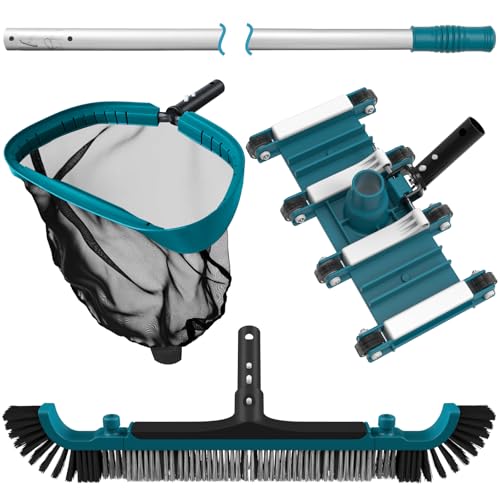
Sepetrel Deluxe Swimming Pool Cleaning Kit Spa Jet Vacuum

- ✓ Easy hose connection
- ✓ No electricity needed
- ✓ Multi-tool versatility
- ✕ Slightly lightweight build
- ✕ Limited for deep cleaning
| Vacuum Type | Manual venturi effect-powered pool vacuum |
| Hose Connection | Upgrade hose adapter compatible with standard garden hoses |
| Hose Length | Approximately 57.5 inches (146 cm) |
| Collection Bag Capacity | Designed to hold a significant amount of debris, suitable for semi-deep skimming |
| Pool Brush Size | 13.5 inches (34.3 cm) |
| Pole Length | Adjustable from approximately 24 inches to 57.5 inches (61 cm to 146 cm) |
Ever wrestled with tangled hoses and stubborn debris in your pool, wishing for a quick fix? I did, until I grabbed the Sepetrel Deluxe Swimming Pool Cleaning Kit.
The moment I connected the spa jet vacuum to my garden hose using the upgraded hose adapter, I noticed how smoothly it drew in leaves and dirt without any fuss or power cords involved.
The vacuum’s venturi effect, powered solely by water pressure, makes cleanup feel effortless. I was surprised at how much debris the collection bag held after just a few passes.
The semi-deep skimmer net was also a game-changer—more surface area meant fewer trips over the same spot.
The 13.5-inch pool brush with its curved edges tackled corners I thought would need a dedicated tool. Plus, the adjustable 57.5-inch pole meant I didn’t need to bend or stretch awkwardly.
It all felt sturdy and well-balanced in my hands, making the whole process faster and less tiring.
What really stood out was how versatile this kit is. Swapping between the vacuum, brush, and net is seamless, thanks to the universal fittings.
For anyone tired of juggling multiple tools or dealing with complex setups, this kit simplifies everything.
At just $39.99, it’s a solid investment for regular pool upkeep. Whether you’re dealing with surface leaves or hard-to-reach corners, this kit covers all bases with minimal effort.
POOLWHALE Pool Cleaning Kit with Vacuum, Net & Brush
- ✓ Wide coverage with large brush
- ✓ Easy to maneuver and steer
- ✓ Versatile tool set
- ✕ Slightly heavy to handle
- ✕ Mesh filter misses tiny particles
| Pool Brush Size | 22 inches |
| Pool Pole Length | 13 feet (adjustable from 2.7 feet to 13 feet) |
| Vacuum Head Diameter | 14 inches |
| Vacuum Hose Compatibility | 1-1/2 inch or 2 inch diameter hoses |
| Skimmer Net Frame Material | Aluminum |
| Mesh Size | Medium mesh for leaves and small debris |
I’ve had this POOLWHALE Pool Cleaning Kit sitting on my wishlist for months, and finally getting my hands on it felt like a game-changer. The first thing that caught my eye was the massive 22-inch brush head — it instantly made me think, “Wow, this is going to cut down my cleaning time.”
As I started using it, I appreciated how sturdy and heavy-duty the brush felt. The detachable corner brush added extra control for those tricky spots.
The adjustable pole, extending up to 13 feet, made reaching every corner of my pool effortless without me having to stretch or strain.
The deep pool skimmer net, with its aluminum frame and glide scoop, was surprisingly easy to maneuver. It handled leaves and larger debris without any fuss, and the medium mesh size was perfect for catching smaller particles without clogging up.
The vacuum head with wheels glided smoothly over the surface, making the whole cleaning process much more efficient.
Switching between tools was simple, thanks to the standard connections, and the flexible vacuum head responded well to steering, turning tight corners with ease. I spent less time fussing with awkward tools and more time swimming.
Honestly, it felt like a complete upgrade from my old, flimsy cleaning gear.
Overall, this kit makes pool maintenance feel less like a chore and more like a quick, satisfying task. It’s well-built, versatile, and makes cleaning nearly effortless — a must-have for anyone tired of battling their pool every weekend.
What Types of Pool Cleaning Equipment Are Available?
The best pool cleaning equipment includes various tools and machines designed to maintain pool hygiene and clarity.
- Automatic Pool Cleaners: These are robotic or suction-based devices that move around the pool to remove dirt and debris. They are efficient and save time, allowing for a thorough clean with minimal manual effort.
- Manual Pool Cleaners: These include tools like skimmers, brushes, and vacuum heads that require the user to actively clean the pool. While they may be more labor-intensive, they allow for targeted cleaning in specific areas, especially for larger debris.
- Pool Skimmers: Skimmers are designed to remove surface debris such as leaves and bugs from the water. They can be attached to the pool’s filtration system or used as handheld devices to keep the pool surface clear.
- Vacuum Cleaners: Pool vacuums can be manual or automatic and are used to clean the pool floor and walls. They work by sucking up dirt and debris, ensuring that even fine particles are removed from the water.
- Water Test Kits: Although not a cleaning tool per se, water test kits are essential for maintaining clean pool water. They help measure pH levels, chlorine, and other chemical balances, ensuring the pool is safe and sanitized for swimming.
- Pressure Washers: These powerful cleaning devices can be used to clean pool tiles and surrounding areas. They work by using high-pressure water jets to remove stubborn stains and algae buildup effectively.
- Pool Brushes: Brushes are essential for scrubbing the walls, floors, and corners of the pool to remove algae and grime. They come in various sizes and bristle types, making them suitable for different pool surfaces.
How Does a Manual Pool Cleaner Work?
A manual pool cleaner operates by utilizing human effort to remove debris and dirt from a swimming pool’s surfaces.
- Telescopic Pole: This is a long, adjustable pole that allows you to reach different areas of the pool while using the cleaner. It provides the necessary length to maneuver the cleaning head around the pool, especially in corners and deep areas.
- Vacuum Head: The vacuum head is attached to the end of the telescopic pole and is designed to suck up dirt and debris from the pool floor. It typically features brushes or wheels that help it glide smoothly over surfaces while effectively capturing particles.
- Hoses: A series of hoses connect the vacuum head to the skimmer or the filtration system. These hoses transport the debris collected by the vacuum head back to the filtration system, ensuring that the pool water remains clean and clear.
- Skimmer Attachment: Some manual cleaners can be connected to the skimmer, which helps in drawing water through the cleaner. This setup allows for efficient debris removal while utilizing the pool’s existing filtration system.
- Brushes: Many manual pool cleaners come equipped with brushes that scrub the pool surfaces as they move. These brushes help dislodge stubborn dirt and algae, making it easier for the vacuum head to collect debris.
Using a manual pool cleaner involves physically guiding the equipment around the pool to ensure thorough cleaning. This type of cleaner is often favored for its simplicity and effectiveness, especially in smaller pools or areas where automated systems may struggle to reach.
What Are the Pros and Cons of Automatic Pool Cleaners?
| Aspect | Pros | Cons |
|---|---|---|
| Cost | Generally saves money on manual labor and reduces cleaning time. | Initial investment can be high for quality models. |
| Efficiency | Cleans pools thoroughly and consistently with minimal effort. | May not reach all areas if not properly set up. |
| Ease of Use | Automates cleaning process; user-friendly operation. | Requires maintenance and occasional troubleshooting. |
| Durability | Built to last; often comes with warranties. | Parts can wear out over time and may need replacement. |
| Types of Cleaners | Variety of options (robotic, suction-side, pressure-side) to suit different needs. | Choosing the wrong type can lead to inefficiency in cleaning. |
| Energy Efficiency | Can reduce energy costs compared to manual cleaning. | Some models may consume more power, increasing utility bills. |
| Effectiveness in Pool Types | Can be effective for both above-ground and in-ground pools depending on model. | Some cleaners work better in specific pool types, limiting versatility. |
| Noise Levels | Many models operate quietly, minimizing disturbance. | Some cleaners can be noisy, especially during operation. |
| Compatibility with Pool Surfaces | Various models designed for different surfaces (tile, vinyl, fiberglass). | Incompatible cleaners can damage certain surfaces or perform poorly. |
What Features Should a Robotic Pool Cleaner Have?
The essential features to look for in robotic pool cleaners include:
- Smart Navigation: Advanced robotic pool cleaners should have smart navigation systems that allow them to map out the pool efficiently, ensuring thorough cleaning without missing spots. These systems often use sensors and algorithms to adapt their cleaning paths based on the pool’s shape and obstacles.
- Multiple Cleaning Modes: The best pool cleaning equipment should offer various cleaning modes, such as full pool cleaning, spot cleaning, and vacuuming. This versatility allows users to choose the most effective cleaning method based on their pool’s needs and conditions.
- Efficient Filtration System: A high-quality filtration system is crucial for trapping dirt, debris, and even fine particles, ensuring that the pool water remains clean and clear. Look for models with multi-layer filters or those that can handle different types of debris, like leaves, sand, and algae.
- Energy Efficiency: Robotic pool cleaners should be designed to consume minimal energy while maximizing performance. Energy-efficient models can significantly reduce electricity costs, making them more environmentally friendly and economical over time.
- Remote Control and App Connectivity: Many modern robotic pool cleaners come with remote controls or smartphone app connectivity, allowing users to start, stop, or schedule cleaning cycles conveniently. This feature enhances user experience by providing greater control and flexibility.
- Anti-Tangle Cord: An anti-tangle cord is essential for preventing the cleaner from getting stuck during operation. This feature helps maintain uninterrupted cleaning sessions, ensuring that the cleaner can navigate around the pool without any hassle.
- Durability and Build Quality: The materials used in constructing the robotic pool cleaner should be robust and weather-resistant to withstand pool chemicals and outdoor conditions. High-quality build ensures longevity and reduces the need for frequent replacements or repairs.
- Self-Detection of Climbing Ability: Some advanced models can detect when they can climb walls or steps, allowing them to clean the entire pool surface, including the walls. This feature ensures that the cleaner maximizes its cleaning potential and reaches all areas of the pool.
What Key Features Should You Prioritize When Choosing Pool Cleaning Equipment?
When selecting the best pool cleaning equipment, certain key features should be prioritized to ensure effective maintenance and ease of use.
- Type of Cleaner: The main types include robotic, suction, and pressure cleaners, each suited for different pool sizes and surfaces.
- Cleaning Coverage: Look for equipment that offers comprehensive coverage to avoid missed spots, ensuring that all areas of the pool are cleaned efficiently.
- Ease of Use: Consider how easy the cleaner is to operate, including features like automatic programming and user-friendly controls.
- Filtration System: A good filtration system is essential for capturing debris and ensuring clean water; check if the cleaner has a built-in filter or requires a separate one.
- Durability and Warranty: Invest in equipment made from high-quality materials that can withstand harsh pool chemicals and conditions, along with a solid warranty for peace of mind.
Type of Cleaner: The main types include robotic, suction, and pressure cleaners, each suited for different pool sizes and surfaces. Robotic cleaners are often the most efficient and require less manual labor, while suction cleaners are typically more affordable and easy to use. Pressure cleaners can handle larger debris but may require a booster pump for optimal performance.
Cleaning Coverage: Look for equipment that offers comprehensive coverage to avoid missed spots, ensuring that all areas of the pool are cleaned efficiently. Some cleaners feature smart navigation systems that map the pool’s layout, while others may just rely on random patterns. Ensuring good coverage reduces the need for manual cleaning and saves time.
Ease of Use: Consider how easy the cleaner is to operate, including features like automatic programming and user-friendly controls. The best pool cleaning equipment often comes with remote controls or smartphone connectivity, allowing you to start cleaning with minimal effort. This convenience is particularly beneficial for busy pool owners.
Filtration System: A good filtration system is essential for capturing debris and ensuring clean water; check if the cleaner has a built-in filter or requires a separate one. Some models come with fine mesh bags for finer debris, while others may have larger compartments for leaves and twigs. A high-quality filtration system helps maintain water clarity and quality.
Durability and Warranty: Invest in equipment made from high-quality materials that can withstand harsh pool chemicals and conditions, along with a solid warranty for peace of mind. Look for brands that offer extensive warranties, as this often indicates confidence in their product’s durability. Well-constructed equipment can save money in the long run by reducing the frequency of replacements or repairs.
Why Is Suction Power Crucial for Effective Cleaning?
Suction power is crucial for effective cleaning because it determines the ability of cleaning equipment to remove debris, dirt, and contaminants from surfaces, particularly in pools where various particles can accumulate.
According to a study published in the Journal of Environmental Health, high suction power enhances the removal efficiency of contaminants, leading to cleaner and safer pool environments (Jones et al., 2020). The study found that equipment with higher suction capabilities could remove 30% more debris compared to those with lower suction power.
The underlying mechanism involves the principle of fluid dynamics, where a stronger suction creates a greater pressure differential that effectively lifts and transports debris into the filtration system. This dynamic is particularly important in pools, where leaves, dirt, and algae can cling to surfaces. When the suction power is adequate, it can counteract the forces holding debris in place, allowing for more thorough cleaning. Additionally, effective suction helps ensure that the filtration system captures these particles, preventing them from resettling or contaminating the water again.
Moreover, the efficiency of suction power plays a significant role in the maintenance of pool hygiene. Equipment with robust suction can reduce the frequency of manual cleaning and chemical treatments needed, as it continuously removes contaminants that can lead to algae growth and other water quality issues. As highlighted in a report by the Pool and Spa Association, maintaining optimal suction not only improves cleanliness but also extends the lifespan of the pool equipment by reducing the buildup of harmful substances.
How Does Filtration Quality Affect Cleaning Performance?
Filter maintenance is essential for sustaining the cleaning performance of any pool equipment. A filter that is not regularly cleaned can become clogged, leading to reduced water flow and ineffective cleaning, resulting in murky water and potential algae growth.
The flow rate of pool cleaning equipment must be compatible with the filter’s capabilities to achieve optimal cleaning. If the flow is too high, it may bypass the filter, while too low a flow can lead to insufficient debris removal.
Maintaining balanced water chemistry is crucial since imbalanced water can cause scaling or staining, which can interfere with the filter’s ability to clean effectively. Regular testing and adjustments ensure that the filtration system works at its best.
Finally, the design of the cleaning equipment itself can impact filtration quality. If the design allows for optimal water circulation and filter placement, it enhances the ability to capture dirt and debris, leading to cleaner, clearer pool water.
What Role Does Programmability Play in Convenience and Efficiency?
Programmability in pool cleaning equipment enhances both convenience and efficiency, addressing the needs of pool owners looking for a seamless maintenance experience. Here are key aspects of how programmability contributes to these factors:
-
Automated Scheduling: Programmable cleaners allow users to set specific cleaning schedules. This flexibility ensures that pools are maintained regularly without manual intervention, adapting easily to the owner’s routine.
-
Variable Cleaning Cycles: Many advanced cleaners offer customizable cleaning cycles tailored for different pool sizes and types. Users can select options, such as scrubbing, filtration, or brushing, optimizing the cleaning process based on specific needs.
-
Remote Control and Smart Features: Some models integrate with smartphone applications, enabling remote monitoring and control. Users can start or pause cleaning sessions, monitor progress, and adjust settings right from their devices, making pool upkeep more manageable.
-
Energy Efficiency: Programmable settings can lead to energy savings. By scheduling cleaning during off-peak times, users can reduce electricity costs while ensuring their pool remains pristine.
Programmability not only simplifies the pool maintenance process but also enhances overall efficiency, leading to a cleaner and more enjoyable swimming experience.
Which Brands Are Leaders in Pool Cleaning Equipment?
The leading brands in pool cleaning equipment are known for their reliability, innovative technology, and effective cleaning solutions.
- Hayward: Hayward is renowned for its comprehensive range of pool cleaning equipment, including robotic cleaners and suction-side cleaners. Their products are designed with advanced technology to provide efficient cleaning and minimize maintenance time for pool owners.
- Zodiac: Zodiac specializes in both automatic pool cleaners and a variety of accessories, catering to both in-ground and above-ground pools. Their robotic cleaners are particularly noted for their smart navigation systems and energy efficiency, making them popular among pool enthusiasts.
- Polaris: Polaris is well-known for its pressure-side cleaners that are effective at removing debris and maintaining pool cleanliness. Their innovative design ensures that even hard-to-reach areas are thoroughly cleaned, offering a higher level of convenience for pool maintenance.
- Dolphin: Dolphin offers a range of robotic pool cleaners that are celebrated for their easy-to-use features and powerful cleaning capabilities. Their models come equipped with smart technology that allows for programmable cleaning cycles, making them ideal for busy pool owners.
- Intex: Intex focuses primarily on above-ground pools and provides affordable yet efficient cleaning solutions. Their cleaners are designed to be user-friendly and compatible with various pool types, making them a popular choice for budget-conscious consumers.
What Innovations Do Top Brands Bring to Pool Cleaning?
Top brands in pool cleaning constantly innovate to enhance efficiency and effectiveness in maintaining pool cleanliness.
- Robotic Pool Cleaners: These autonomous devices use advanced navigation technology to map out the pool’s surface and clean it thoroughly without human intervention.
- Smart Pool Monitoring Systems: Integrated with IoT technology, these systems allow users to monitor water quality and equipment performance remotely via smartphone apps.
- Energy-Efficient Pumps: Modern pool pumps are designed to consume less energy while providing powerful suction, significantly reducing operational costs and environmental impact.
- Dual-Action Cleaners: Combining suction and scrubbing mechanisms, these cleaners can tackle both debris and algae effectively in one pass, ensuring a cleaner pool.
- Automatic Chemical Dispensers: These systems automate the distribution of pool chemicals, ensuring optimal water balance and reducing the need for manual testing and adjustments.
Robotic pool cleaners are designed to operate independently, utilizing sensors and algorithms to navigate around obstacles while efficiently collecting dirt and debris. They often feature programmable schedules, allowing users to set cleaning times that fit their routines.
Smart pool monitoring systems provide real-time data about water conditions, enabling users to maintain optimal chemical levels and detect issues before they become significant problems. These systems often include alerts and recommendations, making pool maintenance more user-friendly.
Energy-efficient pumps operate at variable speeds, allowing for lower energy consumption during low-demand periods while still providing adequate suction when needed. This innovation not only saves money on energy bills but also extends the lifespan of the pool equipment.
Dual-action cleaners use a combination of suction and scrubbing brushes to address both large debris and stubborn algae growth, making them versatile for various cleaning challenges. Their design allows for thorough cleaning without the need for multiple tools or machines.
Automatic chemical dispensers simplify pool maintenance by automatically measuring and delivering the precise amount of chemicals needed to maintain water quality. This innovation reduces the risk of human error and ensures that the pool remains safe and enjoyable for swimmers.
How Do User Reviews Reflect Each Brand’s Reliability?
User reviews play a crucial role in assessing the reliability of brands in the pool cleaning equipment market.
- Quality of Materials: User reviews often highlight the quality of materials used in pool cleaning equipment, which can indicate the durability and longevity of the product. High-quality materials generally lead to better performance and less frequent replacements, making a brand more reliable in the eyes of consumers.
- Ease of Use: Many reviews focus on how easy it is to operate the equipment. Brands that are consistently praised for user-friendly designs are often seen as more reliable, as they provide a better customer experience and reduce the likelihood of operational errors.
- Customer Service: Reviews frequently mention customer service experiences, which can significantly impact a brand’s reputation. Reliable brands tend to have responsive and helpful customer service that resolves issues effectively, thereby increasing customer trust and satisfaction.
- Performance Over Time: Users often share their long-term experiences with the equipment, detailing how well it performs after extended use. Brands that maintain consistent performance and effectiveness over time are considered more reliable, as they prove their value beyond initial impressions.
- Warranty and Support: The presence of a robust warranty and support system is often reflected in reviews. Brands that offer comprehensive warranties and readily available support are viewed as more reliable, as they demonstrate confidence in their products and commitment to customer satisfaction.
- Value for Money: Reviews typically address whether users feel they received good value for their investment. Brands that deliver high-quality performance and durability at competitive prices are generally seen as more reliable because they fulfill consumer expectations.
Why Is Product Warranty Important for Pool Equipment?
Product warranty is important for pool equipment because it provides consumers with protection against defects and failures, ensuring they receive value for their investment in the best pool cleaning equipment.
According to a report by Consumer Reports, warranties can significantly enhance consumer confidence, as they indicate that the manufacturer stands behind their product quality. A strong warranty can reflect the durability and reliability of the equipment, encouraging customers to choose one product over another based on the level of assurance provided.
The underlying mechanism behind the importance of warranties relates to the financial implications of pool maintenance. Pool equipment can be a substantial investment, and the costs associated with repairs or replacements can be high. When consumers purchase pool cleaning equipment, they are not only investing in a product but also in the peace of mind that comes with a warranty. This assurance mitigates the risk of unexpected expenses, allowing consumers to make informed decisions based on the estimated long-term savings associated with reliable equipment.
Moreover, warranties can also foster consumer loyalty and brand reputation. When customers experience positive outcomes from their warranty claims, they are more likely to trust the brand and recommend it to others. Research from the Warranty Industry Association shows that brands with robust warranty programs tend to enjoy higher customer retention rates, as satisfied customers are inclined to return for future purchases. This creates a cycle where high-quality products and comprehensive warranties bolster each other, ultimately benefiting both the consumer and the manufacturer.
What Is the Cost Range for Different Types of Pool Cleaning Equipment?
Pool cleaning equipment refers to a variety of tools and machines designed to maintain the cleanliness and hygiene of swimming pools. This equipment includes manual tools like skimmers and brushes, as well as automated systems such as robotic cleaners and pressure-side cleaners, all of which help to remove debris, algae, and other contaminants from pool surfaces and water.
According to the Association of Pool & Spa Professionals (APSP), maintaining pool cleanliness is essential for swimmer safety and enjoyment, making the choice of the right cleaning equipment crucial for pool owners.
Key aspects of pool cleaning equipment include its type, functionality, and cost. Manual cleaning tools tend to be more affordable, with skimmers ranging from $10 to $50, while brushes may cost between $15 and $100. Automated cleaners, on the other hand, can vary widely in price; suction-side cleaners typically cost between $100 and $500, pressure-side cleaners range from $300 to $800, and robotic cleaners can go from $500 to over $1,500 depending on their features and efficiency.
The impact of using effective pool cleaning equipment is significant, as it helps to prevent the build-up of harmful bacteria and algae that can pose health risks to swimmers. Regular cleaning also extends the lifespan of pool surfaces and equipment, ultimately saving owners money in maintenance and repair costs. Studies have shown that pools that are properly maintained can result in lower chemical usage and more efficient filtration, leading to cost savings over time.
Benefits of investing in the best pool cleaning equipment include reduced labor costs, as automated systems require less manual effort, and improved water clarity and quality, enhancing the swimming experience. Moreover, many modern cleaners are designed to be energy-efficient, which can lead to lower utility bills. The convenience of scheduling automated cleaners also allows pool owners to enjoy their pools without the constant worry of maintenance.
Best practices for choosing and using pool cleaning equipment involve assessing the specific needs of the pool, such as its size and shape, as well as the types of debris commonly found in the area. It is also advisable to regularly inspect and maintain the equipment to ensure optimal performance and longevity. Investing in high-quality products, even if they come with higher upfront costs, can lead to better long-term outcomes in pool maintenance.
How Do Costs Differ Between Manual and Robotic Cleaners?
- Manual Pool Cleaners: Typically less expensive upfront, manual cleaners require more labor and time.
- Robotic Pool Cleaners: Higher initial costs but offer long-term savings through reduced labor and increased efficiency.
- Maintenance Costs: Manual cleaners often have lower maintenance costs, while robotic cleaners may require more specialized repairs.
- Energy Consumption: Robotic cleaners can consume more energy, impacting ongoing operational costs, whereas manual cleaners have negligible energy costs.
What Are the Long-Term Maintenance Costs to Consider?
- Replacement Parts: Over time, components such as filters, brushes, and hoses will wear out and need replacing. Regular maintenance can extend the life of these parts, but budgeting for their eventual replacement is essential to avoid unexpected costs.
- Energy Consumption: The operation of pool cleaning equipment can lead to increased energy bills. Choosing energy-efficient models can help mitigate these costs, and understanding how often and long the equipment runs is crucial for calculating overall energy expenses.
- Chemical Usage: Cleaning equipment can affect the balance of pool chemicals, leading to more frequent purchases of chemicals to maintain water quality. It’s important to factor in the cost of chlorine, pH balancers, and algaecides, which can fluctuate based on the cleaning system’s efficiency.
- Labor Costs: If you hire professionals for pool cleaning and maintenance, these labor costs can add up significantly over time. Investing in automated cleaning systems may reduce the need for professional services, but initial costs should be weighed against potential savings.
- Maintenance and Repairs: Regular maintenance is necessary to keep pool cleaning equipment running smoothly, which may include professional servicing or DIY repairs. Setting aside a budget for routine check-ups or unexpected repairs ensures that your equipment remains effective and extends its lifespan.
What Maintenance Tips Can Help Extend the Life of Pool Cleaning Equipment?
Regular maintenance is crucial for extending the life of pool cleaning equipment.
- Regular Cleaning: Cleaning the pool cleaning equipment after each use helps remove debris, dirt, and chemicals that can cause wear and tear. This includes rinsing off any clogs in the filter or bag to ensure optimal performance during subsequent uses.
- Inspecting Hoses and Cables: Regularly checking hoses and cables for cracks, leaks, or frays can prevent more significant issues down the line. If any damage is found, it’s important to replace or repair these components promptly to avoid further damage to the cleaning equipment.
- Lubrication of Moving Parts: Applying lubricant to movable parts such as wheels and joints helps reduce friction and wear. This maintenance step ensures smoother operation and can significantly extend the lifespan of the equipment.
- Checking and Replacing Filters: Filters play a vital role in keeping the water clean and clear, so checking them regularly and replacing them when they become clogged or damaged is essential. Clean filters improve the overall efficiency of the pool cleaning equipment, ensuring it operates effectively.
- Storing Equipment Properly: Proper storage is key to prolonging the life of pool cleaning equipment. Keeping it in a dry, shaded area away from direct sunlight and extreme temperatures prevents materials from degrading and ensures that the equipment remains in good working condition.
- Using Equipment as Intended: Adhering to the manufacturer’s instructions regarding usage can prevent unnecessary strain on the equipment. Using the right type of cleaner for your pool type and avoiding overworking the equipment will help maintain its integrity over time.
What Routine Checks Should You Perform on Your Equipment?
Routine checks on your pool cleaning equipment are essential to ensure optimal performance and longevity.
- Visual Inspection: Regularly examine your equipment for any visible signs of wear and tear, such as cracks or frayed hoses. This early detection can prevent minor issues from escalating into major problems.
- Filter Maintenance: Check and clean your pool filter according to the manufacturer’s recommendations. A clogged filter can reduce the efficiency of your cleaning equipment, leading to poor pool water quality.
- Brush and Vacuum Condition: Inspect the brushes and vacuum heads for damage or debris buildup. Worn or clogged components can hinder effective cleaning and may scratch the pool surface.
- Hose Integrity: Look for leaks, kinks, or blockages in the hoses. A damaged hose can lead to loss of suction or water flow, making it difficult for the equipment to perform its cleaning tasks effectively.
- Motor and Drive System Check: For robotic cleaners, ensure the motor and drive system are functioning smoothly. Listen for unusual noises or observe any irregular movement that could indicate mechanical issues.
- Chemical Balance Testing: Regularly test the pool water chemistry to ensure it is balanced. Poor chemistry can affect the performance of cleaning equipment and lead to build-up of contaminants.
- Power Supply Inspection: For electric pool cleaners, check the power supply and connections for any damage. Ensuring a stable and secure power source is critical for the proper functioning of the equipment.
- Storage Conditions: Assess the storage area for your equipment, ensuring it is clean and dry. Proper storage can prevent unnecessary damage and extend the life of your pool cleaning gear.
How Can You Troubleshoot Common Issues with Pool Cleaners?
Inspecting the hoses is critical because any kinks or obstructions can significantly reduce the efficiency of the pool cleaner. Clear any debris and ensure the hoses are properly connected and not twisted.
Regularly examining the filter is important as it can accumulate dirt and debris, leading to decreased suction and cleaning ability. Cleaning or replacing the filter according to the manufacturer’s recommendations can restore functionality.
Verifying wheel movement is necessary since obstructions can prevent the cleaner from moving effectively across the pool surface. Remove debris from the wheels and check for any signs of wear that may require replacement.
Checking for water leaks is crucial, as leaks can compromise the suction and efficiency of the cleaner. Any visible damage should be addressed promptly to ensure the cleaner operates at peak performance.
Adjusting the settings on the cleaner can sometimes resolve issues related to its cleaning efficiency, especially if the pool has unique shapes or features. Experimenting with different settings can lead to better results.
Finally, consulting the manual provides model-specific guidance that can address common troubleshooting issues effectively. It can offer insights into potential problems you may not have considered.
What Mistakes Should You Avoid When Choosing Pool Cleaning Equipment?
When selecting pool cleaning equipment, it’s essential to avoid common mistakes that can lead to ineffective cleaning and wasted money.
- Ignoring Pool Size and Type: Many homeowners overlook the specific size and type of their pool when choosing cleaning equipment. Equipment designed for smaller pools may not effectively clean larger ones, and vice versa, while different pool types (such as above-ground vs. in-ground) require different cleaners.
- Neglecting Maintenance Needs: Some pool cleaning equipment requires regular maintenance that can be time-consuming and costly. Failing to consider the ongoing maintenance requirements can lead to frustration and additional expenses over time.
- Overlooking Compatibility with Existing Equipment: It’s crucial to ensure that new cleaning equipment is compatible with your existing pool system, such as filters and pumps. Incompatible equipment can lead to inefficiencies and potential damage to your pool system.
- Choosing Based on Price Alone: While budget is a significant factor, opting for the cheapest option can result in poor performance and durability. Investing in quality equipment that meets your pool’s needs is often more cost-effective in the long run.
- Failing to Research Reviews and Recommendations: Relying solely on advertisements or sales pitches without checking user reviews can lead to poor choices. Researching customer feedback and expert recommendations can provide valuable insights into the effectiveness and reliability of the equipment.
- Not Considering Automation Features: Many modern pool cleaners offer automated features that can save time and effort. Ignoring these options might lead to a more labor-intensive cleaning process and reduce overall convenience.
- Underestimating the Importance of Warranty: Choosing equipment without a solid warranty can be a risky decision. A good warranty provides peace of mind and protection against manufacturing defects and potential issues that may arise after purchase.
How Important Is Compatibility with Your Specific Pool Type?
Compatibility with your specific pool type is crucial when selecting the best pool cleaning equipment, as it ensures efficiency and effectiveness in maintaining pool cleanliness.
- Above-Ground Pool Cleaners: These cleaners are specifically designed to handle the unique structure and materials of above-ground pools. They often come with features that prevent damage to the pool walls and are lightweight, making them easy to maneuver.
- In-Ground Pool Cleaners: In-ground pool cleaners are built to tackle the robust surfaces and depths of in-ground pools. They usually have stronger suction and advanced navigation systems to cover larger areas and handle various debris types, ensuring thorough cleaning.
- Vinyl Pool Cleaners: Equipment for vinyl pools needs to be gentle to avoid scratching the vinyl liner. These cleaners often have softer brushes and adjustable settings to accommodate the unique needs of vinyl surfaces, ensuring they clean effectively without causing damage.
- Concrete Pool Cleaners: Concrete pools require more powerful cleaners due to their porous surfaces that can harbor dirt and algae. These cleaners typically have stronger scrubbing capabilities and robust filtration systems to handle the tough stains and debris often found in concrete pools.
- Fiberglass Pool Cleaners: Fiberglass pools can be sensitive to harsh cleaning methods, so the best equipment for them is designed to be gentle yet effective. These cleaners often feature specialized brushes and suction mechanisms that clean without scratching or damaging the fiberglass surface.
Why Should You Consider Size and Storage Solutions for Your Equipment?
Considering size and storage solutions for your equipment is essential because it directly impacts the efficiency, accessibility, and longevity of the equipment you use, especially for the best pool cleaning equipment.
According to the American Society of Home Inspectors, proper storage can significantly reduce wear and tear on equipment, which extends its lifespan and ensures optimal performance over time. A study published in the Journal of Environmental Management highlights that organized storage not only prevents damage but also enhances safety and usability, as equipment that is easily accessible can be operated more effectively.
The underlying mechanism involves the principles of space management and environmental control. For instance, storing pool cleaning equipment in a designated, dry, and clean area reduces the risk of rust and corrosion, which are common issues when equipment is left exposed to moisture and debris. Additionally, having the right storage solutions can help prevent accidents, as cluttered spaces can lead to tripping hazards and improper handling of tools. This organization fosters a more efficient workflow, allowing users to quickly locate and utilize the best pool cleaning equipment without unnecessary delays.
Related Post: