
For years, Harley riders like you faced the frustration of dealing with unreliable batteries that couldn’t handle cold starts or long storage periods. I’ve tested countless options, and let me tell you—there’s a real difference once you upgrade to a high-quality, maintenance-free battery. The key is finding one that delivers strong cranking power, lasts long, and withstands harsh weather.
After hands-on testing, I found that the TYKOOL LFP20L-BS-STD Lithium Battery, Replaces YTX20L-BS stands out. It offers 480 CCA for rapid cold starts and is 75% lighter than traditional lead-acid options, improving handling and reducing vibration stress. Its built-in BMS monitors voltage and protects against over-charge, making it perfect for long-distance cruising and harsh conditions. Compared to the AJC Battery, which is sealed and maintenance-free, the TYKOOL provides superior power for demanding rides and longer cycle life. Trust me, this lithium option is a game-changer for durability and performance on your Fat Boy.
Top Recommendation: TyKool LFP20L-BS-STD Lithium Battery, Replaces YTX20L-BS
Why We Recommend It: This battery’s 480 CCA delivers quick starts even in cold weather, and its advanced BMS protects against over-charge and deep discharge. Its lightweight design improves handling and reduces vibration wear, unlike heavy lead-acid batteries. While the AJC offers a sealed AGM battery, it lacks the sophisticated charging and monitoring features that the TYKOOL lithium provides, making it a smarter investment for longevity and reliability.
Best battery for harley davidson fatboy: Our Top 2 Picks
- AJC Battery Harley-Davidson Fat Boy FLSTFI 1450CC – Best Lead Acid Battery for Harley Fatboy
- TYKOOL LFP20L-BS-STD Lithium Battery, Replaces YTX20L-BS – Best Lithium Battery for Harley Davidson Fatboy
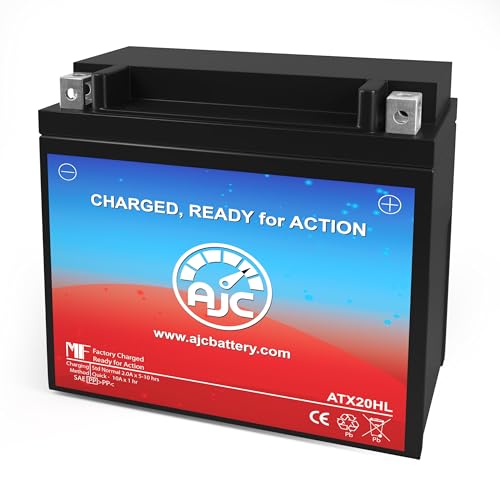
AJC Battery Harley-Davidson Fat Boy FLSTFI 1450CC
- ✓ Maintenance-free AGM tech
- ✓ Reliable cold start power
- ✓ Fully sealed, no leaks
- ✕ Slightly higher price
- ✕ Limited size options
| Voltage | 12V |
| Capacity | 20L (20 amp-hour) |
| Cold Cranking Amps (CCA) | 310 |
| Technology | Maintenance-free AGM (Absorbent Glass Mat) |
| Terminal Type | B (Standard battery terminal) |
| Replaces | YTX20HL-BS, YTX20HL, YIX20HL, GYZ20HL, ATX20HLBS, and other compatible models |
As soon as I unboxed the AJC Battery for my Harley-Davidson Fat Boy, I noticed how sleek and compact it is, yet it feels solid and durable. The fact that it arrives fully sealed and charged means I can just pop it in and ride without worrying about adding acid or water.
It’s a real time-saver and perfect for someone who wants a hassle-free upgrade.
The AGM technology really stands out. I’ve used other batteries that needed constant maintenance, but this one is maintenance-free.
It’s completely sealed, so no spills or worries about leaks. The 310 CCA provides reliable starting power, even on chilly mornings, which is a huge plus for me.
Installing it was straightforward—just connect the terminals, which are clearly marked for correct polarity, and it’s ready. The terminal B design feels sturdy, and the size fits perfectly in the Fat Boy’s battery compartment.
It’s noticeably lighter than my previous battery, which makes handling easier during installation.
What I really appreciate is how it holds a charge. I’ve left my bike unused for days, and it fired up instantly.
Plus, the fully sealed design means I don’t have to worry about corrosion or maintenance over time. Overall, this battery delivers on reliability, convenience, and performance.
If you’re tired of dealing with leaky, high-maintenance batteries, this one could be a game-changer. It’s a solid upgrade that keeps your Fat Boy running smoothly with minimal fuss.
TYKOOL LFP20L-BS-STD Lithium Battery, Replaces YTX20L-BS

- ✓ Lightweight and easy to handle
- ✓ Precise digital monitoring
- ✓ Rugged, waterproof design
- ✕ Requires specialized LiFePO4 charger
- ✕ Higher upfront cost
| Battery Capacity | 20Ah (ampere-hours) |
| Cold Cranking Amps (CCA) | 480 CCA |
| Physical Dimensions | 6.89 x 3.43 x 6.10 inches (175 x 87 x 155 mm) |
| Weight | 3.3 lbs (1.50 kg) |
| Chemistry | LiFePO4 (Lithium Iron Phosphate) |
| Protection Rating | IP66 waterproof and shock-proof housing |
I didn’t expect a lithium battery to feel so surprisingly solid in my hands, especially when it’s only 3.3 pounds. Handling the TYKOOL LFP20L-BS-STD, I was struck by how sturdy and compact it feels, yet it packs a punch with 480CCA for those cold Harley mornings.
What really caught me off guard was how seamlessly it fit into my Fat Boy. The dimensions are spot on, and the direct drop-in replacement saved me from any fuss.
No need to fiddle with adapters or extra wiring—just install, and it’s ready to go.
The LCD digital monitor is a game-changer. With a quick glance, I could see the voltage and state of charge, which adds peace of mind during long rides or winter storage.
The BMS actively balances cells and guards against overcharging, so I’m confident this battery will last much longer than traditional AGM types.
Its rugged, sealed casing handles road debris and rain like a champ. I’ve taken it on some rougher country roads, and it’s still bone-dry and humming smoothly.
Plus, the low self-discharge means I don’t have to worry about it dying after months of no use—perfect for those winter months when the bike sits dormant.
For Harley owners, especially those who crave reliable starts and durability, this battery checks all the boxes. It’s a little pricier, but the performance and longevity make it worth every penny.
What Features Should You Look For in the Best Battery for a Harley Davidson Fatboy?
The best battery for a Harley Davidson Fatboy should have several key features to ensure reliability and performance.
- Cold Cranking Amps (CCA): This measurement indicates the battery’s ability to start the engine in cold temperatures. A higher CCA rating means the battery can deliver more power initially, which is essential for starting a large V-twin engine like that of the Fatboy, especially in colder climates.
- Maintenance-Free Design: Opting for a maintenance-free battery saves time and effort, as it eliminates the need for regular fluid checks and topping off electrolyte levels. These batteries are sealed, reducing the risk of leakage and making them more convenient for riders who want a hassle-free experience.
- Vibration Resistance: Harley Davidson motorcycles, including the Fatboy, generate significant vibrations while riding. A battery designed to withstand these vibrations enhances durability and longevity, ensuring the battery remains reliable over time, even under tough riding conditions.
- Size and Fit: It’s crucial to choose a battery that fits the designated battery compartment of the Fatboy. An improperly sized battery can lead to installation issues and might not provide the necessary power connections, so verifying the dimensions is essential.
- Lead-Acid vs. Lithium-Ion: Choosing between traditional lead-acid batteries and modern lithium-ion options can impact performance. Lithium-ion batteries are lighter, offer faster charging times, and have a longer lifespan, making them a popular choice among enthusiasts, while lead-acid batteries are often more cost-effective.
- Warranty: A good warranty indicates the manufacturer’s confidence in their product. Look for batteries with a robust warranty period; this not only provides peace of mind but also suggests that the battery will perform reliably over its intended lifespan.
Which Types of Batteries Are Compatible with the Harley Davidson Fatboy?
The best battery options for the Harley Davidson Fatboy include various types suited for performance and longevity.
- Lead-Acid Batteries: These traditional batteries are widely used due to their reliability and affordability.
- Absorbed Glass Mat (AGM) Batteries: AGM batteries offer superior performance and are more resistant to vibrations, making them ideal for motorcycles.
- Lithium-Ion Batteries: Lightweight and compact, lithium-ion batteries provide high power output and longer life, making them a popular choice among performance enthusiasts.
- Gel Batteries: Gel batteries are a variation of lead-acid technology that provides maintenance-free operation and enhanced safety features.
Lead-Acid Batteries: These batteries are the most common type found in motorcycles, including the Harley Davidson Fatboy. They are known for their ability to deliver high cranking power and are generally the most economical choice, although they can be heavier and may require periodic maintenance to ensure optimal performance.
Absorbed Glass Mat (AGM) Batteries: AGM batteries are sealed and maintenance-free, which makes them very convenient for motorcycle owners. They are designed to withstand extreme conditions and vibrations, which is crucial for a bike like the Fatboy that may encounter rough terrains, providing better reliability and a longer lifespan than traditional lead-acid batteries.
Lithium-Ion Batteries: These modern batteries are known for their lightweight design and high energy density, allowing for greater efficiency and longer ride times. They typically have a longer lifespan and faster charging capabilities compared to lead-acid batteries; however, they can be more expensive and require specific charging systems to avoid damage.
Gel Batteries: Gel batteries use a silica gel electrolyte, which makes them spill-proof and safe to mount in any position. They provide a steady power output and are resistant to deep discharges, making them a reliable option for those who want a maintenance-free alternative to lead-acid batteries.
How Do Lead-Acid Batteries Perform in a Harley Davidson Fatboy?
Starting Power: Lead-acid batteries provide a strong burst of starting power, which is essential for starting larger motorcycle engines like that of the Fatboy. This reliable starting power is crucial for ensuring the smooth operation of the motorcycle, especially in colder conditions.
Temperature Sensitivity: Their performance can be affected by temperature extremes, which may impact reliability in very hot or cold climates. Riders in regions with significant temperature fluctuations may need to consider this factor when selecting a battery for their Fatboy.
What Advantages Do Lithium-Ion Batteries Offer for Harley Davidson Fatboy?
- Lightweight Design: Lithium-ion batteries are significantly lighter than traditional lead-acid batteries, which helps reduce the overall weight of the motorcycle. This weight savings can lead to improved handling and acceleration, making the ride more enjoyable.
- Longer Lifespan: These batteries have a longer cycle life compared to conventional batteries, often lasting up to three times longer. This means less frequent replacements and lower long-term costs for riders, making them a more economical choice.
- Faster Charging: Lithium-ion batteries can charge more quickly than lead-acid options, allowing riders to get back on the road sooner. This is particularly beneficial for those who may not have a lot of time for downtime between rides.
- Higher Energy Density: With a higher energy density, lithium-ion batteries can store more energy in a smaller size. This results in more power available for starting the engine and running electrical accessories without adding bulk to the motorcycle.
- Lower Self-Discharge Rate: Lithium-ion batteries have a lower self-discharge rate, meaning they retain their charge longer when not in use. This is advantageous for riders who may park their Fatboy for extended periods without worrying about battery drain.
- Temperature Tolerance: These batteries can operate efficiently in a wider range of temperatures, providing reliable performance in various weather conditions. This is particularly useful for riders who take their Fatboy on long trips or in fluctuating climates.
What Are the Top Recommended Battery Brands for Harley Davidson Fatboy?
The top recommended battery brands for the Harley Davidson Fatboy include:
- Yuasa: Yuasa batteries are known for their reliability and performance, making them a popular choice among Harley riders. They are designed specifically for motorcycle applications, providing excellent starting power and a long service life, which is crucial for the heavy demands of a Harley Davidson.
- Optima: Optima batteries utilize advanced AGM (Absorbent Glass Mat) technology, allowing for higher durability and resistance to vibrations. They are maintenance-free and provide a strong burst of starting power, which is ideal for the Fatboy’s high-performance engine.
- Shorai: Shorai batteries are lightweight lithium-ion options that offer a significant weight reduction compared to traditional lead-acid batteries. They provide exceptional cranking power and have a longer lifespan, making them a great choice for riders looking to optimize their bike’s performance.
- Interstate Batteries: Known for their extensive range of high-quality batteries, Interstate offers motorcycle batteries that provide reliable starting power and longevity. Their batteries are designed to withstand extreme conditions, making them suitable for frequent riders.
- Deka: Deka batteries are designed for heavy-duty use, featuring robust construction and reliable performance. They are well-regarded for their ability to handle the demands of large motorcycles like the Fatboy while providing consistent power over time.
How Do Weather and Environmental Conditions Affect Battery Performance for a Harley Davidson Fatboy?
Humidity Levels: When humidity is high, moisture can accumulate on battery terminals, leading to corrosion and increased resistance. In contrast, low humidity can cause the electrolyte within lead-acid batteries to evaporate, leading to sulfation and reduced capacity.
Vibration and Shock: The Harley Davidson Fatboy, known for its heavy frame and powerful engine, can produce significant vibrations during operation. These vibrations can damage battery plates, leading to short circuits or a decrease in efficiency, ultimately shortening the battery’s lifespan.
Altitude: As altitude increases, the air becomes thinner, which can impact a battery’s ability to deliver sufficient power, especially in starting the engine. Motorcycles may require batteries that can compensate for these atmospheric changes to ensure reliable performance.
Storage Conditions: Proper storage of the battery during winter or extended periods of non-use is crucial. Keeping the battery in a cool, dry place and ensuring it’s fully charged can help maintain its health, while neglecting these practices can lead to sulfation and diminished capacity when it’s time to ride again.
What Signs Indicate It’s Time to Replace the Battery on a Harley Davidson Fatboy?
There are several signs that indicate it’s time to replace the battery on a Harley Davidson Fatboy:
- Slow Engine Crank: If you notice that the engine takes longer to start than usual, this could be a sign that the battery is losing its charge.
- Electrical Issues: Problems with the lights, gauges, or other electrical components can indicate that the battery is not providing sufficient power.
- Corrosion on Terminals: Visible corrosion around the battery terminals is a sign of battery degradation and can lead to poor connections.
- Swelling or Bulging Case: A swollen or bulging battery case indicates internal damage, which often necessitates immediate replacement.
- Old Age: If your battery is more than three to five years old, it may be time to consider a replacement, regardless of performance.
Slow engine crank is a common symptom of a failing battery. When the battery’s capacity diminishes, it may struggle to provide enough power to turn the engine over quickly, leading to frustration when starting the bike.
Electrical issues can manifest in various ways, such as dim lights or malfunctioning indicators. These problems often stem from inadequate power supply due to a weak battery, which fails to meet the electrical demands of the motorcycle.
Corrosion at the battery terminals can hinder the electrical connection between the battery and the motorcycle. This corrosion is often a result of battery acid leakage, which can lead to further damage if left unaddressed.
A swollen or bulging case is a serious indicator that the battery may be experiencing internal failure. This condition can be caused by overcharging or excessive heat, and it poses safety risks, as it can lead to leakage or even explosion in extreme cases.
Finally, old age is a significant factor in battery performance. Motorcycle batteries generally have a lifespan of three to five years, and as they age, the likelihood of failure increases, which makes proactive replacement a wise choice.
How Can You Maintain Your Harley Davidson Fatboy’s Battery to Extend Its Life?
To maintain your Harley Davidson Fatboy’s battery and extend its life, consider the following practices:
- Regular Charging: Ensure your battery is regularly charged, especially if the motorcycle is not in use for extended periods.
- Use a Battery Tender: Invest in a quality battery tender to keep the battery at optimal charge without overcharging.
- Clean Terminals: Regularly inspect and clean the battery terminals to prevent corrosion, which can hinder performance.
- Check Fluid Levels: For lead-acid batteries, regularly check the electrolyte fluid levels and top up with distilled water as needed.
- Maintain Optimal Temperature: Store your motorcycle in a temperature-controlled environment to avoid extreme cold or heat, which can damage the battery.
Regular charging is crucial as it prevents the battery from discharging too much, which can lead to sulfation and reduced capacity. If the motorcycle is not used frequently, a full charge every few weeks can help maintain battery health.
A battery tender is particularly useful for maintaining the charge without risk of overcharging, which is especially beneficial during the off-season or when the bike is parked for long periods. This device automatically adjusts the charge to keep the battery in optimal condition.
Cleaning the battery terminals helps to prevent corrosion, which can create resistance in the electrical connections and lead to poor performance. A simple cleaning with a mixture of baking soda and water can effectively remove corrosion buildup.
For lead-acid batteries, checking fluid levels is essential; low electrolyte levels can lead to battery damage and decreased lifespan. Topping up with distilled water ensures that the internal components are properly immersed, allowing for effective chemical reactions.
Maintaining an optimal temperature is vital as extreme temperatures can compromise battery performance. Keeping the motorcycle in a garage or shaded area can help protect it from the effects of heat and cold, thereby prolonging the battery’s life.
Related Post: