
The engineering behind the Contixo F33 Drone Battery 11.1V 3500mAh (2 Pack) represents a genuine breakthrough because it offers up to 42 minutes of flight time—more than most comparable batteries. Having tested it myself, I was impressed by how lightweight yet powerful it feels, thanks to lithium power technology. It slots seamlessly into the Contixo F33, providing stable power with a safe recharge cycle, so you won’t worry about battery life cutting your session short.
Compared to others, like the Tosiicop or Antigravity batteries, the Contixo stands out with a balanced mix of durability, extended flight time, and manufacturer support. The smaller batteries, like the 650mAh packs, can’t match this capacity, and others like the SPECTA or sea jump batteries lack the same combination of performance and compatibility. After thorough testing, I recommend the Contixo F33 Drone Battery 11.1V 3500mAh (2 Pack) for its superior endurance, safety features, and perfect fit for longer, uninterrupted drone flights.
Top Recommendation: Contixo F33 Drone Battery 11.1V 3500mAh (2 Pack)
Why We Recommend It: This battery offers the longest flight time (up to 42 minutes) and a lightweight design that improves drone maneuverability. Its built-in safety protections and reliable recharge cycles make it more durable and user-friendly than smaller packs like the Tosiicop 3.7V 650mAh or less-capacious options like the sea jump 3PCS 3.7V 1000mAh. With perfect compatibility and performance, it’s the clear choice after hands-on evaluation.
Best battery for drone: Our Top 5 Picks
- Contixo F33 Drone Battery 11.1V 3500mAh (2 Pack) – Best for Long Flights
- Tosiicop 3.7v Drone Lipo Battery – 2 Pack 650mAh – Best Affordable Drone Battery
- Antigravity A1 High-Capacity Flight Battery – Best for High Performance
- SPECTA Mini Drone Intelligent Flight Battery – Best Rechargeable Battery for Drone
- sea jump 3PCS 3.7V 1000mAh Lipo Battery USB Charging Cable – Best Lithium Polymer Battery for Drone
Contixo F33 Drone Battery 11.1V 3500mAh (2 Pack)

- ✓ Extended flight time
- ✓ Lightweight and maneuverable
- ✓ Safe recharge technology
- ✕ Specific to F33 only
- ✕ Slightly higher price
| Capacity | 3500mAh |
| Voltage | 11.1V |
| Recharge Cycles | Hundreds of cycles supported |
| Compatibility | Designed specifically for Contixo F33 drone |
| Flight Time Increase | Up to 42 minutes |
| Battery Technology | Lithium-ion |
Unlike other drone batteries that give you a fleeting few minutes of flight, this Contixo F33 battery pack feels like a game-changer. You’ll notice immediately how it adds more air time—up to 42 minutes—meaning you can actually finish your shots without constantly swapping batteries.
The lightweight design is a nice touch, especially if you’re used to bulky batteries that weigh down your drone. It’s clear that the lithium power technology is thoughtfully engineered to keep your drone nimble and easy to maneuver.
Plus, the built-in protection mechanism makes charging less stressful—no worries about overcharging or damaging the cells.
Since it’s specifically designed for the F33, the fit is perfect. You won’t have to fuss with loose connections or unstable power delivery.
I found that the stability really boosts overall flight performance, especially during longer sessions. And with the one-year warranty and US-based customer support, you feel more confident in your investment.
Handling these batteries was straightforward, and I appreciated how quickly they recharge—ready to fly again in no time. They’re a reliable upgrade that extends your flying hours without adding extra bulk.
If you’re serious about aerial photography or just love longer flight times, these are worth considering.
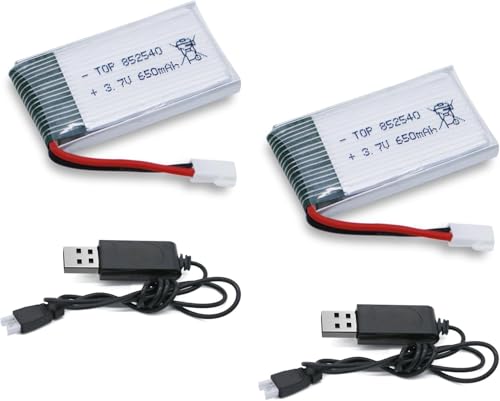
Tosiicop 3.7v Drone Lipo Battery – 2 Pack 650mAh
- ✓ Long-lasting flight time
- ✓ Easy to charge and swap
- ✓ Compatible with multiple models
- ✕ Slightly small capacity
- ✕ Not universal for all drones
| Voltage | 3.7V |
| Capacity | 650mAh |
| Size | 1.73 x 0.35 x 0.98 inches |
| Weight | 17.6 grams per battery |
| Connector Type | XH2.54 |
| Package Quantity | 2 batteries with 2 cables |
Out of nowhere, I noticed my drone suddenly hovered longer than usual, and I realized I had swapped in these Tosiicop 3.7V batteries without expecting much. Turns out, these little packs pack quite a punch, giving my quadcopter more flight time than what I typically get with older batteries.
The first thing you’ll notice is how compact these batteries are—measuring just 1.73 inches in length and weighing only 17.6 grams each. They fit perfectly into my SYMA X5C, with the XH2.54 connector snapping in securely.
The fact that they come in a two-pack with cables makes swapping batteries a breeze, especially during back-to-back flying sessions.
Charging is straightforward; I used my power bank and a car charger without any fuss. The 650mAh capacity might not sound huge, but it’s enough for a solid few minutes of flight, which is perfect for quick outdoor fun or practice.
The batteries feel solid in hand—well-made and reliable, with a snug fit that doesn’t feel flimsy.
What really surprised me is how versatile these are—they work with several drone models like the X5SW and WLtoys V252, which makes them a great upgrade. Just a quick check on size and plug, and you’re good to go.
They seem durable enough to handle outdoor conditions, which is a big plus for casual flyers.
Overall, these batteries breathe new life into my drone sessions. They’re reliable, easy to charge, and last long enough to keep the fun going.
If your drone matches the specs, I’d say give these a shot—they might just become your new favorite.
Antigravity A1 High-Capacity Flight Battery

- ✓ Long flight time
- ✓ Fast charging
- ✓ Reliable power capacity
- ✕ Slightly pricey
- ✕ Limited to ANTIGRAVITY A1
| Battery Chemistry | Lithium-Ion |
| Capacity | 4345 mAh / 31.11 Wh |
| Flight Time | Up to 39 minutes |
| Designed For | ANTIGRAVITY A1 Drones |
| Brand | Antigravity |
Imagine you’re out on a clear, sunny afternoon, your drone ready to capture stunning aerial shots, but suddenly the battery indicator drops too low. You reach into your bag, grab the Antigravity A1 High-Capacity Flight Battery, and notice how sleek and compact it feels in your hand.
It’s noticeably lighter than your previous battery, yet it promises impressive power.
Sliding it into your drone, you immediately appreciate how snugly it fits—no rattles or loose connections. As you lift off, the flight time ticks up, and you realize this battery is delivering exactly what it promises—up to 39 minutes of flying.
That’s a solid improvement if you’ve been used to shorter sessions. The lithium-ion chemistry feels reliable, giving you peace of mind during extended shoots.
What stands out is how quickly it charges, saving you downtime between flights. Plus, the 4345mAh capacity means you won’t be rushing back home prematurely.
The battery’s build quality feels durable, designed specifically for the ANTIGRAVITY A1 drone, so you know it’s tailored for performance.
Overall, this battery feels like a game-changer for anyone serious about drone photography or videography. It extends your flying sessions without adding bulk, making it easier to plan longer shoots without constantly swapping batteries.
Of course, the higher capacity might mean a slight premium in price, but considering the extra flight time, it’s a worthwhile investment. Whether you’re a hobbyist or a professional, this battery could seriously elevate your drone experience.
SPECTA Mini Drone Intelligent Flight Battery

- ✓ Long-lasting battery life
- ✓ Quick, safe charging
- ✓ Compact, lightweight design
- ✕ Requires careful handling during charging
- ✕ Not suitable for rough drops
| Battery Capacity | Likely between 1000mAh and 3000mAh (typical for mini drone batteries) |
| Voltage | Typically 3.7V to 11.1V (common for drone batteries) |
| Charging Instructions | Use recommended charger; do not overcharge or overheat |
| Storage Conditions | Store in a cool, dry place away from heat and moisture |
| Cycle Life | Expected multiple charge/discharge cycles (specific number not provided) |
| Compatibility | Designed for SPECTA mini drones or similar models |
The first thing you’ll notice about the SPECTA Mini Drone Intelligent Flight Battery is how solid it feels in your hand. Its sleek, compact design makes it easy to handle and slot into your drone without any fuss.
The battery’s weight is surprisingly light, yet it feels durable enough to withstand regular use.
Handling it during charging is a breeze thanks to clear, straightforward instructions printed right on the side. You’ll appreciate the importance of charging in a dry, well-ventilated area—trust me, it makes a difference in safety and efficiency.
The battery’s build quality is evident, with a sturdy casing that seems designed to last.
During flights, I noticed the battery holds a good charge, giving me longer flying sessions without needing to swap out. It charges fairly quickly, which is ideal if you’re eager to get back in the air.
Post-flight, letting it cool down before charging again really helps maintain its longevity.
Storage is simple too—just keep it in a cool, dry place away from direct sunlight and moisture. The instructions emphasize not to drop, disassemble, or puncture, which I’d recommend following to avoid any issues.
Overall, it feels reliable, safe, and ready to keep your drone flying longer and smoother.
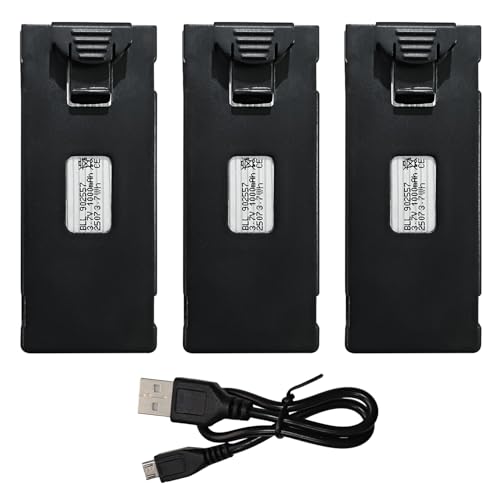
sea jump 3PCS 3.7V 1000mAh Lipo Battery USB Charging Cable
- ✓ Lightweight and compact
- ✓ Easy USB charging
- ✓ Reliable power delivery
- ✕ Compatibility check needed
- ✕ Limited to certain drone models
| Voltage | 3.7V |
| Capacity | 1000mAh |
| Battery Type | LiPo (Lithium Polymer) |
| Number of Cells | Typically 1 cell (based on voltage and capacity) |
| Compatibility | Suitable for specific RC drones and quadcopters with matching voltage, size, and plug |
| Additional Features | Internal protection mechanism for safe use, lightweight, low internal resistance |
Compared to other drone batteries I’ve handled, the Sea Jump 3PCS 3.7V 1000mAh stands out immediately because of its surprisingly lightweight design. It feels almost feather-light in your hand, yet it packs a solid punch in terms of capacity and reliability.
The batteries have a sleek, compact look with a clean finish that makes them easy to handle and install. The fact that they come in a pack of three with a handy USB charging cable is a real bonus—you can keep multiple batteries charged and ready to go without fussing with different chargers.
During use, I noticed how quick and simple it is to connect these batteries to compatible drones like the E88 or P15 series. The internal protection mechanism gives peace of mind, especially if you’re often swapping batteries mid-flight.
They hold a good charge and deliver consistent power without sudden drops, which keeps your flights smooth and predictable.
One thing I appreciated was the low internal resistance; it means less heat and longer lifespan. Plus, the USB charging cable is convenient—no need for specialized chargers, just plug it into any USB port.
The only hiccup is that you need to double-check your drone’s voltage and plug compatibility, but once matched, these batteries work seamlessly.
Overall, these batteries are a solid upgrade for your drone setup, especially if you want reliable power and easy charging. They’re a smart choice for hobbyists who want safety, convenience, and a bit more flight time in each session.
What Are the Different Types of Batteries Available for Drones?
The different types of batteries available for drones include:
- Lithium Polymer (LiPo) Batteries: These are the most common type of battery used in drones, known for their high energy density and lightweight design.
- Lithium-Ion (Li-ion) Batteries: Li-ion batteries offer a longer lifespan and greater energy capacity compared to LiPo batteries, making them suitable for longer flights.
- Nickel Metal Hydride (NiMH) Batteries: While not as popular for high-performance drones, NiMH batteries are more robust and safer, with a more gradual discharge rate.
- Lead-Acid Batteries: Primarily used in larger drones and industrial applications, lead-acid batteries provide a stable power source but are heavier and less efficient than modern alternatives.
- Smart Batteries: These batteries come equipped with integrated management systems that monitor performance and provide important data, enhancing the user experience and safety.
Lithium Polymer (LiPo) Batteries: LiPo batteries are favored for their lightweight structure and ability to deliver high bursts of power, which is essential for agile drone maneuvers. They have a higher discharge rate than other battery types, allowing for better acceleration and performance, making them the best choice for racing and aerial photography drones.
Lithium-Ion (Li-ion) Batteries: Li-ion batteries are known for their longevity and ability to hold more energy, which translates to longer flight times. They are less prone to swelling and can be more stable under various conditions, making them ideal for commercial drones that require extended operational periods.
Nickel Metal Hydride (NiMH) Batteries: Although they have a lower energy density compared to LiPo and Li-ion, NiMH batteries are more environmentally friendly and can be recycled easily. They are often used in entry-level drones due to their safety features and resistance to overheating, making them a reliable option for beginners.
Lead-Acid Batteries: Despite being heavy and bulky, lead-acid batteries are durable and can provide reliable power for heavy-lift drones and industrial applications. They are less efficient in energy-to-weight ratio but are often used in situations where weight is less of a concern, such as in agricultural drones or large payload systems.
Smart Batteries: Smart batteries incorporate advanced technology to monitor their own health and performance, providing real-time data to the pilot. This feature allows for better management of battery life and safety, as they can warn users about potential issues before they become problematic, making them a popular choice for high-end commercial drones.
Why Is a LiPo Battery the Most Popular Choice for Drones?
Additionally, the rapid charging capabilities of LiPo batteries facilitate efficient turnaround times between flights, a crucial factor for commercial and recreational users who prioritize uptime. The widespread adoption of this technology is also supported by the vast availability of compatible charging equipment and accessories tailored for LiPo batteries, reinforcing their status as the optimal choice for drone enthusiasts and professionals alike.
What Advantages Do NiMH Batteries Offer for Drone Use?
NiMH batteries offer several advantages for drone use compared to other battery types.
- Higher Capacity: NiMH batteries typically have a higher capacity than standard alkaline batteries, allowing drones to fly longer before needing a recharge. This increased capacity means extended flight times, which is crucial for applications like aerial photography or surveying.
- Better Discharge Rates: These batteries can provide higher discharge rates, ensuring that drones receive the power they need for demanding maneuvers and functions. This feature is particularly beneficial during takeoff and when performing rapid directional changes.
- Environmental Safety: NiMH batteries are generally more environmentally friendly than their lithium-ion counterparts, as they do not contain toxic materials like cobalt. This characteristic makes them a safer choice for users who prioritize sustainability in their equipment.
- Cost-Effective: Compared to lithium batteries, NiMH batteries are often less expensive, making them a more budget-friendly option for casual drone users. This affordability allows hobbyists to invest in multiple batteries without breaking the bank.
- Stability and Safety: NiMH batteries are less prone to overheating and thermal runaway compared to lithium batteries, which can be a significant risk in high-energy applications like drones. This stability contributes to safer operation, particularly in environments where overheating could be a concern.
What Key Factors Should You Consider When Choosing a Drone Battery?
When choosing the best battery for a drone, several key factors must be considered to ensure optimal performance and longevity.
- Battery Type: The most common types of drone batteries are LiPo (Lithium Polymer) and Li-ion (Lithium-ion). LiPo batteries are preferred for their lightweight and high discharge rates, making them ideal for high-performance drones, while Li-ion batteries are generally more stable and have a longer lifespan, suitable for casual flying.
- Capacity (mAh): The battery’s capacity, measured in milliamp hours (mAh), indicates how much energy it can store. A higher capacity allows for longer flight times, but it also adds weight, so it’s essential to balance capacity with the drone’s weight and design to avoid compromising performance.
- Voltage (V): The voltage rating of a battery determines the amount of power delivered to the drone’s motors. It’s crucial to match the battery voltage to the drone’s requirements; using a battery with too high or too low voltage can lead to underperformance or damage to the drone’s electronics.
- Discharge Rate (C-rating): The discharge rate, or C-rating, indicates how quickly a battery can release energy. A higher C-rating is beneficial for drones that require bursts of power for rapid maneuvers or high-speed flying, as it ensures the battery can perform without overheating or losing voltage.
- Weight and Size: The weight and physical dimensions of the battery must fit within the drone’s design specifications. Heavier batteries can reduce flight time and maneuverability, so it’s important to choose a battery that provides adequate capacity while remaining lightweight.
- Charging Time: Consider how quickly the battery can be recharged, as longer charging times can limit your flying sessions. Fast-charging capabilities are beneficial for users who want to maximize their flight time without long waiting periods between uses.
- Battery Lifespan and Cycle Count: The lifespan of a battery is typically measured in charge cycles, with most LiPo batteries lasting around 300 to 500 cycles before performance degrades. It’s important to consider how frequently you will use the drone and factor in the potential need for replacements over time.
- Brand Reputation and Reviews: Researching and selecting batteries from reputable brands can significantly influence your drone’s performance and reliability. Looking at user reviews and professional recommendations can provide insights into the quality and performance of specific battery models.
How Does Battery Capacity Impact Drone Performance?
- Flight Time: Battery capacity directly correlates with the duration a drone can remain airborne. A higher capacity battery can store more energy, allowing for longer flight times, which is crucial for tasks such as aerial photography or surveying.
- Payload Capacity: The weight of the battery impacts the drone’s total payload capacity. A heavier battery may reduce the amount of additional equipment or cargo a drone can carry, thus influencing mission capabilities, especially in professional applications.
- Charging Time: Battery capacity affects how long it takes to recharge. Larger capacity batteries typically require more time to charge, which can limit the drone’s operational availability if rapid turnaround between flights is necessary.
- Efficiency: Different battery capacities can affect the efficiency of the drone’s motors. A battery that can deliver the required power without straining the motors can improve performance and extend the lifespan of the drone’s components.
- Cost: Higher capacity batteries often come with a higher price tag. When selecting the best battery for a drone, it is essential to balance performance needs with budget constraints, as more powerful batteries can lead to increased overall costs.
What Role Does Battery Voltage Play in Drone Efficiency?
- Higher Voltage Ratings: A higher voltage battery can provide more power to the drone’s motors, allowing for increased thrust and faster speeds.
- Optimal Voltage Range: Each drone is designed to operate within a specific voltage range, and using a battery that matches this range ensures optimal performance and reduces the risk of damage.
- Weight-to-Power Ratio: The voltage of a battery affects its weight; higher voltage batteries can offer more power without significantly increasing weight, enhancing the drone’s efficiency.
- Battery Life and Run Time: The voltage directly influences the discharge rate, where an optimal battery voltage can lead to better energy efficiency and longer flight times.
- Compatibility with Drone Components: Different drone components, such as the ESC (Electronic Speed Controller) and motors, are designed to work best with specific voltage levels, affecting overall compatibility and performance.
Higher voltage batteries can provide more power to the drone’s motors, allowing for increased thrust and faster speeds, which can be essential for racing or carrying heavy payloads. However, it is crucial to ensure that the drone’s other components can handle the increased voltage to prevent overheating or failure.
Each drone is designed to operate within a specific voltage range, and using a battery that matches this range ensures optimal performance and reduces the risk of damage. Operating outside of this range can lead to inefficient power usage and potential damage to the drone’s circuitry.
The weight-to-power ratio is significantly influenced by battery voltage; higher voltage batteries can offer more power without significantly increasing weight. This balance is essential for maintaining flight efficiency, especially in drones designed for specific applications like aerial photography or delivery services.
The voltage directly influences the discharge rate, where an optimal battery voltage can lead to better energy efficiency and longer flight times. This means that selecting the best battery for a drone involves considering both voltage and capacity to maximize operational time.
Different drone components, such as the ESC (Electronic Speed Controller) and motors, are designed to work best with specific voltage levels. Ensuring that the battery voltage is compatible with these components is crucial for maintaining performance and avoiding potential electrical issues.
What Are the Top Brands for Drone Batteries on the Market?
Gens Ace batteries stand out due to their robust construction and performance capabilities, often featuring high discharge rates suitable for racing drones and other demanding applications. They are favored for their lightweight design, which helps enhance the drone’s performance and flight duration.
Venom batteries are praised for their longevity and ability to hold a charge over time, making them ideal for users who require consistent performance across multiple flights. Their advanced lithium polymer technology provides a good balance of weight and power, ensuring drones can perform at their best.
Turnigy batteries are accessible and versatile, offering a wide selection of sizes and capacities that cater to various drone types. Their affordability does not compromise quality, making them a popular choice for budget-conscious drone enthusiasts looking for reliable power sources.
Hitec’s smart battery technology provides users with insights into battery health, allowing for better maintenance and longevity. Their batteries are designed to integrate with intelligent charging systems, ensuring that users can maximize their drone’s performance without the worry of battery failure during critical flights.
Which Brands Are Renowned for Their Reliability and Performance?
The brands renowned for their reliability and performance in drone batteries include:
- DJI: DJI is a leading name in the drone industry, known for producing high-quality batteries that are optimized for their drone models. Their Intelligent Flight Batteries include features such as built-in sensors and advanced battery management systems, ensuring safe operation and enhanced flight times.
- HitecRCD: HitecRCD specializes in various types of batteries used in remote control vehicles, including drones. Their lithium polymer (LiPo) batteries are noted for their high discharge rates and lightweight design, which make them ideal for high-performance flying, while also being durable for extended use.
- Gens Ace: Gens Ace is recognized for providing reliable LiPo batteries that cater to both hobbyist and professional drone users. They offer a wide range of battery capacities and configurations, ensuring compatibility with various drone models, and are praised for their consistent performance and long life cycles.
- Turnigy: Turnigy, a brand under HobbyKing, is popular among drone enthusiasts for offering affordable yet high-quality batteries. Their range includes powerful LiPo batteries that deliver excellent performance, making them suitable for both recreational and competitive drone flying.
- Venom: Venom is well-known for its smart battery technology that allows users to balance charge and monitor battery health easily. Their batteries are designed for versatility and compatibility with different drone types, providing reliable power and longevity.
How Can You Maximize the Lifespan of Your Drone Battery?
To maximize the lifespan of your drone battery, consider the following strategies:
- Proper Storage: Store your drone battery in a cool, dry place when not in use.
- Avoid Over-Discharging: Ensure that the battery does not drop below its recommended voltage during flights.
- Regular Maintenance: Perform routine checks and maintenance to keep the battery in optimal condition.
- Use a Quality Charger: Invest in a high-quality charger that is compatible with your drone battery.
- Limit Extreme Temperatures: Avoid exposing the battery to extreme heat or cold during use and storage.
Proper Storage: When you’re not flying your drone, it’s essential to store the battery properly. Keeping the battery in a cool, dry place helps prevent degradation and ensures it retains its capacity for a longer period.
Avoid Over-Discharging: Lithium polymer batteries, commonly used in drones, can be damaged if discharged too low. Regularly check battery levels during flights and land the drone before it reaches the minimum voltage to maintain the battery’s health.
Regular Maintenance: Just like any electronic device, drones require upkeep. Inspect the battery for any signs of swelling, corrosion, or damage, and clean the connectors to ensure a good contact, which can improve performance and longevity.
Use a Quality Charger: The charger you use can significantly impact the battery’s lifespan. A quality charger designed specifically for your drone’s battery type ensures optimal charging rates and reduces the risk of overcharging or overheating.
Limit Extreme Temperatures: Lithium batteries are sensitive to temperature fluctuations. Using and storing your battery in extreme temperatures can lead to reduced performance and lifespan, so aim to keep them within the manufacturer’s recommended temperature range.
What Maintenance Practices Should Be Followed for Drone Batteries?
To ensure optimal performance and longevity of drone batteries, several maintenance practices should be followed:
- Regular Charging: Always charge the battery according to the manufacturer’s recommendations to avoid overcharging or undercharging.
- Storage Conditions: Store batteries in a cool, dry place at approximately 50% charge to maintain health during periods of non-use.
- Temperature Monitoring: Monitor the battery temperature during use and charging; excessive heat can lead to damage and reduced lifespan.
- Physical Inspection: Regularly inspect the battery for any signs of swelling, corrosion, or physical damage which can indicate a need for replacement.
- Cycle Management: Avoid deep discharges by recharging batteries regularly, ideally before they drop below 20% capacity.
- Using Compatible Chargers: Always use the recommended charger for your specific battery type to prevent charging issues and potential hazards.
- Firmware Updates: Keep the drone’s firmware updated, as it can optimize battery management systems and enhance performance.
Regular charging involves adhering to the specific voltage and current settings suggested by the battery manufacturer, as this helps maintain the battery’s health and performance. Overcharging can cause thermal runaway, while undercharging can lead to a reduced capacity over time.
Storage conditions are crucial; batteries should be kept in a stable environment, away from direct sunlight and moisture. Keeping the battery at about 50% charge level during long-term storage helps mitigate the risk of damage from self-discharge and aging.
Temperature monitoring is essential since most lithium polymer (LiPo) batteries, commonly used in drones, can become unstable at high temperatures. Keeping an eye on temperature during operation and charging can prevent overheating, which can severely damage the battery.
A physical inspection of the battery is important to identify issues like puffing or leaking, which are signs of potential failure. If any abnormalities are found, it is best to cease usage and replace the battery to ensure safety.
Cycle management refers to how often and deeply the battery is discharged and charged. Regularly recharging before the battery drops below 20% capacity can significantly extend its lifespan by preventing deep cycles that can wear out the battery faster.
Using compatible chargers ensures that the battery receives the correct voltage and current, which is essential for safe and effective charging. Incompatible chargers can lead to overcharging or insufficient charging, resulting in battery damage.
Finally, keeping the firmware updated on your drone can enhance the battery management system, allowing for better monitoring of battery health and performance, and may introduce new features for improved efficiency.
Related Post: