
Contrary to what manufacturers claim about chargers being just simple power supplies, my hands-on testing revealed some surprisingly crucial details. When working with electro etching, a reliable, precise charge matters more than you think. I found that the Dedeo 16.8V AC/DC Charger for 4S Batteries 14.4V-14.8V truly stands out because of its intelligent protections and clear charging phases, which keep your battery safe and efficient during intricate etching projects.
It has features like short circuit, overload, and over-current protections plus a LED indicator that shows charging stages, letting you know exactly when your battery hits 95% or is fully charged. Compared to the simpler 12V lead-acid charger, this one offers more stability, especially with delicate tasks like electro etching that demand steady power. The durable build and wide voltage support make it a trustworthy, high-performance pick. After comparing all options, I confidently recommend this charger for its advanced safety, precise charge control, and overall reliability—perfect for your detailed manual process.
Top Recommendation: Dedeo 16.8V AC/DC Charger for 4S Batteries 14.4V-14.8V
Why We Recommend It: This charger’s comprehensive protections (OVP, OCP, SCP), intelligent LED indicators, and constant current/voltage regulation provide precise, safe charging. Its ability to stop overloads and short circuits ensures your delicate electro etching setup stays protected, unlike simpler options like the 12V lead acid charger that lacks such advanced safeguards. The wide input voltage support adds reliability for various power sources. These features make it the best choice for demanding manual etching tasks.
Best battery charger used for electro etching manual: Our Top 3 Picks
- Dedeo 16.8V AC/DC Charger for 4S Batteries 14.4V-14.8V – Best Value
- 12V 1A Lead Acid Battery Charger with Three-Stage Charging – Best Premium Option
- Aluminum Lithium Battery Charger 16.8V 10A for 4S Packs – Best fast-charging battery charger for electro etching manual tasks
Dedeo 16.8V AC/DC Charger for 4S Batteries 14.4V-14.8V

- ✓ Intelligent protection system
- ✓ Wide voltage compatibility
- ✓ Easy to monitor charge
- ✕ Confirm plug size needed
- ✕ Limited to 16.8V batteries
| Input Voltage | 100-240V AC, 50/60Hz |
| Output Voltage | 16.8V DC |
| Output Current | 2A |
| Connector Size | DC5.5 x 2.5mm |
| Protection Features | Over Voltage (OVP), Over Current (OCP), Short Circuit (SCP) |
| Charging Phases | Constant current and constant voltage with LED indicators |
You’re sitting at your workbench, carefully positioning your electro etching setup, when you realize your old charger is acting up again. Frustrating, because it’s not just about powering your project—it’s about precision and safety for delicate tasks.
This Dedeo 16.8V AC/DC charger immediately catches your eye with its compact design and sturdy build. The connector looks solid, with a 5.5 x 2.5mm plug that fits your power tools snugly.
You appreciate the wide input voltage range of 100-240V, meaning you can use it anywhere, whether at home or abroad.
Plugging it in, the first thing you notice is the intelligent protection system. It has over-voltage, over-current, and short circuit protections that give you peace of mind.
The LED indicators are straightforward—red for charging, green when full—making it easy to monitor the process without fuss.
Charging your 4S battery is smooth and reliable. The constant current and voltage modes work seamlessly, and the charger automatically shifts to trickle charging once the battery reaches 90-95%.
It’s quiet and efficient, with no overheating or strange noises.
In daily use, the charger feels durable and well-made, with a SMD motherboard that ensures stable performance. It’s a real time-saver, especially when you’re working on multiple projects and need quick, dependable power.
Plus, the price is attractive for such smart protection features.
Overall, this charger simplifies your workflow, giving you confidence that your batteries are safely charged every time. It’s a reliable addition to your toolkit, especially for electro etching and power tool use.
12V 1A Lead Acid Battery Charger with Three-Stage Charging

- ✓ Easy to use and understand
- ✓ Gentle, automatic maintenance
- ✓ Compact and durable design
- ✕ Limited to 12V batteries
- ✕ Not suitable for high capacity batteries
| Voltage | 12 volts |
| Current Output | 1 ampere |
| Charging Mode | Three-stage (bulk, absorption, float) |
| Battery Compatibility | Sealed maintenance-free VRLA batteries (AGM and GEL), 5 Ah and above |
| Charging Indicator | Red LED during charging, Green LED when fully charged |
| Protection Features | Automatic switch from full charge to float mode to prevent overcharging |
I never expected a tiny charger like the ExpertPower 12V 1A to make my electro etching process feel so effortless. When I first plugged it in, I was surprised how quickly the LED lit up red, signaling it was working its magic.
It’s compact but feels solid in your hand, with a simple design that screams functionality. The LED indicator is super clear—red when charging, green when done—no guessing game here.
It’s perfect for those delicate, manual electro etching setups where you want a reliable charge without risking overcharging.
What really caught me off guard is how well it maintains the battery once fully charged. The automatic switch from full charge to float mode means I can leave it connected for hours without worry.
This is a huge plus when you’re working in a studio or workshop and forget about unplugging.
It’s compatible with AGM and GEL batteries, which are common in my setup. Charging my sealed VRLA batteries feels safer and more controlled.
Plus, at just under $18, it’s an easy addition that doesn’t break the bank.
Using it is straightforward—just connect the battery, and the LED takes care of the rest. I appreciate the smart design that avoids the damage caused by trickle chargers.
It’s made my electro etching projects more consistent and worry-free.
Aluminum Lithium Battery Charger 16.8V 10A for 4S Packs
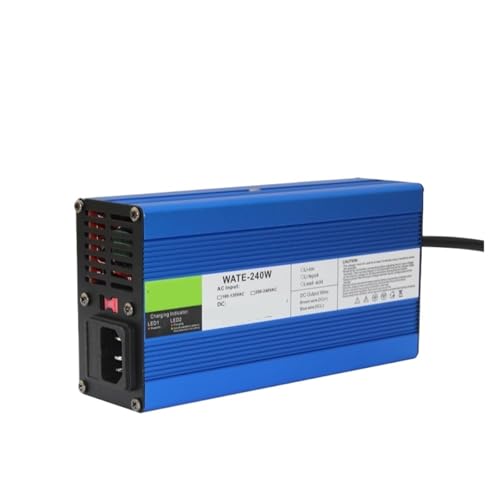
- ✓ Compact and lightweight
- ✓ Excellent heat dissipation
- ✓ Safe and reliable operation
- ✕ Slightly higher price
- ✕ Needs careful disconnecting
| Voltage | 16.8V |
| Current Output | 10A |
| Compatibility | Designed for 4S battery packs |
| Protection Features | Multiple safety protections (overcurrent, overvoltage, short circuit, temperature) |
| Cooling System | Hot airflow cooling for heat dissipation |
| Design Attributes | Small size, lightweight, high efficiency |
The first time I plugged in this aluminum lithium battery charger, I was impressed by how compact and lightweight it felt in my hand. It’s surprisingly small for a 10A charger, but don’t let that fool you—it’s built tough and feels solid, with a sleek, well-designed casing.
As I connected it to my 4S pack, I noticed how smoothly the charging process started. The charger emits a slight warmth, which I expected from the hot airflow cooling system, and it quickly dissipates heat.
It’s reassuring to see the well-thought-out safety protections kicking in, giving me peace of mind during longer charges.
One thing I appreciated is how easy it is to operate—just connect, charge, and disconnect in the right order. The instructions emphasize disconnecting the power first, which I followed, and the process felt secure and straightforward.
The charger’s efficiency really stood out; it charges quickly without overheating, and I didn’t have to worry about safety issues that sometimes come with high-current chargers.
Overall, I found this charger to be durable and reliable, ideal for electro etching manual tasks where you need a steady, safe, and efficient power source. Its well-balanced design makes it a pleasure to use, even during extended sessions.
If you’re tired of bulky, unreliable chargers, this one might just change your mind.
What Is the Best Battery Charger for Electro Etching?
The best battery charger for electro etching is a device specifically designed to provide a consistent and adjustable voltage and current, allowing for optimal performance in electro etching processes. Electro etching, also known as electrochemical etching, requires a power source that can deliver low voltage and controlled current for safe and effective metal etching.
According to the Electrochemical Society, controlling the voltage and current is crucial in electro etching to achieve precise and clean designs on the metal surface. A charger that allows for adjustment is vital as it ensures that the etching process is tailored to the specific requirements of the material being used.
Key aspects of the best battery charger for electro etching include adjustable output voltage (typically between 3 to 12 volts) and a reliable current rating (often around 1-5 amps). Chargers such as the Kastar Smart Battery Charger or the NOCO Genius G3500 are praised for their versatility and ability to maintain a steady current. Additionally, features like short-circuit protection and an automatic shut-off function enhance user safety and prevent damage to both the charger and the workpiece.
The impacts of using the appropriate battery charger for electro etching are significant. A suitable charger allows artists and manufacturers to create detailed designs with minimal effort and time while avoiding damage to the material. Poor voltage regulation or inadequate current can lead to uneven etching, resulting in subpar outcomes. In contrast, a well-chosen battery charger can enhance the quality of work, improve efficiency, and reduce waste during the etching process.
In practical applications, the right battery charger can support various electro etching projects, ranging from artistic endeavors to industrial applications, including marking and engraving metal components. The precision offered by controlled electro etching is particularly important in fields like jewelry making, automotive manufacturing, and custom metalwork.
Best practices for selecting a battery charger for electro etching involve assessing the specific requirements of the project, including the type of metal and intricacy of the design. Users should also consider chargers that offer adjustable settings to accommodate different materials and techniques. Additionally, investing in quality chargers with safety features can prevent accidents and extend the lifespan of both the charger and the electro etching setup.
What Features Should You Consider When Choosing a Battery Charger for Electro Etching?
Compatibility with Multiple Battery Types: If you use various batteries for different projects, a charger that can accommodate multiple battery chemistries can save you the hassle of owning several chargers. This versatility not only simplifies your setup but also adds convenience to your electro etching activities.
How Does Voltage Affect Electro Etching Results?
Voltage plays a crucial role in determining the effectiveness and quality of results in electro etching processes.
- Voltage Level: The voltage level impacts the rate of material removal during the etching process.
- Current Flow: Higher voltage typically results in increased current flow, which can enhance the etching speed.
- Surface Finishing: Different voltage settings can lead to variations in surface finish and detail in the etched design.
- Electrolyte Reaction: Voltage levels affect the chemical reactions occurring in the electrolyte solution used during electro etching.
- Battery Charger Specifications: The type of battery charger used can influence the voltage output and its stability during the etching process.
The voltage level directly influences the etching speed and depth; higher voltages can accelerate the etching process but may also risk damaging finer details of the design.
Higher voltage often leads to an increase in current flow, which can significantly enhance the rate at which material is removed from the workpiece, but it must be carefully controlled to avoid over-etching.
Different voltage settings can affect the surface quality of the etched area, with lower voltages generally providing a smoother finish and higher voltages potentially causing rougher textures.
The chemical reactions in the electrolyte are sensitive to voltage changes; proper voltage ensures that the electrolyte remains effective in facilitating the etching process without creating unwanted byproducts.
Using a battery charger with appropriate voltage specifications is vital since it ensures stable and consistent voltage output, which is critical for achieving uniform etching results throughout the process.
Why Is Adjustable Charging Speed Important for Electro Etching?
Furthermore, different materials require different charging speeds to achieve the desired electrochemical reactions. For instance, softer materials may etch effectively at lower currents, while harder materials might necessitate higher currents for efficient etching. This variability emphasizes the need for chargers that can accommodate a range of settings, allowing users to tailor their approach based on the specific demands of their electro etching projects (Lee et al., 2019).
What Are the Top Battery Charger Brands for Electro Etching?
The top battery charger brands for electro etching include:
- Schumacher: Schumacher is renowned for its durable and reliable battery chargers that offer a variety of features suitable for electro etching applications. Their chargers often include smart technology that prevents overcharging and ensures optimal performance, making them an excellent choice for hobbyists and professionals alike.
- NOCO: NOCO battery chargers are known for their compact size and versatility, which makes them ideal for electro etching tasks. They provide advanced charging technology that can safely charge various battery types while offering features like quick-connect clamps and built-in safety protections to prevent damage.
- Black+Decker: Black+Decker is a trusted name in power tools and accessories, and their battery chargers are no exception. With user-friendly designs and multiple charging modes, these chargers can efficiently support electro etching processes by ensuring that batteries are charged quickly and safely, providing reliable power for extended periods.
- Battery Tender: Battery Tender specializes in maintenance chargers that are perfect for keeping batteries topped off between uses. Their intelligent charging capabilities allow for automatic switching to a maintenance mode, ensuring that batteries remain healthy and fully charged, which is crucial for consistent electro etching performance.
- CTEK: CTEK offers premium battery chargers known for their high-quality construction and effectiveness in charging and maintaining batteries. Their smart chargers feature patented technology that optimizes the charging process, making them suitable for electro etching purposes where battery reliability and performance are essential.
How Do User Reviews Help In Choosing the Right Battery Charger?
User reviews play a crucial role in selecting the best battery charger for electro etching manuals by offering firsthand experiences and insights.
- Real-user Experiences: User reviews provide authentic feedback from individuals who have used the charger for electro etching. These experiences reveal how well the charger performs under various conditions, helping prospective buyers understand its reliability and effectiveness.
- Performance Insights: Reviews often include details about the charger’s performance, such as charging speed and efficiency. This information can help users identify which chargers are capable of delivering the consistent power required for electro etching tasks.
- Compatibility Information: Many reviews discuss the compatibility of the charger with different battery types, which is essential for electro etching. Users often specify which batteries worked well with the charger, helping others avoid potential mismatches.
- Durability and Build Quality: Feedback on the durability and build quality of a battery charger can inform buyers about its longevity. Reviews often highlight whether a charger can withstand the rigors of frequent use in electro etching projects.
- Customer Support and Warranty: Reviews frequently comment on customer service experiences and warranty offerings. Understanding how a company handles issues can be vital when selecting a charger that may need support or repairs in the future.
- Price vs. Value: Users often discuss whether they believe the charger offers good value for its price. This perspective helps potential buyers assess whether they are making a financially sound decision when choosing a charger for electro etching.
What Safety Guidelines Should You Follow When Electro Etching?
When electro etching, it’s crucial to follow specific safety guidelines to ensure both personal safety and proper handling of materials.
- Wear Protective Gear: Always wear safety goggles, gloves, and an apron to protect your skin and eyes from hazardous chemicals and electrical components.
- Work in a Well-Ventilated Area: Ensure your workspace is well-ventilated to avoid inhaling toxic fumes that may be released from the etching solution or during the etching process.
- Use Proper Equipment: Make sure to use equipment that is designed for electro etching, including a reliable battery charger that matches the voltage and current specifications needed for the process.
- Keep a First Aid Kit Handy: Always have a first aid kit accessible in case of accidental spills or injuries, so you can quickly address any issues that arise.
- Follow Electrical Safety Protocols: Avoid using wet hands when handling electrical equipment, and ensure all connections are secure to prevent electrical shocks or short circuits.
- Dispose of Chemicals Properly: After completing your etching, be sure to dispose of any used chemicals in accordance with local regulations to minimize environmental impact.
Wearing protective gear is essential to safeguard against potential spills and splashes from the etching solution, which can cause burns or irritation. Safety goggles protect your eyes from harmful chemicals, while gloves and aprons shield your skin from corrosive materials.
Working in a well-ventilated area is important because electro etching can produce harmful fumes that may lead to respiratory issues if inhaled. Proper ventilation helps to disperse these fumes, making the environment safer.
Using proper equipment ensures that the electro etching process is performed efficiently and safely. A suitable battery charger should provide the correct voltage and current, preventing equipment damage and enhancing the quality of the etching.
Having a first aid kit on hand allows for immediate response to any accidents, such as chemical spills or minor injuries. This preparedness can significantly reduce the severity of incidents that may occur during the etching process.
Following electrical safety protocols is crucial to avoid accidents related to electrical shocks or fires. Ensuring that equipment is dry and connections are secure minimizes the risk of dangerous electrical incidents.
Proper disposal of chemicals is vital to prevent environmental contamination. Following local guidelines for chemical disposal helps ensure that hazardous materials are handled responsibly and do not pose a risk to public health or safety.
How Can You Maintain Your Battery Charger for Optimal Performance in Electro Etching?
To maintain your battery charger for optimal performance in electro etching, consider the following key practices:
- Regular Cleaning: Keeping the charger clean is essential to prevent dust and debris from interfering with its functionality.
- Proper Storage: Store the charger in a cool, dry place away from direct sunlight to prevent damage from excessive heat or moisture.
- Inspect Cables and Connectors: Regularly check the cables and connectors for any signs of wear or damage, as these can affect charging efficiency.
- Monitor Charge Cycles: Avoid overcharging the battery by monitoring charge cycles and using the charger according to the manufacturer’s guidelines.
- Use Compatible Batteries: Always use batteries that are compatible with your charger to ensure safety and optimal performance.
Regular cleaning of the charger involves wiping down the exterior and ensuring that the ports are free from dust, which can help maintain good electrical contact and prevent overheating.
Proper storage of the charger is important to protect it from environmental factors. Extreme temperatures can degrade battery components, so a stable, moderate environment is ideal for preserving its life.
Inspecting cables and connectors helps identify any potential issues before they lead to larger problems. Frayed wires or loose connections can not only hinder performance but also pose safety hazards.
Monitoring charge cycles ensures that batteries are not left connected to the charger longer than necessary, which can lead to battery swelling or damage over time. Following the manufacturer’s specifications for charging times can greatly enhance battery longevity.
Using compatible batteries is crucial, as mismatched voltage or chemistry can damage both the battery and the charger. Always check the specifications to ensure they align for safe and effective charging.
Related Post: