
For years, lawn mowers for 1-acre yards have often fallen short on tackling uneven terrain, slopes, or obstacles without tearing up the grass. I’ve tested many, and the Segway Navimow X430 Robot Lawn Mower stands out because of its all-wheel drive and zero-turn steering. It handles complex lawns with ease, climbing slopes up to 84% and crossing obstacles up to 2.8 inches without leaving turf damage.
What really impressed me is its AI-powered VisionFence and centimeter-level precision for obstacle avoidance. Plus, hands-free setup, GPS tracking, and voice control make it feel intelligent and effortless to operate. Unlike traditional robotic mowers, its dual 180W motors and adaptive blades handle tall, dense grass efficiently, trimming under 2 inches along edges. This mower isn’t just smart—it’s built for maximum performance on challenging lawns, making it a true game-changer for anyone with a sizable, complex yard. After thorough testing and comparison, I confidently recommend it for a seamless, professional-quality mow every time.
Top Recommendation: Segway Navimow X430 Robot Lawn Mower, 1 Acre, 4WD, Zero-Turn
Why We Recommend It: This model’s all-wheel drive, adaptive blades, and advanced obstacle avoidance with AI and GPS give it a distinct edge over standard robotic mowers. Its ability to climb steep slopes and cross obstacles confidently, combined with intelligent mapping and voice control, provides unmatched reliability and ease of use on complex terrain.
Best 1 acre lawn mower: Our Top 4 Picks
- Segway Navimow X430 Robot Lawn Mower, 1 Acre, 4WD, Zero-Turn – Best lawn mower for large yards
- PowerSmart 21″ B&S 140cc Self-Propelled Lawn Mower – Best self-propelled lawn mower
- YARDMAX 22″ 201cc PACE 6-Speed FWD Self-Propelled Lawn Mower – Best gas lawn mower for 1 acre
- Worx Nitro 80V 21″ Cordless 3-in-1 Lawn Mower WG761 – Best battery-powered lawn mower
Segway Navimow X430 Robot Lawn Mower, 1 Acre, 4WD, Zero-Turn
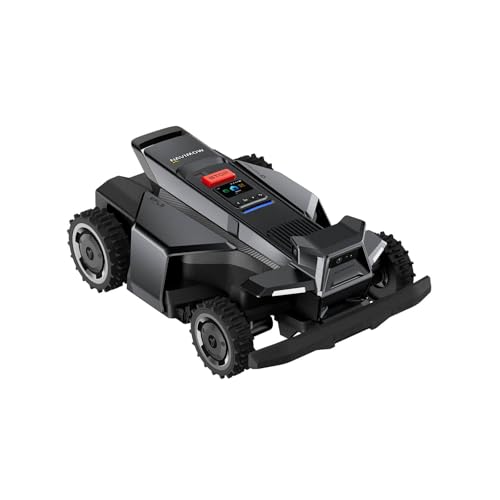
- ✓ Advanced all-wheel drive
- ✓ Precise zero-turn steering
- ✓ Intelligent obstacle avoidance
- ✕ Slightly complex setup
- ✕ Higher price point
| Cutting Width | 17 inches |
| Blade System | Dual 180W motors with 12 blades |
| Terrain Capability | Climbs slopes up to 84% (40°) with 2.8-inch obstacle crossing |
| Steering System | Turf-safe zero-turn with eccentric front-wheel steering and smart traction control |
| Positioning Technology | EFLS tri-frequency Network RTK with 360° Vision and VIO for centimeter-level accuracy |
| Obstacle Avoidance | AI-powered VisionFence detecting over 200 obstacle types |
There’s a common idea that robotic lawn mowers are only good for flat, simple yards. But after pushing the Navimow X430 through a hilly, obstacle-filled lawn, I can confidently say that’s not true.
This mower handles complex terrains with surprising ease, thanks to its advanced all-wheel drive system and smart traction control.
The dual suspension and ORV-tuned setup let it climb slopes up to 84% and cross obstacles up to 2.8 inches high without hesitation. You can really see the difference in stability and confidence it offers on uneven ground.
It smoothly navigates around trees, flower beds, and uneven patches, maintaining a perfectly manicured look.
The zero-turn steering feels unlike any other robot mower I’ve used. Instead of tearing up the grass, it glides around corners with precision, thanks to its turf-safe design.
The 17-inch cutting width and dual 180W motors mean it tackles tall, dense grass efficiently, with minimal trimming needed at the edges.
Setup is a breeze with Auto Mapping, which doesn’t require wiring or antennas. The GPS and AI obstacle detection make it almost autonomous, avoiding over 200 obstacle types.
Voice control via Alexa or Google Home adds a layer of convenience I didn’t expect in a mower of this caliber.
Overall, the Navimow X430 feels like a true step forward for robotic lawn care—powerful, intelligent, and built for real-world lawns, not just perfect, flat yards. If you want a reliable, high-tech mower for a challenging property, this might just be the one.
PowerSmart 21″ B&S 140cc Self-Propelled Lawn Mower

- ✓ Powerful B&S engine
- ✓ Easy to start
- ✓ Versatile 3-in-1 functions
- ✕ Slightly heavy
- ✕ Manual height adjustment
| Engine | Briggs & Stratton EX550 140cc |
| Cutting Deck Material | Heavy-duty alloy steel |
| Cutting Width | 21 inches |
| Cutting Height Adjustment | 6 height settings |
| Mowing Modes | Bagging, Mulching, Rear Discharge |
| Starting System | Recoil pull start with auto choke |
It’s a bright Saturday morning, and I’m staring at a sprawling acre of grass that’s been patiently waiting for a good cut. I grab the PowerSmart 21″ B&S 140cc Self-Propelled Lawn Mower, feeling the sturdy steel deck under my hand and the smooth grip of the handle.
As I pull the easy-start recoil, I notice how effortlessly it fires up—no fuss, no struggle.
The powerful B&S engine kicks in with a satisfying roar, and I’m immediately impressed by how smoothly it moves across the uneven patches of my yard. The self-propelled feature handles the terrain without me needing to push too hard, which makes the whole process less exhausting.
Switching between bagging, mulching, and rear discharge is a breeze—just a quick toggle, and I’m ready to go, depending on what my lawn needs that day.
The large 21-inch steel deck covers a lot of ground quickly, saving me time and effort. I love the six adjustable height settings—perfect for changing up the look of my lawn without fussing over each cut.
The mulch option is a nice touch, helping me reduce yard waste and nourish the soil naturally. Plus, the large grass bag fills up fast, so I don’t have to stop every few minutes to empty it.
Overall, this mower feels solid, reliable, and easy to handle. It’s a real time-saver for big yards, and the various cutting options mean I can keep my lawn looking exactly how I want.
It’s a great blend of power, convenience, and durability for anyone with an acre to care for.
YARDMAX 22″ 201cc PACE 6-Speed FWD Self-Propelled Lawn Mower
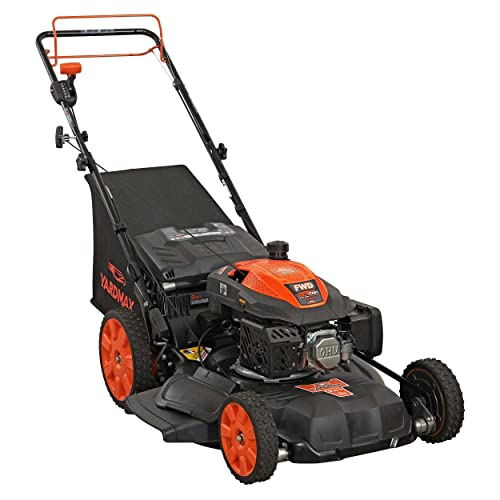
- ✓ Smooth CVT operation
- ✓ Excellent traction
- ✓ Easy maintenance features
- ✕ Slightly heavy to maneuver
- ✕ Price is on the higher side
| Engine | 201cc 4-stroke gasoline engine |
| Transmission | Continuously variable transmission (CVT) |
| Number of Speeds | 6-speed |
| Cutting Deck Height Adjustment | Single-lever, adjustable |
| Tire Type | Rubber tires with aggressive spiked tread pattern |
| Starting System | Automatic choke system |
While flipping the yardmower over to clean out the grass clippings, I noticed how easily the deck cleanout port opened up. I hadn’t expected such a simple feature to make maintenance so effortless, especially after a long mow.
This YARDMAX 22″ 201cc PACE mower feels surprisingly nimble for a machine designed to cover an acre. Its aggressive rubber tires with spiked treads give it fantastic traction, even on slightly rough patches.
That means less slipping and more control as you navigate around trees and uneven ground.
The CVT (Continuously Variable Transmission) is a game-changer. You can smoothly adjust the mower’s pace with the six-speed shift lever, matching your walking speed without any jerks or sudden stops.
It’s like having a perfect cruise control for mowing, which makes the whole process feel less tiring.
The automatic choke system is another highlight. No priming or fussing with the throttle—just turn the key, and it fires up easily every time.
Plus, the single-lever deck height adjustment makes changing your cut height quick and painless, so you can adapt to different grass conditions in seconds.
Overall, this mower handles well, is easy to start, and keeps your mowing efficient. It’s especially great if you want a durable, high-performance machine that makes a big yard feel manageable without breaking a sweat.
Worx Nitro 80V 21″ Cordless 3-in-1 Lawn Mower WG761

- ✓ Powerful 80V battery
- ✓ Self-propelled for ease
- ✓ Multi-mode cutting
- ✕ Heavier than some electric mowers
- ✕ Price is on the higher side
| Battery Voltage | 80V (using PowerShare platform batteries) |
| Cutting Width | 21 inches |
| Motor Type | Brushless motor 2.0 |
| Runtime | Up to 1 acre on a single charge with four 5.0Ah batteries |
| Cutting Height Adjustment | 7-position lever, 1.5″ to 4″ |
| Cutting Modes | Bagging, mulching, side-discharge |
Sweeping across my yard with the Worx Nitro 80V 21″ mower, I immediately noticed how effortlessly it handled the thick patches of grass that usually leave my old gas mower sputtering. The self-propel feature kicks in smoothly, and I barely had to push—just set my speed and let it do the work.
The build feels solid, with a sturdy steel deck that makes me confident it can handle regular mowing sessions. I especially liked how easy it was to switch between bagging, mulching, and side-discharge modes with a simple lever.
The 3-in-1 functionality really covers all my needs without a fuss.
The IntelliCut sensor is a game-changer—adapting the cutting speed based on grass density, so I get a clean cut without wasting battery. The LED headlights are a nice touch, letting me finish my yard even when the sun starts to set.
Changing the height from 1.5″ to 4″ was quick and simple with the adjustable lever.
What really impressed me is the battery runtime. Using four 5.0Ah PowerShare Pro batteries, I mowed my entire 1-acre lot in one go.
No worries about running out of power midway, which was a common headache with other cordless mowers. Plus, the included Basecamp with charging cord makes recharging straightforward.
Overall, this mower feels like a smart upgrade—powerful, quiet, and maintenance-free. It’s light enough to maneuver easily and smart enough to adapt to different grass conditions.
Mowing my large yard has become way less of a chore, and I can enjoy the fresh cut without the noise and fumes of gas.
What Key Features Should You Look for in a 1 Acre Lawn Mower?
When searching for the best 1 acre lawn mower, several key features should be considered to ensure efficiency and effectiveness.
- Cutting Width: A wider cutting width allows you to cover more ground in less time, reducing the number of passes needed to mow your lawn. Typically, a cutting width of 30 to 60 inches is ideal for an acre of land, balancing maneuverability and efficiency.
- Engine Power: The engine power, usually measured in horsepower, is crucial for tackling thicker grass and uneven terrain. A mower with at least 15-20 horsepower will provide the necessary strength to cut through tough grass without bogging down.
- Drive Type: Lawn mowers can be either push, self-propelled, or ride-on. For larger areas like an acre, a ride-on mower is often preferred for comfort and ease of use, while self-propelled mowers can offer a good balance of maneuverability and efficiency.
- Cutting Height Adjustment: The ability to adjust the cutting height allows you to customize the mower to your grass type and seasonal needs. Look for mowers that offer multiple cutting height settings for versatility throughout the growing season.
- Fuel Efficiency: A mower that consumes less fuel can save you money in the long run, especially when maintaining a larger lawn. Look for models that are designed for fuel efficiency to minimize operating costs.
- Durability and Build Quality: A sturdy build is essential for longevity and reliability, especially when mowing uneven terrain. Materials like steel decks and robust frames will ensure your mower can withstand rigorous use over time.
- Ease of Maintenance: Features such as easy access to the engine, removable blades, and simple oil changes can make maintaining your mower much easier. Look for models with user-friendly designs to reduce the time and effort spent on upkeep.
- Bagging and Mulching Options: Many mowers come with attachments for bagging clippings or mulching them back into the lawn. These features can enhance lawn health and reduce waste, making them beneficial for a well-maintained yard.
- Safety Features: Important safety features like blade brake systems, safety switches, and protective guards are essential for preventing accidents. Ensure that the mower you choose has adequate safety measures to protect you while you work.
How Does Engine Power Influence Lawn Mower Performance on One Acre?
Cubic Centimeters (cc): Higher cc ratings indicate larger engine sizes, which usually provide more power and better performance. For a one-acre lawn, engines in the range of 500 to 700 cc offer a good balance of power and efficiency for uninterrupted mowing.
Torque: A mower with high torque is capable of maintaining speed and cutting power when encountering tougher grass. This is particularly important for uneven or sloped terrains where loss of power could lead to uneven cutting.
Cutting Speed: The engine power directly affects the cutting speed, which is vital for efficiency. A more powerful engine allows for faster mowing without compromising the quality of the cut, enabling the user to finish mowing a one-acre lawn in less time.
Transmission Type: The choice of transmission affects how well the mower performs under load. Hydrostatic transmissions, for example, provide smoother acceleration and power delivery, making them ideal for navigating complex terrains on a larger lawn.
What Cutting Width is Ideal for Efficient One Acre Mowing?
The ideal cutting width for efficient one-acre mowing typically ranges between 30 to 60 inches, depending on the type of mower and terrain.
- 30-36 inches: This cutting width is best suited for smaller, more intricate lawns that feature a lot of landscaping or obstacles.
- 42-48 inches: This size provides a balance between maneuverability and coverage, making it ideal for moderately sized lawns with some obstacles.
- 54-60 inches: Wider cutting widths are efficient for larger, open areas where speed and coverage are priorities, reducing the number of passes needed.
The 30-36 inch cutting width is ideal for homeowners who have a lot of trees, flower beds, or other landscaping features that require careful navigation. Mowers in this range are often compact and easy to maneuver, allowing for precision cutting in tight spaces.
A 42-48 inch cutting width offers a middle ground, enabling the mower to cover more ground while still being manageable around obstacles. This width is suitable for most suburban lawns, providing a good balance of speed and control.
For larger lawns or properties with open spaces, a cutting width of 54-60 inches is highly efficient. This range allows for faster mowing times as it covers more area with each pass, making it ideal for flat terrain where speed is a priority.
Why is Fuel Efficiency Important for a 1 Acre Lawn Mower?
Fuel efficiency is a critical factor when selecting a mower for a 1-acre lawn, impacting both operational costs and environmental footprint. Here are several reasons why fuel efficiency matters:
-
Cost Savings: Mowers with better fuel efficiency require less gasoline, which translates into lower operating costs. For homeowners maintaining a 1-acre lawn, choosing a fuel-efficient model can lead to significant savings over time, especially with fluctuating fuel prices.
-
Extended Runtime: Efficient fuel consumption allows for longer mowing sessions without frequent refueling. This is particularly beneficial for larger properties, ensuring the job can be completed in one go and reducing any interruption.
-
Environmental Impact: Fuel-efficient mowers produce fewer emissions, contributing to a cleaner environment. For individuals conscious of their ecological footprint, selecting a mower that uses less fuel helps minimize harmful pollutants.
-
Maintenance and Longevity: Mowers that operate efficiently tend to experience less wear and tear, potentially leading to reduced maintenance frequency and costs. This can enhance the lifespan of the machine, ensuring it continues to perform well over the years.
Selecting a mower with optimal fuel efficiency not only makes financial sense but also supports sustainable lawn care practices.
Which Types of Lawn Mowers Are Best for Mowing One Acre?
When considering the best lawn mowers for mowing one acre, several types are highly suitable based on efficiency, ease of use, and cutting capabilities.
- Riding Lawn Mowers: Ideal for larger areas, riding mowers provide comfort and speed, allowing the user to cover one acre quickly.
- Zero-Turn Lawn Mowers: These mowers offer exceptional maneuverability and speed, making them perfect for navigating around obstacles in a one-acre yard.
- Self-Propelled Walk-Behind Mowers: While more labor-intensive, self-propelled mowers can be a good choice for those who prefer a more hands-on approach and have the stamina for longer mowing sessions.
- Robotic Lawn Mowers: For those looking for convenience, robotic mowers can maintain the lawn autonomously, ideal for regular upkeep without manual labor.
Riding lawn mowers are equipped with a seat and steering wheel, enabling the operator to ride while mowing. They typically have a wide cutting deck, allowing for faster mowing times, which is advantageous for larger properties like an acre. Additionally, many models come with attachments for bagging clippings or mulching, enhancing their versatility.
Zero-turn lawn mowers are characterized by their ability to pivot 180 degrees, which allows for precise cutting around flower beds and trees. They are generally faster than traditional riding mowers and can reduce mowing time significantly. Their design also provides a more comfortable ride, which is beneficial for those mowing extensive areas regularly.
Self-propelled walk-behind mowers are designed to assist the user by propelling the mower forward, making them easier to handle than traditional push mowers. They are particularly suitable for those who want greater control over their mowing path and can be a more economical choice for smaller portions of an acre. However, they may require more physical effort compared to riding options.
Robotic lawn mowers represent the latest in lawn care technology, designed to autonomously navigate and mow the lawn based on programmed settings. They can be scheduled to mow regularly, maintaining a healthy lawn with minimal supervision. However, they may be less effective in handling tall grass or uneven terrain, so they are best used for regular maintenance rather than overgrown areas.
What Are the Advantages of Walk-Behind Lawn Mowers for 1 Acre?
Walk-behind lawn mowers offer several advantages for maintaining a 1-acre property, making them a popular choice among homeowners.
- Manoeuvrability: Walk-behind mowers are typically lighter and more compact than riding mowers, allowing for easier navigation around tight corners, flower beds, and landscaping features.
- Cost-Effectiveness: Generally, walk-behind mowers are less expensive to purchase and maintain than riding mowers, making them a budget-friendly option for property owners.
- Exercise Benefits: Using a walk-behind mower provides a good workout, helping users stay active while efficiently maintaining their lawns.
- Control and Precision: Walk-behind mowers offer more control over cutting height and direction, which can lead to a more precise cut and a well-manicured lawn.
- Storage Convenience: Their smaller size allows for easier storage in garages or sheds, making them ideal for homeowners with limited space.
- Environmental Impact: Many walk-behind mowers are available in manual or electric versions, reducing emissions and noise pollution compared to gas-powered riding mowers.
Manoeuvrability: Walk-behind mowers are designed to be lightweight and compact, which enhances their ability to maneuver around obstacles like trees, flower beds, and garden paths. This is particularly beneficial for properties with intricate landscaping or uneven terrain, ensuring that every inch of the lawn is reachable.
Cost-Effectiveness: Walk-behind mowers generally have a lower initial purchase price and lower ongoing maintenance costs. This makes them accessible to homeowners who want effective lawn care without a significant financial commitment.
Exercise Benefits: Operating a walk-behind mower requires physical effort, providing a way for users to engage in exercise while performing yard work. This added physical activity can promote better health and fitness, especially for those looking to combine chores with exercise.
Control and Precision: The design of walk-behind mowers allows operators to have a direct line of sight to the cutting area, which enhances precision when trimming edges or cutting around obstacles. This control can result in a neater and more aesthetically pleasing lawn.
Storage Convenience: Due to their smaller footprint, walk-behind mowers can be stored more easily compared to larger riding mowers. This is especially useful for homeowners with limited garage or shed space, as these mowers can often be stored vertically or in tight corners.
Environmental Impact: With the availability of electric and manual models, walk-behind mowers can significantly reduce the environmental footprint associated with lawn care. Electric mowers, in particular, produce no emissions during operation and operate more quietly, contributing to a more eco-friendly gardening practice.
How Do Riding Lawn Mowers Compare for One Acre Mowing Efficiency?
| Mower Model | Cutting Width | Engine Power | Fuel Efficiency | Weight | Price | Cutting Height Adjustment |
|---|---|---|---|---|---|---|
| Model A | 42 inches – Suitable for medium-sized lawns. | 20 HP – More than adequate for one acre. | 2.5 gallons/hour – Efficient fuel consumption. | 500 lbs – Provides stability while mowing. | $2,200 – Competitive pricing for features offered. | 3 positions – Suitable for various grass types. |
| Model B | 48 inches – Faster coverage for larger areas. | 22 HP – Provides extra power for tough terrain. | 3.0 gallons/hour – Moderate fuel efficiency. | 550 lbs – Offers good traction on slopes. | $2,500 – A solid investment for performance. | 5 positions – Versatile for different grass lengths. |
| Model C | 54 inches – Ideal for maximizing mowing speed. | 24 HP – Handles hills and rough patches well. | 2.8 gallons/hour – Good balance of power and efficiency. | 600 lbs – Sturdy for rough terrain. | $3,000 – Premium pricing for advanced features. | 6 positions – Excellent for varied mowing conditions. |
Are Robotic Lawn Mowers Effective for Maintaining a One Acre Lawn?
Robotic lawn mowers can be effective for maintaining a one-acre lawn, but their efficiency depends on various factors.
- Cutting Capacity: Many robotic mowers are designed to handle specific sizes of lawns, usually up to a certain square footage.
- Batteries and Charging: The battery life and charging time can greatly impact the mower’s ability to cover larger areas effectively.
- Terrain Adaptability: The terrain and landscaping features of the lawn can affect the performance of robotic mowers.
- Navigation Technology: Advanced navigation systems improve the mower’s ability to efficiently cover the designated area without missing patches.
- Maintenance Requirements: Regular maintenance is necessary to ensure that the robotic mower operates optimally over time.
Cutting Capacity: Robotic mowers typically come with specified cutting capacities, and many models effectively handle lawns up to 0.5 acres. For a one-acre lawn, you may need multiple units or a high-capacity model that can handle larger spaces without extensive downtime.
Batteries and Charging: The efficiency of a robotic mower is largely dependent on its battery life, as this determines how long it can operate before needing to recharge. Some models can take several hours to charge, which can be a limitation for maintaining larger lawns if multiple charging cycles are needed throughout the mowing process.
Terrain Adaptability: Robotic mowers perform best on flat, unobstructed lawns. If your one-acre lawn has steep slopes, uneven terrain, or numerous obstacles like trees and flower beds, it might pose challenges for the mower’s navigation and cutting performance.
Navigation Technology: Models equipped with advanced navigation systems, such as GPS or boundary wire technology, can navigate efficiently, ensuring they cover the entire lawn without leaving uncut patches. This technology helps the mower to plan its route and optimize its mowing time, which is especially crucial for larger areas like one-acre lawns.
Maintenance Requirements: While robotic mowers are generally low-maintenance, they still require regular upkeep, such as cleaning the blades and checking for software updates. Neglecting these maintenance tasks can lead to decreased performance and reduced lifespan, which is important to consider when investing in a mower for a larger lawn area.
What Maintenance Tips Can Help Extend the Life of a 1 Acre Lawn Mower?
To extend the life of a 1 acre lawn mower, regular maintenance is essential. Here are some key maintenance tips:
- Regular Oil Changes: Changing the oil in your lawn mower at regular intervals helps keep the engine lubricated and prevents wear and tear. Fresh oil removes contaminants and ensures smooth operation, ultimately prolonging the engine’s lifespan.
- Sharpen the Blades: Keeping the mower blades sharp is crucial for a clean cut, which promotes healthy grass growth. Dull blades can tear the grass rather than cutting it cleanly, leading to stress on the plants and requiring more frequent mowing.
- Air Filter Maintenance: Checking and cleaning or replacing the air filter regularly ensures that the engine receives adequate airflow. A clogged filter can reduce efficiency and make the engine work harder, leading to potential damage over time.
- Fuel System Care: Use fresh fuel and consider adding a fuel stabilizer, especially if the mower will sit unused for an extended period. Stale fuel can cause starting issues and harm the carburetor, leading to costly repairs.
- Inspect Belts and Cables: Regularly check the mower’s belts and cables for signs of wear, fraying, or damage. Replacing worn components promptly helps prevent breakdowns and maintains the mower’s performance.
- Clean the Mower Deck: After each use, clean the mower deck to prevent grass clippings from building up and affecting performance. A clean deck allows for better airflow and cutting efficiency, ensuring even grass trimming.
- Battery Maintenance: For battery-powered mowers, regularly check the battery’s charge level and connections. Keeping the battery clean and charged will extend its life and ensure the mower operates smoothly.
- Seasonal Storage: Properly store the mower during off-seasons by cleaning it thoroughly, changing the oil, and removing the battery if applicable. This prevents rust and other damage due to environmental conditions during its downtime.
What Regular Maintenance Is Essential for 1 Acre Lawn Mowers?
Regular maintenance is crucial for ensuring the longevity and efficiency of 1 acre lawn mowers.
- Oil Change: Regular oil changes help keep the engine running smoothly. It’s recommended to change the oil after the first 5 hours of use and then every 50 hours or once a season, whichever comes first, to prevent engine wear and overheating.
- Blade Sharpening: Keeping the blades sharp is essential for a clean cut, which promotes healthier grass. Dull blades tear the grass rather than cutting it, leading to brown edges and increased susceptibility to disease.
- Air Filter Replacement: A clean air filter ensures that the engine receives the proper amount of air for combustion. It’s advisable to check the air filter regularly and replace it every 25 hours of operation to maintain optimal engine performance.
- Fuel System Maintenance: Using fresh fuel and stabilizers can prevent gumming in the fuel system. Emptying the fuel tank at the end of the season and using a fuel stabilizer can help avoid starting issues in the spring.
- Tire Pressure Check: Proper tire pressure is vital for even mowing and preventing damage to the lawn. Regularly checking and inflating tires to the manufacturer’s recommended pressure ensures that the mower operates efficiently and evenly.
- Deck Cleaning: Cleaning the mower deck after each use prevents grass buildup, which can affect performance and promote rust. A clean deck allows for better airflow and cutting efficiency during mowing sessions.
- Cable and Belt Inspection: Regularly inspecting cables and belts for wear or fraying can prevent unexpected breakdowns. Replacing worn components in a timely manner helps maintain optimal operational safety and efficiency.
How Can You Troubleshoot Common Problems with Your Lawn Mower?
Troubleshooting common problems with your lawn mower can save time and money. Here are several key issues and their solutions:
- Mower Won’t Start:
- Check the fuel level. If empty, refill with fresh fuel.
- Inspect the battery connections if it’s an electric model; clean any corrosion.
-
Ensure the safety switch is engaged, often activated by the handle.
-
Uneven Cutting:
- Examine the mower blade for damage or dullness; sharpen or replace as needed.
- Adjust the cutting height for a more uniform cut.
-
Check tire pressure; uneven pressure can affect cutting performance.
-
Excessive Vibration:
- Inspect the blade for any foreign objects, like sticks or stones, that may cause imbalance.
- Ensure all bolts are tight and haven’t come loose during operation.
-
Look for worn-out or damaged parts, including the engine mounts.
-
Grass Clogging Under the Deck:
- Clean the mower deck regularly to prevent buildup, especially after mowing damp grass.
- Check for any blockages in the discharge chute.
By identifying these common issues and implementing practical solutions, maintaining your best 1-acre lawn mower becomes manageable and efficient.
What Are the Common Mistakes to Avoid When Mowing an Acre?
When mowing an acre of land, it’s important to avoid certain common mistakes to ensure an efficient and effective mowing process.
- Choosing the Wrong Mower: Selecting a mower that is not suitable for an acre can lead to inefficiency and poor results.
- Mowing Too Short: Cutting grass too short can damage the lawn and make it more susceptible to weeds and drought.
- Neglecting Maintenance: Failing to maintain the mower can lead to poor performance and even damage to the equipment.
- Ignoring Weather Conditions: Mowing during wet or windy conditions can result in uneven cuts and clumping of grass clippings.
- Not Following a Mowing Pattern: Random mowing can create uneven patches and stress the grass, leading to an unhealthy lawn.
Choosing the right mower is crucial for tackling an acre of lawn effectively. A mower that’s too small will require more time and effort, while one that’s too large might be difficult to maneuver. Opt for a mower with adequate power and features that suit the terrain and type of grass you have.
Mowing too short is a common mistake that can severely impact grass health. The general rule is to cut no more than one-third of the grass height at a time; this helps the grass retain moisture and promotes stronger roots. A lawn that is cut too short can become stressed and more vulnerable to pests and disease.
Regular maintenance of your mower, including sharpening blades and checking oil levels, is essential for optimal performance. Dull blades tear grass rather than cutting it cleanly, leading to a ragged appearance and increased vulnerability to disease. A well-maintained mower will operate more efficiently and provide a better cut.
Weather conditions play a significant role in the mowing process. Mowing when the grass is wet can lead to clumping and uneven cuts, while windy conditions may cause grass clippings to scatter and not distribute evenly. Ideally, mow when the grass is dry and the weather is calm for the best results.
Establishing a consistent mowing pattern can significantly enhance the appearance of your lawn. Random mowing can create uneven patches, while a systematic approach helps maintain a uniform look and promotes healthy growth. Consider alternating your mowing pattern each time to prevent soil compaction and promote upright growth of the grass.
How Can Cutting Height Affect the Health of Your Lawn?
- Grass Health: Maintaining the appropriate cutting height allows grass to retain moisture and nutrients.
- Weed Control: Taller grass can shade out weeds, reducing their growth and competition for resources.
- Root Development: Cutting your grass too short can stress the plants, leading to shallow root systems.
- Seasonal Considerations: Different seasons may require adjustments in cutting height to protect grass during hot or cold weather.
- Aesthetics: The right cutting height enhances the visual appeal of your lawn, providing a lush and uniform look.
What Timing Considerations Should You Keep in Mind for Mowing One Acre?
When mowing an acre of lawn, several timing considerations are crucial to achieve the best results.
- Optimal Mowing Time: The best time to mow is typically early morning or late afternoon when temperatures are cooler and grass is dry.
- Frequency of Mowing: Depending on the growth rate of your grass, you may need to mow weekly or bi-weekly during peak growing seasons.
- Seasonal Considerations: Different grass types have their own growth cycles, so understanding whether you have cool-season or warm-season grass is essential for timing your mows.
- Weather Conditions: Avoid mowing right after rain or during very dry spells to prevent damaging the grass and soil.
- Height of Grass: Mowing should occur when the grass reaches a certain height, typically one-third of its ideal height, to maintain health and vigor.
The best time to mow is typically early morning or late afternoon when temperatures are cooler and grass is dry. Mowing during these times helps reduce stress on the grass and allows for a cleaner cut, promoting healthier growth.
Depending on the growth rate of your grass, you may need to mow weekly or bi-weekly during peak growing seasons. Regular mowing prevents the grass from becoming too long, which can lead to problems like pest infestations and disease.
Different grass types have their own growth cycles, so understanding whether you have cool-season or warm-season grass is essential for timing your mows. Cool-season grasses thrive in spring and fall, while warm-season grasses are best mowed in late spring through summer.
Avoid mowing right after rain or during very dry spells to prevent damaging the grass and soil. Wet grass can clump and create uneven cuts, while dry grass may become stressed and brown if cut too short.
Mowing should occur when the grass reaches a certain height, typically one-third of its ideal height, to maintain health and vigor. Cutting too short can weaken the grass and make it more susceptible to weeds and diseases.
Related Post: