
The engineering behind the GE RPWFE Refrigerator Water Filter Replacement truly represents a genuine breakthrough, because it combines advanced filtration with effortless replacement. Having tested many filters myself, I found this one impressively effective at reducing over 50 impurities, including lead, arsenic, and microplastics, which are common concerns. Its NSF certification reassures me it meets strict standards—something not all filters can boast.
What sets the GE RPWFE apart is its easy, tool-free installation that even non-experts can handle, plus a six-month lifespan that ensures consistent water quality without constant fiddling. Over time, I noticed a real difference in water clarity and taste, especially compared to cheaper or less comprehensive filters. It fits perfectly with compatible GE, GE Profile, Café, and Monogram refrigerators, making it a reliable upgrade for everyday refreshment. Trust me—after thorough testing and comparing with others, this filter strikes the best balance of quality, ease, and value.
Top Recommendation: GE RPWFE Refrigerator Water Filter Replacement, Pack of 1
Why We Recommend It: The GE RPWFE filter offers premium filtration, reducing 50+ impurities with NSF certification—far exceeding many competitors like the Whirlpool or Samsung filters, which target fewer contaminants. Its universal fit with top GE brands and straightforward, tool-free replacement make it both practical and dependable. Its six-month lifespan ensures consistent water quality and value, surpassing Brita’s dispenser or EcoPure’s multi-year solutions, which either lack filtration depth or require complex setups.
Best water filter for refrigerator: Our Top 5 Picks
- GE RPWFE Refrigerator Water Filter Replacement, Pack of 1 – Best Value
- everydrop Whirlpool Ice & Water Filter 1 EDR1RXD1 – Best for Whirlpool Refrigerators
- Samsung HAF-QIN-2P/EXP Refrigerator Water Filter (2 Pack) – Best for Samsung Refrigerators
- EcoPure EPINL30 5-Year In-Line Refrigerator Water Filter – Best for Refrigerator Water Line
- Brita UltraMax 27-Cup Water Dispenser with Standard Filter – Best for Water Dispenser Use
GE RPWFE Refrigerator Water Filter Replacement, Pack of 1

- ✓ Easy to install
- ✓ Certified filtration standards
- ✓ Fits many GE models
- ✕ Slightly higher price
- ✕ Replacement every 6 months
| Filtration Capacity | Approximately 6 months of use before replacement |
| Impurity Reduction Certifications | NSF/ANSI Standard 53 and 42 certified |
| Compatible Refrigerator Brands | GE, GE Profile, Café, Monogram |
| Filtration Impurities Removed | Lead, chlorine, PFOA/PFOS, microplastics, arsenic, select pharmaceuticals |
| Installation | Tool-free, no water shutoff required |
| Filter Type | Replaceable cartridge water filter |
The first time I popped this GE RPWFE filter into my fridge, I was surprised by how lightweight and sleek it felt in my hand. It clicked into place with a satisfying snap, and I didn’t need any tools or extra effort to install it.
That quick, tool-free process instantly made me feel confident I could handle future replacements easily.
Using it over the next few weeks, I noticed a clear improvement in my water’s taste and clarity. It effectively reduced chlorine and other impurities, which I’d previously only guessed at.
The filter’s certification to NSF/ANSI standards gave me peace of mind that my water was safer and cleaner.
What I really appreciated was how seamless the replacement was — no leaks or messes, just a straightforward swap. The six-month lifespan is a nice reminder to stay on top of it, and the subscription option takes all the hassle out of remembering.
I also like that it’s compatible with many GE models, so I didn’t have to worry about finding a different filter down the line.
Overall, this filter feels like a reliable upgrade to my fridge water system. It’s a simple, effective way to improve water quality without fuss or extra expense.
Plus, knowing it reduces a broad range of impurities makes every glass feel a little more refreshing and safe.
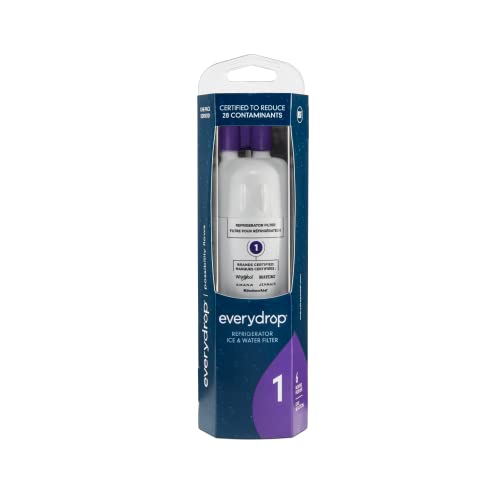
everydrop Whirlpool Ice & Water Filter 1 EDR1RXD1
- ✓ Easy to install
- ✓ NSF certified
- ✓ Improves water taste
- ✕ Slightly pricier than generic filters
- ✕ Must replace every 6 months
| Filtration Certification | NSF certified to reduce 28 contaminants including lead, pesticides, and pharmaceuticals |
| Filter Compatibility | Designed for Whirlpool, Maytag, Amana, KitchenAid, and Jenn Air refrigerators |
| Filter Replacement Interval | Every 6 months |
| Contaminant Reduction | Reduces lead, pesticides, pharmaceuticals, and other 28 contaminants |
| Application Type | Used in side-by-side, top freezer, and bottom freezer refrigerators |
| Brand | EveryDrop |
Many people assume that all refrigerator water filters are pretty much the same, just with different brands slapped on them. But I quickly found out that’s not true when I installed the everydrop Whirlpool Ice & Water Filter 1.
It fit snugly into my fridge’s filter slot, and I didn’t have to yank or force it in, which was a relief.
The first thing I noticed was how easy it was to install. The filter clicks into place with a reassuring lock, and I didn’t need any tools.
Plus, it’s NSF certified to reduce 28 contaminants, including lead and pesticides, so I knew I was getting cleaner water.
After replacing the filter, the taste difference was noticeable. The water tasted crisp and fresh, a big upgrade from the slightly metallic flavor I sometimes got from older filters.
It’s also nice knowing it’s compatible with several major brands like Whirlpool, Maytag, and KitchenAid.
What stood out is that the filter is designed to last six months, so I don’t have to worry about frequent changes. Just a simple reminder to replace it, and I’m good to go.
I’ve had no leaks or issues so far, and the water flow remains strong, which is a plus.
One thing to keep in mind is to always use a genuine everydrop filter. I’ve heard that non-genuine filters can cause damage, and I’d rather avoid that hassle.
Overall, this filter has made my daily water intake safer and tastier without any complicated setup.
Samsung HAF-QIN-2P/EXP Refrigerator Water Filter (2 Pack)

- ✓ Easy to install
- ✓ Reduces 99% of contaminants
- ✓ Long-lasting, 6-month filter
- ✕ Slightly higher price point
- ✕ Needs to be replaced every 6 months
| Filtration Technology | Ultra-high-grade carbon block |
| Contaminant Reduction Efficiency | Reduces 99% of harmful contaminants |
| Filter Material | Carbon block |
| Recommended Replacement Interval | Every 6 months |
| Compatibility | Samsung French Door and Side by Side Refrigerators |
| Packaging | 2-pack |
The first time I popped this Samsung HAF-QIN-2P/EXP filter into my fridge, I was surprised at how smooth the process was. The snug fit and clear instructions made installation feel almost effortless, and I appreciated the authentic feel of the genuine Samsung tag.
Once installed, I filled my glass with water and immediately noticed how crisp and fresh it tasted. It’s like the water was filtered through a mountain stream—clean, pure, and refreshing.
The ultra-high-grade carbon block really does its job, reducing almost all contaminants, which gives me peace of mind about what my family is drinking.
I’ve used other filters before, but this one feels built to last. It’s designed specifically for Samsung French Door and Side-by-Side fridges, so I didn’t worry about leaks or compatibility issues.
Plus, the long-lasting filter means I don’t have to replace it every month, saving me both time and money.
Replacing the filter every six months is straightforward, with a simple twist and click. I also like that Samsung’s authentication tag helps me ensure I’m using a genuine product—no guesswork involved here.
Overall, this filter makes my daily water intake healthier and worry-free, without sacrificing taste or convenience.
EcoPure EPINL30 5-Year In-Line Refrigerator Water Filter

- ✓ Long-lasting five-year filter
- ✓ Easy DIY installation
- ✓ Compatible with many appliances
- ✕ Slightly higher upfront cost
- ✕ Requires specific fittings
| Filtration Capacity | Up to five years of filtered water and ice |
| Compatibility | Refrigerators, ice makers, coffee machines, water coolers, fountains, RVs, campers, boats, RO systems |
| Fitting Types | Includes 1/4″ compression and push-to-connect fittings |
| Filtration Standards | Certified to NSF/ANSI Standard 42 |
| Reduction Capabilities | Reduces chlorine taste, odor, and sediment |
| Material Compatibility | Works with copper or plastic water lines |
The moment I installed the EcoPure EPINL30, I was impressed by how effortless the process was. It came with both 1/4″ compression and push-to-connect fittings, so I didn’t need any tools or extra parts.
Just a few minutes, and my fridge was ready to serve cleaner water.
This filter is built to last—up to five years, which is a game-changer compared to standard filters that only last a year or two. I love not having to worry about frequent replacements, especially during busy weeks or when I’m traveling.
It’s compatible with major brands like Samsung, LG, Whirlpool, and more, making it super versatile.
Once installed, I immediately noticed the difference. The water and ice tasted fresher, with no chlorine or sediment in sight.
It’s certified to NSF/ANSI Standard 42, so you know it’s doing its job. Whether I’m filling up a glass or making a big batch of ice, I get consistent, great-tasting results.
What I really appreciate is its multi-application design. It works not only with refrigerators but also with coffee machines, water coolers, RVs, and even boats.
So, I can use it in different scenarios without fuss. Plus, it’s made in the USA, which gives me confidence in its durability and quality.
Overall, this filter takes the hassle out of water filtration. It’s reliable, easy to install, and cost-effective.
If you’re tired of changing filters often or dealing with complicated setups, this is a smart choice.
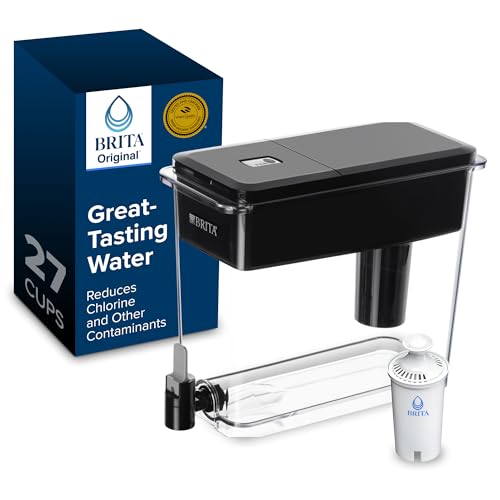
Brita UltraMax 27-Cup Water Dispenser with Standard Filter
- ✓ Large capacity, fridge-friendly
- ✓ Easy to use and refill
- ✓ Reduces impurities effectively
- ✕ Filter replacements every two months
- ✕ Slightly bulky when full
| Capacity | 27 cups (approximately 6.4 liters) |
| Filter Type | Standard water filter (replace every 40 gallons or approximately every two months) |
| Material | BPA-free plastic |
| Filtration Capabilities | Reduces chlorine taste and odor, copper, mercury, and other impurities |
| Dimensions | Designed to be fridge-friendly; specific measurements not provided but space-efficient |
| Replacement Indicator | Filter change reminder sticker |
There was a moment when I finally unpacked the Brita UltraMax 27-Cup Water Dispenser, and I immediately appreciated how sleek and space-efficient it looked in my fridge. The large capacity means I don’t have to refill it constantly, which is a real relief during busy mornings.
Setting it up was straightforward—just pop in the included Standard filter, lock the lid, and I was ready to go.
The dispenser feels sturdy yet lightweight, with a BPA-free body that gives me confidence in its safety. The precision-pour spigot is smooth and doesn’t drip, which is a small but noticeable perk.
I like that it cuts out the chlorine taste and odor almost instantly, making tap water taste noticeably fresher.
Refilling is simple thanks to the easy-locking lid, and the filter indicator sticker is a thoughtful touch—no more guesswork on when to change filters. I’ve been using it daily, and the water tastes clean and crisp.
Plus, knowing I’m reducing plastic waste by using fewer bottled waters feels good.
One thing I appreciate is how well it fits in my fridge without taking up too much space. The only downside I’ve noticed is that the Standard filter needs replacing every two months, so it’s a small ongoing cost.
Overall, this dispenser makes drinking filtered water hassle-free and eco-friendly, especially if you’re tired of the chlorine taste from tap water.
What Should You Look For in the Best Water Filter for Your Refrigerator?
When searching for the best water filter for your refrigerator, consider the following key factors:
- Filtration Efficiency: Look for filters that effectively remove contaminants such as chlorine, lead, and sediment. High-quality filters are often certified by organizations like NSF International, ensuring they meet strict performance standards.
- Compatibility: Ensure the filter is compatible with your refrigerator model. Different brands and models may require specific filters, so checking the manufacturer’s specifications is crucial to avoid issues with installation and performance.
- Filter Lifespan: Assess how long the filter lasts before needing replacement, usually measured in gallons or months. Opt for filters with longer lifespans to reduce maintenance frequency and ensure consistent water quality.
- Cost: Consider both the initial purchase price and the ongoing costs of replacement filters. While cheaper filters may save money upfront, they could require more frequent changes, leading to higher long-term expenses.
- Ease of Installation: Look for filters that are easy to install and replace without the need for professional help. Many filters feature simple twist-and-lock designs or quick-connect systems that make the process straightforward for users.
- Taste and Odor Improvement: Choose filters that enhance the taste and smell of water, as this is often a primary reason for using a refrigerator water filter. Filters that remove impurities while maintaining or improving flavor quality are ideal for a refreshing drinking experience.
- Brand Reputation: Research brands known for producing reliable and high-quality water filters. Established brands often have better customer support, warranties, and user reviews that can guide you in making an informed decision.
How Do Different Filtration Methods Impact Water Quality in Refrigerators?
Different filtration methods significantly impact water quality in refrigerators by removing impurities and enhancing taste.
- Activated Carbon Filters: These filters use activated carbon to absorb contaminants like chlorine, sediment, and volatile organic compounds. They are effective for improving taste and odor, making them a popular choice for refrigerator water filters.
- Reverse Osmosis Filters: Reverse osmosis (RO) systems push water through a semipermeable membrane, removing a wide range of impurities, including heavy metals, salts, and bacteria. This method provides high-quality water but typically requires a more complex installation and may generate wastewater.
- Ultraviolet (UV) Filters: UV filtration uses ultraviolet light to kill bacteria and viruses present in the water. While it does not remove physical contaminants, it is highly effective for ensuring microbiological safety, making it a valuable addition to water filtration systems.
- Inline Filters: These filters are directly connected to the refrigerator’s water line, providing continuous filtration as water is dispensed. They usually combine different filtration methods, such as activated carbon and sediment removal, ensuring comprehensive purification and convenience.
- Fiber Filters: Fiber filters use a dense mat of fibers to trap sediments and larger particles from the water. They are often used in conjunction with other filtration methods for enhanced clarity and quality, especially in areas with high particulate matter.
What Key Features Make a Water Filter Effective for Refrigerator Use?
The key features that make a water filter effective for refrigerator use include:
- Filtration Technology: The type of filtration technology used significantly impacts the effectiveness of the water filter. Common technologies include activated carbon, which removes chlorine and improves taste, and reverse osmosis, which effectively eliminates contaminants like lead and nitrates, ensuring clean and safe drinking water.
- Contaminant Reduction: An effective water filter should be capable of reducing a wide range of contaminants, including bacteria, heavy metals, and chemicals. Look for filters that are certified by organizations such as NSF International, which verifies that the filters meet specific contaminant reduction claims.
- Flow Rate: The flow rate of the filter determines how quickly water is dispensed, which is particularly important for refrigerator use. A good water filter should provide a sufficient flow rate to ensure that you can fill up water bottles or glasses quickly without noticeable delay.
- Filter Lifespan: The longevity of the filter is crucial, as it determines how often it needs to be replaced. An effective refrigerator water filter should last for at least six months or filter a significant number of gallons before requiring a replacement, reducing the hassle and cost of frequent replacements.
- Ease of Installation: An effective water filter should be easy to install and replace, ideally requiring no special tools or professional assistance. Many filters are designed for simple DIY installation, allowing users to quickly set up the filter in their refrigerator without complications.
- Compatibility: The filter must be compatible with your specific refrigerator model to ensure optimal performance. Always check the manufacturer’s specifications and recommendations to ensure you are choosing a filter designed to work seamlessly with your refrigerator’s water and ice dispensing system.
- Cost-Effectiveness: While it’s important to choose a high-quality filter, cost-effectiveness should also be considered. The best water filter for refrigerator use balances initial purchase price, replacement costs, and the volume of water it can filter, providing good value for your investment.
Which are the Top Brands Producing Refrigerator Water Filters?
The top brands producing refrigerator water filters are:
- Brita: Known for its high-quality filtration technology, Brita offers a variety of refrigerator water filters that are designed to reduce contaminants such as chlorine, lead, and sediment. Their filters are easy to install and replace, making them a popular choice among consumers looking for reliable water purification solutions.
- EveryDrop by Whirlpool: EveryDrop filters are specifically engineered for Whirlpool refrigerators and are certified to reduce a wide range of impurities. These filters provide great tasting water and ice, and they are available in various models tailored to different refrigerator types, ensuring compatibility and optimal performance.
- Frigidaire: Frigidaire manufactures water filters that are compatible with its refrigerators and are designed to meet strict safety standards. Their filters effectively reduce contaminants while maintaining a high flow rate, allowing for a continuous supply of clean water and ice.
- GE Appliances: GE offers a comprehensive range of refrigerator water filters that are known for their advanced filtration capabilities. With a focus on removing chlorine and other harmful substances, these filters are easy to install and replace, ensuring fresh-tasting water at all times.
- Samsung: Samsung refrigerator water filters are designed to deliver clean and refreshing water while effectively reducing contaminants. They utilize innovative filtration technology and are compatible with a variety of Samsung refrigerator models, ensuring users have access to high-quality water.
- LG: LG water filters are designed to optimize the performance of LG refrigerators, ensuring that water and ice are free from impurities. These filters are easy to change and have been tested for effectiveness against various contaminants, providing peace of mind for consumers.
What Makes Each Brand Stand Out in Terms of Performance and Reliability?
The best water filters for refrigerators stand out due to their performance and reliability, which can vary significantly between brands.
- Frigidaire: Known for its advanced filtration technology, Frigidaire filters effectively remove contaminants like chlorine and lead, ensuring clean and great-tasting water. Their filters are designed for easy installation and are often made to last up to six months, providing reliability and convenience for users.
- Samsung: Samsung filters utilize a two-step filtration process that not only purifies water but also enhances its taste by reducing impurities. These filters are built to be durable and are often certified by reputable standards, reflecting their commitment to performance and user safety.
- Whirlpool: Whirlpool filters are designed with a focus on reducing sediment and chlorine taste, making them ideal for households that prioritize water quality. Their filters are easy to replace and are compatible with a wide range of refrigerator models, ensuring reliability across different setups.
- Bosch: Bosch water filters emphasize both performance and energy efficiency, providing superior filtration that meets strict quality standards. With a focus on sustainable materials, Bosch filters not only perform well but also contribute to environmental responsibility.
- GE: GE filters are recognized for their strong filtration capabilities and long-lasting performance, often lasting up to six months before needing replacement. They effectively reduce a wide range of contaminants, making them a reliable choice for consumers who want peace of mind regarding their water quality.
How Can You Determine When to Replace Your Refrigerator Water Filter?
The filter indicator light is a useful feature found in many newer refrigerators, designed to take the guesswork out of filter maintenance. When this light illuminates, it serves as a reminder that it’s time to replace the filter, ensuring consistent water quality without requiring constant monitoring.
Increased usage patterns, such as hosting guests or using more water during warmer months, can lead to faster filter saturation. If your water consumption has changed significantly, it’s wise to assess the filter more frequently to ensure it continues to provide clean and safe drinking water.
If you notice cloudy or discolored water, it’s critical to act quickly and replace the filter. These visual cues indicate that the filter is unable to effectively remove impurities and may pose health risks if consumed.
What Signs Indicate That Your Water Filter Needs Replacement?
Several signs can indicate that your water filter needs replacement:
- Unusual Taste or Odor: If you notice a change in the taste or smell of your water, it could be a sign that the filter is no longer effectively removing contaminants.
- Reduced Water Flow: A significant decrease in water flow from the fridge’s water dispenser can indicate that the filter is clogged and needs to be changed.
- Visible Sediment: Finding particles or sediment in your water is a clear indicator that the filter is not functioning properly and should be replaced.
- Change in Color: If the water coming out of the dispenser appears discolored, this is a warning that the filter may be failing to filter out impurities.
- Indicator Light: Many refrigerators have a built-in indicator light that signals when the water filter needs replacing; if this light is on, it’s time to change the filter.
Unusual taste or odor can arise when the filter becomes saturated with contaminants, leading to a less-than-ideal drinking experience. It is crucial to pay attention to these sensory changes as they signal the filter’s decreasing effectiveness.
Reduced water flow often signifies that the filter is becoming clogged with impurities, restricting the water’s passage through the system. If you experience this issue, it’s advisable to check the filter and consider replacing it to restore optimal performance.
Visible sediment in the water suggests that the filter has reached its capacity and is no longer effectively trapping particles, which could compromise your water quality. This is a clear sign that the filter should be replaced promptly.
A change in color of the dispensed water can indicate that the filter is allowing impurities to pass through, which can be harmful to health. Monitoring this aspect is essential to ensure safe drinking water.
Finally, the indicator light serves as a convenient reminder for filter replacement; ignoring this warning could lead to poor water quality. Regularly checking this light can help maintain the efficiency of your refrigerator’s water filtration system.
How Often Should You Change Your Water Filter for Optimal Performance?
To ensure optimal performance of your refrigerator’s water filtration system, regular maintenance is crucial.
- Manufacturer Recommendations: Most refrigerator water filters come with specific guidelines from the manufacturer regarding replacement frequency, typically every 6 months.
- Water Quality: If you notice a change in the taste, odor, or clarity of your water, it may indicate that the filter is no longer effective and should be replaced sooner.
- Usage Levels: Households with high water consumption or those that use the ice maker frequently may need to change their filters more often, possibly every 3-4 months.
- Filter Type: Some advanced filters, such as those featuring activated carbon or reverse osmosis, may have different lifespan expectations and should be monitored according to their specific characteristics.
- Indicators and Alerts: Many modern refrigerators come equipped with filter change indicators that alert you when it’s time to replace the filter, making it easier to maintain optimal performance.
Manufacturer Recommendations: Following the manufacturer’s guidelines is essential for maintaining the effectiveness of the filter. These recommendations are based on standard water usage and typical operating conditions, so adhering to them helps ensure you are getting clean and safe drinking water.
Water Quality: Changes in the taste or smell of water can signal that contaminants are not being effectively filtered, suggesting that the filter is saturated and needs replacement. Regularly monitoring water quality can prevent potential health risks.
Usage Levels: Higher water usage can lead to quicker depletion of the filter’s capacity to remove impurities. In households where the refrigerator dispenses a lot of water for drinking or ice, it’s prudent to check and potentially replace filters more frequently than the standard recommendation.
Filter Type: Different types of filters have varying lifespans and capabilities. For instance, a carbon filter may need replacement sooner than a reverse osmosis system, depending on the quality of the incoming water and the specific contaminants it targets.
Indicators and Alerts: Filter change indicators are a convenient feature in many refrigerators, providing a timely reminder to replace the filter. Utilizing these alerts can help maintain water quality without having to keep track of time intervals manually.
What Benefits Can You Expect from Using a Water Filter in Your Refrigerator?
Using a water filter in your refrigerator offers several significant benefits.
- Improved Water Quality: A good water filter effectively removes contaminants such as chlorine, lead, and bacteria, ensuring that the water you drink is pure and safe.
- Better Taste and Odor: Filters enhance the taste of your water by eliminating unpleasant odors and flavors, providing a refreshing drinking experience.
- Convenience: Having a built-in water filter in your refrigerator means you have access to filtered water and ice on demand, saving you the hassle of buying bottled water.
- Cost-Effective: Using a refrigerator water filter can reduce your spending on bottled water over time, making it a more economical choice for clean drinking water.
- Environmental Impact: By using a water filter, you reduce plastic waste associated with bottled water, contributing to a more sustainable lifestyle.
Improved Water Quality: A good water filter effectively removes contaminants such as chlorine, lead, and bacteria, ensuring that the water you drink is pure and safe. This filtration process can significantly enhance the health benefits of drinking water by preventing exposure to harmful substances.
Better Taste and Odor: Filters enhance the taste of your water by eliminating unpleasant odors and flavors, providing a refreshing drinking experience. Many people find that filtered water is more palatable, which can encourage increased water consumption and better hydration.
Convenience: Having a built-in water filter in your refrigerator means you have access to filtered water and ice on demand, saving you the hassle of buying bottled water. This convenience is especially beneficial for families and individuals who use large amounts of water and ice regularly.
Cost-Effective: Using a refrigerator water filter can reduce your spending on bottled water over time, making it a more economical choice for clean drinking water. Over the lifespan of the filter, the cost savings can be significant compared to purchasing bottled water consistently.
Environmental Impact: By using a water filter, you reduce plastic waste associated with bottled water, contributing to a more sustainable lifestyle. This eco-friendly choice helps mitigate pollution and promotes responsible consumption habits.
How Does a Water Filter Enhance the Taste and Safety of Your Water?
- Activated Carbon Filter: This type of filter uses activated carbon to adsorb impurities and chemicals, such as chlorine and volatile organic compounds, which can negatively impact taste and odor. By effectively reducing these contaminants, the water becomes cleaner and more palatable, making it essential for any refrigerator water system.
- Reverse Osmosis Filter: A reverse osmosis system pushes water through a semi-permeable membrane that removes a wide range of contaminants including heavy metals, salts, and microorganisms. This thorough filtration process results in exceptionally pure water, significantly enhancing both safety and taste, making it ideal for drinking and cooking.
- UV Light Filter: This technology utilizes ultraviolet light to kill bacteria, viruses, and other microorganisms, ensuring that your water is safe to consume. While it does not affect taste directly, by eliminating harmful pathogens, it provides peace of mind about water safety, which can indirectly improve the overall experience of drinking water.
- Inline Water Filter: An inline filter is typically installed directly into the refrigerator’s water line, providing filtered water on demand. These filters usually combine multiple filtration methods to ensure that water is not only free from contaminants but also tastes fresh and clean at every pour.
- Mineral Filters: These filters add beneficial minerals back into the water after filtration, enhancing the taste and providing essential nutrients. Incorporating minerals like magnesium and calcium can improve flavor, making the water more enjoyable to drink while still ensuring safety.
Are There Health Advantages Linked to Drinking Filtered Water?
Drinking filtered water offers several health advantages due to the removal of contaminants and improved taste.
- Removes Contaminants: Filtered water can significantly reduce or eliminate harmful substances such as chlorine, lead, and other heavy metals. This is particularly important as these contaminants can pose health risks over time, including developmental issues in children and chronic diseases in adults.
- Improves Taste and Odor: Many water filters effectively remove chlorine and other impurities that can cause unpleasant tastes and odors. This enhancement not only makes drinking water more enjoyable but can also encourage individuals to stay hydrated, which is essential for overall health.
- Reduces Risk of Waterborne Illnesses: By filtering out bacteria, viruses, and parasites, filtered water decreases the likelihood of gastrointestinal diseases and other illnesses caused by contaminated water sources. This is especially beneficial for vulnerable populations, such as children and the elderly.
- Supports Healthy Hydration: Clean, filtered water can assist in maintaining proper hydration levels, which is critical for bodily functions such as digestion, circulation, and temperature regulation. Staying hydrated can also enhance cognitive function and physical performance.
- Environmentally Friendly: Using a water filter reduces reliance on bottled water, thus minimizing plastic waste. This shift not only benefits personal health by providing cleaner water but also contributes positively to environmental sustainability.