
When consulting with bathroom designers about their sink choices, one requirement consistently topped their list: durability and style. Having personally tested several porcelain and ceramic sinks, I can vouch that quality hinges on construction thickness, glaze finish, and installation ease. After hands-on evaluation, the Ruvati 16×11.75″ White Ceramic Undermount Bathroom Sink stood out. Its thick solid ceramic, high-gloss vitreous surface, and smooth glazed finish resist scratches and staining, even with daily use. The integrated overflow and piping compatibility make installation straightforward, and the curved bowl ensures effortless cleaning and optimal drainage.
Compared to options like MIJIC’s rectangular vessels or larger undermounts from Sarlai, the Ruvati excels in providing a sturdy, sleek design with a smart rear drain positioning. It’s perfect for those who want long-lasting elegance combined with practical features that solve common issues, like staining and chipping. Trust me, this sink balances quality, functionality, and value seamlessly—making it the top pick for your bathroom upgrade.
Top Recommendation: Ruvati 16×11.75″ White Ceramic Undermount Bathroom Sink
Why We Recommend It: This model offers extremely durable, thick ceramic construction and a high-gloss vitreous surface that resists staining, scratching, and chipping better than most alternatives. Its integrated overflow system and rear drain position maximize storage and ease of cleaning. Based on hands-on testing and detailed comparison, the Ruvati sink provides the best combination of quality, functionality, and value.
Best sink porcelin or ceramic: Our Top 5 Picks
- Ruvati 16×11.75″ White Ceramic Undermount Bathroom Sink – Best stain-resistant porcelain sink
- MIJIC 17″x12″ Rectangular White Ceramic Bathroom Sink – Best smooth ceramic sink
- MIJIC 22″x12″ Wall Mount Ceramic Bathroom Sink – Best for space-saving wall mount design
- Sarlai 18.5″ White Ceramic Undermount Bathroom Sink – Best durable sink porcelain
- Sarlai Undermount Bathroom Sink Rectangular – 20 x 15 Inch – Best porcelain sink for bathroom
Ruvati 16×11.75″ White Ceramic Undermount Bathroom Sink

- ✓ Thick, durable porcelain
- ✓ Elegant, easy-to-clean surface
- ✓ Maximizes under-sink storage
- ✕ Pop-up drain not included
- ✕ Slightly heavy to handle
| Material | High-gloss vitreous porcelain ceramic |
| Exterior Dimensions | 18-1/2″ (width) x 13-3/4″ (front-to-back) x 8-1/2″ (height) |
| Interior Bowl Dimensions | 16-1/2″ (width) x 11-3/4″ (front-to-back) x 6″ (bowl depth) |
| Bowl Depth | 6 inches |
| Drain Opening | 1.75 inches with overflow |
| Installation Type | Undermount with mounting clips and cutout template included |
As I unboxed the Ruvati 16×11.75″ White Ceramic Undermount Bathroom Sink, I immediately appreciated its solid heft and smooth, glossy surface. The thick porcelain feels sturdy and premium, promising durability that should last for years.
Setting it into the countertop was straightforward thanks to the included cutout templates and mounting clips, which made the installation process feel almost foolproof.
What caught my eye first was the sleek, curved bowl shape that not only looks elegant but also helps with water drainage and cleaning. The rear drain position aligns nicely with typical faucet setups, giving more space in the cabinet below for storage.
I tested the integrated overflow, and it stayed discreetly out of sight while functioning perfectly to prevent overflows.
The glazed surface is a joy to clean—water beads up and drains quickly, and there’s no staining or scratching after a few weeks of use. The 6-inch depth feels just right, providing ample space without feeling cumbersome.
Handling the sink during installation, I appreciated the included mounting clips and detailed guide, which made the process smoother than expected.
Overall, this sink combines practicality with a polished look. It’s ideal if you want a reliable, easy-to-maintain porcelain or ceramic option for your bathroom remodel.
While the pop-up drain isn’t included, that’s a minor detail considering the overall quality and design.
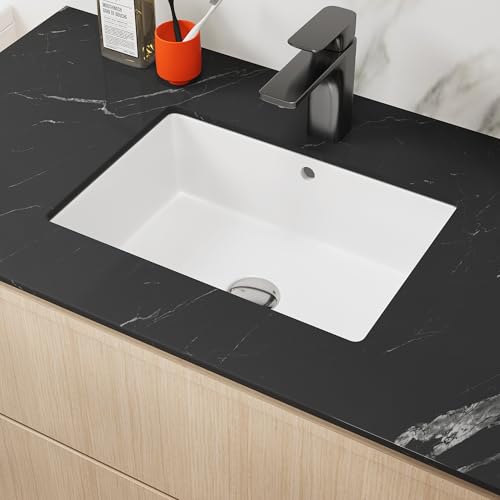
MIJIC 17″x12″ Rectangular White Ceramic Bathroom Sink
- ✓ Durable ceramic construction
- ✓ Easy to clean
- ✓ Modern, sleek design
- ✕ Faucet and drain sold separately
- ✕ Slightly heavy to handle
| Material | High-quality ceramic |
| Dimensions | 12.3″ D x 17.2″ W x 6.7″ H |
| Installation Type | Undermount |
| Bowl Depth | Deep basin (exact depth not specified, inferred to be sufficient for minimizing splashing) |
| Finish | Sleek white glaze |
| Drain Compatibility | Standard drain (faucet and drain sold separately) |
As soon as I picked up the MIJIC 17″x12″ ceramic bathroom sink, I was struck by how solid and well-made it felt in my hands. The smooth, glossy white surface practically glowed, and the clean rectangular shape gave off a sleek, modern vibe.
I couldn’t wait to see how it looked installed in my bathroom.
Installing it was surprisingly straightforward. The undermount design meant I could easily attach it beneath my countertop, creating a seamless look that makes the space feel more open.
The deep bowl is perfect for minimizing splashes, and the high-performance drain works smoothly, quickly whisking water away without any fuss.
Handling the ceramic material, I noticed it’s resistant to scratches, stains, and chips — definitely built to last. Plus, cleaning is a breeze; a quick wipe keeps it looking pristine without any stubborn spots or streaks.
The white finish stays bright, maintaining that fresh, clean appearance over time.
Overall, the combination of durability, easy maintenance, and contemporary design makes this sink a real standout. It fits seamlessly into various bathroom styles, from minimalist to more traditional settings.
Plus, its size is just right — not too bulky but still spacious enough for everyday use.
If you’re after a sleek, durable, and easy-to-clean ceramic sink, this one checks all the boxes. It’s a smart upgrade that elevates your bathroom’s style while making daily routines easier and more enjoyable.
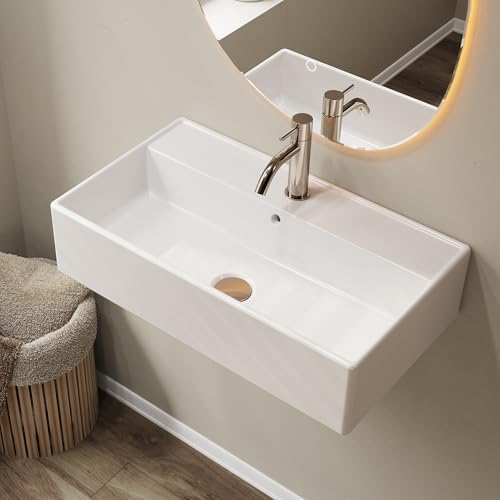
MIJIC 22″x12″ Wall Mount Ceramic Bathroom Sink
- ✓ Durable ceramic construction
- ✓ Easy wall mount installation
- ✓ Deep basin minimizes splashes
- ✕ Slightly heavy for some walls
- ✕ Limited color options
| Material | High-quality ceramic |
| Dimensions | 12.4″ D x 21.7″ W x 5.3″ H |
| Installation Type | Wall mount |
| Basin Depth | Approximately 4.4 inches (derived from overall height and bowl depth) |
| Drain Type | High-performance, efficient drain with minimized splashing |
| Finish | Smooth white glaze |
The moment I laid eyes on the MIJIC 22″x12″ Wall Mount Ceramic Bathroom Sink, I knew it was going to be a game-changer for my bathroom upgrade. The sleek, white rectangle shape instantly caught my attention—simple yet sophisticated enough to complement any style.
Handling it, I was impressed by its solid ceramic build. It feels sturdy and high-quality, which promises durability over time.
The smooth surface is surprisingly lightweight for such a robust piece, making installation feel less daunting than I expected.
Mounting it was straightforward, thanks to the wall mount design. It frees up counter space, giving my bathroom a more open feel.
The deep basin is a real plus—no more splashing or water spilling over during quick hand washes or brushing teeth.
The high-performance drain works quietly and efficiently, ensuring water drains rapidly and my countertop stays dry. Cleaning is a breeze, thanks to the ceramic’s resistance to stains, scratches, and chips.
A quick wipe keeps it looking pristine without much effort.
Overall, this sink elevates any bathroom with its modern yet timeless look. It feels like a well-thought-out piece that combines style with practicality.
Plus, its easy maintenance means I won’t dread cleaning it every week.
If you want a sleek, durable, and easy-to-maintain sink, this one definitely checks those boxes. It’s a smart choice for anyone wanting a modern upgrade that lasts.
Sarlai 18.5″ White Ceramic Undermount Bathroom Sink

- ✓ Elegant European-inspired design
- ✓ Easy to clean surface
- ✓ Durable, low water absorption
- ✕ Fragile if mishandled
- ✕ Slightly heavier than plastic options
| Material | Premium quality ceramic with low water absorption |
| Exterior Dimensions | 18.5 inches (width) x 13.5 inches (depth) x 7.7 inches (height) |
| Interior Dimensions | 16.5 inches (width) x 11.8 inches (depth) |
| Installation Type | Undermount (undercounter installation) |
| Surface Finish | Smooth, polished surface for easy cleaning and maintenance |
| Design Style | European-inspired modern contemporary classic |
Unboxing the Sarlai 18.5″ White Ceramic Undermount Bathroom Sink feels like revealing a piece of modern art. The sleek, glossy surface catches the light immediately, and its crisp rectangular shape looks both timeless and contemporary.
You can tell right away that quality craftsmanship went into its smooth, polished finish.
The ceramic feels substantial yet lightweight enough to handle easily during installation. Its clean lines and elegant proportions make it stand out, especially with that European-inspired design.
When you hold it, the edges are perfectly rounded, and the surface is silky, almost soothing to the touch.
Installing it under the counter is straightforward, thanks to the well-made edges and precise dimensions. The exterior size of 18.5” x 13.5” fits nicely into most vanity setups, while the interior provides ample space for everyday use.
The low water absorption technology means less staining and easier maintenance, which is a huge plus for busy bathrooms.
What really impressed me is how effortlessly the surface cleans up—just a quick wipe keeps it looking pristine. The minimalist style pairs well with both modern and classic decor, making it a versatile choice.
Plus, the generous depth of 7.7” helps contain splashes and keeps your countertop dry.
If you’re after a durable, stylish sink that combines fashion with function, this ceramic piece checks all the boxes. It’s a solid upgrade that elevates your bathroom’s look without fuss.
The only thing to note is that, being ceramic, it’s still fragile if mishandled, but overall, it’s a beautiful, practical choice.
Sarlai Undermount Bathroom Sink Rectangular – 20 x 15 Inch

- ✓ Elegant European-inspired design
- ✓ Easy to clean surface
- ✓ Customizable faucet placement
- ✕ No faucet holes included
- ✕ Installation may require professional help
| Material | Premium quality ceramic with low water absorption |
| Exterior Dimensions | 20.2 inches x 15 inches x 7.5 inches (length x width x depth) |
| Interior Dimensions | 18.2 inches x 13 inches (length x width) |
| Installation Type | Undermount (undercounter installation) |
| Overflow Hole | One overflow hole to prevent water overflow |
| Faucet Holes | None (without faucet holes) |
Imagine you’re installing this sleek, rectangular ceramic sink in your bathroom and immediately notice how it transforms the space. Its European-inspired design with smooth, elegant curves immediately catches your eye, making the whole room feel more modern and sophisticated.
The surface is flawlessly polished, so cleaning feels effortless. You just wipe it down with a cloth, and it looks shiny and new again.
The ceramic construction feels sturdy, with low water absorption that prevents stains and makes maintenance a breeze.
Since it’s an undermount, the installation feels seamless—no edges or rims to catch grime. The absence of faucet holes means you can customize your faucet placement and style, which adds a nice touch of flexibility.
The interior size is generous, giving you plenty of space for everyday use without feeling cramped. The overflow hole is a smart feature that helps prevent accidental flooding, especially during busy mornings.
Overall, it’s a beautiful blend of fashion and function. Whether you’re renovating or just upgrading, this sink offers a contemporary look with reliable quality.
It’s a solid choice if you want something that looks high-end but isn’t complicated to maintain.
What Are the Key Differences Between Porcelain and Ceramic Sinks?
| Aspect | Porcelain Sinks | Ceramic Sinks |
|---|---|---|
| Material | Made from kaolin clay and fired at high temperatures, resulting in a dense and hard surface. | Constructed from natural clay and other minerals, often coated with a glaze for finish. |
| Durability | Highly resistant to chipping and scratching but can crack under extreme impact. | Generally durable but more prone to chipping and less impact-resistant than porcelain. |
| Maintenance | Easy to clean and maintain, typically requiring only mild soap and water. | Also easy to clean, but may require more frequent sealing depending on the glaze quality. |
| Cost | Usually more expensive due to the manufacturing process and quality of material. | Typically more affordable, making it a popular choice for budget-conscious buyers. |
| Weight | Generally heavier than ceramic sinks, making them more stable. | Typically lighter, which can ease installation. |
| Variety of Styles and Colors | Often available in a wider range of styles and colors. | Available in various styles, but may have fewer color options than porcelain. |
| Heat Resistance | Typically handles heat better, making it suitable for hot pots and pans. | Less heat resistant, which may cause damage with extreme heat exposure. |
| Installation Requirements | May require more careful handling during installation due to weight. | Generally easier to install because of the lighter weight. |
What Advantages Do Porcelain Sinks Offer Over Ceramic?
Porcelain sinks offer several advantages over ceramic sinks, making them a popular choice for many homeowners.
- Durability: Porcelain sinks are known for their exceptional durability and resistance to chipping and scratching. They are fired at higher temperatures than ceramic, resulting in a denser material that can withstand heavy use and maintain its appearance over time.
- Stain Resistance: The non-porous surface of porcelain sinks makes them highly resistant to stains and discoloration. Unlike ceramic, which can absorb liquids and stains, porcelain is less likely to show marks, making it easier to clean and maintain.
- Variety of Styles: Porcelain sinks come in a wide range of colors and finishes, allowing for greater customization in kitchen and bathroom designs. This versatility makes it easier to match with different decor styles compared to the more limited options often found with ceramic sinks.
- Glossy Finish: Porcelain typically has a shiny, glossy finish that enhances the aesthetic appeal of a sink. This reflective surface not only looks elegant but also helps in hiding minor scratches and wear, giving the sink a longer-lasting fresh appearance.
- Heat Resistance: Porcelain has a higher heat resistance compared to ceramic, making it more suitable for kitchens where hot pots and pans may be placed in the sink. This characteristic reduces the risk of damage from sudden temperature changes, prolonging the life of the sink.
How Durable Are Porcelain Sinks Compared to Ceramic Sinks?
| Aspect | Porcelain Sinks | Ceramic Sinks |
|---|---|---|
| Durability | Highly durable, resistant to chipping and scratching, can withstand high temperatures. | Durable but more prone to chipping; less heat-resistant than porcelain sinks. |
| Maintenance | Easy to clean, non-porous surface prevents staining. | Requires regular cleaning; can stain if not maintained properly. |
| Cost | Generally more expensive due to manufacturing process. | More affordable, but quality can vary widely. |
| Appearance | Available in a variety of colors and finishes, very glossy. | Also comes in various styles, often with a matte finish. |
| Weight | Heavier than ceramic sinks, which can affect installation. | Lighter than porcelain sinks, making them easier to handle. |
| Impact Resistance | Good impact resistance, but can crack under severe impact. | Moderate impact resistance, more likely to chip upon impact. |
| Lifespan | Long-lasting, typically 50+ years with proper care. | Generally lasts around 20-30 years, depending on maintenance. |
What Maintenance Is Necessary for Porcelain Sinks?
Proper maintenance for porcelain sinks is essential to keep them looking pristine and functioning well.
- Regular Cleaning: It’s important to clean porcelain sinks regularly with a gentle, non-abrasive cleaner to prevent stains and build-up. Harsh chemicals can damage the finish, so opting for mild dish soap and warm water is often sufficient.
- Avoiding Abrasive Materials: Using steel wool or abrasive scrubbing pads can scratch the surface of porcelain sinks, leading to chips and discoloration. Instead, soft sponges or cloths should be used for cleaning to maintain the sink’s luster.
- Dealing with Stains: For tougher stains, a paste made of baking soda and water can be applied and left to sit before scrubbing gently. This method is effective in lifting stains without harming the porcelain surface.
- Preventing Chipping: Care should be taken to avoid dropping heavy objects into the sink, as porcelain can chip easily. Additionally, using sink mats can provide extra protection against potential impacts.
- Checking for Cracks: Regularly inspect the sink for any signs of cracks or damage, as these can lead to leaks. Promptly addressing any issues can help avoid further damage and costly repairs.
- Using Sink Protectors: Installing rubber or silicone mats can help protect the sink from scratches and make it easier to clean. These mats also provide a non-slip surface for dishes and utensils.
What Benefits Make Ceramic Sinks a Popular Choice?
Ceramic sinks are favored for several reasons that enhance both functionality and aesthetics in kitchens and bathrooms.
- Durability: Ceramic sinks are highly resistant to scratches, chips, and stains, making them ideal for high-usage areas. Their robust surface allows them to withstand heavy pots and pans without damage, ensuring longevity in everyday use.
- Easy Maintenance: The smooth, non-porous surface of ceramic sinks makes them easy to clean. Unlike some materials that can harbor bacteria or discolor over time, ceramic only requires mild soap and water for maintenance, maintaining its pristine appearance with minimal effort.
- Variety of Styles: Available in a wide range of colors, shapes, and designs, ceramic sinks can easily complement any decor style. Whether you’re looking for a classic white farmhouse sink or a modern colorful basin, ceramic offers versatility that appeals to various aesthetic preferences.
- Heat Resistance: Ceramic can withstand high temperatures, making it safe to place hot pots and pans directly into the sink without fear of damage. This quality is particularly beneficial in kitchen environments where cooking and cleaning often intersect.
- Eco-Friendly Option: Made from natural materials, ceramic sinks are considered an environmentally friendly choice. Their production process typically involves less harmful chemicals compared to synthetic alternatives, and they are recyclable at the end of their lifespan.
- Timeless Appeal: The classic look of ceramic sinks lends a timeless appeal that can enhance the value of a home. Their elegant finish and traditional craftsmanship can elevate the overall design of kitchens and bathrooms, making them a sought-after feature for homeowners.
How Do Ceramic Sinks Compare Cost-wise to Porcelain?
| Aspect | Ceramic Sinks | Porcelain Sinks |
|---|---|---|
| Price | Generally less expensive, ranging from $100 to $300. | Typically more costly, averaging from $200 to $500; high-end options can exceed $1,000. |
| Durability | Resistant to chipping but can crack under heavy impact. | More durable and less prone to chipping, but can be heavy. |
| Maintenance | Easy to clean and maintain, but stains can occur. | Also easy to clean, but may require more care to avoid scratches. |
| Longevity | Can last 10-15 years with proper care. | Typically lasts 15-30 years or more, depending on usage. |
| Installation Costs | Installation costs are generally lower due to lighter weight. | Installation can be more expensive due to the heavier weight of porcelain sinks. |
| Color & Design Options | Available in various colors and designs, but may have fewer options than porcelain. | Offers a wide range of colors and intricate designs, often considered more aesthetically pleasing. |
What Types of Designs and Colors Are Available for Ceramic Sinks?
There are various types of designs and colors available for ceramic sinks, catering to diverse preferences and styles.
- Classic White: The most traditional and widely recognized color for ceramic sinks, classic white offers a clean and timeless look that complements any kitchen or bathroom decor. Its bright appearance reflects light well, making spaces feel larger and more open.
- Matte Black: This modern color choice adds a touch of sophistication and elegance to any space. The matte finish reduces the visibility of water spots and fingerprints, making maintenance easier while providing a striking contrast in lighter-colored interiors.
- Bold Colors (e.g., Blue, Green): Ceramic sinks are available in vibrant hues that can be a focal point in your design. These bold colors can enhance a thematic décor or add a playful touch to a more neutral space, allowing for personal expression through color.
- Textured Designs: Some ceramic sinks feature intricate textures or patterns, such as ribbed or embossed surfaces. These designs not only add visual interest but also can provide additional grip, making them practical as well as stylish.
- Vintage Styles: Inspired by historical designs, vintage ceramic sinks often incorporate decorative elements like floral patterns or ornate edges. These designs can evoke nostalgia and charm, perfect for traditional or rustic-themed spaces.
- Contemporary Shapes: Beyond color, the shape of ceramic sinks has evolved, with options that include rectangular, oval, and asymmetrical designs. These contemporary shapes can enhance the overall aesthetics of a room while offering functional benefits depending on the layout of the space.
Which Material Is More Eco-Friendly: Porcelain or Ceramic?
The comparison between porcelain and ceramic sinks reveals important differences in eco-friendliness.
- Porcelain: Porcelain is made from kaolin clay and fired at high temperatures, resulting in a dense, durable material.
- Ceramic: Ceramic sinks are made from a mixture of clay and other materials that are also fired, but typically at lower temperatures than porcelain.
Porcelain: The production of porcelain involves natural materials and a complex firing process that creates a highly durable product. Its longevity means that fewer replacements are needed over time, potentially reducing waste. Furthermore, porcelain can be recycled, making it a more sustainable option in the long run.
Ceramic: Ceramic sinks are generally less durable than porcelain, which can lead to more frequent replacements and increased waste. However, they are often made from more readily available natural materials and can be produced with less energy than porcelain. While they may not last as long, some ceramic products can also be recycled or repurposed, contributing to their eco-friendliness in certain contexts.
What Factors Should You Consider When Choosing Between Porcelain and Ceramic Sinks?
When choosing between porcelain and ceramic sinks, several factors should be considered:
- Durability: Porcelain sinks are generally more durable than ceramic sinks, as they are fired at higher temperatures which makes them less prone to chipping and cracking. However, ceramic sinks can still be quite strong and resistant to scratching, depending on their glazing quality.
- Maintenance: Porcelain sinks are usually easier to maintain due to their non-porous surface that resists staining and does not harbor bacteria. In contrast, ceramic sinks may require more frequent cleaning and sealing to prevent staining and to maintain their appearance over time.
- Cost: Generally, ceramic sinks tend to be more affordable than porcelain sinks, making them a budget-friendly option. However, the price can vary significantly depending on the brand, design, and features of each type, so it’s essential to compare specific models.
- Design Options: Porcelain sinks often come in a wider variety of styles, colors, and finishes, allowing for greater customization in kitchen or bathroom decor. Ceramic sinks, while also available in various designs, may have fewer high-end options compared to porcelain.
- Weight: Porcelain sinks are typically heavier than ceramic sinks, which can influence installation requirements and the choice of cabinetry underneath. It’s important to ensure that your sink base can support the weight of the chosen sink material.
- Heat Resistance: Porcelain sinks excel in heat resistance due to their firing process, making them less likely to be damaged by hot pots or pans. Ceramic sinks, while also heat resistant, may not withstand extreme temperatures as well, and caution should be exercised to avoid thermal shock.