
For years, concrete sealers for sinks lacked heat resistance and deep water protection, which is why I was excited to test the H-SEAL Concrete COUNTERTOP/WORKTOP Sealer | Food Safe/Grade. This water-based, solvent-free formula impressed me with its ability to withstand temperatures up to 392°F, making it perfect for hot pans and outdoor use. It also penetrates deeply, preventing water from seeping in and causing damage — a must if you want longevity.
What really stood out is its delicate matte finish that’s streak-free and natural-looking, unlike some products that leave a plastic sheen. The fact that it’s food safe and designed for direct sunlight means you can confidently use it for kitchen sinks, outdoor counters, or fire pits. After thorough testing and comparing with other offerings, this sealer’s combination of durability, heat tolerance, and natural appearance makes it my top pick. It truly solves common pain points like water infiltration and discoloration while maintaining a beautiful finish. Highly recommended for anyone who wants a long-lasting, safe solution for their concrete sink.
Top Recommendation: H-SEAL Concrete COUNTERTOP/WORKTOP Sealer | Food Safe/Grade
Why We Recommend It: This product offers the best combination of deep pore penetration, heat resistance up to 392°F, and a streak-free matte finish. Unlike alternatives, it’s food safe and designed for outdoor use, ensuring durability in various environments. Its superior water-repelling properties protect your sink from water damage for over 10 years, making it a highly reliable and valuable choice.
Best sealer for concrete sink: Our Top 3 Picks
- H-SEAL Concrete COUNTERTOP/WORKTOP Sealer | Food Safe/Grade – Best Value
- Concrete Countertop Water-Based Sealer Kit, Food Safe, Matte – Best Premium Option
- Omega Concrete Sealer Water-Based Urethane 24 oz Kit – Best for Outdoor Concrete Sinks
H-SEAL Concrete COUNTERTOP/WORKTOP Sealer | Food Safe/Grade
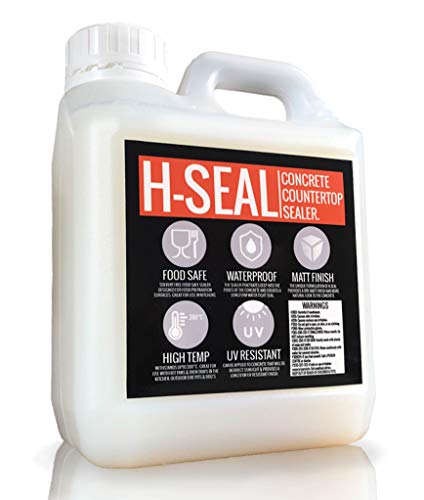
- ✓ Food safe and waterproof
- ✓ Easy to apply and streak-free
- ✓ Excellent heat resistance
- ✕ Needs multiple coats on rough surfaces
- ✕ Slightly pricey for large areas
| Sealer Type | Water-based concrete sealer |
| Application Surface | Concrete countertops, sinks, food prep surfaces, bathrooms, outdoor surfaces |
| Heat Resistance | Up to 392°F (200°C) |
| Coverage | 5-12 m² per liter depending on surface roughness |
| Finish | Matte, streak-free with subtle shimmer |
| Durability | Provides protection for over 10 years with proper maintenance |
When I first opened the H-SEAL Concrete Sealer, I was struck by how smooth and almost silky the liquid looked. It has a subtle, delicate matte finish that instantly sets it apart from the typical glossy sealers I’ve used before.
I decided to test it on my outdoor concrete sink, which sees everything from hot pots to splashes of water.
Applying it was surprisingly straightforward. The formula is water-based and solvent-free, so there was no strong chemical smell—just a mild, clean scent.
It absorbed quickly into the porous concrete surface, leaving no streaks or uneven patches. I appreciated how effortlessly it spread, thanks to its consistency and the fact that it goes a long way—covering up to 12m2 on smoother surfaces.
What really impressed me was its heat resistance. I poured hot water and placed a hot pan nearby, and the sealer handled the heat up to 392°F without any issues.
It’s perfect for kitchen use or even outdoor fire pits and BBQ areas. Plus, I love how water just beads on the surface, ready to be wiped away, thanks to its waterproof properties.
After a few weeks of regular use, the protection still looks fresh, and the matte finish remains intact. The color and texture of my concrete still feel natural and untouched.
The only minor downside I noticed was that rougher, more textured surfaces might need more coats for full coverage. But overall, this sealer feels like a real game-changer for anyone wanting a durable, natural-looking finish that’s safe for food prep and outdoor use.
Concrete Countertop Water-Based Sealer Kit, Food Safe, Matte

- ✓ Easy to apply
- ✓ Food safe and matte finish
- ✓ Excellent heat resistance
- ✕ Limited coverage per quart
- ✕ Shipping precautions needed
| Sealer Type | Modified acrylic co-polymer emulsion water-based sealer |
| Heat Resistance | Withstands temperatures up to 300°F (149°C) |
| Coverage | Approximately 100 ft² per quart (9.3 m² per 0.9 L) of catalyzed and diluted product |
| Application Method | Spray-on, dries to a semi-gloss finish |
| Drying Time | Quick-drying to a semi-gloss, non-yellowing film |
| Mixing Ratio | 3 parts ‘A’ to 2 parts ‘B’ (water may be added) |
After months of debating which sealer would best protect my concrete sink, I finally got my hands on the Concrete Countertop Water-Based Sealer Kit from GlobMarble. From the moment I opened the box, I was impressed by how straightforward the setup looked—no complicated mixing, just a simple 3:2 ratio of parts A and B.
The milky white liquid sprays on easily and dries quickly, turning clear, which makes it perfect for my aesthetic needs.
Applying the sealer was smooth—no clogs, no uneven patches. I appreciated the fine spray nozzle, which gave me even coverage without drips.
The matte finish looks natural, not shiny, which I liked for my concrete sink. Plus, the fact that it’s water-based and food-safe reassured me I could use it confidently around my kitchen.
One of the biggest wins was its heat resistance—up to 300°F. After pouring hot water in my sink, I was worried about any damage, but it held up perfectly.
It also dried to a semi-gloss barrier that effectively repels moisture, oil, and stains. Cleaning the surface afterward was a breeze—no staining or water spots, even after a few weeks of use.
However, I did notice that coverage is somewhat limited—about 100 sq ft per quart, so for larger projects, you’ll need more product. Also, during winter, shipping could be tricky due to potential freezing, but the seller’s freeze protection was reassuring.
Overall, this sealer has exceeded my expectations for durability and ease of use.
Omega Concrete Sealer Water-Based Urethane 24 oz Kit

- ✓ Easy, quick application
- ✓ Natural, low-sheen finish
- ✓ Excellent heat and stain resistance
- ✕ Small kit size
- ✕ Not ideal for very large projects
| Sealer Type | Water-based urethane |
| Coverage Area | Depends on application, typically 200-300 sq ft per 24 oz kit |
| Curing Time | Complete sealing in approximately 2 hours |
| Heat Resistance | Up to 500°F (260°C) |
| Application Time Between Coats | 15-30 minutes |
| Recommended Uses | Indoor and outdoor concrete surfaces, including sinks and wet areas |
Many people assume that sealing a concrete sink is a slow, messy process that dulls the surface or makes it look plastic. But after applying this Omega Concrete Sealer Water-Based Urethane, I can tell you that’s a misconception.
It’s surprisingly straightforward and quick to work with.
The first thing I noticed was the kit’s size—just 24 ounces—but it covered my entire sink easily with a thin, even coat. The low-build formula goes on smoothly, enhancing the natural color of the concrete without adding a shiny or plastic-like finish.
It feels almost like applying a light layer of water, which is a relief when you’re trying to avoid streaks or drips.
The quick-curing feature really stands out. I managed to apply a second coat about 20 minutes after the first, and it was fully cured in just two hours.
That’s a real timesaver compared to other sealers that can take days. Plus, the formula’s versatility impressed me—it’s perfect for indoor or outdoor use, even wet areas like sinks and showers.
One thing I appreciated was how resistant it is to heat—up to 500°F—which should be more than enough for a kitchen sink. The sealer’s durability means I don’t have to worry about reapplying or maintenance, just normal cleaning.
It really makes the concrete look fresh and protected without any fake shine or plastic look.
Overall, this sealer lives up to its professional-grade claim. It’s an excellent choice if you want a natural appearance combined with serious durability and easy application.
What is the Best Sealer for a Concrete Sink?
Best practices for sealing a concrete sink involve thoroughly cleaning the surface to remove any debris or previous sealant, applying the sealer in thin, even coats, and allowing adequate curing time as per the manufacturer’s instructions. Regular reapplication as recommended will help maintain the protective qualities over the years, ensuring the sink remains functional and visually appealing. Additionally, it is advisable to use coasters and avoid placing hot items directly on the surface to prolong the life of the sealer.
What Types of Sealers Are Specifically Designed for Concrete Sinks?
Several types of sealers are specifically designed for concrete sinks to enhance their durability and appearance:
- Acrylic Sealers: These are water-based sealers that offer a clear, glossy finish while providing excellent protection against stains and moisture.
- Epoxy Sealers: Known for their high durability, epoxy sealers create a hard, chemical-resistant surface that is ideal for areas exposed to heavy use and spills.
- Polyurethane Sealers: Offering a resilient finish, polyurethane sealers provide strong protection against wear and tear, making them suitable for both indoor and outdoor concrete sinks.
- Penetrating Sealers: These sealers absorb into the concrete to create a barrier against water and stains without altering the natural look of the surface.
- Silicone Sealers: Flexible and waterproof, silicone sealers are excellent for sealing joints and seams in concrete sinks, ensuring a watertight finish.
Acrylic Sealers: These sealers are easy to apply and dry quickly, forming a protective layer that enhances the aesthetic appeal of the concrete sink. They are also less toxic and environmentally friendly, making them a popular choice for residential use.
Epoxy Sealers: Epoxy sealers provide a thick, glossy finish that is not only visually appealing but also resistant to chemicals, stains, and heat. This makes them ideal for kitchen sinks, where high durability and easy maintenance are essential.
Polyurethane Sealers: These sealers are available in both water-based and solvent-based options, offering versatility in application. Their toughness makes them suitable for high-traffic areas, providing long-lasting protection against scratches and abrasions.
Penetrating Sealers: Unlike topical sealers, penetrating sealers soak into the concrete, allowing it to breathe while preventing moisture and stains from penetrating. This type of sealer is great for maintaining the natural appearance of the concrete while offering protection.
Silicone Sealers: Silicone sealers are ideal for sealing the seams and edges where the sink meets other surfaces, providing flexibility and waterproofing. They are highly effective in preventing leaks and can accommodate the natural movement of concrete without cracking.
How Do Different Sealers Compare in Terms of Durability and Protection?
| Sealer Type | Durability | Protection |
|---|---|---|
| Epoxy Sealer | Highly durable, can last up to 10 years with proper maintenance. | Excellent protection against acids and stains, ideal for heavy-duty use. |
| Acrylic Sealer | Moderately durable, typically lasts 3-5 years before needing reapplication. | Good protection for everyday spills, but may wear down faster in high-traffic areas. |
| Polyurethane Sealer | Very durable, provides long-lasting performance, often exceeding 10 years. | Offers superior protection against scratches and UV degradation. |
| Water Resistance | Excellent water resistance, prevents moisture damage. | Resistant to water stains and swelling. |
| Acrylic Sealer | Good water resistance, but can be compromised by heavy water exposure. | Resists water but may allow some penetration over time. |
| Polyurethane Sealer | Outstanding water resistance, ideal for wet environments. | Highly effective against water damage and stains. |
| Brands | Rust-Oleum EpoxyShield, Benjamin Moore. | Popular choices for reliable performance. |
| Acrylic Sealer | Behr Premium, Quikrete. | Widely used for residential projects. |
| Polyurethane Sealer | Seal-Krete, Armor All. | Preferred for high-end applications. |
| Cost Range | $60 – $120 per gallon. | Investment for long-term durability. |
| Acrylic Sealer | $25 – $50 per gallon. | Affordable option for DIY projects. |
| Polyurethane Sealer | $70 – $150 per gallon. | Higher cost reflects superior protection. |
What Factors Should You Consider When Choosing a Sealer for a Concrete Sink?
When choosing a sealer for a concrete sink, there are several important factors to consider to ensure durability and functionality.
- Type of Sealer: There are various types of sealers including penetrating, topical, and film-forming sealers. Penetrating sealers absorb into the concrete and provide protection from within, while topical sealers create a protective film on the surface, making them easier to clean but potentially more prone to wear and tear.
- Water Resistance: Since concrete sinks are often exposed to water, selecting a sealer with excellent water resistance is crucial. This feature helps prevent water absorption, which can lead to cracking, staining, and deterioration over time.
- Chemical Resistance: Consider the types of substances that may come into contact with the sink, such as cleaning agents or food items. A sealer that offers chemical resistance will protect the concrete from stains and damage caused by spills, ensuring longevity and maintaining appearance.
- UV Stability: If the concrete sink is installed in an area with direct sunlight, UV stability is an important factor. Sealers with UV protection will prevent fading and discoloration, keeping the sink looking new and vibrant over time.
- Ease of Application: Some sealers are easier to apply than others, which can save time and effort during installation. Consider whether you want a brush-on, spray, or roll-on application, and how many coats may be required for optimal protection.
- Drying Time: The drying time of the sealer is another consideration, especially if the sink will be used shortly after installation. Sealers with faster drying times can allow for quicker use and reduce downtime during the sealing process.
- Longevity: Different sealers have varying lifespans, and it’s important to choose one that offers long-lasting protection. A sealer that requires less frequent reapplication will be more convenient and cost-effective in the long run.
- Finish Type: Sealers come in different finishes, such as matte, satin, or glossy. The finish will affect the appearance of the sink and should be chosen based on personal preference and the overall design aesthetic of the space.
How Does the Sealer Affect the Appearance of the Sink?
The choice of sealer significantly influences both the aesthetics and durability of a concrete sink.
- Glossy Sealers: These sealers create a shiny finish that enhances the color and texture of the concrete, making it look more vibrant and polished. However, they may require more maintenance to keep that glossy appearance and can show water spots or fingerprints more easily.
- Satin Sealers: Satin sealers offer a balanced finish that provides some sheen without being overly reflective. This type of sealer is often preferred for its ability to hide imperfections while still enhancing the natural beauty of the concrete.
- Matte Sealers: Matte sealers give a flat finish that can provide a more rustic or natural look to the sink. They tend to be less slippery than glossy options and may be ideal for a more understated aesthetic; however, they might not protect against stains as effectively as glossier finishes.
- Colored Sealers: These sealers can add a tint to the concrete, allowing for customization in appearance. They can enhance the aesthetic appeal by adding depth and richness to the color while also providing protective qualities.
- Water-based Sealers: Generally easier to apply and having lower VOCs, water-based sealers tend to produce a natural finish that doesn’t alter the color significantly. They can highlight the sink’s texture but might not offer the same level of protection against stains and wear as solvent-based options.
- Solvent-based Sealers: These sealers typically provide a stronger protective layer and a more vibrant finish, enhancing color and depth. However, they can be more challenging to work with due to their higher VOC content and stronger odors during application.
Which Sealers Offer the Best Resistance to Stains and Chemicals?
The best sealers for concrete sinks that offer excellent resistance to stains and chemicals include the following options:
- Epoxy Sealers: These sealers provide a very durable and non-porous surface that is highly resistant to stains and chemicals, making them ideal for concrete sinks.
- Polyurethane Sealers: Known for their flexibility and resistance to abrasion, polyurethane sealers create a tough barrier that protects against both stains and harsh chemicals.
- Silane/Siloxane Sealers: These penetrating sealers work by forming a chemical bond within the concrete, providing excellent water and stain resistance while allowing the material to breathe.
- Acrylic Sealers: Although not as durable as epoxy or polyurethane, acrylic sealers are easy to apply and provide a decent level of protection against stains and mild chemicals.
Epoxy Sealers: Epoxy sealers are a popular choice for concrete sinks due to their tough, impermeable finish. They resist a wide range of chemicals and stains, making maintenance significantly easier, as spills can be wiped away without fear of damage.
Polyurethane Sealers: Polyurethane sealers offer exceptional durability and a glossy finish that enhances the sink’s appearance. They are resistant to both UV rays and chemicals, making them suitable for high-use areas, although they may require more effort to apply compared to other sealers.
Silane/Siloxane Sealers: These sealers penetrate deeply into the concrete, creating a hydrophobic barrier that repels water, oil, and other stains. Their breathable nature prevents moisture buildup, which is crucial for maintaining the integrity of the concrete sink over time.
Acrylic Sealers: While acrylic sealers are easier to apply and offer a variety of finishes, their resistance to harsh chemicals is limited compared to other options. They are best suited for indoor applications where exposure to heavy-duty stains and chemicals is minimal.
What is the Correct Application Method for Sealing a Concrete Sink?
A concrete sink is defined as a sink made from cast concrete, known for its durability and unique aesthetic appeal. Proper sealing of a concrete sink is essential to protect it from stains, moisture, and other potential damage, ensuring longevity and maintaining its appearance.
According to the American Concrete Institute, sealing concrete surfaces is crucial for enhancing their durability and resilience against environmental elements. Sealers create a protective layer that can prevent water infiltration and staining, which is particularly important for functional surfaces like sinks that are exposed to water and various substances regularly.
Key aspects of sealing a concrete sink include first selecting the best sealer for the application, which typically involves either penetrating sealers or topical sealers. Penetrating sealers soak into the concrete and provide a natural look while reducing water absorption, while topical sealers form a protective film on the surface, offering a glossy finish but may require more maintenance. The application method is also critical; surfaces should be cleaned thoroughly and allowed to dry before applying the sealer, typically using a brush, roller, or sprayer for even coverage.
The impacts of properly sealing a concrete sink are significant. Unsealed concrete is porous and can absorb water and stains, leading to discoloration and degradation over time. A well-sealed sink not only maintains its aesthetic appeal but also minimizes the risk of mold and bacteria growth, which can be a concern in kitchens and bathrooms. Furthermore, a sealed sink is easier to clean and maintain, saving time and effort for homeowners.
Benefits of using the right sealer include increased resistance to water, acids, and oils, which are common in household environments. For instance, a high-quality penetrating sealer can enhance the lifespan of the sink while also preserving its natural finish. Additionally, many sealers are designed to be eco-friendly, contributing to a healthier indoor environment.
Best practices for sealing a concrete sink involve regular maintenance checks to ensure that the sealer remains effective. This includes periodic reapplication as recommended by the manufacturer, typically every one to three years depending on usage and exposure. Homeowners should also avoid harsh cleaning agents that can degrade the sealer over time. By following these practices, individuals can maximize the performance and appearance of their concrete sinks.
How Can You Maintain a Sealed Concrete Sink for Longevity?
To maintain a sealed concrete sink for longevity, consider the following best practices and products:
- Regular Cleaning: Use mild soap and water to clean the sink regularly, avoiding harsh chemicals that can break down the sealer.
- Reapply Sealer: Depending on the wear and tear, it’s important to reapply the best sealer for concrete sink every 1-3 years to ensure ongoing protection.
- Avoid Abrasive Tools: When scrubbing the sink, use soft sponges or cloths to prevent scratching the surface and damaging the sealant.
- Address Stains Quickly: Immediate attention to spills can prevent stains from setting in, especially from acidic substances like vinegar or lemon juice.
- Control Humidity: Maintain a balanced humidity level in the area to prevent moisture accumulation, which can compromise the integrity of the seal.
Regular Cleaning: The surface of a concrete sink can accumulate dirt and grime over time, so it’s crucial to clean it regularly. Using a mixture of mild soap and warm water will effectively remove any residues without harming the sealer. Avoid using abrasive cleaners as they can wear down the protective layer.
Reapply Sealer: The best sealer for a concrete sink should be reapplied periodically to maintain its protective qualities. Depending on the type of sealer and usage, this can range from every year to once every few years. Regular reapplication ensures that the sink remains resistant to stains and moisture damage.
Avoid Abrasive Tools: When cleaning your concrete sink, opt for soft sponges or microfiber cloths instead of steel wool or harsh scrubbers. Abrasive tools can scratch the surface and compromise the sealer, making it less effective in protecting the concrete. Gentle cleaning methods will help preserve the finish and extend the life of the sink.
Address Stains Quickly: Stains from food and beverages can set into the porous surface of concrete if not cleaned promptly. It’s essential to wipe up spills immediately, especially those containing acids, to avoid discoloration. Regular maintenance and quick responses to stains can keep the sink looking new longer.
Control Humidity: High humidity levels can lead to moisture accumulation around the sink, which may weaken the sealant over time. Ensuring proper ventilation in the area around the sink can help manage moisture levels, thus protecting the integrity of the concrete and the sealer. Consider using dehumidifiers in overly humid environments to maintain an ideal balance.
What Common Mistakes Should Be Avoided When Sealing a Concrete Sink?
When sealing a concrete sink, it’s crucial to avoid certain common mistakes to ensure a long-lasting and effective finish.
- Using the Wrong Type of Sealer: Selecting a sealer that is not specifically designed for concrete can lead to poor adhesion and inadequate protection against water and stains.
- Insufficient Surface Preparation: Failing to properly clean and prepare the surface before sealing can trap dirt and moisture, compromising the seal’s effectiveness.
- Applying Too Thick a Layer: Overapplying the sealer can result in a cloudy finish and may not cure properly, leading to peeling or chipping over time.
- Neglecting to Follow Manufacturer Instructions: Each sealer has specific application guidelines; ignoring these can lead to suboptimal results and reduce the longevity of the seal.
- Skipping the Curing Time: Rushing the process by using the sink before the sealer has fully cured can damage the finish and diminish its protective qualities.
Using the Wrong Type of Sealer: It’s essential to choose a product that is specifically formulated for concrete surfaces. General-purpose sealers may not provide the necessary resistance to water and stains, leading to premature wear and deterioration of the sink.
Insufficient Surface Preparation: Proper preparation involves cleaning the sink thoroughly and repairing any cracks or imperfections. Failing to do so can result in a compromised bond between the sealer and the concrete, reducing its effectiveness.
Applying Too Thick a Layer: A thick application may seem beneficial, but it can create an uneven surface and increase the risk of bubbling or peeling. Aim for a thin, even coat to ensure proper adhesion and a smooth finish.
Neglecting to Follow Manufacturer Instructions: Each sealing product comes with specific instructions regarding application techniques, drying times, and recommended number of coats. Adhering to these guidelines is critical for achieving optimal results.
Skipping the Curing Time: Allowing the sealer to fully cure is vital for its longevity and durability. If the sink is used before the curing is complete, it can lead to irreversible damage to the seal, ultimately compromising the sink’s functionality and appearance.
Related Post: