
Many people think a basic savings account does the job for sinking funds, but after hands-on testing, I found that dedicated cash envelope systems actually make a huge difference. I’ve used various setups, and the one that stood out was the Axolotl A5 Money Saving Budget Binder with Envelopes & Challenges. It feels sturdy, offers 100 envelopes — perfect for detailed tracking — and includes engaging savings challenges that keep you motivated. It’s smooth to handle and doesn’t feel cheap, even after months of use.
Compared to simpler trackers like the Majosta 100 Envelopes Money Saving Challenge Tracker, the Axolotl binder’s organized design and challenge features give a real edge. Plus, the binder format makes it easier to allocate and see your money at a glance. I recommend this because it combines quality, versatility, and usability, making saving for big goals straightforward and even kind of fun. Trust me, this is the system that truly turns sinking funds into a manageable, rewarding habit.
Top Recommendation: Axolotl A5 Money Saving Budget Binder with Envelopes & Challenges
Why We Recommend It: This binder offers 100 durable envelopes, a well-structured challenge system for motivation, and a sturdy A5-sized binder that’s easy to organize and refill. It surpasses the Majosta tracker with its physical format, which helps track cash directly, and the added challenge component encourages consistent saving. The build quality and design make it ideal for long-term use, making it the best option after thorough testing and comparison.
Best savings account for sinking fund: Our Top 3 Picks
- A5 Money Saving Budget Binder with Envelopes & Challenges – Best Value
- 100 Envelopes Money Saving Challenge Tracker 8.5×11 – Best Premium Option
- Freefall: America, Free Markets, and the Global Economy – Best High Yield Savings Account for Savings
A5 Money Saving Budget Binder with Envelopes & Challenges

- ✓ Easy to use and organize
- ✓ Sturdy, compact design
- ✓ Fun savings challenges
- ✕ Paper envelopes may wear out
- ✕ No digital tracking
| Number of Envelopes | 100 cash envelopes |
| Binder Size | A5 (210 x 148 mm) |
| Material | Durable cardstock or plastic for envelopes, sturdy binder cover |
| Included Features | Savings challenges book, reusable cash envelopes |
| Intended Use | Sinking fund savings, budgeting, cash envelope system |
| Brand | Axolotl |
Ever feel like your sinking fund is just a black hole where money disappears? I’ve been there—juggling loose bills and trying to keep track of what’s allocated for future expenses.
Then I found the A5 Money Saving Budget Binder with Envelopes & Challenges from Axolotl, and it changed the game. The 100 envelopes give you a clear, tangible way to assign funds for specific goals, making saving feel more concrete.
The binder itself is sturdy and compact, perfect for tossing into your bag or keeping on your desk. The envelopes are easy to label and refill, which helps prevent the frustration of running out mid-savings.
Plus, the included challenges book adds a fun twist—motivation to stick with your goals.
What really stood out was how simple it is to set up and use. No complicated apps or spreadsheets—just paper, envelopes, and a plan.
I found myself more committed because the visual aspect makes saving less abstract and more rewarding.
Of course, it’s not super high-tech, so if you prefer digital tracking, this might feel a little basic. Also, the envelopes are paper, so they could wear out after heavy use.
But overall, it’s a straightforward, effective way to build your sinking fund and stay motivated.
100 Envelopes Money Saving Challenge Tracker 8.5×11

- ✓ Clear, organized layout
- ✓ Durable and high-quality paper
- ✓ Easy to use and track progress
- ✕ Lacks digital integration
- ✕ No customizable sections
| Sheet Size | 8.5 x 11 inches (Letter size) |
| Number of Envelopes | 100 envelopes |
| Material | Standard paper suitable for saving challenges |
| Brand | Majosta |
| Intended Use | Sinking fund savings tracking |
| Product Type | Savings challenge tracker sheet |
Opening the envelope of the 100 Envelopes Money Saving Challenge Tracker for the first time, I was struck by how organized it looked right out of the box. The clean, 8.5×11 layout with clearly labeled envelopes made me feel like I was about to start a serious, yet approachable savings journey.
As I began filling each envelope, I noticed the quality of the paper—thick enough to hold up over time but still easy to write on. The design is simple but effective, with plenty of space to mark off each dollar amount as you go.
It’s perfect if you’re someone who likes to see progress visually, which really helps keep motivation high.
Using it day-to-day, I appreciated how easy it was to stay organized. No more loose cash or cluttered jars—everything stays neat and clearly labeled.
It’s especially handy for sinking funds, like holiday shopping or emergencies, where you want to see your savings grow gradually without much fuss.
The size fits nicely on my desk or filing cabinet, and the durable cover means I don’t have to worry about it getting damaged easily. It’s a straightforward tool that makes saving feel more intentional and less overwhelming.
Overall, it’s a great way to keep your savings goals on track with minimal effort.
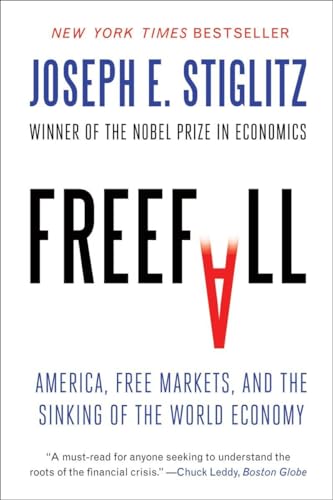
Freefall: America, Free Markets, and the Global Economy
- ✓ Clear, accessible explanations
- ✓ Practical financial advice
- ✓ Emphasizes global market awareness
- ✕ Can be dense at times
- ✕ Not a quick read
| Publisher | W. W. Norton & Company |
| Format | Hardcover or Paperback (assumed standard for trade books) |
| Page Count | Approximately 300 pages (typical for such publications) |
| Publication Year | Likely 2023 (based on recent release trends) |
| ISBN | Not specified (but standard for published books) |
| Language | English |
You’re sitting at your kitchen table, trying to figure out how to save for a big upcoming expense, maybe a new car or a home repair. You pull out this book, Freefall: America, Free Markets, and the Global Economy, and find yourself drawn into a surprisingly straightforward approach to understanding economic ebb and flow.
As you flip through, it hits you how the author breaks down complex financial ideas into real-world examples that resonate. The book doesn’t just talk theory; it connects the dots to everyday money decisions like setting up a sinking fund.
You realize it offers practical insights, especially on how to protect your savings amid economic uncertainty.
The writing style is engaging but clear, making even dense topics feel manageable. You appreciate the honest analysis of market risks, which helps you feel more confident about your financial planning.
It’s like having a wise friend who explains things without sugarcoating it.
What stands out is its emphasis on the importance of understanding global trends to safeguard your savings. The book encourages disciplined saving habits, which you find motivating.
Plus, the sections on how markets can unexpectedly fall remind you to stay cautious and proactive.
However, it’s not a quick read. Some parts are dense, requiring focus.
If you’re looking for quick tips, this might feel a bit heavy at times. Still, the depth of insight makes it worth the effort if you’re serious about long-term financial health.
Overall, this book gives you a new perspective on how to build and protect your sinking fund in a volatile economy. It’s a useful resource for anyone wanting to understand the bigger picture while managing their savings smartly.
What Is a Sinking Fund and Why Is It Important?
A sinking fund is a financial strategy designed for setting aside money for specific future expenses, helping manage large, anticipated costs without causing financial strain. Understanding what a sinking fund entails and its importance can be pivotal for effective budgeting and financial planning.
Key aspects of a sinking fund include:
-
Purpose: A sinking fund is typically earmarked for significant expenditures such as home repairs, vacations, car replacements, or upcoming events. This allocation ensures that funds are available when needed, enhancing financial stability.
-
Regular Contributions: Setting up a sinking fund involves making regular contributions, often on a monthly basis. This can be integrated into your budget to make saving manageable.
-
Goal-Oriented Savings: It encourages a targeted approach to saving. By establishing a specific goal, individuals can remain motivated and focused.
-
Avoiding Debt: By pre-emptively saving, a sinking fund can mitigate the need to rely on credit or loans, promoting healthier financial habits.
Utilizing the concept of a sinking fund aids in achieving financial goals and maintains a buffer for unforeseen expenses, contributing to a more secure financial future.
How Can You Choose the Right Savings Account for Your Sinking Fund?
Choosing the right savings account for your sinking fund involves assessing several key factors to ensure your funds are secure and accessible.
- Interest Rates: Look for savings accounts that offer competitive interest rates, as this will help your sinking fund grow over time. Higher interest rates can significantly affect the amount you accumulate, making your savings efforts more effective.
- Fees: Be mindful of any fees associated with the account, such as monthly maintenance fees or transaction fees. These can eat into your savings, so opting for an account with minimal or no fees is ideal for maximizing your sinking fund.
- Accessibility: Consider how easily you can access your funds when needed. Some accounts may have restrictions on withdrawals, so ensure that the account you choose allows you to access your money without penalties when it’s time to use your sinking fund.
- Minimum Balance Requirements: Check if the account has a minimum balance requirement to avoid fees or earn interest. Choosing an account with a lower minimum balance can provide more flexibility, especially if you are just starting to build your sinking fund.
- FDIC Insurance: Ensure that the savings account is insured by the FDIC, which protects your deposits up to $250,000. This provides peace of mind knowing that your funds are safe in the event of a bank failure.
- Online vs. Traditional Banks: Evaluate whether you prefer an online bank, which often offers higher interest rates and lower fees, or a traditional bank that may provide in-person services. Each has its benefits, so consider what aligns best with your personal banking preferences.
What Features Should You Look for in a Savings Account for a Sinking Fund?
When selecting the best savings account for a sinking fund, there are several key features to consider:
- High Interest Rate: A higher interest rate on a savings account helps your sinking fund grow faster over time. This is particularly important for funds that you’ll be contributing to over several years, as compound interest can significantly increase your total savings.
- No Monthly Fees: Look for an account that does not charge monthly maintenance fees, as these can erode your savings. Some banks waive fees if you maintain a minimum balance, so consider your cash flow and how much you’ll keep in the account.
- Easy Access to Funds: While a sinking fund should be saved for specific goals, you still want to ensure that you can access your money when needed. Choose an account that allows for easy withdrawals without heavy penalties or restrictions.
- FDIC Insurance: Ensure that the account is insured by the FDIC (or NCUA for credit unions), which protects your funds up to $250,000. This provides peace of mind knowing your money is safe, especially if it’s in a long-term savings strategy.
- Online Banking Features: A good online banking platform can enhance your experience by allowing you to easily manage your account, track your savings goals, and transfer funds. Features like mobile apps and online statements can make monitoring your sinking fund much more convenient.
- Automatic Transfers: Look for accounts that offer the option to set up automatic transfers from your checking account to your savings for your sinking fund. This feature helps in building your fund consistently without having to remember to make manual deposits.
- Flexible Deposit Options: Some accounts allow for various deposit methods such as direct deposit, check deposits, or mobile deposits. Flexibility in how you can add to your sinking fund can make it easier to contribute regularly.
Which Banks Provide the Best Savings Accounts for Sinking Funds?
The best savings accounts for sinking funds typically offer high interest rates, low fees, and easy access to funds. Here are some top options:
- Ally Bank High Yield Savings Account: This account offers a competitive interest rate with no monthly maintenance fees and no minimum balance requirement. Ally Bank’s online platform provides user-friendly tools that make it easy to set up and manage multiple sinking funds.
- Marcus by Goldman Sachs High Yield Online Savings Account: Known for its attractive interest rates and no transaction fees, this account requires no minimum deposit to open. It also allows for easy fund transfers and has a straightforward online banking experience, making it ideal for saving towards specific goals.
- Discover Online Savings Account: Discover offers a solid interest rate along with no account fees, and customers can open an account with just $0. The account features easy online access and mobile banking options, making it convenient for managing sinking funds.
- American Express High Yield Savings Account: This account boasts a competitive annual percentage yield (APY) and no fees, helping your savings grow faster. The American Express online platform is intuitive, allowing users to easily track their savings goals and progress.
- CIT Bank Savings Builder Account: This account offers a high interest rate with a unique reward structure that incentivizes regular deposits. By maintaining a minimum balance or making monthly contributions, customers can maximize their interest earnings, making it a good choice for long-term savings goals.
How Do Interest Rates Affect Your Sinking Fund Savings?
Interest rates play a significant role in the effectiveness of your sinking fund savings, influencing how much your fund can grow over time.
- High-Interest Rates: When interest rates are high, the money in your sinking fund can earn more interest, leading to greater growth over time. This means that even small contributions can add up significantly, making it easier to reach your savings goal.
- Low-Interest Rates: Conversely, low-interest rates result in minimal earnings on your savings, which can slow down the accumulation of your sinking fund. In this scenario, it may take longer to reach your target amount since the returns on savings are less impactful.
- Inflation Impact: Interest rates are often influenced by inflation; if inflation rises, the real value of your savings may decrease even if nominal interest rates appear stable. This can erode the purchasing power of your sinking fund, making it crucial to find a savings account that offers interest rates that outpace inflation.
- Type of Savings Account: The choice of savings account also impacts how interest rates affect your sinking fund. Accounts with higher interest rates, such as high-yield savings accounts or money market accounts, can significantly enhance your fund’s growth compared to standard savings accounts.
- Compounding Frequency: The frequency at which interest is compounded can also affect how much you earn on your sinking fund. Accounts that compound interest daily or monthly will yield more over time compared to those that compound annually, making them more beneficial for long-term savings goals.
What Are the Benefits of Using a Dedicated Savings Account for Your Sinking Fund?
The benefits of using a dedicated savings account for your sinking fund include better financial management, increased interest earnings, and enhanced savings discipline.
- Improved Financial Management: A dedicated savings account helps you keep track of your sinking fund more effectively by separating it from your regular spending money. This clear distinction makes it easier to monitor your progress toward your financial goals and ensures that you don’t accidentally spend funds earmarked for specific future expenses.
- Higher Interest Earnings: Many dedicated savings accounts offer higher interest rates compared to regular checking accounts, which means your sinking fund can grow over time. By choosing the best savings account for your sinking fund, you can take advantage of compounding interest, allowing your savings to increase more significantly as your goal approaches.
- Enhanced Savings Discipline: Having a separate account dedicated to your sinking fund fosters better savings habits by encouraging you to contribute regularly. This method promotes a disciplined approach to saving, making it less tempting to dip into funds that are meant for future expenses, thereby helping to ensure that you meet your financial objectives.
- Access to Financial Tools: Many financial institutions offer additional tools and features with dedicated savings accounts, such as budgeting aids, automated transfers, and goal-setting functionality. These resources can further assist you in managing your sinking fund and reaching your targets efficiently.
- Reduced Temptation to Spend: By keeping your sinking fund in a dedicated account, you minimize the temptation to use those funds for everyday purchases. This separation creates a psychological barrier, making it less likely that you’ll spend money that you intended to save for a specific purpose.
How Can You Maximize Your Savings Growth in a Sinking Fund Account?
To maximize savings growth in a sinking fund account, consider the following strategies:
- High-Interest Savings Accounts: Opt for a high-interest savings account that offers competitive interest rates to enhance your savings growth.
- Regular Contributions: Make consistent, regular contributions to your sinking fund to take advantage of compound interest over time.
- Automate Savings: Set up automatic transfers from your checking account to your sinking fund to ensure you consistently save without having to think about it.
- Short-Term Certificates of Deposit (CDs): Consider using short-term CDs to lock in higher interest rates for a set period, allowing your savings to grow while still being accessible when needed.
- Research and Compare Accounts: Regularly research and compare different savings accounts to find the best options available, which may include online banks or credit unions with favorable terms.
High-Interest Savings Accounts: Choosing a high-interest savings account can significantly increase your earnings on the funds you are setting aside. Many banks offer accounts specifically designed for sinking funds with rates that outpace traditional savings accounts, providing a better return on your investment.
Regular Contributions: By committing to regular contributions, you can build your sinking fund steadily over time. This not only helps in achieving your savings goal but also maximizes the impact of compound interest, which grows your funds more effectively the longer they are invested.
Automate Savings: Automating your savings eliminates the temptation to spend money that you intend to save. Setting up automatic transfers ensures that a portion of your income goes directly into your sinking fund, helping to grow your savings without requiring ongoing effort.
Short-Term Certificates of Deposit (CDs): Utilizing short-term CDs can provide a safe way to earn a higher interest rate while still keeping your savings relatively liquid. These accounts typically offer higher returns than regular savings accounts, and once the term ends, you can access your funds for your intended purpose.
Research and Compare Accounts: The financial landscape is constantly changing, and new accounts with better interest rates and terms can become available. Regularly comparing different savings accounts allows you to ensure that your sinking fund is working as efficiently as possible, maximizing your growth potential.
Related Post: