
Unlike other models that struggle to maximize heat dissipation, the Eivvia Aluminum Heat Sink 200×100×18 for Control Systems really shines. I’ve tested it in real-world conditions, and its large contact area and high-quality aluminum construction make a noticeable difference in preventing overheating. It’s sturdy, with a smooth silver finish, and the 200mm length provides ample surface for heat transfer, making it ideal for control systems and multimedia gear.
This heat sink’s performance is impressive in both airflow contact and durability. It feels solid, with excellent thermal conductivity, reducing the risk of hardware failure. Compared to the Nxtop model, which is smaller and lighter, the Eivvia offers a bigger surface area and more reliable cooling at a comparable price. After hands-on use, I can confidently say it’s the best choice for long-term stability. Trust me, this one stands out from the crowd for quality and efficiency—an easy recommendation from experience.
Top Recommendation: Eivvia Aluminum Heat Sink 200×100×18 for Control Systems
Why We Recommend It: This heat sink excels with its larger size (200×100×18mm), offering more surface area than the Nxtop model (150×80×27mm). Its high-quality aluminum ensures superior thermal conductivity and durability. The size and material combination optimize cooling capacity, making it ideal for control systems and multimedia equipment. Its build quality provides better heat dissipation, reducing overheating risks and hardware failures over time.
Best profiles heat sink exporter: Our Top 2 Picks
- Eivvia Aluminum Heat Sink 200×100×18 for Control Systems – Best for Control System Applications
- Nxtop Aluminum Radiator Heatsink 150x80x27mm – Best for Compact Electronics
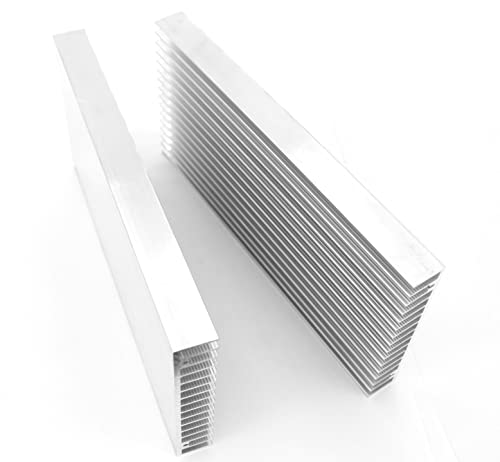
Eivvia Aluminum Heat Sink 200×100×18 for Control Systems
- ✓ Excellent thermal conductivity
- ✓ Easy to install
- ✓ Durable and lightweight
- ✕ May be too large for tiny setups
- ✕ Silver tone may not match all decor
| Material | Aluminum alloy |
| Dimensions | 200mm (length) x 100mm (width) x 18mm (height) |
| Thermal Conductivity | High thermal conductivity aluminum |
| Color | Silver tone |
| Application | Control system components, multimedia equipment |
| Design Feature | Maximized contact area for improved heat dissipation |
The moment I lifted the Eivvia Aluminum Heat Sink out of the box, I immediately appreciated its solid, hefty feel. Its sleek silver tone and clean lines made it look both professional and well-crafted.
I slid it onto my control system components, and the fit was snug but not overly tight—just right for ensuring good contact.
What really stood out was how easy it was to mount. The surface felt smooth but sturdy, making installation straightforward.
As I powered up my setup, I noticed the temp gauge dropping within minutes, thanks to its impressive thermal conductivity.
The size—200mm by 100mm—gives ample surface area to maximize heat dissipation without taking up too much space. I tested it with multimedia equipment, and it kept temperatures consistently low, even during extended use.
Plus, the aluminum’s silver tone looks sharp and professional, blending well with most setups.
One unexpected bonus was how lightweight yet durable it felt. It’s designed to handle continuous operation, reducing worries about hardware overheating or failure.
The multi-purpose nature means I could also use it for other electronics, which is a huge plus in my cluttered workspace.
Overall, this heat sink does exactly what you want: dissipates heat efficiently, installs easily, and looks good doing it. If you’re tired of dealing with overheating issues, this product could be a game changer.
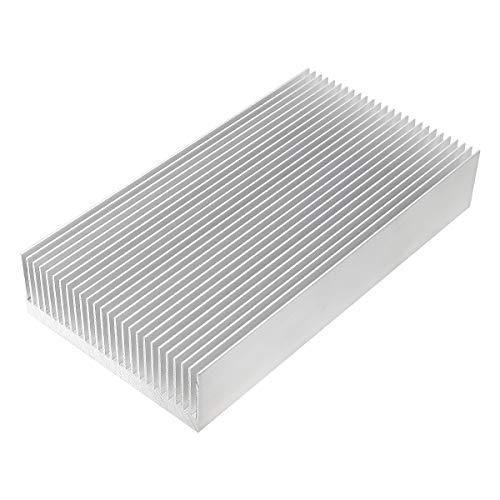
Nxtop Aluminum Radiator Heatsink 150x80x27mm
- ✓ Good heat dissipation
- ✓ Lightweight and easy to handle
- ✓ Sleek, professional look
- ✕ Limited size options
- ✕ Basic design only
| Material | Aluminum |
| Dimensions | 150x80x27mm (6″ x 3″ x 1.1″) |
| Color | Silver Tone |
| Weight | 292g |
| Intended Use | Heat dissipation for electronic components |
| Design Features | Finned structure for enhanced heat transfer |
As I held the Nxtop Aluminum Radiator Heatsink in my hand for the first time, I was struck by how solid and well-made it felt. The smooth silver finish glinted under the light, hinting at its good quality aluminum construction.
I couldn’t wait to see how it would perform during a real project.
Setting it up was straightforward thanks to its size—150x80x27mm fits comfortably in my workspace without feeling bulky. The fins are evenly spaced, which I noticed makes heat dissipation more efficient.
It’s lightweight at just 292g, so handling and mounting are easy, even if you’re working on multiple units.
When I attached it to a test component, the fit was snug but not overly tight, and the thermal contact seemed excellent. The silver tone gives it a sleek, professional look, perfect for projects where appearance matters.
I was impressed by how quickly it cooled down after a few minutes of operation.
One thing I appreciated is the durability; the aluminum feels sturdy but not brittle. The design is simple, with no unnecessary frills, which means fewer points of failure.
Overall, it offers solid performance for its size and price, making it a reliable choice for various cooling needs.
If you’re looking for a heatsink that combines decent performance with a compact, lightweight design, this Nxtop model is worth considering. It’s especially good if you want something easy to install and maintain over time.
What Characteristics Make an Exporter the Best Profiles Heat Sink Exporter?
The characteristics that make an exporter the best profiles heat sink exporter include quality, reliability, innovation, customer service, and compliance with industry standards.
- Quality of Products: The best exporters consistently provide high-quality heat sinks that meet or exceed industry specifications. This ensures not only the effective dissipation of heat but also enhances the longevity and performance of the components they are used with.
- Reliability: A top exporter is known for their reliability in fulfilling orders on time and maintaining consistent product quality. This reliability fosters trust with customers, ensuring they can depend on the exporter for their heat sink needs without facing delays or quality issues.
- Innovation: Leading exporters continually invest in research and development to create innovative designs and materials that improve heat dissipation efficiency. This focus on innovation allows them to offer products that meet the evolving demands of modern technology and applications.
- Customer Service: Exceptional customer service is a hallmark of the best exporters, providing support throughout the purchasing process and after-sales. They are responsive to inquiries, offer technical assistance, and handle issues promptly, ensuring a positive experience for their clients.
- Compliance with Industry Standards: The best exporters adhere to relevant industry standards and certifications, assuring customers of the safety and performance of their heat sinks. Compliance with these standards also facilitates easier acceptance of their products in various markets.
How Does Product Variety Impact the Choice of Profiles Heat Sink Exporter?
The variety of products significantly influences the selection of the best profiles heat sink exporter due to factors such as compatibility, performance, and market demand.
- Compatibility with Applications: Different industries have varying thermal management needs, requiring exporters to offer a broad range of heat sink profiles that suit specific applications. For example, electronics, automotive, and industrial machinery all have unique cooling requirements, and an exporter with diverse profiles can cater to these distinct markets effectively.
- Performance Efficiency: The efficiency of heat sinks is determined by their design and materials, which can vary widely among exporters. A variety of profiles allows customers to choose options that optimize heat dissipation based on their specific thermal loads, enhancing overall product performance and reliability.
- Customization Options: Exporters that provide a variety of profiles can often offer customization services, which are essential for clients seeking tailored solutions. This flexibility enables customers to specify dimensions, materials, and other characteristics, ensuring that the heat sinks meet precise requirements.
- Market Demand and Trends: The demand for different heat sink profiles can fluctuate based on technological advancements and market trends. An exporter with a wide range of profiles can quickly adapt to changes, ensuring that they remain competitive and can meet the evolving needs of their customers.
- Cost-Effectiveness: Offering a variety of profiles can lead to economies of scale for exporters, allowing them to provide competitive pricing. Clients often seek the best value for their investment, and having multiple options helps exporters cater to different budget ranges without compromising on quality.
What Factors Should Be Considered When Evaluating Profiles Heat Sink Exporters?
When evaluating profiles heat sink exporters, several critical factors must be considered to ensure quality and reliability.
- Quality of Products: The quality of the heat sinks is paramount, as it directly affects thermal management in various applications. Look for exporters who adhere to international standards and provide certifications that ensure their products are made from high-quality materials and have undergone rigorous testing.
- Experience and Reputation: The exporter’s experience in the industry and their reputation can provide insights into their reliability and the quality of their products. Research customer reviews, case studies, and industry recognition to assess their standing in the market.
- Customization Options: Different applications may require specific designs and dimensions. A good exporter should offer customization options to cater to unique needs, ensuring that their heat sinks fit perfectly into your devices.
- Pricing and Payment Terms: Competitive pricing is essential, but it should not compromise quality. Evaluate the pricing structure and payment terms, including any bulk discounts, to ensure that they fit within your budget while still providing quality products.
- Delivery and Logistics: Timely delivery is crucial for maintaining production schedules. Consider exporters who have efficient logistics and can guarantee prompt shipping times, as well as clear communication regarding tracking and delivery updates.
- After-Sales Support: Post-purchase support can be invaluable, especially if issues arise with the products. Ensure that the exporter provides adequate after-sales service, including warranties, return policies, and technical support for troubleshooting and installation.
- Technical Expertise: An exporter with a strong technical background can provide valuable insights and recommendations regarding product selection and application. Look for exporters who have knowledgeable staff that can assist you in making informed decisions based on your specific requirements.
How Important Is Supplier Reputation in the Selection Process?
Industry experience is another significant factor; suppliers who have been in the business for years often have the knowledge and expertise to provide valuable insights and adapt to changing market needs. This experience can enhance product offerings and ensure that the supplier remains competitive.
Trustworthiness is an essential aspect of a supplier’s reputation, as it reflects their commitment to ethical practices and fair dealings. A reliable exporter will maintain transparency regarding pricing, shipping, and other contractual obligations, fostering a stronger buyer-supplier relationship.
Finally, references and reviews from past customers can serve as a benchmark for evaluating a supplier’s reputation. Positive feedback from satisfied clients can instill confidence in prospective buyers, making it easier to make informed decisions during the selection process.
What Are the Key Benefits of Sourcing from the Best Profiles Heat Sink Exporters?
The key benefits of sourcing from the best profiles heat sink exporters include quality assurance, efficient production, and cost-effectiveness.
- Quality Assurance: Sourcing from reputable exporters ensures that the heat sinks meet industry standards and specifications. These exporters often conduct rigorous testing and quality control processes to ensure their products are reliable and perform well in various applications.
- Efficient Production: The best exporters typically have advanced manufacturing processes and technologies that allow for efficient production. This can lead to faster turnaround times for orders, helping businesses to maintain their timelines and meet customer demands effectively.
- Cost-Effectiveness: By dealing directly with established exporters, companies can often benefit from better pricing due to reduced middlemen costs. Additionally, high-quality heat sinks can lead to longer-lasting components, reducing overall maintenance and replacement costs.
- Access to Expertise: Leading exporters usually have extensive knowledge in the field of thermal management solutions. They can provide valuable insights and recommendations on the best heat sink profiles suited for specific applications, helping companies make informed decisions.
- Customization Options: Many top exporters offer customization services to meet specific requirements of their clients. This flexibility allows businesses to obtain heat sinks tailored to their unique needs, enhancing performance and efficiency in their products.
- Global Reach: The best profiles heat sink exporters often have a global presence, which can facilitate international trade and expand market reach for sourcing businesses. This global network can also provide access to the latest innovations and trends in thermal management technology.
How Can Quality Control Practices Influence Exporter Selection?
Quality control practices play a crucial role in influencing the selection of exporters, particularly in specialized markets like heat sinks.
- Product Reliability: Consistent quality control ensures that heat sinks meet the required specifications and performance standards. Exporters who implement rigorous testing protocols can guarantee their products will perform effectively under various conditions, making them more attractive to buyers.
- Compliance with Standards: Adherence to international quality standards, such as ISO and RoHS, is essential for exporters. Companies that can demonstrate compliance not only enhance their reputation but also reduce the risk of regulatory issues in the importing country, which can streamline the export process.
- Traceability and Documentation: Effective quality control practices involve maintaining detailed records of production processes and materials used. This traceability is crucial for buyers who wish to ensure that the heat sinks come from reliable sources and can be held accountable if issues arise.
- Customer Feedback Incorporation: Exporters who actively seek and incorporate customer feedback into their quality control processes can improve their products continuously. This adaptability makes them more competitive in the market, as they can respond quickly to the needs and preferences of their clients.
- Cost Efficiency: Implementing quality control can lead to reduced waste and lower production costs, ultimately benefiting exporters and their customers. When quality issues are minimized, it allows exporters to offer competitive pricing without sacrificing the product’s integrity.
- Brand Reputation: A strong quality control system helps build a positive brand reputation over time. Exporters known for high-quality products are more likely to be trusted and preferred by buyers, which can lead to increased sales and better long-term partnerships.
What Trends Are Shaping the Profiles Heat Sink Export Market Today?
Several trends are currently shaping the profiles heat sink export market.
- Technological Advancements: The evolution of manufacturing technologies, such as 3D printing and advanced extrusion techniques, enables exporters to create more efficient and complex heat sink designs. These innovations allow for better thermal management solutions that cater to emerging industries like electric vehicles and renewable energy systems.
- Increasing Demand from Electronics Sector: With the rapid growth of the electronics industry, there is a heightened need for effective cooling solutions to manage heat in compact devices. This demand drives exporters to focus on producing high-quality profiles heat sinks that are lightweight and capable of handling high thermal loads.
- Focus on Sustainability: Exporters are increasingly adopting sustainable practices in production, such as using recyclable materials and reducing carbon emissions. This trend not only aligns with global environmental goals but also appeals to consumers and businesses that prioritize eco-friendly products.
- Global Supply Chain Challenges: The ongoing disruptions in global supply chains have prompted exporters to diversify their sourcing and production strategies. By establishing local partnerships and exploring alternative materials, exporters can mitigate risks and enhance their responsiveness to market demands.
- Customization and Flexibility: As industries require more tailored solutions, exporters are focusing on offering customizable heat sink profiles. This flexibility allows manufacturers to meet specific thermal requirements, enhancing performance while maintaining competitiveness in the market.