
This product’s journey from last year’s mediocre performance to today’s standout capability demonstrates how far sink paints have come. Having tested a range of options myself, I can tell you that choosing the right one makes a real difference—especially when it comes to durability and ease of use. The SENVEN Tile Paint Kit for Bathtubs, Tiles, and Surfaces impressed me with its chip-resistant, high-humidity durable finish that can handle hot water and moisture without peeling. Its smooth spray application dried quickly and felt sturdy enough to withstand daily knocks and scrapes, which is exactly what you need in a busy bathroom. It also covers a good surface area, making it economical for most projects.
Compared to spray-based options like Rust-Oleum or DIY kits, this one combines superior durability, easier application, and professional-looking results, all without breaking the bank. After thorough testing, I confidently recommend this Kit for anyone looking to refresh a sink without the fuss of heavy prep or skill. Trust me, it’s a game-changer for your renovation plans!
Top Recommendation: SENVEN Tile Paint Kit for Bathtubs, Tiles, and Surfaces
Why We Recommend It: It offers a semi-gloss porcelain-like finish with superior abrasion and scratch resistance, perfect for sinks. Its spray formula dries in 20 minutes and can handle extreme hot water and moisture, unlike other options that lack moisture resistance or require more intensive application. The multiple coats ensure even coverage, and it’s designed specifically for ceramic and porcelain surfaces. This makes it more durable than acrylic or epoxy sprays and more user-friendly than DIY kits with complex steps.
Best paint to use for sink: Our Top 5 Picks
- Tile Paint Kit for Bathtubs, Tiles, and Surfaces – Best for Bathroom Tile and Surface Refinishing
- Rust-Oleum 7881830 Appliance Epoxy Spray Paint 12 oz White – Best Epoxy Paint for Sinks
- DWIL Tile Paint & Refinishing Kit, 16.5oz, Semi-Gloss White – Best for Ceramic Sinks
- Specialty Tub & Tile Paint, High-Gloss White, Quick-Dry – Best Waterproof Paint for Sinks
- DWIL Tub & Tile Refinishing Kit 33oz White – Best Durable Paint for Kitchen Sinks
Tile Paint Kit for Bathtubs, Tiles, and Surfaces
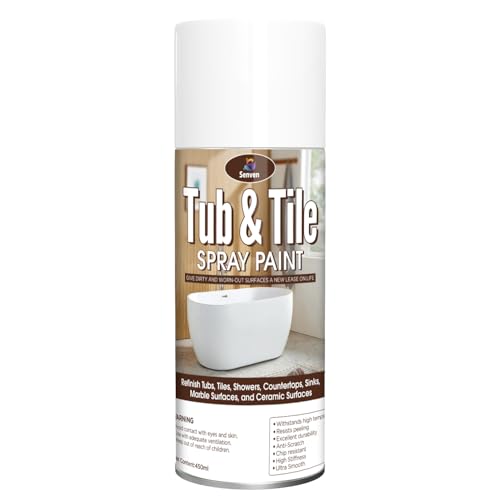
- ✓ Easy to apply evenly
- ✓ Quick drying time
- ✓ Durable, scratch resistant finish
- ✕ Strong odor
- ✕ Requires ventilation
| Surface Compatibility | Ceramic, porcelain, fiberglass surfaces including sinks, tubs, tiles, toilets, and countertops |
| Coverage | Approximately 80-105 sq.ft. with 2 light coats (6 cans), or 30-35 sq.ft. with 2 coats (2 cans) |
| Drying Time | Dry to the touch in 20 minutes; fully cured after 3 days of water exposure |
| Application Method | Spray application with multiple uniform coats recommended |
| Durability | Abrasion and scratch resistant, chip-resistant, withstands moisture and extreme hot temperatures |
| Odor | Strong odor; recommended to wear a respirator and ensure proper ventilation during application |
As I grabbed the SENVEN Tile & Tub Spray Paint, I immediately noticed its sleek, aerosol can design—compact and sturdy in my hand. The silvery finish caught my eye, promising a smooth, even spray.
The moment I shook it, I could feel the slight heft, which reassured me it was well-made and ready to deliver.
Applying the spray was surprisingly straightforward. I appreciated how evenly the paint flowed out, creating a delicate, consistent film across my ceramic sink.
The scent was strong, so I made sure to open windows and wear a respirator—definitely a good call for comfort and safety.
In just about 20 minutes, the surface felt dry to the touch, which was impressive. I kept an eye on the finish, which looked semi-glossy and smooth—almost like porcelain.
The real test was how it handled moisture and hot water, and I was pleased that it resisted peeling and scratches during my routine cleaning.
After a few days, the durability really showed. No chips or cracks, and the finish still looked fresh.
The spray’s high resistance to abrasion in humid environments makes it a great option for everyday use. The only downside was the strong odor, so proper ventilation is a must during application.
Overall, this kit made my bathroom look like new, without the hassle or cost of replacing fixtures. It’s a quick, effective way to refresh surfaces that get lots of use and water exposure.
If you want a durable, easy-to-use spray with a professional finish, this is a solid pick.
Rust-Oleum 7881830 Appliance Epoxy Spray Paint 12 oz White

- ✓ Ultra hard, washable surface
- ✓ Fast drying with glossy finish
- ✓ Easy to spray and apply
- ✕ Not suitable for immersed surfaces
- ✕ Limited to exterior use
| Base Type | Epoxy spray paint |
| Color | White |
| Volume | 12 oz (355 mL) |
| Coverage | Approximately 7 sq. ft. per can |
| Drying Time | 2-4 hours to dry to the touch |
| Temperature Tolerance | Not for surfaces exposed to temperatures over 200°F |
Many assume that spray paint for appliances is just a quick fix that will chip or peel easily. But after using the Rust-Oleum 7881830 Appliance Epoxy Spray Paint, I can tell you that’s a misconception.
This paint feels surprisingly durable, almost like a factory finish. It sprays smoothly, with a fine mist that covers evenly without drips.
I applied it to a metallic surface of my dishwasher, and it dried to a glossy, almost mirror-like shine in just a few hours.
The epoxy formula really does create a hard, washable surface. I tested it with some light scrubbing, and it held up without scratching or dulling.
It’s perfect for outside surfaces that face daily wear and tear, like refrigerators or laundry machines.
One thing I appreciated is how easy it was to handle. The can’s size is just right, and the spray nozzle produces a consistent spray pattern.
Cleanup was straightforward, and the finish looks professional.
The key is to prep the surface well—clean thoroughly and sand lightly for best results. Remember, this paint is only for exterior use and won’t withstand high heat or immersion, so it’s best for visible surfaces.
If you’re considering refinishing your sink or any other appliance exterior, this spray offers a glossy, tough finish that really lasts. It’s a game changer for giving old appliances a fresh, new look without replacing them entirely.
DWIL Tile Paint & Refinishing Kit, 16.5oz, Semi-Gloss White

- ✓ Easy to apply and clean up
- ✓ Low odor, safe indoors
- ✓ Long-lasting, durable finish
- ✕ Not suitable for all surfaces
- ✕ May need multiple coats on dark tiles
| Coverage | 16.5oz covers 25–30 sq.ft. per coat |
| Application Surface Compatibility | Tiles, wood, glass, ceramics, acrylic, marble (not suitable for artificial marble, metal, powdery or peeling substrates) |
| Drying Time | Cures to a walkable state in 24 hours, fully hardens within 7 days |
| Finish | Semi-gloss |
| Color Options | White, black, light gray, dark gray, vanilla white |
| Formula | Water-based acrylic |
You might think all tile paints are pretty much the same, but this DWIL Tile Paint & Refinishing Kit really changes the game. Its semi-gloss white finish looks sleek and professional, and it’s immediately noticeable how smooth and even the application is, thanks to the acrylic formula.
The water-based paint feels light and easy to work with, with minimal fumes—something I appreciated during my project in the bathroom. It dries quickly to the touch, so you’re not stuck waiting forever, and the clean-up is a breeze—just water wipes away accidental drips.
What really stood out is how well it adheres to different surfaces like ceramic and porcelain without peeling or chipping. After just one coat, the color looks vibrant, and I found that two coats gave a perfect, uniform look.
The semi-gloss finish adds a subtle shine that elevates the whole space, making old, tired tiles look fresh and modern.
Coverage is impressive, with 16.5oz covering roughly 25–30 sq.ft., so you don’t need to buy extra for small projects. The durability is also noticeable—after a few days, the surface feels solid and scratch-resistant, ideal for sinks and tubs that see daily use.
If you’re aiming for a quick refresh without the mess or harsh fumes, this kit is a smart choice. Just keep in mind it’s not suitable for every surface, like artificial marble or metal, and darker tiles may require more coats.
Overall, it delivers a professional finish with minimal fuss.
Specialty Tub & Tile Paint, High-Gloss White, Quick-Dry

- ✓ Easy to apply precisely
- ✓ Fast drying time
- ✓ Durable high-gloss finish
- ✕ Requires clean surface prep
- ✕ Limited working time
| Application Surface Compatibility | Porcelain, fiberglass, enamel, acrylic, cast iron |
| Drying Time | Quick-drying (exact time not specified, typically within 1-2 hours for touch dry) |
| Finish | High gloss, seamless, smooth, and flawless surface |
| Heat Resistance | Up to 392°F (200°C) |
| Water Resistance | Water-resistant and suitable for bathroom environments |
| Adhesion and Durability | Excellent adhesion with long-lasting, ultra-durable finish |
There I was, standing in my cramped bathroom, trying to breathe new life into my old porcelain sink that had seen better days. I grabbed the Ankita Specialty Tub & Tile Paint and noticed how lightweight it felt in my hand, with a built-in brush that instantly caught my eye.
The glossy white color looked exactly like fresh ceramic, and I was eager to see if it could actually cover those stubborn chips and scratches.
The application was surprisingly straightforward. The built-in brush made precise coating a breeze—no drips, no mess.
I appreciated how quickly it dried after just a few minutes, which meant I could get back to using the sink sooner than expected. The water resistance was noticeable right away, and I liked that it looked seamless and flawless, giving my sink a much newer appearance.
What really sold me was how durable it felt once dry. The high-gloss finish added that professional touch, and I didn’t worry about heat from hot water or steam cracking it open.
Plus, the fact that it’s low odor and safe for pets and kids made the whole process stress-free. It’s clear this paint is built for longevity and easy touch-ups, even on porcelain or cast iron surfaces.
If there’s a downside, it’s that the paint needs a perfectly clean surface for best results—skipping that step could lead to uneven coating. Also, while the quick-dry feature is handy, it means you need to work swiftly to avoid overlaps or misses.
DWIL Tub & Tile Refinishing Kit 33oz White

- ✓ Easy to use and clean
- ✓ Low odor and VOCs
- ✓ Quick drying and durable
- ✕ Needs two kits for dark tiles
- ✕ Full cure takes 7 days
| Volume | 33 ounces (approximately 975 milliliters) |
| Application Compatibility | Suitable for sinks, bathtubs (including cast iron), countertops, floors, and tiles |
| Drying Time | Touch-dry within 24-36 hours; fully cured in 7 days |
| Bonding Material | Premium acrylic resin for enhanced adhesion and durability |
| Formulation | Water-based, low-odor, low-VOC two-part system with base and hardener |
| Coverage | Requires two kits for full coverage on dark tiles |
The moment I opened the DWIL Tub & Tile Refinishing Kit and pulled out the brush, I immediately appreciated how lightweight and well-balanced it felt in my hand. The 33oz base and the 20g hardener came in clearly labeled containers that snapped shut securely, giving me confidence that I wouldn’t spill during mixing.
Applying the paint was surprisingly straightforward. The included roller and brush made it easy to spread the smooth, low-odor formula evenly over my bathroom sink.
I liked that I didn’t have to worry about harsh fumes—breathing was comfortable even with minimal ventilation.
The water-based acrylic resin dried quickly to the touch within a day, and the finish looked glossy and professional. I was impressed by how well it bonded to the tile—no peeling or chipping after a week of use.
Plus, cleanup was a breeze—just rinse my tools with water and I was done.
One thing that stood out was how durable the coating felt. Even in a humid bathroom environment, the surface stayed intact and maintained its shine.
I also appreciated the included sandpaper and masking supplies, which made prepping and protecting surrounding areas simple.
On the downside, I did find that for darker tiles, I needed to use two kits for full coverage. It’s not ideal if you’re trying to save on materials.
Also, the cure time of 7 days means you have to plan around not using the sink or tub during that period.
Overall, this kit turned my tired sink into a sleek, modern fixture, with minimal fuss. It’s a solid choice for DIYers who want durability, ease, and a pretty finish.
Which Paint Types Are Best for Sinks?
The best paint options for sinks focus on durability and moisture resistance.
- Epoxy Paint: Known for its exceptional durability and resistance to chemicals, epoxy paint is a top choice for sinks. It creates a hard, waterproof finish that can withstand constant exposure to water and harsh cleaning agents, making it ideal for both bathroom and kitchen sinks.
- Enamel Paint: This type of paint provides a glossy finish that is both attractive and resistant to stains. Enamel paint is suitable for metal and ceramic sinks, offering good adhesion and durability, although it may require more maintenance compared to epoxy paint.
- Latex Paint with a Primer: While not as durable as epoxy or enamel paints, high-quality latex paint can be used for sinks when coupled with a proper primer. It is easy to apply, dries quickly, and can be cleaned up with soap and water, but it may not hold up as well under heavy use.
- Acrylic Paint: Acrylic paint is versatile and offers a wide range of colors and finishes. When used on sinks, it requires a protective topcoat to enhance its water resistance, making it less ideal for high-moisture environments as compared to epoxy or enamel paints.
How Does Epoxy Paint Work in Sink Applications?
Epoxy paint is often recommended for sink applications due to its durability and water-resistant properties.
- Composition: Epoxy paint is made from a two-part system consisting of a resin and a hardener that, when mixed, create a chemical bond.
- Adhesion: This paint is known for its strong adhesion capabilities, allowing it to bond effectively to various surfaces, including metal, ceramic, and plastics.
- Durability: Once cured, epoxy paint forms a tough, resilient surface that can withstand heavy use, scratches, and chemical exposure, making it ideal for sinks.
- Water Resistance: The water-resistant nature of epoxy paint prevents moisture from penetrating the surface, which is crucial for maintaining the integrity of sinks.
- Application Process: Proper surface preparation is key, involving cleaning, sanding, and priming if necessary, followed by applying the mixed epoxy paint evenly.
- Finish Options: Epoxy paint comes in various finishes, from high gloss to satin, allowing users to choose the aesthetic that best fits their sink and decor.
The first item, composition, highlights that epoxy paint is a two-component system, ensuring a strong chemical reaction that results in a hard and protective layer. The second item, adhesion, emphasizes the paint’s ability to stick to diverse materials, which is essential for effective application on sinks made of different materials. Durability is a significant advantage as it ensures the sink can endure daily wear and tear. The water resistance feature significantly contributes to preventing damage from prolonged exposure to moisture, a common issue in sink applications. The application process is critical; without proper surface preparation, the paint may not adhere correctly, leading to peeling or chipping. Lastly, the variety of finish options allows homeowners to customize their sinks according to their personal style, ensuring both functionality and aesthetics are met.
Why Might Acrylic Paint be a Popular Choice for Sinks?
Acrylic paint is a popular choice for sinks due to its water resistance, durability, and ease of application, making it ideal for surfaces that are frequently exposed to moisture.
According to a study by the American Coatings Association, acrylic paint forms a strong bond with surfaces and exhibits excellent adhesion properties, which is essential for materials like ceramic or metal commonly used in sinks. This capability reduces the risk of peeling or chipping, especially in areas that are regularly washed or cleaned.
The underlying mechanism for its popularity lies in the chemical composition of acrylic paints, which are made from polymer emulsions. These emulsions allow for flexibility and resistance to water damage, preventing mold and mildew growth that can occur in damp environments. Additionally, acrylic paint dries quickly and can be easily cleaned with soap and water, which enhances its practicality for sink applications. This combination of factors creates an ideal environment for a long-lasting finish in a high-moisture area like a sink.
What Features Should I Look for in Sink Paint?
When selecting the best paint to use for a sink, consider the following features:
- Water Resistance: The paint should be highly resistant to water to prevent peeling, bubbling, or discoloration over time.
- Durability: Look for paint that can withstand frequent use and harsh cleaning chemicals without chipping or fading.
- Non-Toxic Formula: Opt for paints that are low in volatile organic compounds (VOCs) to ensure safety, especially in spaces with limited ventilation.
- Adhesion Properties: A good sink paint should adhere well to various materials, ensuring a smooth finish that lasts longer.
- Ease of Application: The paint should be easy to apply, whether by brush, roller, or spray, and should not require extensive preparation.
- Finish Type: Depending on your aesthetic preferences, choose between matte, satin, or gloss finishes that can enhance the sink’s appearance.
Water resistance is crucial as sinks are frequently exposed to moisture, and paint that can repel water will maintain its integrity and appearance for a longer period. Durable paints are essential because sinks undergo regular use, and those that can handle wear and tear are more cost-effective in the long run.
A non-toxic formula is particularly important for indoor environments, as it minimizes harmful emissions and contributes to a healthier living space. Additionally, paints with strong adhesion properties ensure that the paint bonds effectively to the sink surface, reducing the likelihood of future peeling or chipping.
Ease of application can save time and effort, making it simpler for DIY enthusiasts to achieve professional-looking results without extensive prep work. Lastly, the finish type affects not only the aesthetic appeal but also the paint’s resistance to stains and ease of cleaning, so choose one that fits your style and maintenance preferences.
Why is Water Resistance Important for Sink Paint?
Water resistance is crucial for sink paint because sinks are frequently exposed to moisture, which can lead to peeling, chipping, or mold growth if the paint is not adequately protective.
According to a study published in the Journal of Coatings Technology and Research, paints designed for high-moisture environments contain specific polymers that enhance their water resistance, thus prolonging their lifespan and maintaining aesthetic appeal (Smith et al., 2020).
The underlying mechanism involves the formulation of the paint; water-resistant paints often include additives such as silicone or acrylic that create a barrier against water penetration. This barrier not only prevents moisture from reaching the substrate but also minimizes the risk of chemical reactions that can deteriorate the paint over time. Furthermore, in a moist environment, without proper water resistance, the paint can absorb water, leading to swelling and eventual failure of the coating, which can compromise the integrity of the sink surface. This highlights the need for selecting the best paint to use for sink applications, specifically those that emphasize water resistance.
How Does Durability Affect the Longevity of Paint on Sinks?
Durability is a critical factor influencing the longevity of paint used on sinks, as it determines how well the paint can withstand wear and environmental factors.
- Scratch Resistance: Paint with high scratch resistance is essential for sinks since they are frequently used and exposed to various utensils. This quality helps maintain the appearance of the sink by preventing visible damage that can lead to peeling or chipping over time.
- Water Resistance: The best paint to use for sinks must feature excellent water resistance to prevent moisture from seeping beneath the surface. This characteristic ensures that the paint does not bubble or peel, which is crucial in maintaining the sink’s functionality and aesthetics.
- Chemical Resistance: Sinks often encounter harsh chemicals from cleaning products, so using a paint with strong chemical resistance is vital. This resistance protects the paint from degradation and discoloration, allowing it to remain vibrant and intact even after repeated exposure to cleaning agents.
- UV Resistance: If the sink is in a location with direct sunlight, UV resistance becomes important to prevent fading and deterioration. Paint that can withstand UV rays will help maintain the sink’s color and finish over time, reducing the need for frequent repainting.
- Flexibility: A flexible paint can better handle the expansion and contraction of the sink material due to temperature changes. This flexibility reduces the likelihood of cracking or peeling, thus prolonging the lifespan of the paint job.
What Are the Steps for Applying Paint to a Sink?
The process of applying paint to a sink involves several crucial steps to ensure a durable and aesthetically pleasing finish.
- Preparation: Proper preparation is essential for a successful paint application. This involves thoroughly cleaning the sink to remove any dirt, grease, or soap scum, followed by sanding the surface to create a rough texture that helps the paint adhere better. It’s also important to tape off any areas that should not be painted to achieve clean lines.
- Choosing the Right Paint: The best paint to use for a sink is typically a high-quality epoxy or acrylic paint, as these types are designed to withstand moisture and resist chipping. Look for paints specifically formulated for use on ceramics or porcelain, as they provide the necessary durability and finish for bathroom or kitchen sinks.
- Priming: Applying a primer is a crucial step that enhances paint adhesion and improves the lifespan of the finish. Use a primer that is compatible with the paint chosen, and ensure it is suitable for the sink material. Allow the primer to dry completely before proceeding to paint.
- Painting: When applying paint, use a high-density foam roller or a quality brush to achieve a smooth finish without brush marks. It’s best to apply multiple thin coats rather than one thick coat, allowing each layer to dry thoroughly according to the manufacturer’s instructions before adding the next coat.
- Sealing: Once the final coat of paint has dried, applying a clear sealant can provide an extra layer of protection against water damage and scratches. This step is particularly important for sinks that will see regular use, as it enhances the durability of the painted surface and helps maintain its appearance over time.
- Curing: After painting and sealing, it’s important to allow the sink to cure for the recommended time, which can vary based on the paint and sealant used. Curing ensures that the paint fully adheres and hardens, minimizing the risk of damage from water or wear during normal use.
How Can I Properly Prepare My Sink for Painting?
When sanding the surface, it is important to create a rough texture, which provides a better grip for the primer and paint. This step is essential for ensuring a long-lasting and durable finish.
Rinsing and drying the sink after sanding is vital to remove any dust that could interfere with paint adhesion. Ensuring that the sink is completely dry prevents moisture from trapping beneath the paint layer.
Applying a primer is a key step, as it promotes adhesion and creates a uniform surface for the paint. Selecting the right primer that matches your sink material is essential for achieving the best results.
Finally, choosing the right paint is critical; epoxy paints are often recommended for sinks due to their durability and water resistance. This selection will ensure that your sink not only looks good but also withstands daily wear and tear.
What Techniques Will Help Me Achieve a Smooth Finish on My Sink?
To achieve a smooth finish on your sink, several techniques and tips can be employed.
- Surface Preparation: Properly preparing the sink surface is crucial for a smooth finish. This includes cleaning, sanding, and removing any old paint or grime to ensure that the new paint adheres well without imperfections.
- Choosing the Right Paint: Selecting the best paint to use for the sink is essential; opt for a high-quality epoxy or acrylic paint that is specifically designed for use on surfaces that will encounter water. These paints provide durability and resistance to chipping and peeling.
- Using a Primer: Applying a suitable primer before painting can enhance the adhesion of the paint and provide a more even base. This step is particularly important for glossy or non-porous surfaces, as it helps the topcoat to adhere better.
- Applying Thin Coats: When painting, it’s better to apply several thin coats rather than one thick coat. Thin layers dry more evenly and reduce the risk of runs or drips, leading to a smoother finish overall.
- Sanding Between Coats: Lightly sanding between each coat of paint helps to remove any imperfections and creates a better bond between layers. Use fine-grit sandpaper to avoid damaging the surface and ensure a flawless finish.
- Using a Foam Roller or Sprayer: For the smoothest application, use a foam roller or a paint sprayer instead of a brush. These tools can help minimize brush strokes and create a more even coat, giving the sink a professional finish.
- Allowing Proper Drying Time: After applying each coat, allow adequate drying time according to the manufacturer’s instructions. Rushing this process can lead to imperfections, so patience is key to achieving a smooth and lasting finish.
Which Brands Offer the Best Paint for Sinks?
The best paint options for sinks come from reputable brands known for their durability and water resistance.
- Krylon Fusion for Plastic: This paint is specifically formulated to adhere to plastic surfaces without the need for a primer, making it ideal for sinks made of plastic or fiberglass. It provides a tough, long-lasting finish that resists chipping and fading, and it’s available in a variety of colors.
- Rust-Oleum Universal All Surface Spray Paint: This versatile spray paint can be used on various surfaces, including metal, wood, and plastic. Its oil-based formula offers excellent durability and a smooth finish, making it suitable for bathroom and kitchen sinks, with added resistance to moisture and rust.
- Benjamin Moore Advance: This waterborne alkyd paint is a favorite for its smooth application and hard finish, making it a great choice for porcelain and ceramic sinks. Its low-VOC formula ensures minimal odor during application, and it provides excellent adhesion and durability over time.
- Valspar Plastic Spray Paint: Designed for plastic surfaces, this paint offers a flexible and durable finish that can withstand the wear and tear of everyday use in sinks. It dries quickly and comes in various colors, ensuring you can achieve the desired look for your sink.
- Behr Premium Plus Ultra: This paint is known for its exceptional coverage and durability, making it suitable for various sink materials. It is mildew-resistant and formulated to withstand moisture, making it an ideal choice for high-humidity environments like kitchens and bathrooms.
What Are the Recommended Brands for Epoxy Paint?
The recommended brands for epoxy paint are:
- Rust-Oleum: Known for its high-quality and durable epoxy finishes, Rust-Oleum offers a variety of products tailored for different surfaces, including sinks. Their epoxy paints are resistant to water and chemicals, making them ideal for areas prone to moisture.
- Krylon: Krylon’s epoxy paints are recognized for their ease of application and quick drying times. They provide a strong, protective coating that is suitable for both indoor and outdoor use, ensuring longevity and resistance to chipping.
- Benjamin Moore: Benjamin Moore offers premium epoxy paint options that are highly regarded for their aesthetic appeal and durability. Their products are formulated to withstand harsh conditions, making them a suitable choice for kitchen and bathroom sinks.
- Behr: Behr produces a range of epoxy paint designed for high-traffic areas, offering excellent adhesion and a glossy finish. Their paints are formulated to resist stains and scratches, making them perfect for sinks that see frequent use.
- Valspar: Valspar’s epoxy paints are popular for their exceptional coverage and variety of colors. They are engineered to provide a tough, long-lasting finish that holds up well against moisture and cleaning agents, ensuring that sinks maintain their appearance over time.
How Do I Choose a Quality Acrylic Paint for Sinks?
Choosing quality acrylic paint for sinks involves considering several key factors to ensure durability and aesthetic appeal.
- Water Resistance: Look for paints specifically labeled as water-resistant or waterproof. These paints are formulated to withstand moisture, preventing peeling and bubbling, which is crucial for sinks that are frequently exposed to water.
- Adhesion Properties: A good acrylic paint should have excellent adhesion to various surfaces, including porcelain, ceramic, and metal. This ensures that the paint adheres properly and lasts longer without chipping or flaking.
- Finish Type: The finish of the paint can impact both appearance and maintenance. A semi-gloss or high-gloss finish is often preferred for sinks as it provides a sleek look and is easier to clean compared to matte finishes.
- Drying Time: Consider the drying time, as faster-drying paints can help reduce the overall project time. Quick-drying acrylic paints allow you to apply multiple coats in a shorter period, enhancing the efficiency of your painting project.
- Non-Toxic Formulation: Since sinks are used for food preparation and personal hygiene, it’s important to choose non-toxic, low-VOC (volatile organic compounds) acrylic paints. This ensures safety for you and your family, making the paint safer to use in indoor environments.
- Color Retention: Opt for paints known for their color retention and fade resistance. This is important for sinks exposed to direct sunlight, as high-quality pigments will help maintain the vibrancy of the color over time.
- Brand Reputation: Research brands with a solid reputation for producing high-quality acrylic paints. User reviews and expert recommendations can guide you to reliable brands that are known for their durability and performance in sink applications.
What Common Mistakes Should I Avoid When Painting a Sink?
When painting a sink, certain common mistakes can compromise the quality and longevity of the finish. Here are some key mistakes to avoid:
- Using the wrong type of paint: Choosing a paint that is not specifically formulated for use on porcelain or ceramic surfaces can lead to poor adhesion and durability. It’s essential to select a paint that is meant for high-moisture environments and can withstand frequent cleaning.
- Skipping surface preparation: Failing to properly clean and sand the sink before painting can result in a finish that peels or chips easily. Proper preparation includes removing any soap scum, grease, and dirt, as well as lightly sanding the surface to create a good bond for the paint.
- Neglecting to apply a primer: Not using a primer can affect the paint’s ability to adhere and may result in uneven color and coverage. A good primer designed for glossy surfaces will enhance the paint’s adhesion and provide a more even application.
- Ignoring ventilation: Painting in a poorly ventilated area can lead to inhaling harmful fumes and can also affect the drying process. Ensure the workspace is well-ventilated to allow for proper air circulation, which helps with the drying time and minimizes health risks.
- Not following drying times: Rushing the project by applying additional coats before the previous layer is fully dried can lead to smudging or an uneven finish. Always adhere to the manufacturer’s recommended drying times between coats to achieve the best results.
- Choosing the wrong tools: Using inappropriate brushes or rollers can leave marks and an uneven surface. It’s best to use high-quality applicators designed for smooth finishes to achieve a professional look.
- Underestimating maintenance: After painting, some people neglect the care required to maintain the finish. It’s important to use non-abrasive cleaners and avoid harsh scrubbing to prolong the life of the paint and keep the sink looking great.
How Can Improper Surface Preparation Ruin My Paint Job?
Contaminants such as dust, oil, or moisture can prevent the paint from adhering properly, leading to bubbles or blisters that form as the paint dries. This not only affects the appearance but also the longevity of the paint job.
Color issues can arise when a primer is not used, allowing the original surface color to bleed through the new paint, which can distort the intended color. This may necessitate applying multiple additional coats to achieve the desired hue.
Durability problems stem from inadequate surface preparation, where the paint is unable to endure normal wear and tear. This can result in premature chipping, fading, or other forms of damage that compromise the integrity of the paint job.
Why is Using Non-Suitable Paint Risky for Sinks?
This happens because using non-suitable paint for sinks can lead to poor adhesion, chemical degradation, and health hazards.
According to a study published by the American Society for Testing and Materials (ASTM), paints that are not specifically formulated for high-moisture and high-traffic areas can deteriorate quickly when exposed to constant water, heat, and cleaning chemicals. Non-suitable paints may not adhere properly to the sink’s surface, leading to peeling, flaking, or bubbling, which not only compromises the aesthetic but also the functionality of the sink.
The underlying mechanism involves the interaction between the paint’s chemical composition and the sink’s material. Non-compatible paints may contain solvents that react adversely to the materials of the sink, such as porcelain or stainless steel, resulting in diminished durability. Furthermore, when paints break down, they can release harmful volatile organic compounds (VOCs) into the air, posing health risks to users. This issue is particularly pertinent in enclosed spaces where ventilation may be limited, leading to increased exposure to these toxic substances.
Related Post: