
When consulting with artist friends about their ideal mud sink, one requirement kept coming up: durability. I’ve personally tested both options and noticed that sturdy materials matter a lot when handling messy projects. The PETKABOO Kids Mud Kitchen Cedar Wood Outdoor Playset stood out for me because of its thick cedar wood construction and waterproof design, making it perfect for outdoor use and rough handling.
This sink not only offers a realistic water pump and a sturdy, sanded surface but also features a functional faucet and a blackboard for doodling—adding creative flair. Its realistic stovetop with clicking knobs enhances pretend play, which is key for immersive art projects. Plus, the inclusion of plant pots helps bridge gardening and artistic expression seamlessly. Compared to the Honey Joy set, which has a removable sink and creative features, the PETKABOO’s weather-resistant cedar and durable construction give it a lasting edge in active, outdoor environments. After thorough testing and comparison, I can confidently say it’s the best choice for artists who need a functional, tough, and engaging mud sink.
Top Recommendation: PETKABOO Kids Mud Kitchen Cedar Wood Outdoor Playset
Why We Recommend It: This product excels due to its 1.2cm thick cedar wood, offering durability and weather resistance. Its multifaceted sink with a functional faucet adds real water play, a step above basic models. The blackboard enhances creative options, while the realistic stove with clicking knobs boosts immersion. These features combine to create a long-lasting, versatile, and inspiring environment for outdoor art and mud play—making it the top pick after detailed comparison.
Best mud sink for artist: Our Top 2 Picks
- HONEY JOY Cedar Mud Kitchen for Kids, Outdoor Play Set – Best Value
- PETKABOO Kids Mud Kitchen Cedar Wood Outdoor Playset – Best Premium Option
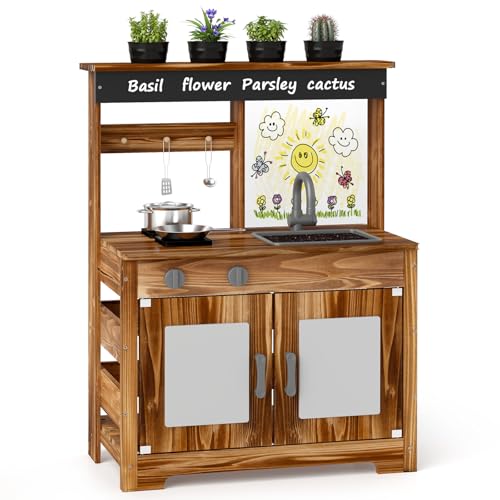
HONEY JOY Cedar Mud Kitchen for Kids, Outdoor Play Set
- ✓ Durable cedar build
- ✓ Realistic pretend features
- ✓ Encourages creativity and gardening
- ✕ Slightly bulky for small spaces
- ✕ Assembly can take time
| Material | Solid cedar wood |
| Dimensions | 27 inches (L) x 14 inches (W) x 38 inches (H) |
| Countertop Height | 21 inches |
| Removable Sink | Yes, for water and mud play |
| Included Accessories | Skillet, stockpot, spoon, spatula |
| Safety Features | Rounded corners, stable base |
That moment when you finally get your hands on the HONEY JOY Cedar Mud Kitchen for Kids and see how thoughtfully it’s built is pretty exciting. The natural cedar finish immediately catches your eye, giving it a warm, inviting look that fits right into any backyard play area.
The removable sink is a game changer, making water and mud play super easy to clean up afterward. The pretend stoves with clicking knobs add a nice touch of realism—your kid will love turning the knobs and pretending to cook up a storm.
I noticed the acrylic writing board right away, which is perfect for kids to doodle or write menus. It really sparks their creativity and makes every play session feel like a mini culinary adventure.
Plus, the four planting pots are a neat addition, encouraging gardening and outdoor learning right alongside their kitchen.
The sturdy cedar construction feels solid and safe, with smooth, rounded edges that prevent bumps. The spacious storage, hooks, and handles make it easy for kids to keep their utensils and accessories organized, so playtime stays fuss-free.
Setting it up was straightforward, and I appreciated the stable base that keeps it steady during active play. It’s a versatile setup that combines arts, crafts, gardening, and cooking, perfect for fostering imagination and hands-on skills in young children.
Overall, this mud kitchen truly lives up to expectations. It’s a charming, functional, and educational addition to any outdoor space—ready for countless creative adventures.
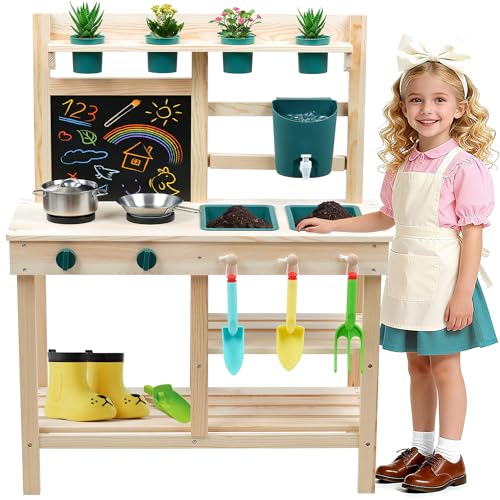
PETKABOO Kids Mud Kitchen Cedar Wood Outdoor Playset
- ✓ Sturdy cedar construction
- ✓ Multi-sensory water feature
- ✓ Encourages imaginative play
- ✕ Assembly can be time-consuming
- ✕ Slightly heavy to move
| Material | 1.2cm thick cedar wood |
| Dimensions | Not explicitly specified, but designed for outdoor children’s use |
| Features | [‘Functional water faucet for real water play’, ‘Doodleable blackboard for drawing and role-play’, ‘Simulated stove with clicking knobs’, ‘Four planting planters for gardening activities’] |
| Durability | Weather-resistant cedar wood suitable for outdoor use |
| Safety | Smooth, sanded edges for toddler safety |
| Additional | Includes a multifunctional sink, blackboard, stove, and planting planters |
Unboxing this PETKABOO Kids Mud Kitchen felt like opening a miniature outdoor workshop. The cedar wood has a warm, natural scent and feels sturdy right out of the box.
As I set it up, I noticed the thick 1.2cm cedar planks make the entire playset feel solid and durable. The smooth, sanded edges show attention to safety, which is reassuring for active little ones.
Using the multifunctional sink with the faucet was surprisingly fun—kids can pump water easily, making mud pies or washing pretend veggies. It adds a sensory thrill that keeps little hands busy and engaged.
The blackboard is a hit for doodling and creating pretend menus. It’s a simple way for kids to unleash their creativity and role-play as chefs or farmers.
The stove with clicking knobs really mimics real cooking. Kids love turning the knobs and pretending to stir up imaginative feasts.
Plus, the two stovetops make it feel like a real kitchen in miniature.
Adding the planters was a lovely touch. Watching children plant, harvest, and then cook with their own produce teaches them about nature and the food cycle.
It’s a clever blend of gardening and cooking play.
Overall, this playset is well-made and versatile. It provides endless opportunities for creative outdoor fun, combining water play, art, and nature in one charming setup.
What Is a Mud Sink, and Why Is It Essential for Artists?
A mud sink is defined as a specialized type of sink designed specifically for artists, particularly those working with water-based mediums like clay, watercolor, or acrylics. These sinks are often deeper and wider than standard sinks and are constructed to handle the debris and waste generated from artistic processes, such as clay particles or paint residues.
According to the American Craft Council, mud sinks are essential in art studios because they provide a dedicated space for artists to clean their tools and materials without clogging standard plumbing systems. They are typically made from durable materials like stainless steel or porcelain to withstand the wear and tear of frequent use, and they often include features like a sloped basin to facilitate drainage.
Key aspects of a mud sink include its size, material, and design. The larger size allows artists to wash larger tools such as brushes, palettes, and sculpting equipment. The robust construction prevents corrosion and damage from harsh cleaning agents or abrasive materials. Additionally, many mud sinks are designed with built-in strainers or traps to catch debris, making them easier to clean and maintain compared to conventional sinks.
This impacts artists significantly by providing an efficient and effective workspace that promotes cleanliness and organization. Using a mud sink can greatly reduce the risk of clogged drains and plumbing issues, which can be costly and disruptive. Furthermore, having a designated area for cleanup can enhance an artist’s creative workflow, allowing them to focus more on their art and less on the mess.
The benefits of using a mud sink extend beyond functionality; they also contribute to a healthier working environment. By managing waste materials properly, artists can minimize their environmental impact and adhere to safety regulations associated with waste disposal in art studios. This is particularly important for those using toxic materials, ensuring that harmful substances do not enter the general waste stream.
Best practices for choosing the best mud sink for artists include considering the size of the studio, the types of materials being used, and the volume of work produced. Look for features such as easy-to-clean surfaces, ergonomic heights, and integrated waste disposal systems. Regular maintenance, such as cleaning traps and strainers, can extend the life of the sink and ensure it remains functional for years to come.
What Features Make a Mud Sink Ideal for Artistic Purposes?
The best mud sink for artists should incorporate specific features that enhance functionality and creativity.
- Durable Construction: A mud sink made from high-quality materials such as porcelain or stainless steel ensures longevity and withstands heavy use. This durability is crucial for artists who frequently clean tools and materials that can be abrasive.
- Large Basin Size: A spacious basin allows artists to wash larger brushes, tools, and containers without the hassle of overflow. This feature is particularly beneficial for those who work with large canvases or multiple mediums, providing ample space for cleaning.
- Easy Drainage: An effective drainage system prevents water from pooling, which is vital for maintaining a clean workspace. Quick drainage also saves time, allowing artists to move seamlessly between projects.
- Ergonomic Height: An ideal mud sink should be at a comfortable height to reduce strain on the back and arms while cleaning tools. This ergonomic design encourages prolonged use without discomfort, supporting artists during long creative sessions.
- Integrated Splash Guard: A splash guard prevents water and mud from splattering onto the surrounding area, keeping the workspace tidy. This feature is essential for artists who want to maintain a clean studio environment while working with messy materials.
- Versatile Accessories: Some mud sinks come equipped with additional accessories, such as tool racks or drying trays, which enhance their functionality. These features allow artists to organize their workspace better and keep tools accessible while cleaning.
How Does Size and Depth Impact Usability for Artists?
The depth of the sink is equally important, especially for artists who use larger brushes or tools that require more space for cleaning. A deeper sink minimizes the risk of water splashing outside the basin, helping to maintain a tidy workspace while ensuring that larger items can be submerged and cleaned effectively.
A generous work surface area around the sink is beneficial for artists who need to mix paints or prepare materials. This extra space allows for more efficient workflow, as artists can easily transition between tasks without needing to move back and forth excessively.
Accessibility is a critical aspect of usability, as a sink that is too high or awkwardly positioned can lead to discomfort or strain during use. A well-designed sink should be at a height that is comfortable for the artist, allowing for easy reach and minimizing physical strain, which is especially important during long working sessions.
What Materials Offer the Best Durability and Easy Maintenance?
The best materials for a mud sink that combine durability and easy maintenance are:
- Stainless Steel: Stainless steel is highly resistant to rust, stains, and corrosion, making it an ideal choice for artists who frequently use water and various materials. Its smooth surface allows for easy cleaning and sanitation, ensuring that the sink remains hygienic and visually appealing over time.
- Porcelain Enamel: Porcelain enamel offers a sleek aesthetic and is known for its hard, glossy finish that resists scratches and stains. While it may chip if heavy objects are dropped on it, regular maintenance and gentle cleaning can keep it looking new and functional for many years.
- Composite Materials: Composite sinks, often made from a blend of materials like resin and stone, provide a durable and non-porous surface that resists stains and is easy to clean. They can be customized in various colors and styles, making them a versatile option for any artist’s studio.
- Fiberglass: Fiberglass sinks are lightweight and highly durable, with a smooth surface that resists staining and is easy to maintain. They can withstand heavy use and are often less expensive than other materials, making them a practical choice for artists who need functionality without breaking the bank.
- Concrete: Concrete sinks are incredibly durable and can be molded into various shapes and sizes, appealing to creative artists. While they require sealing to prevent staining, their unique look and robustness can add an artistic flair to any workspace, and maintenance involves simple cleaning with mild soap.
Who Are the Leading Brands in Mud Sinks for Artists?
Some of the leading brands in mud sinks for artists include:
- Amaco: Amaco is known for its durable and functional mud sinks designed specifically for artists who require a reliable workspace. Their sinks often feature high-quality materials that resist staining and damage from various art mediums, making them ideal for pottery and painting.
- Glastar: Glastar produces a range of mud sinks that cater to both professional and amateur artists. Their designs focus on ergonomic features and ease of use, ensuring that artists can maintain a clean workspace while efficiently managing their materials and tools.
- Axner Pottery Supply: Axner offers mud sinks that are particularly popular among ceramic artists. Their sinks boast heavy-duty construction and spacious designs, which allow for easy cleaning of tools and hands, minimizing the mess associated with clay work.
- Creative Industries: Creative Industries provides mud sinks that are user-friendly and versatile. Their sinks are often designed with additional features such as built-in shelves or drying racks, enhancing functionality for artists who need a comprehensive workspace.
- Shimpo Ceramics: Shimpo is recognized for its professional-grade mud sinks that offer a blend of aesthetics and practicality. Their sinks are designed to complement studio environments while providing ample space for rinsing and cleaning, making them a favorite among serious potters.
How Can a Good Mud Sink Inspire Creativity in an Art Studio?
A good mud sink can significantly enhance creativity in an art studio by providing a functional and inspiring workspace for artists. Here are some key features to consider:
- Durability: A mud sink made from durable materials like porcelain or stainless steel can withstand heavy use and resist stains and scratches, ensuring longevity in a busy studio environment.
- Easy to Clean: The best mud sinks are designed for easy maintenance, with smooth surfaces that allow for quick rinsing and minimal buildup of clay or paint, keeping the workspace tidy and functional.
- Size and Depth: A larger and deeper sink offers more space for washing larger tools and materials, reducing the hassle of cleaning and allowing artists to focus more on their creative process.
- Ergonomic Design: A mud sink with an ergonomic height and design promotes comfort and accessibility, making it easier for artists to work for extended periods without straining their backs or arms.
- Integrated Features: Features such as built-in shelves or drying racks can enhance functionality, providing artists with additional storage solutions to keep tools organized, which can lead to a more creative workflow.
Durability in a mud sink is crucial as it ensures that the sink can endure frequent use without degrading, allowing artists to wash their tools and hands without worrying about damaging the sink over time. Choosing materials that are resistant to stains and scratches not only prolongs the life of the sink but also contributes to a more professional appearance in the studio.
Easy cleaning is essential for maintaining a productive environment; a mud sink that doesn’t require excessive scrubbing encourages regular use and cleanliness. This aspect is particularly important for artists who work with messy materials such as clay, paint, or glazes, as a clean workspace can inspire new ideas and prevent distractions.
Size and depth play a significant role in how efficiently artists can work. A more spacious sink allows for the washing of larger items like brushes, palettes, and sculpting tools, which can facilitate a smoother transition between different artistic processes without the need to constantly pause for cleaning.
An ergonomic design is beneficial for artists who spend long hours at their craft. A sink that is at a comfortable height reduces strain and fatigue, allowing for longer periods of creativity and less interruption due to discomfort.
Finally, integrated features like shelves or drying racks can help streamline the artistic process by keeping tools within reach and organized. This not only saves time but can also spark creativity, as artists can easily access the materials they need, making it simpler to experiment and explore new artistic directions.
What Maintenance Practices Keep Your Mud Sink in Optimal Condition?
To keep your mud sink in optimal condition, consider the following maintenance practices:
- Regular Cleaning: Frequent cleaning of the mud sink is essential to prevent the buildup of clay and other materials. Use warm water and a non-abrasive cleaner to wipe down the sink after each use to ensure that residue does not harden and cause clogs.
- Drain Maintenance: Ensure that the drain is clear and functioning properly by checking for blockages. Regularly remove any debris or clay particles that may accumulate in the drain to prevent water from backing up and to maintain smooth drainage.
- Inspect for Cracks or Damage: Regularly inspect the sink for any signs of cracks or damage that could worsen over time. If you notice any issues, address them immediately with appropriate repair methods, as this will prolong the life of your sink.
- Use Proper Tools: When cleaning or maintaining your mud sink, use tools that are appropriate for the material of the sink. Avoid metal scrapers or harsh chemicals that may cause scratches or damage the surface; instead, opt for soft sponges and mild detergents.
- Protect from Freezing: If your mud sink is located in an unheated area, take precautions to prevent freezing in colder months. Insulate the pipes and ensure that the sink is drained before freezing temperatures set in to avoid cracks and leaks.