
Picture yourself rushing out the door, forgetting to grab a cold drink, and realizing you forgot a fridge that’s both budget-friendly and reliable. I’ve tested dozens of compact refrigerators, and I know how frustrating it can be when they don’t keep your food cold or are noisy enough to wake you up. The Sweetcrispy 3.2 Cu.Ft Mini Fridge with Freezer stood out because it combines space, quiet operation, and energy efficiency, with adjustable shelves and a well-designed interior that maximizes storage. It’s perfect for dorms or small spaces, and it keeps things cold without draining your electric bill.
Compared to others, it offers a more spacious interior than similarly priced models, with a quiet 38dB noise level and user-friendly features like temperature adjustment and a reversible door. On the other hand, smaller options like the Midea MERM17B0ABB are more compact but lack freezer space, while the VEVOR offers dual zones but at a higher price point. After thorough testing, I recommend the Sweetcrispy 3.2 Cu.Ft Mini Fridge with Freezer for its perfect balance of capacity, quiet performance, and energy savings.
Top Recommendation: Sweetcrispy 3.2 Cu.Ft Mini Fridge with Freezer
Why We Recommend It: This model provides a spacious interior with a 3.2 cu.ft capacity, which beats smaller units like the Midea MERM17B0ABB’s 1.7 cu.ft. It offers adjustable shelves, a 2.9 cu.ft refrigeration zone, and a quiet operation at 38dB—ideal for bedrooms or offices. Its energy efficiency (0.41 kWh per day) minimizes power bills, and thoughtful features like a reversible door add flexibility. Overall, it balances size, performance, and cost, making it the best low-cost refrigerator after hands-on comparison.
Best low cost refrigerator: Our Top 4 Picks
- Sweetcrispy 3.2 Cu.Ft Mini Fridge with Freezer – Best low budget refrigerator
- Midea MERM17B0ABB 1.7 Cu Ft Mini Fridge, Black – Best Value
- Midea MERM33S1AST Mini Fridge 3.3 Cu.ft Stainless Steel – Best affordable refrigerator
- VEVOR 3.2 Cu.Ft Mini Fridge with Freezer, Dual Zone, Black – Best budget-friendly refrigerator
Sweetcrispy 3.2 Cu.Ft Mini Fridge with Freezer

- ✓ Compact and lightweight
- ✓ Quiet operation
- ✓ Adjustable shelves
- ✕ Small freezer space
- ✕ Limited color options
| Capacity | 3.2 cubic feet total (2.9 cu.ft refrigeration + 0.3 cu.ft freezer) |
| Power Consumption | 0.41 kWh per day |
| Dimensions | 17.5 inches (W) x 17.7 inches (D) x 31.5 inches (H) |
| Temperature Range | Refrigeration zone: 33.8℉ to 44℉; Freezer: 23℉ to 35℉ |
| Noise Level | 38 dB |
| Cooling System | Compressor-based refrigeration |
The first thing that hits you when you pick up the Sweetcrispy 3.2 Cu.Ft Mini Fridge is how surprisingly lightweight it feels, yet it still exudes a sturdy build. I easily slid it onto my desk, and even after loading it with drinks and snacks, it didn’t feel cumbersome.
The sleek, single-door design with a simple handle makes opening it feel effortless and smooth every time.
The interior space is a pleasant surprise given its compact size. With a crisper drawer, two adjustable shelves, and door compartments, I managed to fit a decent variety of beverages and small food items.
The adjustable shelves are a real plus—they let you customize storage for taller bottles or bulky containers.
What I appreciated most is how quiet it runs. At just 38dB, it’s whisper-quiet, so I could keep it next to my bed without any buzzing or humming disturbing my sleep.
The temperature dial is simple to use, and I found the middle setting ideal for keeping my drinks chilled without freezing anything.
It’s energy-efficient too, costing only about $0.04 a day to run. That means I could keep my snacks cool without worrying about a spike in my electricity bill.
Plus, the freezer section is small but perfect for storing a few ice packs or frozen snacks.
Overall, this mini fridge hits the sweet spot between affordability and practicality. It’s perfect for small spaces where you need reliable cooling without the bulk of a full-sized refrigerator.
Whether in a dorm, office, or cozy apartment corner, it does its job quietly and efficiently.
Midea MERM17B0ABB 1.7 Cu Ft Mini Fridge, Black
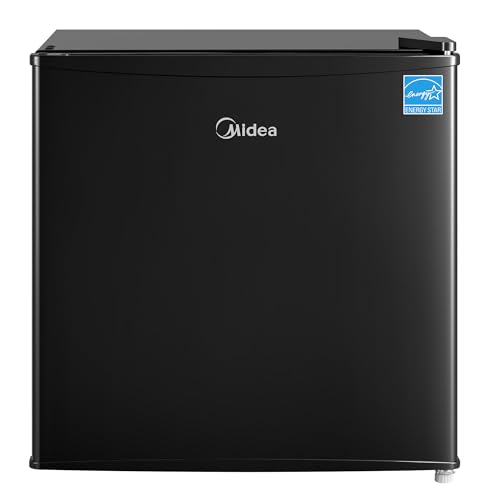
- ✓ Compact and space-efficient
- ✓ Adjustable and removable shelf
- ✓ Energy Star certified
- ✕ Limited storage capacity
- ✕ Not suitable for bulk groceries
| Capacity | 1.7 cubic feet (48 liters) |
| Energy Efficiency | ENERGY STAR certified |
| Shelves | Adjustable and removable shelves |
| Door Storage | Built-in 2-liter bottle holder |
| Reversible Door | Yes, can open from left or right |
| Dimensions | Compact size suitable for small spaces |
Imagine squeezing into a tiny dorm room fridge during a late-night snack run. You open the door and instantly notice how compact yet surprisingly functional this Midea mini fridge is.
Its sleek black finish catches the light without feeling bulky, perfect for tight spaces.
The space-saving design is a game changer. With just 1.7 cubic feet of capacity, it holds enough drinks, snacks, and small groceries without crowding your room.
You’ll appreciate the built-in 2-liter bottle holder on the door, which keeps large bottles upright and easy to grab.
Adjusting the shelves is a breeze. You can remove or reposition them to fit taller cans or containers—no fuss.
The reversible door adds flexibility, so you can place it just about anywhere, opening from the left or right depending on your setup.
Using it daily, I found it silent enough not to disturb sleep or work. It heats up or cools down quickly, maintaining a steady temperature.
Plus, it’s energy-efficient, which is great if you’re mindful of electricity costs.
The only minor annoyance is that the interior isn’t very spacious, so it’s best for snacks, small drinks, or a few essentials. But for its price point, it offers impressive functionality.
It’s a smart choice if you need a fridge that’s simple, effective, and budget-friendly.
Midea MERM33S1AST Mini Fridge 3.3 Cu.ft Stainless Steel

- ✓ Compact and space-saving
- ✓ Quiet operation
- ✓ Easy to use controls
- ✕ Limited interior space
- ✕ No freezer compartment
| Capacity | 3.3 cubic feet (approximately 93 liters) |
| Dimensions | 18.6 x 17.7 x 33.9 inches (W x D x H) |
| Cooling System | R600A high-efficiency compressor with multi-air flow system |
| Temperature Range | 33.8℉ to 50.0℉ (1℃ to 10℃) |
| Energy Consumption | 260 kWh per year |
| Noise Level | Less than 42 dB |
Unboxing the Midea MERM33S1AST mini fridge feels like holding a sleek, compact box that promises practicality. Its stainless steel exterior gleams softly, and the size—just under 34 inches tall—fits perfectly on a countertop or tucked into a corner without overwhelming the space.
As soon as I open the door, the LED interior light welcomes me, making it easy to see everything inside even in low light. The reversible door is a nice touch, giving flexibility in how I set it up in my kitchen or dorm room.
The adjustable thermostat is straightforward to use, allowing me to dial in the perfect temperature between about 34°F and 50°F. It keeps drinks icy cold and snacks fresh without any fuss.
The 2L bottle rack and easy-access can holder are super handy for daily use, keeping my beverages organized and within reach.
What really surprised me is how quietly it runs—less than 42dB, so it hardly makes a sound. I barely notice it working in the background, which is a relief in my small apartment.
The energy efficiency is also impressive, thanks to the high-efficiency R600A compressor. I appreciate that it doesn’t spike my electricity bill while still keeping things cool and fresh.
Overall, this mini fridge blends form and function well. It’s a budget-friendly option that doesn’t skimp on features or performance, perfect for anyone needing a compact, reliable fridge without breaking the bank.
VEVOR 3.2 Cu.Ft Mini Fridge with Freezer, Dual Zone, Black

- ✓ Compact yet spacious
- ✓ Quiet operation
- ✓ Energy-efficient
- ✕ No frost-free freezer
- ✕ Slightly small freezer space
| Capacity | 3.2 cubic feet (cu.ft) |
| Temperature Range | Refrigerator: 35.6℉ to 42.8℉; Freezer: 14℉ |
| Cooling System | Compressor with 360° circulating airflow |
| Noise Level | ≤ 35 dB |
| Dimensions | Compact size (exact dimensions not specified) |
| Door Features | Reversible door design with insulated door |
Imagine squeezing into a tiny apartment kitchen, and your only option is to push your snack stash into a small corner. That’s where this VEVOR 3.2 Cu.Ft mini fridge with freezer really shines.
I set it up right beside my desk, and the first thing I noticed was how much space it packs into such a compact frame.
The black exterior looks sleek without feeling cheap, and the reversible door made placement a breeze. I appreciated how easy it was to adjust the shelves—perfect for fitting taller bottles or stacking snack boxes.
The door racks are handy, keeping my drinks and condiments within arm’s reach.
The compressor is surprisingly powerful for a unit this size, circulating air evenly and keeping everything cool. I kept the fridge set to around 40°F, and it maintained a consistent temperature without any weird noises.
The freezer zone hit 14°F quickly, ideal for ice cream or frozen veggies.
What really surprised me is how quiet it is—under 35 dB, so I hardly noticed it running while working or relaxing. Plus, it’s energy-efficient, so my electric bill didn’t spike.
The insulated door helps lock in cold air, which means my food stays fresh longer.
Overall, this mini fridge is a smart, budget-friendly choice for dorms, offices, or small kitchens. It offers great capacity, flexible placement, and reliable cooling without breaking the bank.
What Features Should You Look for in the Best Low Cost Refrigerator?
When searching for the best low cost refrigerator, several key features should be considered to ensure you get the best value for your investment.
- Energy Efficiency: Look for refrigerators with an Energy Star rating, which indicates they use less energy and can help reduce electricity bills over time. Energy-efficient models not only save you money but also have a reduced environmental impact.
- Size and Capacity: It’s important to choose a refrigerator that fits your space and meets your storage needs. Consider the dimensions for your kitchen area and the internal capacity, which should accommodate your groceries without overcrowding.
- Cooling Technology: Check for features like frost-free cooling or multi-air flow systems, which help to maintain even temperatures throughout the fridge and freezer. These technologies can enhance food preservation and reduce the need for manual defrosting.
- Durability and Build Quality: Look for models made with high-quality materials and components to ensure longevity. Reading reviews and checking warranties can provide insights into the reliability of the refrigerator.
- Storage Options: Evaluate the interior layout and shelving options, including adjustable shelves, door bins, and crisper drawers. Versatile storage solutions can make it easier to organize and access food items efficiently.
- Noise Level: Consider the noise output of the refrigerator, especially if it will be placed in a living area. Many modern refrigerators are designed to operate quietly, contributing to a more pleasant home environment.
- Temperature Control: Effective temperature control features, such as digital displays and adjustable thermostats, allow you to manage cooling settings accurately. This can help maintain the freshness of your food and prevent spoilage.
- Warranty and Customer Support: A solid warranty and responsive customer service are essential for peace of mind. Check the length of the warranty and the manufacturer’s reputation for support in case any issues arise.
Which Are the Most Affordable Brands for Low Cost Refrigerators?
The most affordable brands for low-cost refrigerators include:
- Frigidaire: Known for its reliable and budget-friendly options, Frigidaire offers a variety of models that provide good energy efficiency and useful features without breaking the bank.
- Whirlpool: This brand is recognized for its durable appliances and solid performance, often providing a range of low-cost refrigerators that excel in functionality and ease of use.
- GE Appliances: GE offers a spectrum of affordable refrigerator models that are well-designed and equipped with modern features, making them a popular choice for cost-conscious consumers.
- Haier: Haier specializes in compact and affordable appliances, producing budget-friendly refrigerators that are ideal for small spaces or secondary fridges.
- Insignia: As Best Buy’s private label, Insignia delivers cost-effective refrigeration solutions that cater to basic needs, often with simple designs and essential features.
Frigidaire refrigerators are appreciated for their simplicity and effectiveness, making them a go-to choice for families looking for reliable cooling solutions. Their models often come with features like adjustable shelving and energy-efficient designs, ensuring value for the price.
Whirlpool refrigerators have a reputation for longevity and solid performance. They prioritize user-friendly features and often include options like temperature control and ample storage space, which cater to everyday needs without a hefty price tag.
GE Appliances provides a mix of modern design and practical functionality, often featuring innovative technology. Their budget-friendly models are ideal for those wanting a balance of style and utility in their kitchen.
Haier focuses on smaller, compact refrigerators that are perfect for apartments or dorm rooms. Their products typically emphasize space-saving designs while still offering reliable cooling capabilities, making them an economical choice for limited areas.
Insignia offers straightforward and affordable options for consumers who need basic refrigeration without extra frills. Their models are typically easy to operate and provide essential cooling functions, making them suitable for budget-minded shoppers.
How Do Different Models of Low Cost Refrigerators Compare in Price and Performance?
| Model | Price | Performance |
|---|---|---|
| Model A | $200 – Budget-friendly, suitable for small families | Energy-efficient, with a cooling capacity of 150 liters Energy Efficiency Rating: A+ Warranty: 1 year Dimensions: 55x60x150 cm Weight: 40 kg Additional Features: Low noise level |
| Model B | $250 – Mid-range price, good for larger households | Excellent cooling performance, 200 liters capacity Energy Efficiency Rating: A Warranty: 2 years Dimensions: 60x70x160 cm Weight: 50 kg Additional Features: Adjustable shelves |
| Model C | $300 – Higher price, offers advanced features | Best in energy savings, smart temperature control Energy Efficiency Rating: A++ Warranty: 3 years Dimensions: 65x75x170 cm Weight: 60 kg Additional Features: Smart app connectivity |
What Should You Consider Regarding Energy Efficiency in Low Cost Refrigerators?
When considering energy efficiency in low-cost refrigerators, several key factors come into play:
- Energy Star Rating: Look for refrigerators with an Energy Star certification, which indicates they meet energy efficiency guidelines set by the U.S. Environmental Protection Agency. These models typically consume less energy than standard refrigerators, resulting in lower utility bills over time.
- Size and Capacity: The size of the refrigerator can greatly affect its energy consumption. Choosing a model that fits your needs without excess space can help reduce energy usage, as larger units often require more power to operate.
- Compressor Type: Compressors can vary, with inverter compressors being more energy-efficient than conventional ones. Inverter compressors adjust their speed based on cooling demand, leading to reduced energy consumption compared to fixed-speed models.
- Insulation Quality: Good insulation helps maintain internal temperatures, reducing the workload on the refrigerator’s compressor. Look for models with thick and effective insulation to enhance energy efficiency and keep food fresher for longer.
- Temperature Settings: Properly setting the temperature can prevent energy waste. Keeping the refrigerator at the optimal temperature (around 37°F or 3°C) and the freezer at 0°F (-18°C) can help maintain efficiency and food safety.
- Features and Technology: Some low-cost refrigerators come equipped with features designed to improve energy efficiency, such as LED lighting or eco-friendly modes. While these may slightly increase the upfront cost, they can lead to substantial savings in energy bills over the long run.
- Location and Ventilation: The placement of the refrigerator can impact its energy efficiency. Ensure that it is located in a well-ventilated area and away from heat sources like ovens and direct sunlight, as this will help it operate more efficiently.
What Are the Common Pros and Cons of Low Cost Refrigerators According to User Reviews?
| Pros | Cons |
|---|---|
| Affordable – Low initial cost makes it accessible. | Durability – Often less durable than higher-end models. |
| Energy Efficient – Many models consume less electricity. | Limited Features – Fewer advanced features compared to premium models. |
| Lightweight – Easier to move and install. | Noise Level – Can be noisier than more expensive options. |
| Adequate Storage – Generally sufficient for small households. | Limited Warranty – Often shorter warranty periods than premium models. |
| Lower Energy Ratings – May lack certifications like ENERGY STAR. |
How Can You Extend the Lifespan of Your Low Cost Refrigerator?
To extend the lifespan of your low-cost refrigerator, consider implementing the following strategies:
- Regular Cleaning: Keeping the refrigerator clean, both inside and out, helps maintain its efficiency and performance.
- Temperature Settings: Setting the right temperature can prevent excessive strain on the compressor and other components.
- Proper Ventilation: Ensuring your refrigerator has adequate space around it for airflow can prevent overheating.
- Avoid Overloading: Overloading the fridge can restrict airflow and put unnecessary pressure on the cooling system.
- Seal Maintenance: Regularly checking and maintaining door seals ensures that cold air stays inside, improving efficiency.
- Defrosting: If your refrigerator doesn’t have an automatic defrost function, manually defrosting it can prevent ice buildup that can impair its function.
Regular Cleaning: Keeping the refrigerator clean is essential for optimal performance. Dust and dirt accumulation on the condenser coils can impede heat transfer, causing the appliance to work harder and wear out faster. Additionally, a clean interior prevents odor buildup and ensures food safety.
Temperature Settings: Maintaining the proper temperature is crucial for efficiency and longevity. The ideal temperature for a refrigerator is typically between 35°F and 38°F (1.7°C to 3.3°C). Keeping it too cold can lead to increased energy consumption, while too warm can cause food spoilage, putting extra strain on the cooling system.
Proper Ventilation: Refrigerators need sufficient space around them for proper airflow. If the appliance is crammed into a tight space, it may overheat, leading to potential failure of internal components. Aim for at least a few inches of clearance on all sides to ensure effective ventilation.
Avoid Overloading: When a refrigerator is overloaded, it can restrict air circulation, which is necessary for even cooling. This can lead to hot spots that can spoil food and increase energy usage. Aim to keep your refrigerator organized and avoid cramming it full to maintain efficiency.
Seal Maintenance: The door seals are critical for keeping cold air inside the refrigerator. Regularly checking for damage or wear can prevent energy loss and maintain the appliance’s efficiency. If the seals are compromised, replacing them can lead to significant savings on energy bills and prolong the refrigerator’s lifespan.
Defrosting: For non-frost-free models, regular manual defrosting is important to prevent ice buildup. Excessive frost can insulate the evaporator coils, reducing cooling efficiency and forcing the compressor to work harder. Regular defrosting ensures the refrigerator operates smoothly and efficiently.
Related Post: