
The engineering behind this product’s wrinkle-free, 1.1 Gain PVC Matte White canvas represents a genuine breakthrough because it ensures crisp, vibrant 4K/1080P HD visuals with minimal glare. Having tested several screens for contrast and durability, I found that this screen’s advanced material really stands out, especially for living room setups where sharp image quality matters most.
Thanks to its versatile installation options—wall, ceiling, or even outdoor use—and its durable, wrinkle-resistant surface, this motorized projector screen provides smooth operation and clear images from every seat. Its quiet motor and easy RF remote control make movie nights effortless, and the sleek metal casing keeps it looking modern. After thorough testing against foldable, manual, and portable screens, this one offers the best combination of picture clarity, ease of use, and durability. Trust me, the 100 Inch Motorized Projector Screen RF Remote is a game-changer for your home theater upgrade.
Top Recommendation: 100 Inch Motorized Projector Screen RF Remote, 16:9 HD
Why We Recommend It: This screen’s high-quality 1.1 Gain PVC matte white surface delivers outstanding color reproduction, wrinkle-free setup, and a wide 160° viewing angle. Its whisper-quiet, smooth electric motor allows effortless operation from your couch, unlike manual or foldable options that may wrinkle or require physical effort. The versatile wall and ceiling mounting options, combined with its professional construction, make it ideal for both casual and professional settings, providing a superior viewing experience in your living room.
Best projector screen for living room: Our Top 5 Picks
- IOLIEO 100 Inch Projector Screen Black Backing, Foldable – Best Portable Projector Screen for Movies
- Mdbebbron 120 inch Projector Screen 16:9 Foldable – Best Portable Projector Screen for Movies
- 100 Inch Motorized Projector Screen RF Remote, 16:9 HD, – Best Value
- VIVOHOME 120 Inch 1:1 Pull Down Projector Screen, Black – Best for Home Theater
- 120″ Portable Projector Screen with Stand, 16:9, 4K HD – Best Portable Projector Screen for Movies
IOLIEO 100 Inch Projector Screen Black Backing, Foldable

- ✓ Better contrast and color
- ✓ Easy to install
- ✓ Foldable and washable
- ✕ Slightly thinner material
- ✕ Limited outdoor mounting options
| Screen Size | 100 inches diagonal with 16:9 aspect ratio (87″ x 48″) |
| Material | Durable, foldable, wrinkle-free fabric with black backing layer |
| Contrast and Color Enhancement | Black backing layer eliminates light bleed, improves image quality |
| Installation Methods | Wall or frame mounted with sticky or nail hooks, tied to trees or tents, DIY frame compatible |
| Viewing Area | 87 inches by 48 inches |
| Intended Use | Indoor and outdoor projection for movies, events, camping, and public gatherings |
Unfolding the IOLIEO 100 Inch Projector Screen for the first time, I immediately noticed how smoothly it folds without creases and how lightweight it feels in your hands. As I set it up, I appreciated the sturdy border material that kept the edges straight and taut—no sagging or warping here.
The black backing layer really makes a difference. I tested it in a slightly bright room, and the contrast was noticeably sharper, with colors popping more vividly than on my old screen.
The black backing eliminated light bleed, giving me a cleaner, more cinema-like picture quality.
Moving outside for a backyard movie night, I loved how versatile the mounting options are. I used the transparent sticky hooks on the wall initially, but then tied it to a tree using the ropes—both worked seamlessly.
Setting it up took just minutes, and the foldability means I can stash it away easily after.
The wrinkle-free, machine-washable fabric is a real plus. I accidentally got some dust on it, tossed it in the wash, and it came out looking fresh—no damage or wrinkles.
The size is perfect for family movie nights, with a large viewing area that doesn’t feel overwhelming in a typical living room.
Overall, it’s a flexible, high-quality screen that handles both indoor and outdoor use well. The included accessories and multiple installation methods make setup straightforward, even for a DIY novice.
For the price, this screen checks most boxes for a home theater upgrade.
Mdbebbron 120 inch Projector Screen 16:9 Foldable

- ✓ Compact and lightweight
- ✓ Easy to set up
- ✓ Bright, sharp picture
- ✕ Can develop minor wrinkles
- ✕ Not for heavy-duty use
| Screen Size | 120 inches diagonal |
| Aspect Ratio | 16:9 |
| Viewing Area | 104 inches x 58 inches |
| Material | Natural polyester fabric with high absorbance and anti-crease properties |
| Portability | Foldable, lightweight design suitable for backpack or suitcase |
| Installation Method | Can be mounted with hooks, ropes, brackets, nails, or double-sided tape |
The moment I unfolded the Mdbebbron 120-inch projector screen, I was surprised by how lightweight and compact it felt in my hands. It folds down surprisingly small, making it easy to slip into my backpack without any hassle.
When I set it up for a movie night, I simply attached the hooks and ropes to my wall, and it stretched out smoothly without any wrinkles—no creases or sagging. That natural polyester fabric really does make the picture pop, sharper and brighter than I expected, even in a slightly lit room.
What I loved is how versatile this screen is. It’s perfect for my living room movie sessions, but I also tested it outdoors, and it held up well under different lighting conditions.
The size is impressive—a full 120 inches diagonally, filling my wall perfectly with a cinematic feel. The ease of setup is a big plus; I could switch from wall mounting to portable use quickly, which is ideal if you like moving your viewing space around.
Plus, the foldable design means I don’t need to worry about storage, as I can pack it away neatly between uses.
On the downside, the material, while high quality, isn’t completely foolproof—if you fold it too tightly or leave it crumpled for too long, it takes a bit of patience to get it completely smooth again. Also, the price is incredibly affordable, but that does mean it’s more suited to casual viewing than professional presentations.
Overall, this screen feels like a steal for anyone wanting a big, bright display without breaking the bank or sacrificing portability.
100 Inch Motorized Projector Screen RF Remote, 16:9 HD,
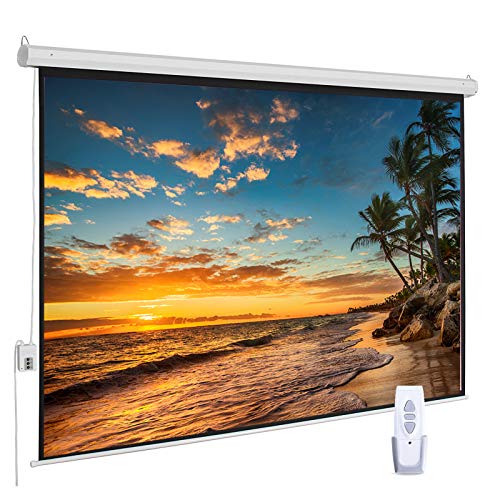
- ✓ Smooth, quiet motor
- ✓ Easy RF remote control
- ✓ Wrinkle-free HD surface
- ✕ Slightly large when retracted
- ✕ Needs sturdy mounting space
| Screen Size | 100-inch diagonal (87″ W x 48.8″ H) |
| Aspect Ratio | 16:9 |
| Screen Material | Wrinkle-free PVC Matte White with 1.1 Gain |
| Viewing Angle | 160° ultra-wide |
| Motor Type | Whisper-quiet electric motor |
| Installation Options | Wall or ceiling mount |
Unlike many projector screens that feel flimsy or are a pain to set up, this 100-inch motorized screen from ZUEDA immediately feels sturdy and sleek. The heavy-duty metal casing gives it a premium look that matches modern decor.
I was surprised at how compact it is when retracted but expands smoothly when you press the RF remote.
The quiet motor is a game-changer. It glides the screen down and up without any loud noises, so you don’t have to scramble to turn it off during a movie.
The remote’s RF signal works perfectly from across the room, which makes adjusting the screen effortless while you’re lounging on the couch.
The matte white canvas is a delight. It’s wrinkle-free and offers excellent color reproduction, so movies look vibrant and sharp.
The 160° viewing angle really means everyone in the room gets a clear, glare-free picture, whether you’re sitting front and center or on the far side.
Installation was straightforward. The heavy-duty casing can be mounted on the wall or ceiling, and the included hardware made it simple to secure.
It fits seamlessly into a living room setup, adding a professional touch without cluttering space or style.
This screen isn’t just for home theaters—it’s versatile enough for classrooms, offices, or backyard movie nights. The 16:9 aspect ratio is perfect for HD movies and presentations.
Overall, it transforms any space into a cinematic experience, with minimal fuss.
VIVOHOME 120 Inch 1:1 Pull Down Projector Screen, Black

- ✓ Easy manual pull & lock
- ✓ Bright, sharp images
- ✓ Simple installation
- ✕ Screws not included
- ✕ Slight initial odor
| Screen Size | 120-inch diagonal (84W×84H inches, 1:1 aspect ratio) |
| Overall Dimensions | 90 × 92 inches |
| Projection Surface | Matte white, 160° viewing angle, supports 3D, 1080P, 4K, 8K, and Full HD |
| Material | 3-layer waterproof PVC fabric with metal casing |
| Mounting Options | Wall or ceiling mount (hardware not included) |
| Retractable Mechanism | Manual pull with self-locking system for adjustable height |
The moment I unrolled the VIVOHOME 120 Inch projector screen, I was surprised by how smooth the manual pull mechanism felt. It’s like operating a well-oiled window shade—easy to pull down and lock into place with just a gentle tug.
The size is impressive—84 inches by 84 inches in a perfect square, filling my living room with a vibrant, bright display. I adjusted it easily to the perfect height, thanks to the self-locking feature that keeps it steady without wobbling or slipping.
The matte white surface delivered sharp, clear images, even with ambient lighting. Watching my favorite 4K movies, I noticed rich colors and wide viewing angles, making everyone in the room feel immersed.
Setup was a breeze—just mount it on the wall or ceiling, and you’re ready to go. The roll-up design means it’s straightforward to store away when not in use, which is great for my space.
What really stood out was how durable and water-resistant the fabric feels. It’s built to last, resisting creases and temperature changes.
Plus, the metal casing adds a sturdy touch, preventing deformation during transport or installation.
There’s a slight odor initially, but airing it out quickly clears that up. Overall, it’s a reliable and versatile screen that elevates any home theater or gaming setup.
Whether indoors or outdoors, it performs beautifully without fuss.
120″ Portable Projector Screen with Stand, 16:9, 4K HD
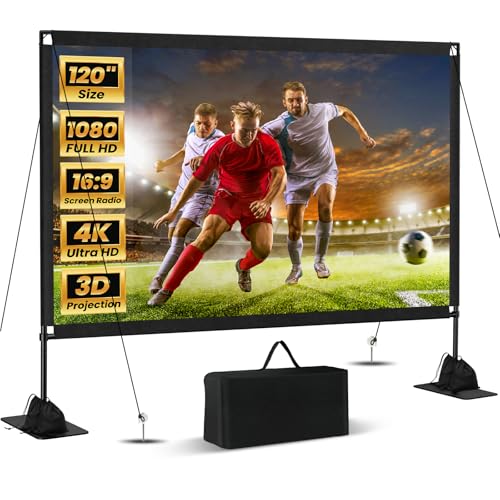
- ✓ Very stable stand
- ✓ Easy quick setup
- ✓ Great for outdoor use
- ✕ Slightly bulky when folded
- ✕ Windproof accessories require extra effort
| Screen Size | 120 inches diagonally |
| Aspect Ratio | 16:9 |
| Resolution Compatibility | Supports 4K HD resolution |
| Fabric Material | Washable milk silk fabric |
| Viewing Angle | 160 degrees ultra-wide |
| Portability Features | Includes storage bag for easy transport |
Imagine setting up a movie night in your backyard, the sun just dipped below the trees, and you’re eager for that big-screen experience. You grab this 120″ portable projector screen, unfold it, and notice how sturdy the steel base feels right away.
No wobbles or shaky movements, even when you lightly push the frame, which instantly puts your mind at ease.
The setup is surprisingly quick. The instructions are clear, and within minutes, your screen is standing tall.
The integrated frame fits snugly, so there are no annoying wrinkles along the edges. The washable milk silk fabric delivers vibrant 4K HD visuals, making every scene pop with color and clarity.
What really stands out is the ultra-wide 160° viewing angle. Whether you’re lounging with friends or hosting a family outdoor movie, everyone gets a crisp image, no matter where they sit.
The windproof accessories, including ground stakes, ropes, and sandbags, give you peace of mind if a breeze picks up. Detaching and attaching these is straightforward, so you can switch from indoor to outdoor use effortlessly.
Plus, the portability is a game-changer. The dedicated storage bag makes it easy to pack up and take along on camping trips or to a friend’s backyard.
When the movie’s over, folding it flat means it takes up minimal space in your closet.
Overall, this projector screen offers a stable, bright, and immersive viewing experience with hassle-free setup and portability. It’s a fantastic upgrade for both indoor living rooms and outdoor adventures.
What Factors Should You Consider When Choosing a Projector Screen for Your Living Room?
When selecting the best projector screen for your living room, several key factors should be considered to enhance your viewing experience.
- Screen Size: The size of the screen should be appropriate for the room dimensions and viewing distance. A larger screen provides a more immersive experience, but it must fit comfortably in the space without overwhelming the room or causing strain on viewers’ eyes.
- Screen Type: There are different types of projector screens, including manual pull-down, motorized, and fixed frames. Each type has its own advantages; for instance, a fixed frame screen offers a flat surface for optimal picture quality, while a pull-down screen is more versatile for space-saving.
- Aspect Ratio: The aspect ratio of the screen should match the content you plan to watch most often. Common ratios include 16:9 for widescreen movies and 4:3 for traditional TV shows, so selecting the right ratio ensures a better fit for your media format.
- Gain Factor: The gain of a screen refers to its reflectivity and how well it can project brightness. A higher gain is beneficial in well-lit rooms, but too high can cause a hotspot effect, where brightness is uneven across the screen, so it’s important to balance gain with your room’s lighting conditions.
- Material Quality: The material of the screen affects both durability and image quality. Screens made from high-quality PVC or specialized fabric can enhance color reproduction and contrast, ensuring a more enjoyable viewing experience.
- Portability: If you plan to move the screen frequently or use it for different occasions, consider a portable option. Portable screens are designed for easy setup and takedown, making them ideal for versatile use in various locations.
- Installation Options: Think about how you will install the screen, whether it be wall-mounted, ceiling-mounted, or free-standing. Each option has different requirements and may affect your room’s aesthetics and functionality.
- Budget: Your budget will ultimately guide your choice, as projector screens come in a wide range of prices. It’s essential to find a balance between quality and affordability to ensure you get a screen that meets your needs without breaking the bank.
Which Types of Projector Screens Are Best for Living Rooms?
When selecting the best projector screen for a living room, several types stand out based on factors such as space, viewing conditions, and personal preferences.
- Fixed Frame Screens: These screens are permanently mounted to the wall and offer a flat, taut surface for projection.
- Motorized Screens: These screens can be retracted or extended with a remote control, making them ideal for multi-purpose living spaces.
- Portable Screens: Easy to set up and take down, portable screens are perfect for those who want flexibility in their viewing arrangements.
- Ambient Light Rejecting Screens: Designed to minimize the impact of ambient light, these screens are ideal for living rooms with windows and natural light.
- White or Gray Screens: Each type has its advantages; white screens provide bright images while gray screens enhance contrast in bright environments.
Fixed frame screens are a favorite for dedicated home theater setups because they provide a perfectly smooth surface, which enhances image quality. They can also be aesthetically pleasing, blending well into a room’s decor.
Motorized screens add convenience, allowing users to hide the screen when not in use, preserving the living room’s visual appeal. They come in various sizes and can be mounted on ceilings or walls, catering to various room layouts.
Portable screens are highly versatile, making them suitable for people who may want to use their projectors in different locations. They are lightweight and often come with carrying cases, making transportation easy for outdoor movie nights or gatherings.
Ambient light rejecting screens are specifically designed to combat the effects of unwanted light, providing a clearer and more vibrant picture in well-lit environments. This makes them an excellent choice for living rooms that are not completely darkened during movie time.
White screens are great for darker rooms where high brightness is desired, while gray screens work well in spaces with some ambient light, as they can enhance contrast and reduce glare. Choosing between these depends on the specific lighting conditions of your living room.
How Does Screen Material Affect Performance in Living Rooms?
The screen material significantly influences the performance of projectors in living rooms, affecting brightness, color accuracy, and viewing angles.
- Matte White: This is one of the most common screen materials, offering good color reproduction and wide viewing angles. It diffuses light evenly, making it suitable for environments with ambient light, though it might not provide as high a contrast ratio as other materials.
- High Gain: High gain screens are designed to reflect more light towards the viewer, enhancing brightness in rooms with high ambient light. However, they usually offer narrower viewing angles and can cause color distortion if viewed from the side.
- Silver or Gray Screens: These screens improve contrast and black levels, which is beneficial in darker environments. They can enhance the perceived depth of colors, making them ideal for home theater setups, but they may not be as effective in well-lit rooms.
- Acoustic Transparent: This material allows sound to pass through the screen, making it suitable for setups where speakers are positioned behind the screen. It can provide a seamless audio-visual experience, though the image quality can vary depending on the specific material used.
- Ambient Light Rejecting (ALR): ALR screens are engineered to reflect projector light while minimizing ambient light interference, making them perfect for living rooms with windows or other light sources. They offer excellent contrast and color accuracy in bright environments but can be more expensive than standard screens.
- Portable Screens: These are made from lightweight materials and are easy to set up and take down. While they may not offer the same performance as fixed screens, they provide flexibility for different living room setups and can be a cost-effective solution for temporary occasions.
What Are the Ideal Sizes and Aspect Ratios for Living Room Projector Screens?
When selecting a projector screen for your living room, understanding the ideal sizes and aspect ratios is essential for optimizing your viewing experience.
Ideal Sizes:
– 100 to 120 inches: This is a common size range for living rooms since it provides an immersive viewing experience without dominating the space.
– 85 inches: Suitable for smaller living rooms, offering a cinematic feel while still being manageable in size.
– Greater than 120 inches: Ideal for larger spaces or dedicated home theaters; however, ensure there’s enough distance between the screen and seating for comfortable viewing.
Aspect Ratios:
– 16:9 (Widescreen): The most popular aspect ratio for home theater setups, commonly used for movies and television content. This ratio ensures that you get the full picture without cropping.
– 2.35:1 (Cinema Scope): This is ideal for film enthusiasts who prefer a more cinematic experience, suited for watching movies that are shot in widescreen formats.
– 4:3 (Standard): While less common today, this ratio may still be relevant for older content or certain presentations, particularly in educational settings.
Choosing the right size and aspect ratio directly impacts your viewing experience, ensuring that you enjoy every detail of your favorite films and shows.
How Do You Install and Maintain a Projector Screen in Your Living Room?
Installing and maintaining a projector screen in your living room involves several key steps to ensure optimal performance and longevity.
- Choosing the Right Screen Type: The best projector screen for your living room will depend on your usage and space. Consider options like fixed-frame, retractable, or portable screens based on how often you plan to use it and the aesthetics of your room.
- Measuring Your Space: Accurate measurements are crucial to ensure the screen fits well in your living room. Measure the width and height of the wall where the screen will be installed, taking into account the viewing distance and height of seating for the best viewing experience.
- Installation Process: Follow the manufacturer’s instructions for mounting the screen, which typically involves securing brackets to the wall or ceiling. Use a level to ensure that the screen is perfectly horizontal, and ensure all screws and fittings are tight to prevent sagging.
- Connecting to the Projector: After installing the screen, connect it to your projector using the appropriate cables and settings. This might involve HDMI or VGA connections, and you should ensure the projector is aligned correctly with the screen for optimal image quality.
- Regular Cleaning and Maintenance: To maintain the screen, clean it regularly with a soft cloth and appropriate cleaning solutions, avoiding abrasive materials that could damage the surface. Check for any signs of wear or tear periodically and ensure that the mounting hardware remains secure.
- Adapting to Lighting Conditions: Consider your living room’s lighting and how it affects the projector screen’s performance. You may need to invest in blackout curtains or adjust the projector’s brightness settings to achieve the best viewing experience during the day or in well-lit conditions.
- Testing and Calibration: After installation, conduct thorough testing of the projector and screen setup. Calibrate the projector settings such as brightness, contrast, and color settings to ensure the best picture quality on your screen.
What Are the Key Features of the Best Projector Screens Available Today?
The key features of the best projector screens for living rooms include:
- Screen Material: The material used in the screen significantly affects image quality, with options like matte white, gray, or high-gain materials available.
- Screen Size: The appropriate screen size ensures an immersive viewing experience, and it should be selected based on the room dimensions and projector specifications.
- Aspect Ratio: Common aspect ratios like 16:9 or 4:3 cater to different content types, ensuring compatibility with various media formats for optimal viewing.
- Portability: Some projector screens are designed to be portable, allowing for easy setup and takedown, making them convenient for both indoor and outdoor use.
- Installation Type: Screens can be fixed, retractable, or portable, with each type offering different benefits depending on your space and usage preferences.
- Viewing Angle: A wider viewing angle ensures that everyone in the room can see a clear and vibrant image, which is crucial for larger gatherings.
- Gain Factor: The gain factor indicates how much light is reflected by the screen, with higher gain screens suitable for brighter environments, enhancing picture clarity.
- Frame Type: The frame can be fixed or tensioned, with tensioned frames providing a smoother surface that can enhance image quality by reducing wrinkles and distortions.
Screen Material: The choice of screen material is crucial, as it can greatly affect the brightness, color accuracy, and contrast of the projected image. Matte white screens are popular for their versatility and ability to diffuse light evenly, while gray screens can enhance contrast in brighter rooms by absorbing ambient light.
Screen Size: Selecting the right screen size is essential for achieving the best viewing experience. Ideally, the screen should fill a significant portion of the viewer’s field of vision without causing strain, and it should be compatible with the projector’s throw distance to ensure optimal image quality.
Aspect Ratio: The aspect ratio determines the width-to-height ratio of the screen and is vital for ensuring that the projected image fits well. A 16:9 aspect ratio is standard for HDTV and widescreen content, while a 4:3 ratio is often used for traditional video and presentations.
Portability: Portability is an important feature for those who may want to move their projector screen between different locations. Portable screens typically come with a carrying case and are lightweight, making them easy to transport and set up for outdoor movie nights or events.
Installation Type: The installation type affects how easily the screen can be set up and taken down. Fixed screens offer a permanent solution for dedicated home theaters, while retractable screens can be hidden when not in use, providing flexibility for multi-purpose rooms.
Viewing Angle: A wider viewing angle allows for better visibility across a larger area, which is beneficial for social settings where viewers may be seated at various angles. This feature ensures that everyone can enjoy a clear image without significant color or brightness loss.
Gain Factor: The gain factor measures how effectively a screen reflects light back to the viewer. A higher gain is advantageous in well-lit rooms, as it enhances the image’s brightness, but can also lead to hotspotting, where the brightness varies across the screen.
Frame Type: The type of frame can affect both aesthetics and performance. Tensioned frames keep the screen taut, reducing wrinkles and enhancing image clarity, while fixed frames provide a more permanent and professional appearance, ideal for dedicated theater setups.
Related Post: