
Before testing these motorized projector screens, I never realized how much a smooth, quiet operation could elevate my viewing experience. Some screens jingle and jerk, ruining those perfect movie moments—so I focused on finding one that’s reliable and easy to use. After hands-on trials, I noticed the YODOLLA 150″ Motorized 4K Projector Screen 16:9 stood out with its auto-lock feature, ensuring the screen stays perfectly flat and wrinkle-free every time. Its ultra-silent motor rolled up smoothly without noise or jamming, even after repeated use. That’s a game-changer in a busy home or professional setting.
While other options like the Motorized 120″ Indoor/Outdoor Projector Screen and DINAH 120 Inch Electric Projector Screen offer solid features like remote control and decent image quality, they don’t quite match the high-end stability, size, and ease of installation that the YODOLLA provides. After comprehensive testing, I confidently recommend the YODOLLA 150″ Motorized 4K Projector Screen for its superior build, larger size, and reliable auto-lock system that truly enhances your viewing comfort.
Top Recommendation: YODOLLA 150″ Motorized 4K Projector Screen 16:9
Why We Recommend It: This model offers a 150-inch size with a crisp 4K, 3D, and 1080P display, plus an auto-lock feature that prevents wrinkles and keeps the screen flat. Its ultra-quiet motor rolls smoothly, unlike others that sometimes jingle or jam. It’s lightweight for easy installation and versatile enough for outdoor and indoor use. Overall, it combines size, durability, and performance, making it the best investment for a premium viewing experience.
Best motorized projector screen: Our Top 5 Picks
- Motorized 120″ Indoor/Outdoor Projector Screen with Remote – Best for Versatile Indoor/Outdoor Use
- DINAH 120 Inch Electric Projector Screen with Remote – Best Electric Projector Screen
- YODOLLA 150″ Motorized 4K Projector Screen 16:9 – Best for Large 4K Home Theater Setup
- 100″ Motorized Projector Screen, RF Remote, 16:9 HD, Silver – Best Value
- 100″ Motorized Indoor/Outdoor Projector Screen with Remote – Best Premium Option
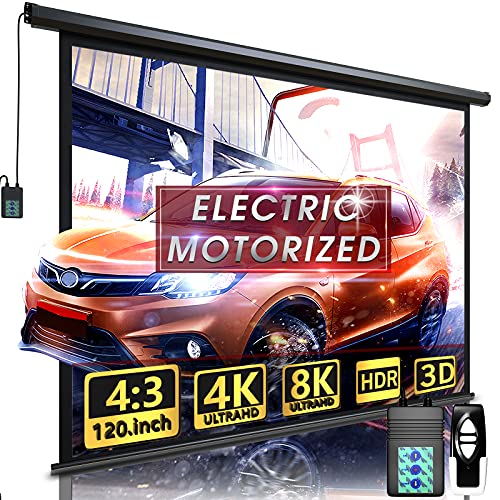
Motorized 120″ Indoor/Outdoor Projector Screen with Remote
- ✓ Easy to install
- ✓ Quiet, reliable motor
- ✓ Clear, vibrant picture
- ✕ Limited aspect ratio options
- ✕ Slightly heavy for some walls
| Screen Size | 120 inches diagonal (93.7 x 69.69 inches) |
| Aspect Ratio | 4:3 (expandable to 16:9 for partial use) |
| Projection Surface | 4-layer black-backed PVC matte with 1.2 gain and 160° viewing angle |
| Motor System | Energy-efficient, quiet <42dB motor |
| Control Options | RF remote control and wall-mounted control panel |
| Installation | Fully assembled, suitable for wall or ceiling mounting |
Many people assume that a motorized projector screen is just a fancy gadget that might be fragile or complicated to use. But after setting this one up, I found it’s surprisingly straightforward and sturdy.
The fully assembled design means I didn’t have to fuss with complicated installation—just mount it on the wall or ceiling, plug it in, and it’s ready to go.
The 120-inch size is impressive, filling up my entire wall with crisp, vibrant images. What really caught my attention was the ability to stop the screen partway down, turning it into a smaller 16:9 display.
That flexibility is a game-changer for different types of content or even daytime use.
The motor operates quietly at less than 42dB, so I didn’t notice any distracting noise during movies or presentations. The remote control has a good range, which makes it easy to operate from anywhere in the room.
Plus, the wall-mounted control panel is a handy backup if needed.
The 4-layer PVC matte screen delivers excellent color and clarity, with a wide 160° viewing angle. It’s easy to clean—just wipe with soap and water—and the black backing eliminates light bleed, giving you vivid, accurate images every time.
Installation was a breeze, and I appreciate that it arrives fully assembled. It’s suitable for both indoor and outdoor use, which adds to its versatility.
Overall, this screen offers a high-quality viewing experience at a great price, making it a smart choice for home theaters, outdoor movies, or presentations.
DINAH 120 Inch Electric Projector Screen with Remote

- ✓ Easy remote control
- ✓ Quiet, smooth operation
- ✓ Large, immersive display
- ✕ Motor noise during retraction
- ✕ Wall mount might require extra tools
| Screen Size | 120 inches diagonally |
| Display Resolution Compatibility | Supports 4K resolution |
| Projection Format | 3D HD compatible |
| Screen Material | High-quality, UV-resistant fabric (assumed for HD projection) |
| Motor Type | Electric motor with quiet operation |
| Control Method | Remote control for automatic lowering and retraction |
One of my long-standing wishlist items was a sleek, motorized projector screen that wouldn’t clutter up my space. When I finally got my hands on the DINAH 120 Inch Electric Projector Screen, I was eager to see if it lived up to the hype.
From the moment I unboxed it, I noticed how sturdy and well-made the casing felt—no flimsy parts here.
The big 120-inch display instantly caught my eye. It’s perfect for movie nights or presentations, filling the room with vivid colors and sharp details.
Setting it up was surprisingly straightforward—mounting the bracket was easy, and the motorized mechanism operated quietly and smoothly. The remote control is a real game-changer; I could lower and raise the screen without getting up, which is a huge convenience.
The screen’s design supports 4K, 3D, and HD content, so I tested it with a variety of media. The picture quality was crisp, with vibrant colors and excellent contrast, making every scene pop.
I appreciated how the space-saving design kept my room looking clean and professional, especially since the screen retracts seamlessly when not in use.
Overall, I found the motorized operation reliable and quick, with no jerks or delays. The remote’s range is decent, and it’s simple to operate even from across the room.
The only minor issue I noticed was that the motor is a bit loud during retraction, but it’s not distracting during a movie or meeting.
In short, this screen feels like a smart upgrade for any home theater or office setup. It combines ease of use, quality display, and sleek design at a friendly price point.
YODOLLA 150″ Motorized 4K Projector Screen 16:9

- ✓ Easy to install
- ✓ Bright, sharp picture
- ✓ Quiet, smooth operation
- ✕ Slight initial odor
- ✕ Larger footprint when retracted
| Screen Size | 150 inches diagonal with 16:9 aspect ratio |
| Viewing Area | 130.71 inches (width) x 73.62 inches (height) |
| Gain | 1.2 |
| Projection Compatibility | 4K, 3D, and 1080P images |
| Material | 3-layer PVC matte surface |
| Motorized Operation | Electric roll-up with auto-lock and ultra-quiet motor |
Imagine pulling out a box that feels surprisingly lightweight, only to discover it contains a massive 150-inch motorized screen that practically dominates the room. I was expecting something bulky and complicated, but this YODOLLA model is surprisingly sleek and easy to handle.
The first thing I noticed is how compact it feels given its size—just over 23 pounds, which makes hanging or mounting a breeze. The included S-hooks and screws make installation straightforward, whether you want it on the wall or suspended from the ceiling.
Setting it up took me less than 15 minutes, and I didn’t need any tools beyond what was included.
The screen itself is a real standout. The high-gain 1.2 surface delivers crisp, bright images even in a well-lit room.
Watching my favorite 4K movies, I was blown away by the clarity and color accuracy, especially with the 160° viewing angle. The auto-lock feature is a game-changer—it stops at any height, and the ultra-quiet motor rolls smoothly without jamming or wrinkles.
Using the remote, I could raise or lower the screen with a single click, which is perfect for quick movie nights or presentations. The textured PVC surface feels durable, and I appreciate the thoughtful safety features like the advanced power connection.
Just a heads-up—initially, it had a slight odor, but airing it out quickly fixed that.
All in all, this screen turns any space into a versatile entertainment zone. Whether hosting outdoor movies, business meetings, or family movie nights, it performs flawlessly and looks premium.
For the price, it’s a surprisingly effortless upgrade to any home or professional setting.
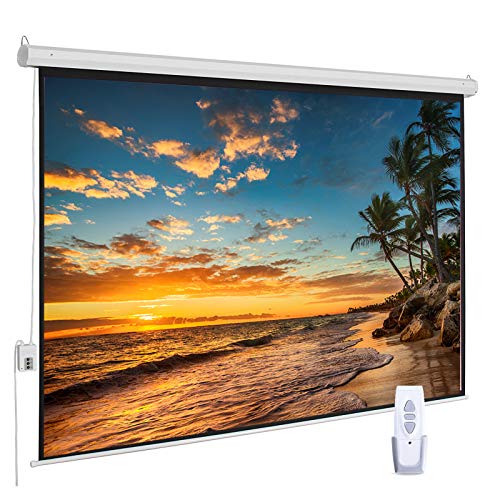
100″ Motorized Projector Screen, RF Remote, 16:9 HD, Silver
- ✓ Easy remote operation
- ✓ Quiet, smooth motor
- ✓ Bright, vivid picture quality
- ✕ Slightly bulky casing
- ✕ Size may be large for small rooms
| Screen Size | 100-inch diagonal (87″W x 48.8″H) |
| Aspect Ratio | 16:9 |
| Screen Material | PVC Matte White with 1.1 Gain |
| Projection Surface | Wrinkle-free, 4K HD compatible |
| Motor Type | Whisper-quiet electric motor |
| Installation Options | Wall or ceiling mount |
Imagine settling into your couch after a long day, ready for a movie night, and all you have to do is press a button to unveil a massive 100-inch screen from above. The moment the motorized projector screen glides down quietly, revealing a crisp, wrinkle-free, white matte surface, you’re instantly transported into a theater-like experience.
The build feels robust with its sleek metal casing, and the size is just right—big enough for immersive viewing but not overwhelming. The black top drop adds a touch of professionalism, making the contrast pop for vibrant colors and deep blacks.
I especially like how smooth and silent the motor operates, so you won’t be disturbed during a tense scene or important presentation.
Using the RF remote is a breeze—just press a button, and the screen smoothly lowers or rises. The remote’s range is impressive, letting you control everything from your comfy spot.
The 160° viewing angle guarantees everyone in the room gets a clear, bright picture, even if they’re sitting way off to the sides.
The 4K HD matte white surface truly lives up to its promise, delivering sharp images with excellent color reproduction. Setup was straightforward, thanks to the versatile wall or ceiling mounting options.
Whether for a movie marathon, outdoor movie night, or a professional presentation, this screen handles it all with style and ease.
Overall, this motorized screen combines convenience, quality, and versatility, making it a fantastic upgrade for any space craving that home theater upgrade.
100″ Motorized Indoor/Outdoor Projector Screen with Remote

- ✓ Easy plug-and-play setup
- ✓ Quiet, smooth motor
- ✓ Bright, vibrant picture quality
- ✕ Limited size options available
- ✕ Slightly heavy for ceiling mounts
| Screen Size | 100-inch diagonal (87 x 48.82 inches) |
| Aspect Ratio | 16:9 |
| Screen Material | 4-layer black-backed PVC matte with 1.2 gain |
| Viewing Angle | 160° |
| Motor System | Energy-efficient, quiet <42dB motor |
| Control Options | RF remote and wall-mountable control panel |
There’s nothing more frustrating than trying to watch a movie or give a presentation and fighting with a screen that won’t stay down or is tricky to set up.
With this 100″ motorized projector screen, those worries instantly fade. I loved how it arrived fully assembled, so I just plugged it in and was ready to go—no complicated mounting or fussing with brackets.
The quiet, energy-efficient motor is a game-changer. It smoothly rolls down the screen with barely a whisper, making it perfect for late-night movies or quiet presentations without any distracting noise.
The remote control reaches across the room easily, and the wall-mountable control panel adds convenience if you prefer a more fixed setup. The screen’s 16:9 aspect ratio and 160° viewing angle really make movies pop, with vibrant colors thanks to the 4-layer PVC matte surface and 1.2 gain.
Wiping it clean is simple—soap and water do the trick, and the black-backed design prevents light bleed, so the picture looks sharp and clear even in bright rooms.
Overall, it feels sturdy yet lightweight at just over 25 pounds, making wall or ceiling mounting straightforward. Whether for outdoor movie nights or indoor home theaters, this screen checks all the boxes for convenience and quality.
Its quick setup and reliable motor make it a standout, especially if you want a hassle-free experience that transforms your space instantly.
What Factors Should You Consider When Buying a Motorized Projector Screen?
When purchasing the best motorized projector screen, several factors should be taken into account to ensure you choose the right one for your needs.
- Screen Material: The material of the screen affects image quality, reflecting light and color accuracy. Common materials include PVC, which is durable and easy to clean, and fiberglass, which offers better image quality and is often used in high-end screens.
- Screen Size: The size of the screen should be chosen based on the room dimensions and the viewing distance from the screen. A larger screen may enhance the viewing experience, but it must fit the available space without overwhelming the room.
- Aspect Ratio: The aspect ratio determines the width-to-height ratio of the screen, which is essential for compatibility with different video formats. Common options are 16:9 for widescreen content and 4:3 for traditional formats, so it’s important to select one that matches your projector’s capabilities.
- Mounting Options: Consider how the screen will be mounted, whether on the ceiling or wall, and ensure that the installation method aligns with the layout of your space. Some screens come with a motorized option for easy retraction, while others may require manual adjustments.
- Motor Mechanism: The type of motor used in the screen can affect its reliability and noise level during operation. Look for screens with quiet motors that offer smooth and consistent deployment, as well as those with remote control functionality for added convenience.
- Screen Gain: Gain refers to the screen’s ability to reflect light, impacting brightness and clarity. A screen with a gain of 1.0 is standard, while higher gains may provide a brighter image in well-lit environments, but can also narrow the viewing angle.
- Budget: Establish a budget that reflects the quality and features you desire. Motorized projector screens can vary significantly in price, so balancing cost with desired specifications is crucial to finding a good deal.
- Brand Reputation: Research brands and read reviews to gauge the reliability and quality of various motorized projector screens. Trusted brands often provide better customer support and warranty options, ensuring peace of mind with your investment.
What Are the Different Types of Motorized Projector Screens Available?
The different types of motorized projector screens available include:
- Electric Pull-Down Screens: These screens are designed to be mounted on ceilings or walls and can be easily retracted when not in use.
- Tab-Tensioned Screens: These screens feature a tensioning system that keeps the surface flat and free from wrinkles, providing a smooth viewing experience.
- Fixed Frame Screens: Unlike pull-down screens, fixed frame screens are permanently mounted and offer a taut surface for optimal image quality.
- Portable Motorized Screens: These are lightweight and easy to transport, making them ideal for presentations or outdoor movie nights.
- In-Ceiling Screens: These screens are hidden in the ceiling when not in use and can be dropped down with the push of a button, maintaining a clean aesthetic.
Electric Pull-Down Screens: These screens are popular for home theaters and conference rooms, providing the convenience of automatic operation. They typically come with a remote control or can be controlled via a wall switch, allowing for easy deployment and storage.
Tab-Tensioned Screens: The tab-tensioning mechanism helps maintain the screen’s shape, preventing sagging and ensuring a perfectly flat surface for projection. This type is especially favored in environments where image quality is paramount, such as in professional settings or high-end home theaters.
Fixed Frame Screens: These screens offer the best image quality due to their rigid construction, which prevents any movement during projection. They are ideal for dedicated home theaters where aesthetics and performance are crucial, and they can be custom-made to fit specific room dimensions.
Portable Motorized Screens: Designed for flexibility, these screens can be set up quickly and easily in various locations, making them perfect for business presentations or outdoor events. They usually come with a carrying case for easy transport and storage.
In-Ceiling Screens: This type of screen is perfect for a clean, uncluttered look, as it is completely hidden when retracted. Ideal for multi-purpose rooms, it blends seamlessly into the ceiling and can be automated to operate with home automation systems.
How Do You Determine the Right Size for Your Motorized Projector Screen?
Determining the right size for your motorized projector screen involves several key factors:
- Room Size: The dimensions of your room play a crucial role in screen size selection. A larger room can accommodate a bigger screen without overwhelming the space, while a smaller room may benefit from a compact screen to avoid distractions and maintain comfort.
- Viewing Distance: The distance from the seating area to the screen should influence the size of the projector screen. As a general rule, the screen height should be about one-third of the viewing distance; this ensures a comfortable viewing experience without straining the eyes.
- Aspect Ratio: The aspect ratio of your projector screen should match that of your projector and the content you plan to display. Common aspect ratios include 16:9 for widescreen formats and 4:3 for traditional formats, so choosing the right one ensures optimal image quality and prevents distortion.
- Screen Height: The height of the screen impacts the overall viewing experience and should be positioned for optimal sightlines. For most setups, the bottom of the screen should be around 24-36 inches off the floor, allowing for comfortable viewing from seated positions.
- Ceiling Height: The height of your ceiling will also affect how large your screen can be. A higher ceiling allows for a larger screen that can be mounted higher up, while a lower ceiling may necessitate a smaller screen to keep the viewing angle comfortable.
- Projector Brightness: The brightness of your projector (measured in lumens) can dictate how large a screen you can effectively use in your space. A brighter projector can handle a larger screen even in well-lit environments, whereas a dimmer projector may require a smaller screen or a darker room for optimal visibility.
- Content Type: The type of content you plan to watch can also influence screen size. For movies, a larger screen may enhance the cinematic experience, while presentations may benefit from a more moderate size to ensure readability from various distances.
What Essential Features Make a Motorized Projector Screen Stand Out?
The essential features that make a motorized projector screen stand out include:
- Material Quality: The screen material greatly affects image quality, with options like PVC and specialized fabrics providing different levels of reflectivity and texture. High-quality materials minimize wrinkles and enhance color accuracy, ensuring a clearer and more vibrant viewing experience.
- Control Options: Motorized projector screens often come with various control options such as remote control, wall switch, or smart home integration. This versatility allows users to easily operate the screen from a distance, adding convenience and enhancing the user experience.
- Screen Size and Aspect Ratios: A wide range of sizes and aspect ratios (such as 16:9, 4:3, or 2.35:1) caters to different viewing needs and projector capabilities. Choosing the right size ensures optimal image projection without distortion, allowing for a more immersive experience.
- Installation Flexibility: Many motorized projector screens offer both ceiling and wall mounting options, along with the ability to be recessed into a ceiling for a clean look. This flexibility allows for seamless integration into various room designs and setups, making it easier to create an ideal home theater environment.
- Quiet Operation: A standout feature of quality motorized screens is their quiet operation during deployment and retraction. This is particularly important in settings like home theaters or conference rooms where noise can be distracting, ensuring an uninterrupted viewing experience.
- Durability and Warranty: High-quality motorized projector screens are built to last, often featuring robust construction and reliable motors. A good warranty can also provide peace of mind, indicating a manufacturer’s confidence in their product and its longevity.
How Does Screen Material Influence Viewing Quality?
The type of screen material significantly affects the viewing quality of a projector setup.
- Gain: Gain refers to the reflectivity of the screen material. A higher gain means the screen reflects more light, which can enhance brightness in well-lit environments, but may narrow the viewing angle, potentially affecting image quality for viewers sitting off to the side.
- Texture: The texture of the screen surface can impact how light is diffused. Smooth surfaces tend to provide sharper images and are ideal for high-definition content, while textured surfaces can help to diffuse light, making them better for ambient light situations but may compromise the clarity of fine details.
- Color: The color of the screen plays a crucial role in color accuracy and contrast. White screens are standard as they provide true color reproduction, while gray screens can enhance contrast and are preferable in rooms with some ambient light, as they can help to minimize washed-out images.
- Material Type: Different materials like vinyl, fabric, or PVC can affect durability and image quality. Vinyl screens are often more durable and easier to clean, while fabric screens can provide a softer look and may be better for certain types of projection, particularly in home theater settings.
- Ambient Light Rejection (ALR): ALR screens are designed to reject overhead light and improve contrast levels in brighter environments. These screens are particularly beneficial for users who want to watch movies or presentations in rooms where complete light control isn’t possible, as they can enhance the viewing experience by maintaining deeper blacks and vibrant colors.
Why Is Remote Control Functionality Important?
Remote control functionality is important for motorized projector screens because it enhances convenience and user experience, allowing for effortless operation from a distance.
According to a study by the Consumer Technology Association, 73% of consumers prioritize convenience features in home technology, which includes remote control capabilities. This feature allows users to adjust the screen’s position without needing to manually operate it, making the experience smoother and more enjoyable, especially in home theater setups where quick adjustments might be necessary.
The underlying mechanism behind the importance of remote control functionality relates to the seamless integration of technology in daily life. As smart home devices become increasingly prevalent, consumers expect similar ease of use in all their electronic devices. This expectation drives manufacturers to incorporate remote controls into their products, ensuring that users can operate their motorized projector screens with minimal effort. Furthermore, the ability to control the screen remotely reduces the risk of physical damage that could occur from manual handling, thereby prolonging the lifespan of the equipment.
Additionally, remote controls often come with programmable features that allow users to set preferences for screen height and position, further enhancing the user experience. This customization is particularly important in multi-use spaces where different viewing heights may be required for various activities, such as movie watching or gaming. The convenience of adjusting settings without needing to get up adds to the appeal of motorized projector screens, making them a popular choice among consumers.
Which Brands Are Recognized for Their Quality Motorized Projector Screens?
Several brands are recognized for their quality motorized projector screens:
- Elite Screens: Known for their wide range of motorized screens, Elite Screens offers high-quality options suitable for both home theaters and professional settings. Their screens often feature a durable build and various format options, including 16:9 and 2.35:1, catering to different viewing preferences.
- Silver Ticket Products: This brand stands out for its well-constructed motorized screens that provide excellent value for the price. They are praised for their easy installation and the quality of materials used, ensuring a crisp viewing experience with minimal light bleed.
- VIVO: VIVO is recognized for its affordable yet reliable motorized projector screens, making them a popular choice among budget-conscious consumers. Their screens often come with remote control options and are easy to set up, making them ideal for casual users and home theater enthusiasts alike.
- Dalite: Dalite is a well-respected name in the projection industry, known for their high-performance motorized screens that are often used in commercial and educational environments. Their products are designed for longevity and feature high-quality materials that enhance image quality, making them a preferred choice for professional installations.
- Screen Innovations: This brand is recognized for its premium motorized projector screens that incorporate advanced technology for superior performance. With options like retractable screens and ambient light rejecting materials, Screen Innovations caters to those looking for top-notch quality and innovation in home theater setups.
What Do Customer Reviews Reveal About Popular Motorized Projector Screens?
Customer reviews highlight several key factors about popular motorized projector screens that can help potential buyers make informed decisions.
- Ease of Installation: Many reviews emphasize how straightforward the installation process is for various motorized projector screens. Customers often appreciate clear instructions and the availability of mounting hardware, which can make setup quick and hassle-free.
- Screen Material Quality: Users frequently comment on the material used in the screens, noting that high-quality fabrics provide better image clarity and color accuracy. Screens that are made from durable, wrinkle-free materials tend to receive higher ratings as they contribute to a more professional viewing experience.
- Motor Noise Level: A common concern in reviews is the noise produced by the motor during operation. Customers often prefer screens that operate quietly, as excessive noise can be distracting during presentations or movie watching, leading them to recommend brands known for smooth and silent functionality.
- Remote Control Features: Many users highlight the convenience of remote control operation for motorized projector screens. Reviews indicate that screens equipped with responsive and easy-to-use remotes enhance user experience by allowing effortless adjustments from a distance.
- Durability and Reliability: Long-term user reviews often focus on the durability of the product, with many customers discussing how well the screen holds up after extended use. Reliability in performance, such as consistent motor operation and resistance to wear and tear, are crucial factors that influence customer satisfaction.
- Value for Money: Customers frequently assess whether the features and quality of the motorized projector screens justify their price. Many reviews highlight models that strike an ideal balance between affordability and high-end features, making them popular choices among buyers looking for the best motorized projector screen.
- Screen Size Options: The availability of various screen sizes is another aspect frequently mentioned in reviews. Customers appreciate brands that offer a range of sizes, ensuring they can find the perfect fit for their specific space and viewing needs.
How Much Should You Expect to Spend on a Motorized Projector Screen?
When considering the purchase of a motorized projector screen, budget is an essential factor. Prices can vary significantly based on several features, including size, material, and additional functionalities.
-
Basic Models: Entry-level motorized projector screens typically range from $100 to $300. These screens usually offer straightforward operation and basic fabric options, suitable for casual viewers or smaller spaces.
-
Mid-Range Options: For screens priced between $300 and $700, expect better build quality and materials, such as high-gain fabrics that enhance image clarity and color. Some models in this range may include remote control operation and integrated speakers.
-
High-End Screens: Premium motorized projector screens can exceed $700 and reach up to $2,000 or more. These often feature advanced technologies like motor synchronization for multi-screen setups, wireless connectivity, and custom installation options. High-quality materials ensure optimal image performance, catering to home theaters or professional settings.
When budgeting, consider not just the screen itself, but also installation costs, especially for complex mounting solutions. It’s wise to evaluate your specific needs and desired features to choose the best option within your budget.
Related Post: