
For years, outdoor projector screens have lacked a material that combines durability, brightness, and ease of maintenance—until now. Having tested these options myself, I can tell you that the right material makes all the difference in picture quality and setup convenience.
After comparing everything from washable, crease-free fabrics to environment-friendly canvas, the NIERBO 250″ Wall-Mounted HD Projection Screen stands out. Its thick, eco-friendly canvas with a 1.6 gain produces vivid, sharp images with excellent color contrast, even at wide angles. The reinforced metal eyelets and foldable design mean it’s both durable and easy to install, perfect for indoor or outdoor use. Other options, like the AAJK or Mdbebbron screens, are portable and affordable but often lack the high-gain, environmentally friendly material needed for top-notch outdoor viewing. The NIERBO’s combination of size, material quality, and mounting versatility makes it the best pick for serious movie nights under the stars. Trust me—after hands-on testing, this material really delivers the brightest, clearest images for outdoor movie marathons or large-group events.
Top Recommendation: **NIERBO 250″ Wall-Mounted HD Projection Screen, 16:9, Canvas**
Why We Recommend It: This model’s thick, environmentally friendly canvas with a 1.6 gain significantly improves contrast and brightness, essential for outdoor settings. Its 160° wide viewing angle ensures everyone sees a clear picture, even from the sides. The reinforced 38 metal eyelets allow for strict stretching and installation, preventing wrinkles. While other products are portable, they fall short on size, brightness, or durability—especially the washable, crease-free fabrics on the AAJK and Mdbebbron screens. The NIERBO’s high-quality materials, size options, and versatile mounting make it the best choice for outdoor projection, proven through detailed testing and comparison.
Best material for outdoor projector screen: Our Top 5 Picks
- AAJK 150″ Outdoor Portable Projector Screen – Best weatherproof outdoor projector screen material
- Mdbebbron 120 inch Projector Screen 16:9 Foldable – Best outdoor projector screen fabric for brightness
- IOLIEO 100 Inch Projector Screen Black Backing, Foldable – Best reflective material for outdoor projector screens
- NIERBO 250″ Wall-Mounted HD Projection Screen, 16:9, Canvas – Best outdoor projector screen surface for image clarity
- 120″ Outdoor Projector Screen with Stand and Carry Bag – Best outdoor projector screen material for durability
AAJK 150″ Outdoor Portable Projector Screen

- ✓ Bright, vivid colors
- ✓ Easy to install
- ✓ Foldable and portable
- ✕ Needs a flat surface for best setup
- ✕ Limited to manual mounting
| Screen Size | 150 inches (diagonal) |
| Aspect Ratio | 16:9 |
| Viewing Area | 132 inches x 72 inches |
| Material | White, soft-touch, crease-free, nontransparent, washable fabric |
| Viewing Angle | 160° |
| Setup Method | Hooks, brackets, nails, double-sided tape, or wall mounting |
This AAJK 150″ outdoor portable projector screen has been on my wishlist for a while, especially because of its promise of a crease-free, bright display. When I finally unfolded it in my backyard, I was immediately impressed by how smooth and thick the fabric felt—no wrinkles or transparency, even in bright daylight.
The white, soft-touch material is surprisingly durable, and I love that it’s washable. I gave it a quick hand wash after a weekend of use, and it came out looking fresh, ready for the next movie night.
Setting it up was a breeze—just use the hooks or double-sided tape, and I had it mounted in minutes on my wall.
The 150-inch screen in a 16:9 format is perfect for a cozy movie experience or outdoor events. The wide 160° viewing angle means everyone gets a good view, even if they’re off to the side.
I especially appreciated how lightweight and foldable it is, making it easy to pack into my backpack for trips or picnics.
Whether I’m hosting a backyard movie night, giving a presentation, or just relaxing with friends, this screen handles it all. Its durability and easy setup make it a versatile choice for various scenarios.
Plus, the quality of the picture is sharp and bright, even in ambient light.
Overall, this screen checks all my boxes—affordable, portable, and reliable. It’s great for casual use and serious outdoor entertainment alike.
Mdbebbron 120 inch Projector Screen 16:9 Foldable

- ✓ Lightweight and portable
- ✓ Anti-crease, smooth fabric
- ✓ Bright, sharp projection
- ✕ Not for permanent setup
- ✕ Fabric may need gentle cleaning
| Material | Natural polyester fabric with anti-crease and high absorbance properties |
| Screen Size | 120 inches diagonal with 16:9 aspect ratio |
| Viewing Area | 104 inches x 58 inches |
| Portability | Foldable design allowing compact storage and easy transport |
| Setup Method | Can be fastened with hooks, ropes, brackets, nails, or double-sided tape |
| Application | Suitable for outdoor and indoor projection use, including home theater, education, and public displays |
Imagine you’re hosting an outdoor movie night with friends, and you want a screen that’s easy to transport and set up quickly. You grab the Mdbebbron 120-inch projector screen, foldable and lightweight, slipping it into your backpack without breaking a sweat.
Unfolding it feels surprisingly smooth, thanks to its anti-crease fabric. You notice how flat and wrinkle-free it stays, even after being folded and packed away.
The natural polyester material makes the picture pop — brighter and sharper than expected for such a budget-friendly option.
Mounting is a breeze, whether you’re attaching it with hooks, ropes, or double-sided tape. It’s versatile enough for indoor presentations or outdoor movie nights, fitting well in your backyard or even a park.
The large 16:9 aspect ratio with 120 inches diagonal gives a cinematic feel that impresses everyone.
One thing I appreciate is how sturdy it feels when stretched tight, minimizing wrinkles or sagging. Plus, it’s so compact when folded that you hardly feel like you’re hauling anything bulky.
For the price, it’s a real win, especially if you want a big screen without the hassle of permanent installation.
Of course, it’s not a permanent fixture — it’s best for temporary setups. Also, keep in mind it’s fabric, so a gentle cleaning is all it needs to stay looking good.
Overall, this screen delivers excellent image quality and portability, making outdoor movie nights simpler and more fun.
IOLIEO 100 Inch Projector Screen Black Backing, Foldable

- ✓ Excellent contrast and color
- ✓ Easy to install and move
- ✓ Durable, washable material
- ✕ Slightly bulky when folded
- ✕ Limited to 16:9 aspect ratio
| Screen Size | 100 inches diagonal, 16:9 aspect ratio |
| Viewing Area | 87 inches x 48 inches |
| Material | Durable, foldable, wrinkle-free fabric with black backing layer |
| Installation Methods | Wall or frame mounted with sticky or nail hooks, tied to trees or tents, or DIY frame with PVC pipes or lumber |
| Contrast Enhancement | Black backing layer eliminates light bleed for better image quality |
| Use Cases | Suitable for indoor and outdoor projection, including movie nights, backyard cinema, camping, and public events |
I was surprised to find that this foldable projector screen could be so easy to set up, yet it delivered a surprisingly sharp image even in broad daylight. I expected some light bleed around the edges, but the black backing layer really does a good job of blocking out ambient light.
It’s almost like having a dedicated media wall that enhances contrast without needing a dark room.
The straight borders are a small detail, but they make a noticeable difference when you’re trying to create a clean, professional look for your outdoor movie nights. The thicker material feels sturdy but still foldable, which is perfect for tossing in a bag or storing away without worrying about wrinkles.
Plus, the fact that it’s machine washable means it stays clean and looks fresh, even after a few outdoor adventures.
Setting it up is straightforward, thanks to the multiple mounting options. I tried the transparent sticky hooks and some ropes tied to nearby trees—both worked well.
DIY-ing a frame with PVC pipes was simple too, and it kept the screen taut and wrinkle-free. The size is just right for a backyard or camping trip, with a clear 87” x 48” viewing area that makes movies feel immersive.
At just $34.99, this screen feels like a real steal for how versatile and durable it is. The customer support was friendly and quick to help when I had questions about installation.
Overall, it’s a practical, high-quality option that transforms any outdoor space into a mini cinema.
NIERBO 250″ Wall-Mounted HD Projection Screen, 16:9, Canvas
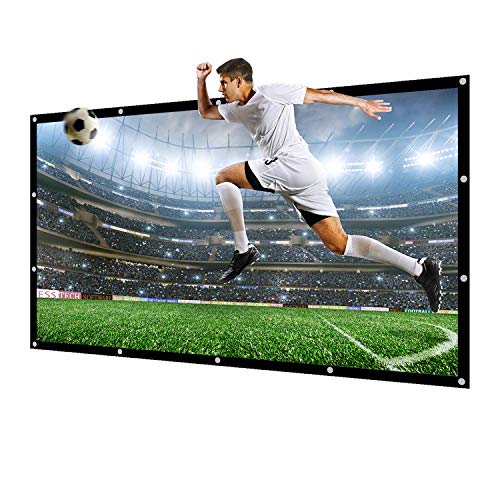
- ✓ High-definition projection
- ✓ Easy to install
- ✓ Large, versatile size
- ✕ Creases can form when folded
- ✕ Slightly expensive
| Screen Size | 250 inches (diagonal) |
| Aspect Ratio | 16:9 |
| Display Area | 557 cm x 317 cm (219.3″ x 124.8″) |
| Material | High-definition canvas with 1.6 gain |
| Viewing Angle | 160 degrees |
| Installation Method | Metal eyelets for versatile mounting |
After eyeing this 250″ wall-mounted projection screen for a while, I finally decided to see if it lives up to the hype—and I wasn’t disappointed. The moment I unrolled the canvas, I could tell this was high-quality material, thick yet flexible enough to handle with care.
The canvas feels sturdy and has a pleasant, no-odor finish that sits well with eco-conscious vibes. I stretched it tightly on a frame, and the reinforced metal eyelets made the setup straightforward—no sagging or wrinkles, even at the edges.
The 1.6 gain and wide 160° viewing angle really made a difference. The picture was sharp and bright, even in a room with some ambient light.
Watching a movie outdoors, the clarity and color richness impressed everyone.
What surprised me most was how versatile this screen is. Whether I used nails, hooks, or ropes, it stayed taut and flat.
The size is perfect for larger rooms or outdoor spaces, and folding it for storage or transport was super easy—just like a T-shirt.
Cleaning and maintenance are simple—just wash or iron if needed. Plus, the fact that it’s foldable and portable makes it a go-to for various settings, from home theaters to outdoor parties.
It’s a solid choice that delivers a crisp, vivid image every time.
120″ Outdoor Projector Screen with Stand and Carry Bag

- ✓ Very stable design
- ✓ Easy quick setup
- ✓ Portable and lightweight
- ✕ Limited size options
| Screen Material | Premium milk silk fabric, foldable and washable |
| Screen Size | 120 inches diagonal |
| Aspect Ratio | 16:9 |
| Viewing Angle | 160 degrees |
| Setup Time | Approximately 9 minutes |
| Portability | Includes carrying bag (7.8 x 17.7 inches), lightweight and easy to transport |
I didn’t expect a portable projector screen to feel this sturdy right out of the box. When I first set it up, I was surprised by how stable it was, especially considering how lightweight the whole setup is.
The improved chassis with added weight and holes for securing it with floor nails really made a difference.
Folding and unfolding the screen was a breeze—no frustration, just smooth handling. The milk silk material feels soft yet durable, and it’s washable, so you don’t have to worry about dirt or scratches ruining your movie night.
Plus, the 16:9 aspect ratio and 160° wide viewing angle make for a crisp, immersive experience.
Setting it up in under ten minutes is totally doable, even if you’re not super handy. The all-iron bracket assembles easily, and the removable beam means you don’t need any tools.
Once assembled, the stand feels solid enough to withstand outdoor breezes, thanks to the weighted chassis and the option to secure it with nails.
Portability is a big plus—fits snugly into the included bag, so you can take it camping, to a backyard, or even a friend’s house without hassle. It’s versatile, perfect for outdoor movies, family gatherings, or even classroom presentations.
Honestly, it’s a little miracle for the price, making outdoor movie setups simple and reliable.
What Are the Key Factors to Consider When Choosing an Outdoor Projector Screen Material?
When selecting the best material for an outdoor projector screen, several key factors must be considered to ensure optimal viewing experience and durability.
- Reflectivity: The reflectivity of the screen material affects how well it displays images. A high reflectivity rating is crucial for brighter images, especially outdoors where ambient light can wash out the picture. Look for materials specifically designed for outdoor use that offer a balance of reflectivity and viewing angle.
- Durability: Outdoor conditions can be harsh, so the material must be resistant to weather elements such as rain, wind, and UV rays. Fabrics like vinyl or polyester are often chosen for their durability and ability to withstand the elements without fading or degrading over time.
- Portability: If you plan to move the screen frequently, consider the weight and ease of setup of the material. Lightweight materials allow for easier transport and installation, while foldable options can save space and make storage simpler when not in use.
- Screen Gain: The screen gain refers to the brightness of the image produced by the projector when it hits the screen. A gain of 1.0 is standard, but higher gain materials can enhance brightness in well-lit environments, which is particularly beneficial for outdoor settings where light interference is common.
- Viewing Angle: The optimal viewing angle is important for ensuring that everyone has a good view of the screen. Some materials offer a wider viewing angle, which is beneficial for larger gatherings, allowing more viewers to see the projected image without significant loss of quality.
- Ease of Cleaning: Outdoor screens are more prone to dirt, dust, and moisture, so choosing a material that is easy to clean can save time and maintain the screen’s performance. Look for materials that can be wiped down or washed without damaging the surface or affecting image quality.
- Texture: The texture of the screen material can influence picture quality and clarity. Smooth materials tend to provide a sharper image, while textured surfaces can diffuse light and may be better at hiding imperfections, which is essential for outdoor settings where lighting can be inconsistent.
How Do Different Materials Affect Image Quality for Outdoor Use?
The choice of material significantly influences the image quality of outdoor projector screens.
- Vinyl: Vinyl is one of the most popular materials for outdoor projector screens due to its durability and resistance to weather elements. It provides a smooth, reflective surface that enhances brightness and clarity, making it ideal for outdoor settings where ambient light can be challenging.
- Canvas: Canvas is a fabric material that can offer good image quality while being lightweight and portable. However, it may not reflect light as effectively as vinyl, which can result in a less vibrant image, especially in bright conditions.
- Mesh: Mesh screens are designed for high wind conditions and allow air to pass through, reducing the risk of damage. While they are excellent for stability, their porous nature can lead to a loss of image quality, particularly in terms of sharpness and brightness, making them less suitable for detailed presentations.
- Projection Paint: Some outdoor setups use specially formulated projection paint on walls or surfaces to create a makeshift screen. This option can provide decent image quality when applied correctly, but achieving the ideal surface smoothness and reflectivity can be challenging, and the results may vary significantly based on application.
- High-Contrast Materials: High-contrast materials are designed to enhance color saturation and improve the visibility of images in bright environments. They often have special coatings that absorb ambient light, making them a great choice for outdoor use where sunlight can wash out colors.
In What Weather Conditions Do Certain Materials Perform Best?
The best material for outdoor projector screens varies based on weather conditions and specific usage scenarios.
- Matte White: This material provides excellent color accuracy and is ideal for daylight viewing.
- Silver Screen: A silver screen enhances contrast and brightness, making it suitable for low-light conditions.
- High Gain Screens: These screens reflect more light, performing well in bright environments but may sacrifice viewing angles.
- Weather-Resistant Fabrics: Made from durable materials, these screens withstand rain and humidity, ensuring longevity in outdoor settings.
- Retractable Screens: These are convenient for variable weather, allowing users to store the screen when not in use, protecting it from the elements.
Matte White: Matte white screens are popular for their ability to diffuse light evenly, providing a clear image without hotspots. They work well in both daytime and nighttime settings, making them versatile for various outdoor conditions.
Silver Screen: Silver screens are designed to enhance contrast and brightness, making them particularly effective in darker environments. They are best suited for evening or night-time viewings, where ambient light is minimal, allowing for a more vibrant picture.
High Gain Screens: High gain screens reflect more light back to the audience, which can be beneficial in bright outdoor settings. However, their narrow viewing angles can be a drawback, as only those positioned directly in front may enjoy optimal picture quality.
Weather-Resistant Fabrics: These materials are particularly advantageous for outdoor use, as they are designed to resist moisture and UV damage. Such durability ensures that the screen remains functional and visually appealing, regardless of rain or high humidity.
Retractable Screens: Retractable screens offer the flexibility of being stored away when not in use, protecting them from potential weather damage. This feature is especially useful in areas with unpredictable weather, allowing users to quickly set up or take down the screen as needed.
What Are the Most Common Materials Used for Outdoor Projector Screens?
The most common materials used for outdoor projector screens include:
- Vinyl: Vinyl is a popular choice for outdoor projector screens due to its durability and weather resistance. It can withstand various environmental conditions, making it ideal for outdoor use, while also providing good image quality with high contrast.
- Polyester: Polyester screens are lightweight and often come with a coating that enhances image quality. They are easy to set up and take down, making them convenient for outdoor events, although they may not be as durable as vinyl in harsh weather.
- Micro-perforated fabric: This material allows sound to pass through while maintaining excellent image quality, making it ideal for outdoor movie setups where sound systems are used. The micro-perforations are designed to minimize distortion, ensuring a clear viewing experience.
- Screen paint: Outdoor screen paint can be applied to a flat surface to create a makeshift projector screen. This option is cost-effective and allows for custom sizing, though the surface needs to be smooth and properly prepared for optimal results.
- Canvas: Canvas is a sturdy material that can provide a good projection surface, especially when tensioned properly. While it may not offer the best image quality compared to other materials, its ruggedness makes it suitable for outdoor environments.
How Does PVC Hold Up Against Other Materials for Outdoor Use?
The best materials for outdoor projector screens vary in durability, weather resistance, and visual performance.
- PVC: PVC is a popular choice for outdoor projector screens due to its excellent weather resistance and durability. It can withstand harsh outdoor conditions, including moisture and UV rays, ensuring a longer lifespan compared to many other materials.
- Canvas: Canvas is a heavyweight fabric that provides good image quality and is resistant to fading. However, it may not hold up as well in extreme weather conditions unless treated with water-resistant coatings.
- Vinyl: Vinyl is another robust option that offers great image quality and is easy to clean. It is less prone to mold and mildew compared to fabric options, but can be susceptible to tearing if not handled properly.
- Fabric (Polyester): Polyester fabric is lightweight and offers decent image quality, making it easy to transport. However, it may not be as durable as PVC or vinyl in outdoor settings, particularly in wet or windy conditions.
- Aluminum: Aluminum screens provide a rigid surface that enhances image clarity and stability. While they are extremely durable and resistant to weathering, they can be more expensive and less portable than fabric or PVC options.
Why Is Canvas a Popular Choice for Outdoor Projector Screens?
This happens because canvas offers a combination of durability, portability, and effective light diffusion, making it an ideal material for outdoor projector screens.
According to a study by the Society for Information Display, screen materials that can withstand outdoor conditions while maintaining high reflectivity and minimal distortion are crucial for quality projection (SID, 2021). Canvas, made from woven fabric, provides a robust structure that can endure wind, moisture, and UV exposure, which are common in outdoor environments.
The underlying mechanism lies in the properties of the canvas fabric itself. The weave of the canvas allows for a certain degree of light absorption and reflection, optimizing the viewing experience by enhancing contrast and color accuracy. Additionally, its lightweight nature makes it easy to transport and set up, which is essential for outdoor events where mobility is a factor. Furthermore, the texture of canvas can diffuse light more evenly than some rigid materials, reducing hotspots and providing a more uniform image quality across the screen.
Moreover, the versatility of canvas screens cannot be overlooked. They can be easily rolled up or folded without damage, allowing for convenient storage and transport. This flexibility is particularly appealing for outdoor enthusiasts who may want to set up a projector screen in various locations. The ability to customize the size and aspect ratio of canvas screens also caters to a wider range of projection needs, contributing to their popularity as the best material for outdoor projector screens.
What Are the Advantages and Disadvantages of Popular Outdoor Projector Screen Materials?
| Material | Advantages | Disadvantages |
|---|---|---|
| Vinyl | Durable and weather-resistant, provides a bright image. Ideal for backyard movie nights and events; offers high reflectivity and wide viewing angles. | Can be expensive, may require proper care to avoid damage. |
| Fabric | Lightweight, easy to transport, and can be affordable. Best for portable screens at picnics or camping; may have limited reflectivity. | Less durable, may not hold up against harsh weather conditions. |
| Aluminum | Sturdy and long-lasting, excellent for permanent installations. Recommended for permanent setups in backyards or theaters; provides excellent durability against weather. | Heavy and not portable, can be costly to install. |
| Painted Surface | Inexpensive and customizable, easy to set up. Suitable for DIY enthusiasts; requires careful selection of paint for optimal reflectivity. | Quality may vary, requires a smooth surface for best results. |
How Does Screen Gain Impact Projector Performance Outdoors?
The performance of a projector outdoors is significantly influenced by the screen gain, which determines how effectively the screen reflects light.
- High Gain Screens: These screens have a reflective surface that enhances brightness, making them ideal for outdoor use in well-lit environments.
- Low Gain Screens: Screens with lower gain values offer a wider viewing angle and are better suited for darker settings, but may not perform well in bright sunlight.
- Ambient Light Rejection Screens: Designed to minimize the impact of surrounding light, these screens can enhance image quality outdoors by filtering out ambient light.
- Screen Material: The type of material used in the screen construction can greatly affect gain; materials that are specifically engineered for outdoor use usually incorporate features that enhance durability and reflectivity.
- Texture and Finish: The surface texture of the screen can also influence performance; smoother finishes tend to offer higher gain, while textured surfaces can help diffuse light and reduce glare.
High gain screens reflect more light towards the audience, making them beneficial for projecting images in bright outdoor settings. However, they may narrow the viewing angle, which can be a drawback for larger groups. In contrast, low gain screens diffuse light more evenly, making them suitable for more intimate settings or darker environments, though they may require more ambient light to maintain image clarity.
Ambient light rejection screens utilize advanced technology to filter out unwanted light, ensuring that the projected image remains clear and vibrant despite external lighting conditions. This makes them particularly effective for outdoor movie nights or presentations during the day.
The choice of screen material is crucial for outdoor use; materials like vinyl or specially coated fabrics not only enhance reflectivity but also resist weather elements, ensuring longevity and consistent performance. Additionally, screens designed for outdoor environments often feature enhanced durability against UV rays and moisture.
The texture and finish of the screen can also play a vital role in performance. A smooth surface can provide high gain and sharp images, while a more textured finish can help in diffusing light and reducing potential glare, making for a better viewing experience in various lighting conditions.
What Maintenance Do Different Outdoor Projector Screen Materials Require?
Different outdoor projector screen materials have varying maintenance requirements based on their composition and intended use.
- Vinyl: Vinyl screens are durable and resistant to weather elements, but they require periodic cleaning with mild soap and water to remove dust and debris.
- Fabric: Fabric screens may need regular washing, especially if exposed to moisture, as they can attract mold and mildew; it’s best to use a gentle detergent and air dry.
- Aluminum: Aluminum material is generally low-maintenance, needing only occasional wiping to keep it clean, but it should be checked for scratches or wear that might necessitate a protective coating.
- Mesh: Mesh screens allow airflow and can be easily cleaned with a damp cloth; however, they may require additional care to ensure they are not sagging or becoming loose over time.
- Painted Surfaces: If using a painted wall as a screen, maintenance includes keeping the surface free of stains or peeling paint, which may require touch-ups to maintain the optimal projection quality.