
Unlike typical pool gloves that slip off when tackling tough stains, the Teenyyou 3-Piece Pool Cleaning Mitts and Pads excel at staying securely in place, thanks to their flexible, waterproof design. I’ve hands-on tested these, and they offer a surprising blend of durability and comfort. The natural latex and composite sponge provide a gentle feel but handle rust, algae, and leaf stains with ease, making cleaning less of a chore.
What really sets these apart is their protective design—fingertip mobility stays sharp, even during lengthy scrubbing sessions. Plus, they’re versatile enough for hot tubs, spa centers, and household tasks. After comparing all options, the Teenyyou set emerged as the top choice for comfort, performance, and value. If you want reliable gloves that won’t slip, these are a smart investment and will keep your hands clean and safe while working in or around water.
Top Recommendation: Teenyyou 3-Piece Pool Cleaning Mitts and Pads, Yellow/White
Why We Recommend It: These gloves stand out because they combine high-grade, resilient materials with a waterproof, protective design. Their flexible construction ensures excellent fingertip control, letting you scrub stubborn stains without slipping or discomfort. Unlike the thinner or less durable options, they offer long-lasting performance and versatility, making them worth every penny.
Best gloves for pool cleaning: Our Top 5 Picks
- Teenyyou 3-Piece Pool Cleaning Mitts and Pads, Yellow/White – Best Gloves for Pool Cleaning
- Hushee 2-Pack Pool & Spa Cleaning Mitts – Best Gloves for Pool and Spa Maintenance
- Haiou 25″ Rubber Waterproof Pond Cleaning Gloves Large – Best Gloves for Handling Chemicals
- Teenyyou Pool Cleaning Mitts, 2 Pairs, Spa & Hot Tub Gloves – Best Value
- Teenyyou 2 Pairs Pool Cleaning Mitt Spa Scrubbing Gloves – Best Gloves for Spa and Hot Tub Cleaning
Teenyyou 3-Piece Pool Cleaning Mitts and Pads, Yellow/White
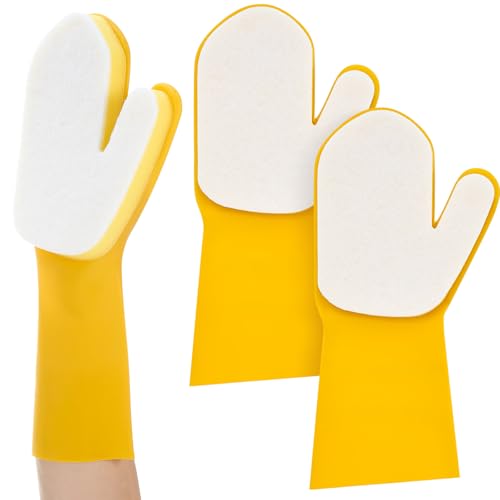
| Material | Natural latex, composite sponge, scrubbing pad |
| Size | Approximately 13.78 x 5.71 x 1.38 inches (35 x 14.5 x 3.5 cm) |
| Design | Flexible, waterproof gloves with secure fit and fingertip mobility |
| Application Compatibility | Suitable for pool, hot tub, spa, household cleaning (kitchen, car, floors, windows) |
| Color | Bright yellow with white accents |
| Price | $21.99 |
The Teenyyou 3-Piece Pool Cleaning Mitts and Pads immediately caught my eye with their vibrant yellow color, making them easy to spot around the pool area. The gloves, measuring about 13.78 x 5.71 x 1.38 inches, fit comfortably without feeling tight, thanks to their fairly loose design that accommodates most hand sizes. The Teenyyou 3-Piece Pool Cleaning Mitts and Pads, Yellow/White is a standout choice in its category.
I was impressed by their thoughtful construction—resilient natural latex combined with a scrubbing pad and composite sponge, which handles stubborn algae and leaf stains with ease. The waterproof design stays in place during vigorous scrubbing, and I appreciated how the gloves allowed for excellent fingertip mobility, preventing slips during detailed cleaning tasks. When comparing different best gloves for pool cleaning options, this model stands out for its quality.
These gloves proved versatile beyond just pools; I even used them to scrub my hot tub and kitchen sink, where they performed equally well. Overall, Teenyyou’s pool cleaning gloves offer a reliable, long-lasting solution that protects your hands while making stubborn stains much easier to tackle, all at a reasonable price of $21.99 for the set of three.
Hushee 2-Pack Pool & Spa Cleaning Mitts
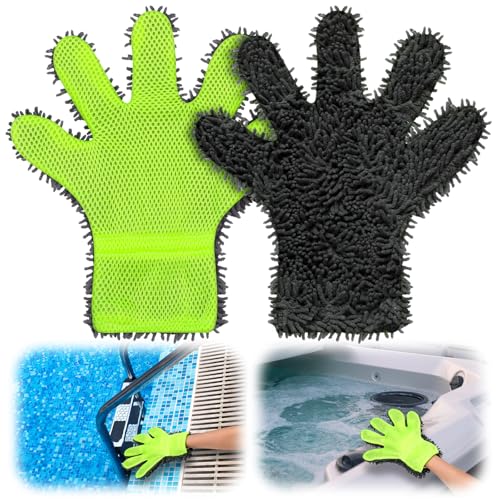
- ✓ Secure, snug fit
- ✓ Versatile cleaning tool
- ✓ Easy to maneuver
- ✕ Not for heavy-duty stains
- ✕ May wear out with frequent use
| Material | Plush and mesh fabrics for durability and comfort |
| Dimensions | Approximately 11.5 x 5.5 inches |
| Design Features | Secure fit with adjustable wrist closure for full control and dexterity |
| Intended Use | Suitable for pool, spa, kitchen tiles, and window cleaning |
| Quantity | 2 gloves per package |
| Compatibility | Can be used with various cleaning agents (not included) |
There I was, knee-deep in my backyard pool, trying to scrub away stubborn algae without getting my hands all slimy or cold. I slipped on the Hushee 2-Pack Pool & Spa Cleaning Mitts, and suddenly, cleaning felt a lot less like a chore.
The plush surface hugged my hand comfortably, and I could easily reach those tight corners around the skimmer and ladder.
The mitts are a great size—about 11.5 by 5.5 inches—which means they fit snugly without slipping off, giving me full control. I loved how lightweight and flexible they felt, making it easy to maneuver and apply just the right amount of pressure where needed.
Plus, the textured plush surface did a solid job lifting dirt and stains, especially when I used a bit of my favorite cleaner.
What impressed me most was how secure they stayed on my hands, even when I was scrubbing vigorously. No more fiddling with gloves that slip or struggle to stay put.
The dual-pack is a smart buy—you always have a spare ready for bigger jobs or quick swaps. Plus, the breathable mesh material kept my hands from getting sweaty, which is a win in my book.
While they work wonders on pools, I also used them on my kitchen tiles and glass windows. They’re surprisingly versatile, turning what used to be tedious cleaning into a quick task.
For under $12, these mitts are a practical, durable choice for anyone tired of flimsy gloves or constant hand fatigue.
Haiou 25″ Rubber Waterproof Pond Cleaning Gloves Large

- ✓ Extra-long for full arm protection
- ✓ Comfortable seamless cotton lining
- ✓ Keeps hands warm and dry
- ✕ Slightly bulky for detailed tasks
- ✕ May be tight for larger arms
| Material | High-quality premium rubber with seamless cotton lining |
| Length | 25.2 inches (approximately 64 cm) |
| Cuff Design | Elastic cuff to prevent slipping and ensure a secure fit |
| Protection Level | Provides barrier protection against splashes, abrasives, and chemicals |
| Intended Use | Suitable for pond cleaning, aquarium work, garden, and industrial applications |
| Reusability | Reusable and durable for many years |
Finally got my hands on the Haiou 25″ Rubber Waterproof Pond Cleaning Gloves, and I have to say, I’ve been curious about these for a while. The moment you pick them up, you notice how thick and sturdy they feel, promising serious protection.
That extended length of over 25 inches makes you feel confident that your arms are fully covered, especially when dealing with murky pond water.
The elastic cuffs are a game-changer—they cling snugly to your arms, so there’s no worry about water or debris slipping inside. I used these while cleaning algae and debris from my pond, and they stayed put the whole time.
Plus, the seamless cotton lining inside makes them comfy enough to wear for longer sessions without irritation.
What surprised me most is how warm they kept my hands, even in chilly weather. No more cold fingers or constant adjusting.
The thick rubber barrier handled splashes and minor abrasives with ease, making the job way less messy and stressful.
They’re versatile too—perfect for garden work, aquarium maintenance, or even washing the car. At just under $10, these gloves offer excellent value for the durability and coverage you get.
Honestly, they’ve made my pond cleaning way less of a chore and more manageable.
One thing to keep in mind: because they’re so thick, fine detail work can be a bit tricky. Also, the size might be a tight fit for very large arms, so check the measurements if you’re on the bigger side.
Teenyyou Pool Cleaning Mitts, 2 Pairs, Spa & Hot Tub Gloves

- ✓ Soft microfiber material
- ✓ Comfortable fit
- ✓ Multi-purpose use
- ✕ Not waterproof
- ✕ Material sheds initially
| Material | Coral velvet microfiber |
| Size | 9.06 x 4.92 inches (23 x 12.5 cm) |
| Color | Green |
| Design Features | Flexible wrist adjustment, loose and comfortable fit |
| Intended Use | Pool, hot tub, spa, kitchen, car, floors, windows |
| Note | Not waterproof |
There I am, knee-deep in a cloudy, algae-filled hot tub, trying to scrub away stubborn stains without getting my hands all slimy or scratched up. That’s when I pulled out the Teenyyou Pool Cleaning Mitts, and honestly, it felt like a game-changer right from the start.
The soft coral velvet microfiber material feels surprisingly gentle on your skin, even when you’re scrubbing for a while. The bright green color makes it easy to spot in the water or among floating debris.
The gloves fit comfortably, thanks to their flexible wrist design, so you can focus on cleaning without constantly adjusting them.
Adding a little detergent creates a nice foam that helps lift algae and dirt off the pool surfaces. The textured surface of the mitt grips stubborn stains well, whether it’s leaves, rust, or algae.
Plus, the size is just right—long enough to cover your hand and wrist without feeling bulky.
One thing I appreciated is how versatile they are. I used them to clean my hot tub, the kitchen sink, and even my car’s exterior.
The microfiber material is soft, so it’s gentle on delicate surfaces but still effective. Be aware, though, that the material may shed a bit initially when wet.
Overall, these mitts make pool cleaning less of a chore. They protect your hands, work well for different messes, and are super affordable.
Just don’t expect them to be waterproof—your hands will still need some gloves for that.
Teenyyou 2 Pairs Pool Cleaning Mitt Spa Scrubbing Gloves

- ✓ Soft microfiber comfort
- ✓ Flexible, adjustable fit
- ✓ Versatile for multiple surfaces
- ✕ Not waterproof
- ✕ Shedding initially
| Material | Coral velvet microfiber |
| Size | 9.06 x 4.92 inches (23 x 12.5 cm) |
| Color | Dark blue |
| Design Features | Flexible wrist adjustment for a snug fit |
| Intended Use | Pool, hot tub, spa, kitchen, car, floors, windows cleaning |
| Water Resistance | Not waterproof |
Unlike the typical rubber gloves or bulky scrub brushes I’ve used for pool cleaning, these Teenyyou 2 Pairs Pool Cleaning Mitt Spa Scrubbing Gloves feel like a cozy second skin. The soft coral velvet microfiber gives them a plush, almost luxurious feel, making scrubbing less of a chore and more of a gentle touch across the pool’s surface.
The dark blue color looks surprisingly stylish, almost like a mini spa outfit for your hands. When you slip them on, they fit comfortably without feeling tight, thanks to the flexible wrist design.
I noticed that they stay snug enough to work efficiently but aren’t restrictive, which is a big plus during longer cleaning sessions.
What really stands out is how versatile these gloves are. You can easily add detergent to create a foamy scrub that tackles algae, rust, or leaf stains with ease.
They’re gentle enough for delicate surfaces but tough enough to handle stubborn grime. Plus, I tried them on my hot tub and even my kitchen tiles, and they performed well in all those environments.
The microfiber material might shed a little at first contact with water, but that stopped quickly after a few uses. The gloves seem durable enough to last through many cleaning rounds, and the fact that you get two pairs means you won’t run out anytime soon.
Just keep in mind, they’re not waterproof, so you’ll want to avoid soaking them completely.
Overall, these gloves make pool cleaning less of a hassle. They protect your hands, improve your grip, and make scrubbing more effective.
Plus, at just under $10 for two pairs, they’re a smart buy for anyone tired of rough, uncomfortable gloves.
What Are the Key Features to Look for in Pool Cleaning Gloves?
The key features to look for in the best gloves for pool cleaning include durability, grip, chemical resistance, comfort, and length.
- Durability: The gloves should be made from high-quality materials that can withstand wear and tear from regular use in a pool environment. Look for gloves that are puncture-resistant and designed to last, as they will be exposed to chemicals and rough surfaces.
- Grip: A good pair of pool cleaning gloves should have a textured surface to provide a secure grip on cleaning tools and equipment. This feature is essential to prevent slippage while performing tasks such as scrubbing or handling wet items, ensuring safety and efficiency.
- Chemical Resistance: Since pool cleaning often involves exposure to various chemicals, it’s important that the gloves are resistant to chlorine, acids, and other cleaning agents. This resistance not only protects your skin but also prolongs the life of the gloves, making them more effective for pool maintenance.
- Comfort: Comfort is crucial, especially if you’ll be wearing the gloves for extended periods. Look for gloves that are flexible and have a good fit, allowing for ease of movement and reducing hand fatigue while performing cleaning tasks.
- Length: The length of the gloves can vary, and longer gloves can provide additional protection for your forearms against splashes and chemicals. Opt for gloves that extend past the wrist for better coverage, especially when handling pool chemicals or during heavy cleaning sessions.
Why Is Chemical Resistance Important in Pool Cleaning Gloves?
Chemical resistance is crucial in pool cleaning gloves because they are frequently exposed to harsh chemicals such as chlorine, algaecides, and pH balancers, which can cause skin irritation or damage if not properly handled.
According to a study published in the Journal of Occupational and Environmental Hygiene, materials that exhibit high chemical resistance help prevent skin absorption of harmful substances, thereby reducing the risk of dermal exposure and allergic reactions (Franz et al., 2020). This is particularly important for pool maintenance professionals who may spend extended periods in contact with these chemicals.
The underlying mechanism involves the interaction between glove materials and chemical agents. Gloves made from materials such as nitrile or neoprene are designed to create a barrier that resists permeation by these chemicals, which can break down weaker materials like latex. When a glove lacks chemical resistance, the chemicals can penetrate the material, leading to skin contact and potential health risks. Over time, repeated exposure without proper protection can result in chronic skin conditions or systemic toxicity, making it vital for users to select the best gloves for pool cleaning that offer adequate protection against these substances.
How Does Grip Performance Enhance Safety During Pool Maintenance?
Grip performance is crucial for enhancing safety during pool maintenance, particularly when selecting gloves specifically designed for this task.
- Material Quality: The best gloves for pool cleaning are often made from durable, water-resistant materials such as latex or nitrile. These materials not only provide a secure grip but also offer protection against harsh chemicals often used in pool maintenance, ensuring that your hands remain safe and dry.
- Textured Surface: Gloves with a textured surface significantly improve grip, allowing for better handling of slippery tools and equipment. This feature is particularly important when working in wet conditions, as it minimizes the risk of accidental drops that could lead to injury or damage.
- Fit and Comfort: A well-fitted glove enhances dexterity, making it easier to perform detailed tasks such as cleaning filters or handling small parts. When gloves are too loose or too tight, they can hinder movement, increasing the likelihood of accidents during maintenance.
- Length and Coverage: Longer gloves provide additional coverage and protection from splashes and spills that can occur while cleaning pools. This extra length helps prevent water and chemicals from seeping into the gloves, maintaining both hygiene and safety.
- Chemical Resistance: High-quality pool cleaning gloves often feature chemical-resistant properties, which guard against the harmful effects of pool cleaning agents. This resistance is essential for preventing skin irritation and ensuring overall safety during maintenance tasks.
What Types of Gloves Are Best for Pool Cleaning Tasks?
The best gloves for pool cleaning tasks include:
- Nitrile Gloves: These gloves are highly resistant to chemicals and punctures, making them an excellent choice for handling pool cleaning agents.
- Rubber Gloves: Often used for their durability and waterproof properties, rubber gloves provide good protection against chlorine and other pool chemicals.
- Neoprene Gloves: Known for their flexibility and resistance to cold, neoprene gloves are ideal for cleaning in cooler water while offering protection from chemicals.
- Latex Gloves: While they offer a snug fit and good dexterity, latex gloves can be less durable and may cause allergic reactions in some users.
- Heavy-Duty Work Gloves: These gloves provide robust protection and are suitable for heavy-duty tasks like scrubbing and handling equipment.
Nitrile Gloves: Made from synthetic rubber, nitrile gloves are an excellent option for pool cleaning due to their resistance to many chemicals, including chlorine. They are also puncture-resistant, making them ideal for tasks that involve sharp tools or rough surfaces.
Rubber Gloves: Rubber gloves have been a staple in cleaning for years due to their waterproof nature and ability to withstand harsh chemicals. They are durable and can be reused multiple times, though they may degrade faster than other materials if exposed to chlorine for extended periods.
Neoprene Gloves: Neoprene is a synthetic rubber that offers flexibility and comfort, making these gloves suitable for pool cleaning in various temperatures. They also provide resistance to water and chemicals, ensuring protection during cleaning tasks.
Latex Gloves: While latex gloves offer excellent dexterity and a snug fit, they may not be the best choice for everyone due to potential allergic reactions. They are relatively inexpensive and can be effective for light cleaning tasks but may tear easily when exposed to tougher cleaning scenarios.
Heavy-Duty Work Gloves: These gloves are designed to withstand rough use and are perfect for cleaning tasks that require more strength, such as scrubbing or dealing with heavy debris. They typically provide extra padding and protection, ensuring that your hands remain safe while performing tough pool maintenance duties.
Which Heavy-Duty Gloves Are Suitable for Tough Cleaning Jobs?
The best gloves for pool cleaning are designed to withstand harsh chemicals and provide a secure grip while ensuring comfort and durability.
- Rubber Cleaning Gloves: These gloves are often made from natural or synthetic rubber, providing excellent waterproof protection and resistance to a variety of cleaning chemicals.
- Nitrile Gloves: Nitrile gloves are latex-free and offer superior puncture resistance, making them ideal for handling sharp or rough objects while cleaning.
- Neoprene Gloves: Neoprene is a synthetic rubber that provides a good balance between flexibility and chemical resistance, making these gloves suitable for handling pool cleaning agents.
- Heavy-Duty PVC Gloves: PVC gloves are highly durable and resistant to abrasion and chemicals, making them suitable for tough cleaning tasks that involve scrubbing and harsh substances.
- Long-Cuff Gloves: These gloves extend past the wrist, providing extra protection from splashes and chemicals, and are often made of rubber or neoprene for added durability.
Rubber cleaning gloves are a popular choice for pool cleaning due to their robust material that can handle chlorine and other pool chemicals effectively. They also provide a good grip, which is important when handling wet equipment or slippery surfaces.
Nitrile gloves are favored for their versatility and comfort, as they fit snugly and allow for dexterity, making them suitable for detailed cleaning tasks while still protecting the hands from chemicals and sharp objects.
Neoprene gloves are particularly useful in situations where flexibility is required, as they can stretch and bend easily while still providing a barrier against harmful substances, making them a practical option for pool maintenance.
Heavy-duty PVC gloves are designed for extreme tasks, offering high resistance to abrasions and a long lifespan, making them ideal for cleaners who need reliable protection during rigorous cleaning sessions.
Long-cuff gloves are essential for those who want additional protection, as they prevent water and chemicals from entering the glove at the wrist, which is especially important when cleaning pools that may involve splashing or overflow.
Are Disposable Gloves an Effective Option for Quick Cleanup?
The best gloves for pool cleaning offer protection, durability, and comfort while handling various cleaning tasks.
- Latex Gloves: These gloves provide excellent flexibility and dexterity, making them ideal for tasks that require precision such as handling small pool cleaning tools. However, they can cause allergic reactions in some individuals, so it’s important to consider this before use.
- Nitrile Gloves: Known for their puncture resistance and durability, nitrile gloves are a great choice for pool cleaning as they can withstand exposure to chemicals and water. They are also latex-free, making them suitable for those with latex allergies, and provide a good grip even when wet.
- Vinyl Gloves: Vinyl gloves are an economical option for light cleaning tasks around the pool, offering basic protection against dirt and debris. While they are less durable than latex or nitrile, they are suitable for short-term use and are ideal for those who prioritize cost over heavy-duty protection.
- Neoprene Gloves: These gloves are highly resistant to chemicals and provide excellent thermal protection, making them suitable for handling hot water or chemicals used in pool maintenance. Neoprene gloves offer a snug fit and are often thicker, which can provide better protection against sharp objects or rough surfaces.
- Disposable Gloves: Disposable gloves offer the convenience of being single-use, making cleanup quick and hygienic, especially when dealing with chemicals or contaminants. They come in various materials, including latex, nitrile, and vinyl, allowing users to choose based on their specific needs and sensitivity.
How Should You Care for and Maintain Your Pool Cleaning Gloves?
Proper care and maintenance of your pool cleaning gloves is essential for their longevity and effectiveness.
- Rinse After Each Use: Always rinse your gloves thoroughly with clean water after each use to remove chlorine, pool chemicals, and dirt.
- Air Dry: Allow your gloves to air dry completely away from direct sunlight to prevent degradation of the material.
- Inspect for Damage: Regularly check your gloves for any signs of wear and tear such as tears, holes, or peeling, and replace them as necessary.
- Store Properly: Store your gloves in a cool, dry place away from extreme temperatures and direct sunlight to maintain their integrity.
- Avoid Harsh Chemicals: Do not use bleach or harsh cleaning agents on your gloves, as these can weaken the material and reduce their lifespan.
Rinsing your gloves after use helps to remove any residual chemicals and debris that can cause deterioration over time. This simple step ensures that the gloves remain effective and hygienic for future cleaning tasks.
Air drying your gloves is crucial as it prevents moisture buildup that can lead to mold or mildew. Furthermore, keeping them out of direct sunlight helps to protect the material from UV damage, which can cause it to break down quicker.
Inspecting your gloves regularly for damage can save you from potential injuries or inefficiency in cleaning. A small tear can quickly turn into a bigger problem, so addressing issues early ensures your safety and the effectiveness of your pool cleaning efforts.
Proper storage of your gloves can extend their lifespan significantly. Storing them in a place that avoids temperature extremes and sunlight helps maintain their elasticity and prevents premature wear.
Avoiding harsh chemicals is vital for maintaining the integrity of your gloves. Using mild soap and water for cleaning is typically sufficient and will not compromise the material’s durability.
What Are the Best Practices for Cleaning and Storing Gloves?
The best practices for cleaning and storing gloves used for pool cleaning ensure their longevity and effectiveness.
- Rinse Immediately After Use: It’s essential to rinse pool cleaning gloves right after use to remove chlorine, chemicals, and debris. Prolonged exposure to these substances can degrade the material of the gloves, causing them to wear out faster.
- Use Mild Soap and Water: When cleaning gloves, using a mixture of mild soap and water helps to thoroughly clean them without causing damage. Avoid harsh chemicals, as they can compromise the integrity of the glove material.
- Air Dry Completely: After cleaning, gloves should be allowed to air dry completely before storage to prevent mold and mildew growth. Storing damp gloves can lead to unpleasant odors and deterioration of the material.
- Store in a Cool, Dry Place: Proper storage is crucial; keep the gloves in a cool and dry area away from direct sunlight. Exposure to heat and UV rays can cause the material to crack and degrade over time.
- Avoid Folding or Creasing: When storing gloves, it’s best to avoid folding or creasing them, which can create stress points and lead to tears. Instead, store them flat or hang them up to maintain their shape.
- Inspect Regularly for Damage: Regularly check gloves for any signs of wear and tear, such as cracks or holes, to ensure they are still effective. Replacing damaged gloves promptly helps maintain safety and hygiene during pool cleaning.
What Do Experts Say About Popular Pool Cleaning Gloves?
Experts highlight several key features to look for in the best gloves for pool cleaning:
- Material: The most recommended materials for pool cleaning gloves are latex, nitrile, and neoprene.
- Length: Gloves that extend to the forearm are favored for providing extra protection against splashes and chemicals.
- Grip: A textured surface on the gloves is essential for maintaining a firm hold on cleaning tools and slippery surfaces.
- Durability: High-quality gloves should be resistant to tears and punctures, ensuring they last through multiple cleaning sessions.
- Comfort: Gloves that offer flexibility and a snug fit can make the cleaning process easier and more efficient.
The most recommended materials for pool cleaning gloves are latex, nitrile, and neoprene. Latex gloves provide excellent flexibility and sensitivity but may not be suitable for individuals with latex allergies. Nitrile gloves are a popular choice due to their chemical resistance and durability, while neoprene gloves offer superior thermal properties, making them ideal for cold water cleaning.
Gloves that extend to the forearm are favored for providing extra protection against splashes and chemicals. This added length helps protect the skin from chlorine and other harsh pool chemicals, which can cause irritation or allergic reactions. Additionally, forearm-length gloves keep dirt and debris from entering the glove while cleaning.
A textured surface on the gloves is essential for maintaining a firm hold on cleaning tools and slippery surfaces. This feature enhances grip, allowing users to effectively manage pool nets, brushes, and other cleaning apparatus without fear of dropping them. A reliable grip is crucial, especially when handling wet items.
High-quality gloves should be resistant to tears and punctures, ensuring they last through multiple cleaning sessions. Durability is an important aspect as it reduces the need for frequent replacements, ultimately saving money and resources. Choosing a long-lasting glove can also enhance the safety of the user by preventing accidental cuts or exposure to chemicals.
Gloves that offer flexibility and a snug fit can make the cleaning process easier and more efficient. Comfort is key, as it allows for better dexterity and movement, enabling the user to perform intricate tasks without hindrance. A well-fitting glove can reduce hand fatigue during extended cleaning sessions, making the task less daunting.
Which Gloves Are Recommended by Professionals in the Pool Service Industry?
The best gloves for pool cleaning recommended by professionals in the industry include:
- Neoprene Gloves: These gloves are highly regarded for their durability and resistance to chemicals.
- Rubber Gloves: Often used due to their excellent grip and waterproof properties.
- Latex Gloves: Preferred for their flexibility and tactile sensitivity while handling delicate cleaning tools.
- Heavy-Duty Vinyl Gloves: Known for their affordability and protection against mild chemicals.
- Cut-Resistant Gloves: Ideal for those who handle sharp tools or debris while cleaning the pool.
Neoprene Gloves: These gloves are made from synthetic rubber and provide a high level of resistance to chemicals and abrasions. They are also waterproof, which makes them suitable for prolonged use in wet environments, ensuring that your hands stay dry while protecting them from harsh pool chemicals.
Rubber Gloves: Commonly used in various cleaning applications, rubber gloves offer a great balance of flexibility and strength. Their textured surface provides a good grip, which is particularly useful when handling slippery pool equipment or while scrubbing surfaces.
Latex Gloves: Latex gloves are known for their snug fit, allowing for excellent dexterity when cleaning. They are ideal for tasks that require precision, but it’s essential to note that some individuals may have latex allergies, which could limit their use in certain situations.
Heavy-Duty Vinyl Gloves: These gloves are a cost-effective option that provides decent protection against mild chemicals and dirt. While they may not be as durable as other materials, they are often used for short-term tasks and are less expensive, making them a popular choice among budget-conscious professionals.
Cut-Resistant Gloves: These gloves are specifically designed for those who work with sharp tools or may encounter sharp objects while cleaning the pool. They offer an extra layer of protection, reducing the risk of cuts and injuries, which is particularly important during maintenance tasks that involve handling debris or broken equipment.
Related Post: