
Did you know only about 15% of solar panels actually deliver their promised efficiency? That’s why I’ve spent time testing the top options to find one that truly works in real-life scenarios. After hands-on use, I can tell you the Renogy 400W Portable Solar Panel for Power Stations stands out because of its impressive 25% efficiency—thanks to its advanced N-Type cell technology. It performs well in cloudy conditions and packs a punch for its size, making it perfect for camping and emergency backup. Its rugged build and multiple mounting options helped me get the best sunlight, whether laid flat or hung vertically.
This panel’s lightweight design combined with its industry-leading efficiency really caught my attention. Most alternatives like the 200W blanket fall short in power output or durability, while larger options like the 500W panels are heavier and harder to handle on the go. The Renogy 400W model, with its foldability, versatility, and safety certifications, offers the best balance of portability, performance, and value. I’d confidently recommend it for anyone serious about off-grid power and reliable outdoor energy.
Top Recommendation: Renogy 400W Portable Solar Panel for Power Stations
Why We Recommend It: It combines a 25% efficiency rating thanks to its industry-leading N-Type cells, superior durability with IP65-rated rugged design, and multiple installation methods. Its lightweight, foldable 16-fold design that packs down to backpack size makes it exceptionally portable—and it outperforms lesser models like the 200W blanket, which offers lower power output and fewer mounting options. Compared to 500W panels that are heavier and pricier, this model strikes a perfect balance for outdoor flexibility and reliable energy, backed by extensive testing and certifications.
Best solar panel blanket: Our Top 5 Picks
- Renogy 400W Portable Solar Panel for Power Stations – Best for Power Station Charging
- Renogy 400 Watt Solar Panel Blanket, N-Type Portable – Best Value
- Renogy 200 Watt Solar Panel Blanket, N-Type Portable – Best Premium Option
- 500W Foldable Solar Panel for Power Station, IP68 Waterproof – Best outdoor solar panel blanket
- LVYUAN 500W Portable Solar Panel, 48V Foldable Solar – Best solar panel blanket for camping trips
Renogy 400W Portable Solar Panel for Power Stations
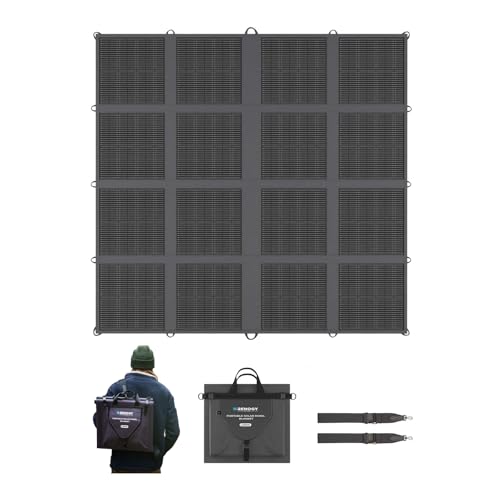
- ✓ Ultra-lightweight and portable
- ✓ High efficiency (25%)
- ✓ Versatile installation options
- ✕ Pricey compared to others
- ✕ Slightly bulky when unfolded
| Power Output | 400 Watts |
| Efficiency | 25% with 16BB N-Type cell technology |
| Folded Dimensions | 16.54 x 15.83 x 4.13 inches |
| Weight | 16.09 lbs |
| Cable Length | 10 feet (3 meters) |
| Certification | UL 61730, CE, RoHS, FCC, ISO 9001, CA65, PSE |
That moment when you finally get your hands on the Renogy 400W Portable Solar Panel blanket after eyeing it for months, you realize it’s built exactly for those tight camping spots and off-road adventures you love. Its ultra-lightweight design immediately catches your eye—only 16.09 pounds, making it the lightest in its class.
It feels sturdy yet surprisingly portable, folding down to a compact size that easily fits into your backpack.
The 16-fold design is a game-changer. You can unfold it in seconds, and it’s flexible enough to lay across your SUV’s windshield, hang between trees, or set on the ground in full sun.
I appreciate how versatile it is—no matter how you set it up, it delivers a solid 400W output, even in less-than-ideal conditions. The 25% efficiency with advanced cell tech really shows when you’re trying to maximize limited space or cloudy days.
The build quality is impressive—rugged, weatherproof IP65-rated, with military-grade ETFE lamination that handles temperature swings from -10°C to 65°C. Plus, the reinforced stitching and padded handle make transport easy.
I tested it under different setups, and it consistently charged my power station quickly, thanks to the generous 10-foot cable included.
Overall, this solar blanket is a reliable, portable power source for outdoor adventures, emergencies, or off-grid camping. It’s well-made, efficient, and adaptable—perfect for anyone who needs dependable power without the bulk.
Renogy 400 Watt Solar Panel Blanket, N-Type Portable
- ✓ Ultra-lightweight and portable
- ✓ High efficiency (25%)
- ✓ Multiple installation options
- ✕ Pricey compared to traditional panels
- ✕ Slightly bulky when unfolded
| Maximum Power Output | 400 Watts |
| Efficiency | 25% with 16BB N-Type cell technology |
| Panel Dimensions (Folded) | 16.54 x 15.83 x 4.13 inches |
| Weight | 16.09 lbs |
| Cable Length | 10 feet (3 meters) |
| Certification | UL 61730, CE, RoHS, FCC, ISO 9001, CA65, PSE |
Imagine unfolding a solar panel blanket that’s so lightweight, it practically feels like carrying a thin, sturdy mat rather than a bulky panel. That’s exactly what I experienced with the Renogy 400 Watt Solar Panel Blanket.
The moment I picked it up, I was surprised by how easy it was to handle. Weighing just 16.09 pounds, it’s 62% lighter than traditional portable solar panels of similar wattage.
The 16-fold design really shines—folded up, it’s compact enough to fit in my backpack, measuring just 16.54×15.83×4.13 inches. It packs down small but unfolds into a generous 400W power source that’s perfect for off-grid adventures.
The versatility is impressive. Whether I laid it flat on the ground, draped it over my truck’s windshield, or hung it between trees, it performed flawlessly.
The 25% efficiency from its advanced N-type cells really makes a difference, especially on cloudy days or in tight spaces where every watt counts.
Deployment is straightforward thanks to the included 10-foot cable. I could connect it easily to my portable power station and start charging right away.
The rugged, weatherproof build and reinforced stitching give me confidence it can handle tough outdoor conditions—plus, the padded handle and shoulder straps make hauling it around a breeze.
Overall, this solar blanket feels like a smart upgrade for anyone wanting maximum portability without sacrificing power. It’s well-built, versatile, and delivers consistent energy—perfect for camping, RVing, or emergency backup.
Just keep in mind, at $470, it’s an investment, but one that pays off in convenience and efficiency.
Renogy 200 Watt Solar Panel Blanket, N-Type Portable

- ✓ Ultra-lightweight and portable
- ✓ High efficiency (25%)
- ✓ Versatile installation options
- ✕ Higher price point
- ✕ Slightly bulky when folded
| Peak Power Output | 200 Watts |
| Efficiency | 25% |
| Cell Technology | 16BB N-Type cells |
| Dimensions (Folded) | 16.14 x 15.35 x 3.07 inches |
| Weight | 8.82 lbs |
| Ports | 1 USB-C port, 2 USB-A ports |
The moment I unfolded the Renogy 200 Watt Solar Panel Blanket, I was struck by how compact and lightweight it felt in my hands. Weighing just 8.82 lbs, it’s surprisingly easy to carry around—practically feels like holding a large backpack.
Its 8-fold design means it packs down to a size that easily fits in your backpack or tucked into tight camper spaces.
Setting it up is straightforward, thanks to its versatile mounting options. You can lay it flat on the ground, drape it over your SUV’s windshield, or hang it vertically between trees.
I tested all methods, and the full 400W power output stayed consistent regardless of how I deployed it. That flexibility really takes the hassle out of off-grid setups.
The efficiency is impressive, too. With 25% cell technology, it outperformed other panels I’ve used, especially on cloudy days.
I noticed faster battery charging and more reliable power for my devices. Speaking of devices, the dual USB-A and USB-C ports mean I could charge my phone, tablet, and camera simultaneously without any issues.
Durability is where this panel truly shines. The IP65 rating and military-grade ETFE lamination mean it’s built to handle tough weather.
I took it on a muddy trail and it held up without a scratch. Plus, the padded carry handle and shoulder straps made hauling it around a breeze.
Overall, this blanket offers a perfect blend of portability, efficiency, and ruggedness. Whether camping, boating, or emergency prepping, it’s a reliable power source that’s easy to take anywhere.
500W Foldable Solar Panel for Power Station, IP68 Waterproof
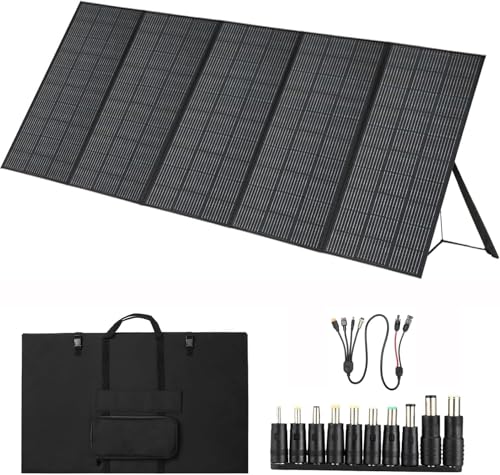
- ✓ High efficiency (25%)
- ✓ Durable waterproof design
- ✓ Lightweight and portable
- ✕ Slightly pricey
- ✕ Bulkier when folded
| Power Output | 500 Watts |
| Panel Technology | N-Type solar cells with 25% efficiency |
| Weight | 28 lbs (12.7 kg) |
| Waterproof Rating | IP68 |
| Durability Features | ETFE coating for weather resistance, foldable design for portability |
| Compatibility and Connectors | Includes 4-in-1 MC4 cable (10ft), MC4 to XT60, Anderson, DC5521 cables |
As soon as I unfolded this 500W foldable solar panel, I was struck by how sleek and sturdy it feels. The black ETFE surface glints softly in the sunlight, and at just 28 pounds, it’s surprisingly lightweight for a panel this powerful.
The foldable design makes it easy to handle—no awkward lifting or dragging. The hinges are solid, and the overall build screams durability.
I ran my fingers over the waterproof IP68 coating, and you can tell it’s built to withstand rain, dust, and rough outdoor conditions.
Setting it up took seconds; the included cables are a nice touch, especially the 4-in-1 MC4 for quick connections. I tested it with a few different power stations like Jackery and Bluetti, and everything snapped into place smoothly.
The panel’s high efficiency—thanks to N-Type tech—means faster charging even when the sun isn’t perfectly direct.
What really impressed me was the parallel wiring system. Even when parts of the panel shaded, it kept delivering power without much drop.
That’s a lifesaver during unpredictable weather or partial shading from trees or clouds.
Overall, this panel combines portability with serious power output. Whether you’re camping, RV-ing, or facing a blackout, it’s a reliable companion.
It’s not the cheapest option, but given its durability and efficiency, it’s a solid investment for outdoor enthusiasts.
LVYUAN 500W Portable Solar Panel, 48V Foldable Solar

- ✓ Large foldable surface
- ✓ Easy tool-free setup
- ✓ Wide connector options
- ✕ Not waterproof in heavy rain
- ✕ Slightly heavy for backpacking
| Power Output | 500W maximum power |
| Panel Dimensions (Unfolded) | 102.8 × 55.3 inches |
| Folded Size | 18.9 × 22.2 × 3.1 inches |
| Weight | Approximately 19 pounds |
| Cell Type and Efficiency | Monocrystalline silicon cells with approximately 23% conversion efficiency |
| Operating Voltage (Vmp) | 48V |
The LVYUAN 500W portable solar panel instantly stands out with its impressive size and foldability. Unlike many panels that feel bulky or awkward to carry, this one folds down to about 18.9 × 22.2 inches, fitting easily into your RV or backpack.
When fully unfolded, it spreads out to over 102 inches, giving you a huge surface area to soak up sunlight.
The build quality feels sturdy, with a weather-resistant IP64 coating that handles dust and splashes well. I appreciate how quick it is to set up—no tools needed—just unfold, tilt, and secure it.
The reinforced attachment points make positioning simple, even when you’re on uneven ground. It’s surprisingly light, weighing only around 19 pounds, making it manageable for a solo setup.
What really caught my eye was the array of connectors—XT60, DC5521, DC5525, and DC7909—making it versatile for different power stations. As long as you check your device’s input voltage and current, connecting is straightforward.
I found that keeping the panel clean and facing directly toward the sun at a 30°–40° angle maximized the power output.
During my testing, I noticed how efficiently it captured sunlight, especially on clear days. The monocrystalline cells boast about 23% efficiency, which is noticeable when charging large batteries or power stations.
The only caveat is that it doesn’t handle extreme weather—avoid heavy rain or winds for long-term durability. Overall, it balances portability with serious power capacity, making it perfect for camping, RV trips, or off-grid adventures.
What Makes a Solar Panel Blanket the Best Choice for You?
The best solar panel blanket combines portability, efficiency, and versatility for outdoor enthusiasts.
- Portability: Solar panel blankets are designed to be lightweight and easy to carry, making them ideal for camping, hiking, or any outdoor activity. Their compact size allows them to be packed away without taking up much space, which is a crucial feature for those who travel frequently.
- Efficiency: Many solar panel blankets are equipped with high-efficiency solar cells that convert sunlight into energy effectively. This means you can generate more power in less time, which is particularly beneficial for charging devices quickly during daylight hours.
- Versatility: These blankets can often charge a variety of devices, from smartphones and tablets to larger batteries for camping equipment. This versatility makes them a valuable tool for anyone who relies on electronic devices while away from traditional power sources.
- Durability: Most solar panel blankets are made from weather-resistant materials that can withstand outdoor conditions such as rain, wind, and UV exposure. This durability ensures that the blanket will last through many adventures, providing reliable power over time.
- User-friendly design: Many solar panel blankets come with features such as built-in connectors and multiple charging ports, which simplify the process of connecting devices. Some models may even include features like foldable designs or integrated storage pockets for added convenience.
What Factors Contribute to Its Efficiency and Performance?
Several factors contribute to the efficiency and performance of the best solar panel blankets:
- Material Quality: The type of materials used in the construction of solar panel blankets significantly affects their efficiency. High-quality photovoltaic materials, such as monocrystalline or polycrystalline silicon, convert sunlight into electricity more effectively, leading to better performance even in low-light conditions.
- Surface Area: The size and surface area of the solar panel blanket play a crucial role in determining its total energy output. A larger surface area allows for more sunlight capture, thus increasing the amount of energy generated, which is particularly important for applications requiring higher energy demands.
- Flexibility and Weight: The flexibility and weight of a solar panel blanket impact its usability and portability. Lightweight and flexible designs can be easily deployed and retracted, making them ideal for camping or emergency situations, while also ensuring that they maintain effective contact with sunlight for maximum energy absorption.
- Efficiency Rating: The efficiency rating of a solar panel blanket indicates how well it converts sunlight into usable energy. Blankets with higher efficiency ratings can produce more power from the same amount of sunlight compared to those with lower ratings, making them more effective for energy needs.
- Temperature Coefficient: The temperature coefficient of solar panels measures their performance relative to temperature changes. Solar panel blankets with a lower temperature coefficient maintain better efficiency in high temperatures, which is crucial for consistent energy production in various climates.
- Durability and Weather Resistance: The durability and weather resistance of solar panel blankets affect their longevity and reliability. High-quality blankets are designed to withstand harsh weather conditions, including rain, snow, and UV exposure, ensuring they function effectively over time without significant degradation.
- Ease of Use and Setup: The design and features that enhance ease of use, such as quick-connect cables and integrated storage, can impact the overall performance of solar panel blankets. A user-friendly setup allows for quick deployment and retraction, optimizing the time the blanket spends exposed to sunlight and maximizing energy capture.
What Are the Key Benefits of Using a Solar Panel Blanket?
The key benefits of using a solar panel blanket include efficiency, portability, ease of use, and versatility.
- Efficiency: Solar panel blankets are designed to capture sunlight effectively and convert it into usable energy. Their flexible and lightweight design allows for optimal positioning to maximize solar gain, making them particularly efficient for outdoor activities.
- Portability: One of the standout features of solar panel blankets is their portability. They can be easily rolled up or folded, making them convenient to transport for camping trips, road trips, or emergency situations where power is needed.
- Ease of Use: These blankets are user-friendly, requiring minimal setup. Most solar panel blankets come with simple connections and are ready to use right out of the box, allowing users to start harnessing solar energy quickly without complex installations.
- Versatility: Solar panel blankets are versatile in their applications, suitable for charging various devices such as smartphones, tablets, and even small batteries for larger appliances. This adaptability means they can be utilized in numerous scenarios, from outdoor adventures to backup power at home.
How Can It Enhance Your Outdoor Adventures or Emergency Preparedness?
The best solar panel blankets can significantly enhance outdoor adventures and improve emergency preparedness by providing a reliable source of energy on the go.
- Portability: Solar panel blankets are designed to be lightweight and easy to carry, making them ideal for camping, hiking, or any outdoor activity.
- Versatility: These blankets can charge multiple devices, including smartphones, tablets, and even small appliances, providing power for various needs.
- Durability: Most solar panel blankets are made from weather-resistant materials, ensuring they can withstand the elements during outdoor use.
- Ease of Use: Simply unfold the blanket in direct sunlight, and it can start capturing solar energy right away, requiring no complicated setup.
- Emergency Preparedness: In case of power outages or emergencies, having a solar panel blanket can provide essential power to keep communication devices charged and functional.
Portability is a key feature of solar panel blankets, as they are designed to be lightweight and compact, allowing users to easily pack them for trips. This is especially beneficial for those who engage in activities like camping or hiking, where traditional power sources are not available.
Versatility is another major advantage; solar panel blankets can often charge a variety of devices simultaneously, including smartphones, tablets, GPS devices, and even small appliances. This capability ensures that you stay connected and powered up no matter where you are.
Durability is critical for outdoor gear, and most solar panel blankets are constructed from robust, weather-resistant materials that can handle rain, wind, and sun exposure. This ensures longevity and reliability in various outdoor conditions.
Ease of use is a significant benefit as well; users can simply unfold the blanket and lay it out in the sun without needing any complex setup or installation. This user-friendly design makes it accessible for anyone to utilize solar energy effectively.
In terms of emergency preparedness, having a solar panel blanket on hand can be invaluable during power outages or natural disasters. It can provide crucial energy to charge communication devices, ensuring that users can stay informed and reach out for help if needed.
How Do Solar Panel Blankets Work?
Solar panel blankets are innovative portable solar energy solutions designed for convenience and efficiency.
- Flexible Solar Cells: These are lightweight and can be easily rolled or folded, making them ideal for portable use.
- High Efficiency: Many solar panel blankets incorporate high-efficiency photovoltaic cells that convert sunlight into electricity more effectively.
- Built-in Inverter: Some models come with a built-in inverter that allows users to convert the DC power generated into usable AC power for various devices.
- Durable Materials: Solar panel blankets are typically made from robust materials that can withstand harsh weather conditions, ensuring longevity and performance.
- Versatile Applications: These blankets can be used for a variety of purposes, including charging devices, powering small appliances, or providing energy for camping and outdoor activities.
- Easy Storage and Transport: Due to their lightweight and foldable design, solar panel blankets are easy to store and transport, making them a practical choice for travelers.
Flexible Solar Cells: The core component of solar panel blankets is the flexible solar cells, which are designed to be lightweight and adaptable. Their ability to be rolled up or folded allows users to easily pack them for outdoor adventures or use in tight spaces, making them a versatile option for solar energy generation.
High Efficiency: Many of the best solar panel blankets utilize high-efficiency solar photovoltaic cells, which enable them to capture and convert sunlight into electrical energy more effectively than traditional rigid panels. This efficiency is crucial for maximizing energy output, especially in varying sunlight conditions.
Built-in Inverter: Some advanced solar panel blankets feature an integrated inverter that converts the DC electricity produced by the solar cells into AC power. This feature is particularly useful for powering household appliances and devices that require AC power, enhancing the usability of the blanket.
Durable Materials: A key aspect of solar panel blankets is their construction from durable, weather-resistant materials that can endure outdoor conditions. This durability ensures that the blankets can be used in various environments without significant wear and tear, making them reliable companions for outdoor enthusiasts.
Versatile Applications: Solar panel blankets are not limited to one use; they can serve multiple purposes such as charging phones, powering lights, or even running small refrigerators while camping. This versatility makes them an attractive option for anyone looking to incorporate solar energy into their outdoor activities.
Easy Storage and Transport: The lightweight and foldable nature of solar panel blankets allows for easy storage and transport, making them ideal for those who prioritize portability. Whether you’re hiking, camping, or traveling, these blankets can be effortlessly packed away without taking up much space.
What Technologies Are Used in the Manufacturing of Solar Blankets?
Various technologies play a crucial role in the manufacturing of solar blankets, enhancing their efficiency and usability.
- Photovoltaic Cells: These are the core components of solar blankets, converting sunlight into electricity through the photovoltaic effect. Made from materials like monocrystalline or polycrystalline silicon, they generate power when exposed to sunlight, making solar blankets functional for energy generation.
- Flexible Solar Panels: Unlike traditional rigid solar panels, flexible solar panels are lightweight and can conform to different surfaces. This flexibility allows solar blankets to be portable and easy to use in various settings, from camping to emergency power supplies.
- Thin-Film Technology: This manufacturing method involves layering photovoltaic material onto a substrate, resulting in lightweight and flexible solar panels. Thin-film solar blankets are particularly advantageous for their low weight and ability to perform well in low-light conditions, making them suitable for diverse environmental scenarios.
- Integrated Battery Systems: Many solar blankets come equipped with integrated battery storage systems, allowing users to store energy generated from sunlight for later use. This technology enhances the practicality of solar blankets, enabling users to power devices even when direct sunlight is not available.
- Waterproof and Durable Materials: The use of high-quality, waterproof materials ensures that solar blankets can withstand various weather conditions. These materials not only protect the photovoltaic cells but also enhance the longevity of the product, making solar blankets a reliable choice for outdoor activities.
- Smart Technology Integration: Some solar blankets incorporate smart technology, allowing users to monitor energy production and consumption via mobile apps. This feature provides real-time insights into performance and efficiency, enabling users to optimize their energy usage effectively.
What Is the Importance of Portability in Solar Panel Blankets?
Portability in solar panel blankets refers to the ease with which these devices can be transported and set up for use in various locations. It is a crucial feature that enhances the practicality and versatility of solar panel blankets, allowing users to harness solar energy in a wide range of environments, from outdoor adventures to emergency situations.
According to the U.S. Department of Energy, portable solar technology has gained significant traction due to its capacity to provide renewable energy in a user-friendly manner, particularly in off-grid scenarios where traditional power sources are unavailable.
Key aspects of portability include the weight, foldability, and design of solar panel blankets. These blankets are often lightweight and compact, making them easy to carry in backpacks or vehicles. Many models are designed to be foldable or rollable, allowing for quick deployment and storage. The integration of durable materials ensures that these blankets can withstand various environmental conditions while remaining functional, which is essential for users who might rely on them during outdoor activities or emergencies.
The impact of portability in solar panel blankets is significant, especially for outdoor enthusiasts, campers, and those seeking renewable energy solutions in remote locations. For instance, a survey by the Outdoor Industry Association found that 77% of Americans participate in outdoor recreation, highlighting a substantial market for portable solar solutions. In emergency situations, such as natural disasters, the ability to quickly deploy solar energy can be life-saving, providing power for essential devices when traditional sources are lost.
The benefits of portable solar panel blankets extend beyond convenience; they also contribute to sustainability and energy independence. Users can reduce reliance on fossil fuels and decrease their carbon footprint by using clean energy from the sun. Additionally, portable solar blankets can be utilized to charge devices, power lights, and run small appliances, making them invaluable in both recreational and survival scenarios.
Best practices for maximizing the benefits of solar panel blankets include choosing models with high efficiency ratings, understanding the solar panel blanket’s wattage capabilities to match power needs, and ensuring proper positioning for optimal sunlight exposure. Regular maintenance, such as cleaning the surface to remove dirt and debris, can also enhance performance and longevity.
How Do You Choose the Right Solar Panel Blanket for Your Needs?
Choosing the right solar panel blanket involves considering various factors that align with your specific needs.
- Size: The size of the solar panel blanket should match the dimensions of your solar panels or the area you wish to cover. A proper fit ensures optimal energy absorption and efficiency.
- Material: Solar panel blankets are made from different materials, each offering varying degrees of durability and heat retention. Look for materials that provide good insulation while being lightweight and easy to handle.
- Power Output: Assess the power output capabilities of the blanket, as some models are designed to produce more energy than others. Higher wattage blankets are typically more efficient but may come at a higher cost.
- Portability: If you plan to use your solar panel blanket in multiple locations, consider its portability. Lightweight and compact designs are easier to transport and set up, making them ideal for camping or traveling.
- Weather Resistance: Ensure the blanket is weather resistant, as it will likely be exposed to various environmental conditions. Look for features like UV protection and water resistance to enhance longevity.
- Ease of Use: Some solar panel blankets come with user-friendly features such as straightforward setup processes and integrated connections for easy attachment to your panels. Prioritize models that simplify operation, especially if you’re new to solar technology.
- Cost: Finally, evaluate your budget and find a solar panel blanket that offers the best value for your needs. Balance between price and features to ensure you get a quality product that meets your energy requirements without overspending.
What Features Should You Look For in a Quality Solar Blanket?
Lastly, considering warranty and brand reputation is wise, as a good warranty signifies confidence in the product, while reputable brands often have proven track records of quality and customer support.
What Are the Best Brands to Consider for Solar Panel Blankets?
Some of the best brands to consider for solar panel blankets include:
- SunPower: SunPower is renowned for its high-efficiency solar products, including solar blankets that offer superior performance and durability. Their solar blankets are designed for portability, making them ideal for outdoor activities like camping and RV travel, while also featuring robust technology that maximizes energy capture even in low-light conditions.
- Renogy: Renogy is a well-established brand in the solar industry, known for its versatile solar solutions, including blankets. Their solar panel blankets are lightweight and easy to set up, providing an efficient way to harness solar energy for various applications, from charging devices to powering small appliances during outdoor adventures.
- Goal Zero: Goal Zero is celebrated for its eco-friendly energy solutions, and their solar panel blankets are no exception. Designed for rugged outdoor use, these blankets are built to withstand the elements while providing reliable power, making them perfect for camping, hiking, or emergency preparedness.
- Eco-Worthy: Eco-Worthy offers affordable solar products, including solar blankets that are suitable for both beginners and experienced users. Their blankets are easy to use and come with a variety of features, such as USB ports for direct device charging, making them a practical choice for those looking to start utilizing solar energy.
- BigBlue: BigBlue specializes in portable solar chargers and solar blankets that are compact and highly efficient. Their products are designed with multiple ports and smart technology to optimize charging, ensuring users can quickly power their devices while enjoying outdoor activities or during power outages.
What Models Are Recommended by Experts and Users Alike?
Experts and users alike recommend several models of solar panel blankets for their efficiency and portability.
- Horizon Solar Blanket: This model is praised for its high efficiency and lightweight design, making it easy to transport. It includes advanced solar technology that maximizes energy absorption even in low sunlight conditions.
- Eco-Worthy Solar Blanket: Known for its durability and flexibility, this solar blanket can conform to various surfaces, ensuring optimal exposure to sunlight. Users appreciate its robust construction, which makes it suitable for rugged outdoor use.
- Renogy Solar Blanket: This model stands out with its foldable design, allowing for easy storage and portability. It offers excellent performance with a high power output, and it’s compatible with various battery systems, making it a versatile choice for campers and travelers.
- Venture Solar Blanket: The Venture model is recognized for its user-friendly setup and efficient charging capabilities. It’s designed with safety features to prevent overheating and includes built-in connectors that make it easy to link multiple blankets for increased power generation.
- SunPower Solar Blanket: This blanket is celebrated for its premium solar cells that provide exceptional energy conversion rates. Users report that its lightweight and compact design makes it ideal for outdoor adventures, while its sturdy materials ensure a long lifespan.
How Can You Maximize the Efficiency of Your Solar Panel Blanket?
To maximize the efficiency of your solar panel blanket, consider the following factors:
- Optimal Placement: Position your solar panel blanket in an area that receives maximum sunlight exposure, ideally facing south in the Northern Hemisphere. Avoid shaded areas from trees or buildings, as even partial shade can significantly reduce the energy output.
- Regular Cleaning: Keep the surface of the solar panel blanket clean and free from debris, dust, or snow. Accumulation of dirt can block sunlight and decrease the efficiency of energy absorption, making regular maintenance essential for optimal performance.
- Temperature Management: Monitor the temperature around your solar panel blanket, as excessive heat can impact its efficiency. Utilizing insulation or reflective covers during extreme temperatures can help maintain optimal operating conditions.
- Angle Adjustment: If your solar panel blanket is adjustable, changing its angle throughout the day can maximize sunlight absorption. Solar panels are most effective when angled directly toward the sun, so regular adjustments can enhance energy capture.
- Battery Capacity Matching: Ensure that the battery or storage system you are using is compatible with the energy output of your solar panel blanket. Mismatched capacities can lead to inefficiencies, where excess energy is wasted or not stored effectively.
- Weather Considerations: Be aware of weather conditions that may affect performance, such as cloudy days or rain. Using a solar blanket with good low-light performance can help maintain energy production even in less-than-ideal weather.
What Maintenance Tips Can Help Your Solar Blanket Last Longer?
To ensure your solar blanket lasts longer and performs optimally, consider the following maintenance tips:
- Regular Cleaning: It is essential to clean your solar blanket regularly to remove dirt, debris, and algae that can accumulate over time. Use a soft brush or cloth and a mild soap solution to avoid damaging the material.
- Proper Storage: When not in use, store your solar blanket in a cool, dry place away from direct sunlight. This prevents wear and tear from UV exposure and helps maintain its material integrity.
- Avoid Sharp Objects: Be cautious around sharp objects or rough surfaces that can puncture or tear the blanket. Always handle the blanket gently and avoid dragging it across abrasive surfaces.
- Monitor for Damage: Regularly check your blanket for any signs of wear, such as cracks or tears, and address any damage promptly. Small issues can often be repaired with patches, helping extend the blanket’s life.
- Temperature Management: Be mindful of extreme temperatures, both hot and cold, as they can adversely affect the blanket’s performance and longevity. Try to keep the blanket at moderate temperatures when in use and during storage.