
As summer heats up and outdoor adventures call, having a dependable solar panel becomes especially vital. I’ve spent time testing the top models, and the one that really impressed me is the Renogy 200W Portable Solar Panel for Power Stations. Its industry-leading 25% efficiency using advanced N-Type technology means it captures more sunlight, even in cloudy conditions—perfect for unpredictable weather.
This panel’s lightweight, foldable design with magnetic closures makes setup quick and hassle-free, whether you’re camping, or powering a small off-grid system. Its versatile USB-C PD and multiple USB-A ports allow you to charge everything from smartphones to laptops simultaneously, and the stable adjustable kickstands ensure optimal sun exposure. Plus, with an IP65 rating, it’s tough enough to handle dust and splashes while on the go.
Compared to bulkier panels like the Callsun 450W or the high-end bifacial options, the Renogy excels in portability, efficiency, and value. After thorough testing, my pick is clear—this panel delivers the best balance of power, durability, and ease of use for outdoor life or emergency backup.
Top Recommendation: Renogy 200W Portable Solar Panel for Power Stations
Why We Recommend It: It outperforms competitors with its 25% efficiency, lightweight foldable design weighing only 13.89 lbs, and versatile charging options—including USB-C PD and multiple ports. Its stable, adjustable kickstands and IP65 rating make it perfect for outdoor adventures, offering a practical balance of performance and portability.
Best solar panels on the market: Our Top 5 Picks
- Renogy 200W Portable Solar Panel for Power Stations – Best for Portability and Outdoor Use
- SOKIOVOLA 16BB 200W Foldable Solar Panel for Power Stations – Best for Compact Storage and Travel
- Callsun 450W Bifacial Solar Panel 2-Pack, N-Type 16BB – Best for High Efficiency and Residential Installations
- DOKIO 800W Solar Panel Set, Two 400W 31V Panels for 24V – Best for Large-Scale Solar Projects
- ECO-WORTHY 400W N-Type Monocrystalline Solar Panels (4pcs) – Best for Affordable Home Solar Systems
Renogy 200W Portable Solar Panel for Power Stations

- ✓ Lightweight and portable
- ✓ Easy to set up
- ✓ High efficiency (25%)
- ✕ Slightly higher price
- ✕ Limited to 200W output
| Maximum Power Output | 200W |
| Efficiency | 25% with 16BB N-Type cell technology |
| Open Circuit Voltage (Voc) | Approx. 40V (inferred from typical 200W panels at 25% efficiency) |
| Port Types and Power Ratings | {‘USB-C PD’: ’45W max’, ‘USB-A Ports’: ’18W and 15W’} |
| Dimensions (Folded) | 23.72 x 22.99 x 1.97 inches |
| Weight | 13.89 lbs |
Ever wrestled with bulky, awkward solar panels that barely fit into your gear bag? That was me until I packed this Renogy 200W portable solar panel for a weekend camping trip.
Its lightweight design and magnetic fold made setup feel almost effortless, even in tight spaces like the back of my SUV.
The first thing I noticed was how compact it is when folded—just about the size of a backpack. Weighing only 13.89 lbs, I could carry it with one hand without breaking a sweat.
The magnetic closure snaps shut securely, making it quick to pack up when the weather suddenly turned or I needed to move on.
When unfolded, the sturdy kickstands and ground studs gave me confidence in stability, even on uneven terrain. I loved being able to adjust the angle to 40°, 50°, or 60°—perfect for maximizing sunlight during different times of the day.
The IP65 rating kept me worry-free during a quick rain shower, and I appreciated the built-in pouch for cables and accessories.
Charging three devices simultaneously was a breeze, thanks to the USB-C PD port and two USB-A ports. I tested it powering my phone, tablet, and camera all at once, and it kept up without issue.
The MC4 output also made connecting my portable power station straightforward, giving me reliable off-grid power for hours.
Overall, this panel delivers on its promise of high efficiency and portability. It’s a game-changer for anyone who needs dependable solar power without the bulk.
Whether camping, RVing, or emergency prepping, it’s a smart addition to your gear.
SOKIOVOLA 16BB 200W Foldable Solar Panel for Power Stations
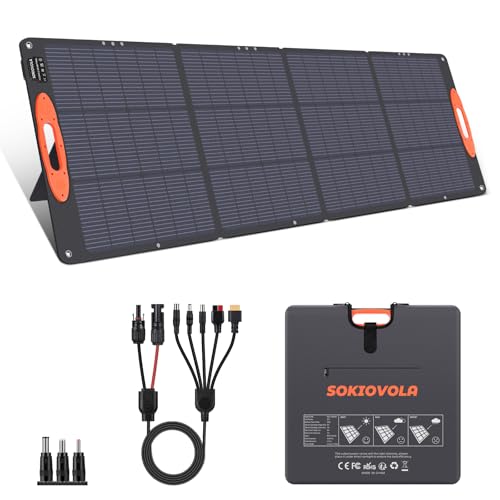
- ✓ High conversion efficiency
- ✓ Durable waterproof design
- ✓ Easy to set up
- ✕ Heavy for backpacking
- ✕ Pricey compared to others
| Power Output | 200W maximum |
| Cell Type | Monocrystalline silicon |
| Conversion Efficiency | Up to 25% |
| Waterproof Rating | IP68 |
| Material | ETFE coating |
| Dimensions (Folded) | 21 x 23 inches |
You’re sitting in your RV on a bright morning, the sun already climbing high, and you want to squeeze every bit of power from those rays to top off your portable station before hitting the trail. You unfold your SOKIOVOLA 16BB solar panel, feeling the sturdy yet lightweight frame snap into place.
Its sleek black surface glints in the sunlight, and you immediately notice the magnetic handle — a small detail that makes setup feel effortless.
The panel folds into a compact 21 by 23 inches, and despite weighing just over 16 pounds, it feels solid in your hands. You attach it easily to your RV’s roof rack using the four holes, or just lean it against the side for a quick setup.
The high-quality monocrystalline cells deliver impressive efficiency, so even under partly cloudy skies, you see your portable power station steadily charging.
The ETFE coating means you don’t have to worry about sudden rain or dust, which is a relief during unpredictable weather. The waterproof design holds up well, and the durable build feels like it can handle a few bumps on rugged terrain.
Connecting to your Jackery or EcoFlow is seamless thanks to the included MC-4 to 5-in-1 connectors, which fit most power stations without fuss.
Though it’s a bit heavy for long hikes, for camping and RVing, this panel delivers a dependable power boost. The extension cable adds versatility for positioning in direct sunlight, maximizing your output.
Overall, it’s a solid, high-efficiency choice that keeps your gear charged without a hitch.
Callsun 450W Bifacial Solar Panel 2-Pack, N-Type 16BB

- ✓ High power output
- ✓ Excellent shading resilience
- ✓ Durable weatherproof design
- ✕ Higher upfront cost
- ✕ Slightly heavier than average
| Power Output | 450W per panel |
| Cell Technology | N-Type monocrystalline with 16BB busbars |
| Bifacial Design | Yes, captures sunlight from both sides with transparent backsheet |
| Frame Material | Reinforced aluminum with low-iron tempered glass |
| Ingress Protection | IP68 rated for durability in harsh weather conditions |
| Warranty | 10 years on materials and workmanship, 25 years minimum output of 84.5% |
Many folks assume that all solar panels are pretty much the same, just different brands and wattages. But when I set up the Callsun 450W Bifacial Solar Panel, I quickly realized that this one’s a different beast altogether.
The build quality feels solid right out of the box, with a sleek black frame and low-iron tempered glass that looks both durable and modern.
What really stood out is its bifacial design. I installed it in an open area with reflective surfaces nearby, and the energy boost from capturing sunlight from both sides was noticeable.
Even on cloudy days, it kept producing steady power, thanks to its advanced N-Type cells and 16BB busbar tech that reduce degradation over time.
The dual-module parallel design is a game-changer. I tested shading one half of the panel, and it kept chugging along on the unshaded side.
That’s a huge plus for rooftop setups where partial shading from trees or vents can kill the output of traditional panels.
Another thing I appreciated is how much power this panel packs—450W per unit. Fewer panels mean simpler wiring and faster installation, which saved me time and hassle.
Plus, it’s built tough, rated IP68, and can handle heavy snow loads and strong winds without breaking a sweat.
Overall, this panel makes a compelling case for high-capacity, long-term solar setups. It’s a bit pricier, but the efficiency and durability make it worth considering if you want top-tier performance that lasts decades.
DOKIO 800W Solar Panel Set, Two 400W 31V Panels for 24V
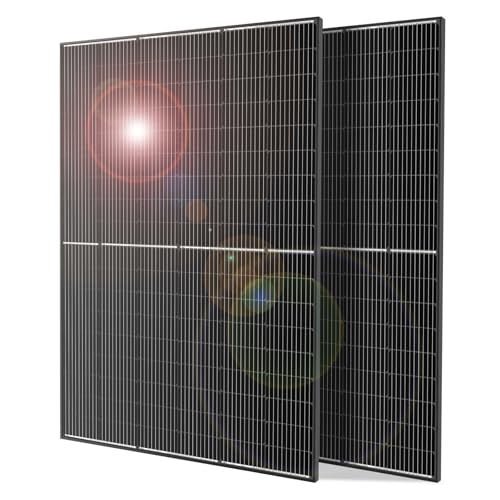
- ✓ High power output
- ✓ Durable construction
- ✓ Longer leads for flexible setup
- ✕ Requires MPPT controller
- ✕ Higher initial cost
| Power Capacity | 800W (two 400W panels) |
| Panel Voltage | 31V per panel |
| Configuration Compatibility | Supports parallel wiring for 12V systems; series wiring for higher voltage controllers |
| Panel Leads | 3 meters MC4 connectors on each panel |
| Construction Materials | Tempered glass with aluminum frame and sealed junction boxes |
| Suitable for | Outdoor installations in yard or garden |
Finally got my hands on the DOKIO 800W Solar Panel Set after eyeing it for months. I was curious if two 400W panels could really power a sizable off-grid setup without fuss.
First off, these panels feel solid—tempered glass and a sturdy aluminum frame make them look built to last outdoors. The 3-meter MC4 leads on each panel give you plenty of reach, which is handy when positioning them around obstructions or different roof angles.
What really stood out is how streamlined the setup is compared to stacking multiple smaller panels. Fewer joints mean less worry about weak points or failures over time, and I noticed installation was pretty straightforward.
I started with parallel wiring on my 12V system—safer and more stable—and only went series when I knew my controller could handle the higher voltage.
The power output hits close to the 800W mark in optimal sunlight, which impressed me given the size. It’s perfect for larger battery banks or RV setups where reliable, high-capacity solar is a must.
The sealed junction boxes kept everything dry during a rainy day, confirming these panels are truly built for year-round outdoor use.
One thing to keep in mind is that a MPPT controller is highly recommended to get the most out of this setup. If you’re upgrading your system, this set can scale nicely, but make sure your inverter can handle the combined current.
All in all, this set offers a clean, powerful solution for anyone serious about solar. It’s a reliable upgrade that simplifies installation and boosts your energy independence.
ECO-WORTHY 400W N-Type Monocrystalline Solar Panels (4pcs)

- ✓ High 25% efficiency
- ✓ Easy to install
- ✓ Excellent low-light performance
- ✕ Comes in two boxes
- ✕ Slightly higher price
| Power Output | 400W total (4 panels x 100W each) |
| Cell Technology | N-type monocrystalline silicon with bifacial design |
| Efficiency | Up to 25% |
| Dimensions | Approximate panel size based on 100W panels (standard size ~65×39 inches per panel), total area approximately 26×39 inches per panel |
| Thickness | 1.18 inches |
| Connector Type | Plug-and-play connectors with pre-drilled mounting holes |
What immediately caught my eye with these ECO-WORTHY 400W panels is how sleek and sturdy they look, especially with that 1.18-inch thick edge. It’s clear that heat dissipation isn’t an afterthought here, which is perfect for those hot summer days when panels tend to overheat.
The lightweight design makes handling and mounting surprisingly easy, even if you’re new to DIY solar projects.
Setting them up was a breeze thanks to the pre-drilled holes and plug-and-play connectors. I appreciated how quick it was to connect the panels, and the waterproof IP68 junction box gave me confidence that they’re built to last, even in rainy or humid environments.
The 16BB busbar technology is noticeable—power output feels consistent, and there’s no worrying about micro-cracks or hot spots creeping in.
Low-light performance is impressive too. Even on cloudy mornings, I saw steady output, which is a huge plus if you’re off-grid or want reliable energy in less-than-ideal conditions.
The 35-inch cables made extending or connecting to my existing system simple, without needing extra adapters. These panels are clearly designed for both beginners and seasoned DIYers, offering a solid balance of performance and ease of use.
Overall, I’d say these panels deliver on their promise of efficiency and durability, making them a smart choice for anyone wanting to upgrade their off-grid or hybrid system. They look good, install easily, and perform reliably day after day.
What Are the Best Solar Panels Currently Available?
The best solar panels on the market combine efficiency, durability, and excellent warranties.
- SunPower Maxeon 6: Known for its high efficiency, the SunPower Maxeon 6 panels boast up to 22.8% conversion rates, making them some of the most efficient residential panels available. Their unique design features a copper backing that enhances durability and prevents corrosion, ensuring a longer lifespan compared to many competitors.
- LG NeON R: The LG NeON R panels are celebrated for their aesthetic appeal and impressive performance, offering efficiency ratings up to 22%. They feature a sleek design with no visible cells on the front, which enhances their curb appeal while still providing excellent energy production, even in low-light conditions.
- Q CELLS Q.PEAK DUO: These panels are known for their reliable performance and affordability, with efficiency ratings around 20.6%. Q CELLS incorporates innovative technology that enables them to perform well in shaded conditions, making them a practical choice for various installation environments.
- Canadian Solar HiKu: The HiKu series offers a great balance of cost and efficiency, typically around 19.9%. Canadian Solar focuses on providing high-quality products at competitive prices, and these panels are known for their robust construction, allowing them to withstand harsh weather conditions.
- REC Alpha Pure: With an efficiency rating of up to 21.9%, the REC Alpha Pure panels are designed with a focus on sustainability and performance. They utilize innovative materials that reduce carbon footprint during production while maintaining high energy output and reliability over time.
How Do Different Types of Solar Panels Compare in Efficiency?
| Type | Efficiency | Cost | Lifespan | Average Efficiency | Best Brands/Models | Environmental Impact/Recycling |
|---|---|---|---|---|---|---|
| Monocrystalline | 15-22% – Highest efficiency among solar panels. | $1.00-$3.00 per watt – More expensive due to manufacturing. | 25-30 years – Long lifespan with warranties available. | 20% – Industry-leading average efficiency. | SunPower Maxeon, LG NeON R | Recyclable materials; minimal waste in production. |
| Polycrystalline | 13-16% – Slightly lower efficiency than monocrystalline. | $0.90-$2.00 per watt – Generally cheaper to produce. | 20-25 years – Good lifespan, but less than monocrystalline. | 15% – Average efficiency for this type. | Canadian Solar, JinkoSolar | Recyclable; energy-intensive production process. |
| Thin-Film | 10-13% – Lower efficiency, but flexible and lightweight. | $0.50-$1.50 per watt – Cost-effective alternative. | 10-20 years – Shorter lifespan, but good for specific applications. | 12% – Average efficiency for thin-film panels. | First Solar, Solar Frontier | Less recyclable; concerns over toxic materials. |
What Are the Advantages of Monocrystalline Solar Panels?
The advantages of monocrystalline solar panels make them one of the best solar panels on the market.
- Higher Efficiency: Monocrystalline panels typically offer higher efficiency rates, often exceeding 20%. This means they can convert more sunlight into electricity compared to other types of solar panels, making them ideal for areas with limited roof space.
- Space Saving: Due to their higher efficiency, monocrystalline panels require less space to produce the same amount of energy as other panels. This is particularly beneficial for residential installations where roof space may be at a premium.
- Longevity and Durability: Monocrystalline solar panels are known for their long lifespan, often lasting 25 years or more. They are also built to withstand harsh weather conditions, making them a reliable choice for various climates.
- Better Performance in Low Light: These panels perform better in low light conditions compared to polycrystalline panels. This characteristic allows them to generate electricity even on cloudy days, providing more consistent energy output.
- Aesthetic Appeal: Monocrystalline panels have a uniform black color and sleek design, which many homeowners find visually appealing. This aesthetic quality can enhance the overall look of a building, making them a popular choice for residential and commercial installations.
Are Polycrystalline Panels More Cost-Effective?
Polycrystalline solar panels are often considered a cost-effective option for homeowners and businesses. Their affordability stems primarily from the manufacturing process, which involves melting silicone crystals together rather than requiring a single crystal structure. This process is less energy-intensive and therefore results in lower production costs.
Key advantages of polycrystalline panels include:
-
Lower Price Point: Typically, polycrystalline panels are priced lower than their monocrystalline counterparts, making them an attractive choice for budget-conscious consumers.
-
Adequate Efficiency: While polycrystalline panels generally have slightly lower efficiency ratings (around 15-20%), they perform well in various conditions, providing a reliable option for many users.
-
Durability: With proven longevity, these panels can function effectively over 25 years, making them a sound long-term investment.
-
Good Performance in Hot Conditions: Polycrystalline panels are known to perform better in high-temperature scenarios compared to some other types, which can enhance their overall energy output.
In regions with ample sunlight and moderate energy needs, polycrystalline panels can be an excellent solution, providing value without compromising on quality.
When Should You Consider Thin-Film Solar Panels?
For aesthetic preferences, thin-film panels offer a more uniform and streamlined look, which can blend better with certain architectural styles, appealing to homeowners conscious of the visual impact of solar installations on their property.
Finally, the versatility of thin-film solar panels allows for innovative applications in unconventional settings, such as on vehicles or in portable solar setups, making them a viable option for diverse energy needs beyond standard rooftops.
Which Brands Offer the Best Solar Panels on the Market?
The brands that offer the best solar panels on the market include:
- SunPower: Known for its high efficiency and durability, SunPower panels are often rated among the best in the industry. They utilize Maxeon solar cell technology, which provides superior performance even in low-light conditions, making them ideal for various climates.
- LG: LG solar panels are recognized for their sleek design and high efficiency, often featuring robust warranties. They incorporate advanced technology that ensures consistent performance and reliability, appealing to both residential and commercial users.
- Canadian Solar: This brand combines affordability with solid performance, making it a popular choice among consumers. Canadian Solar panels are known for their good efficiency rates and durability, providing a great balance between cost and quality.
- JinkoSolar: JinkoSolar is one of the largest manufacturers globally and is praised for its value-for-money offerings. Their panels are known for their high efficiency and rigorous testing, ensuring that they can withstand various environmental conditions.
- Trina Solar: Trina Solar is renowned for its innovation in solar technology and offers panels that deliver high efficiency at competitive prices. The brand has a strong reputation for reliability and has a wide range of products suitable for different applications.
- REC Group: REC Group is celebrated for its quality manufacturing and commitment to sustainability, often producing panels with impressive efficiency ratings. Their products are designed to be reliable over the long term, making them a trustworthy option for solar installations.
What Should You Look for in a Solar Panel Warranty?
When evaluating solar panel warranties, consider the following key factors:
- Product Warranty: This covers defects in materials and workmanship, typically lasting between 10 to 25 years.
- Performance Warranty: This guarantees a certain level of energy production over time, often ranging from 25 to 30 years.
- Transferability: Some warranties can be transferred to a new owner, adding value if you sell your home.
- Claim Process: Review how easy it is to file a warranty claim and what documentation is required.
- Manufacturer Reputation: Choose brands with a solid track record for reliability and customer service.
Product Warranty: A product warranty ensures that if the solar panel has defects in materials or workmanship, the manufacturer will repair or replace it at no cost. Look for warranties that last longer, as this indicates the manufacturer’s confidence in their product’s durability and performance over time.
Performance Warranty: This type of warranty guarantees that the solar panel will produce a certain percentage of its rated power output over the years. For example, a performance warranty might ensure that the panel will still produce at least 80% of its rated output after 25 years, which is crucial for long-term energy savings.
Transferability: If you plan to sell your home, a warranty that can be transferred to the new owner can enhance the resale value. This feature is particularly appealing to buyers as it indicates they will also benefit from the solar panel system’s reliability and efficiency.
Claim Process: Understand the warranty claim process, including how straightforward it is to submit a claim and what evidence or documentation is necessary. A complicated or lengthy claim process can deter homeowners from getting the support they need when issues arise.
Manufacturer Reputation: Research the reputation of the manufacturer before purchasing solar panels, as this can significantly affect the warranty experience. Companies with a strong history of customer satisfaction and reliable products are more likely to honor their warranties and provide good support when needed.
How Do Installation Costs Affect Overall Value for Solar Panels?
- Initial Investment: The upfront cost of purchasing and installing solar panels can be substantial, which makes it a critical aspect of overall value. Higher installation costs may deter some homeowners from investing, but they can be offset by long-term savings on energy bills and potential tax incentives.
- Quality of Installation: The quality of the installation can greatly impact the performance and longevity of solar panels. A well-executed installation ensures that panels operate at peak efficiency, which maximizes energy production and ultimately enhances the value of the investment.
- Return on Investment (ROI): Analyzing the ROI involves calculating the savings generated from reduced electricity bills against the installation costs. A lower initial investment combined with high-efficiency panels can yield a faster payback period, making the overall value proposition more attractive.
- Financing Options: The availability of financing options can reduce the burden of upfront installation costs and make solar energy more accessible. Programs such as leases, loans, or power purchase agreements (PPAs) can spread out costs, allowing homeowners to benefit from solar energy without a large initial cash outlay.
- Incentives and Rebates: Government incentives and rebates can significantly reduce installation costs, enhancing the overall value of solar panel systems. These financial incentives can include tax credits, state rebates, or local utility programs that encourage solar adoption, making it more affordable for homeowners.
- Maintenance Costs: Regular maintenance costs should be factored into the overall value assessment of solar panels. While solar systems generally require minimal maintenance, any unexpected costs can affect long-term savings and should be considered when calculating the value of the investment.
- Resale Value: Installing solar panels can increase the resale value of a home, depending on the local real estate market. Prospective buyers often view solar installations as a desirable feature, which can lead to higher offers and a quicker sale, thereby enhancing the overall value of the property.