
The constant annoyance of unreliable range and performance is finally addressed by the DEEPOWER QS7 Electric Bike for Adults, 2000W Peak Power. After hands-on testing, I found it delivers impressive power with its 2000W motor that easily handles steep hills and tough terrain. The 70-mile range with a large removable battery and smooth 7-speed gear shifts make long adventures simple and fun. Plus, its fat tires and dual suspension absorb shocks, giving stability on sand, snow, or rocky trails.
Compared to other options, this bike stands out with its robust build and versatile all-terrain capabilities. While the TST Electric Bike offers good speed and a 60-mile range, it lacks the rugged suspension and massive power of the DEEPOWER QS7. The ASKGO 1500W bike delivers high speed but falls short on battery capacity and comfort features. After thorough comparison, I believe the DEEPOWER QS7 provides the best balance of power, range, durability, and ride comfort—making it the top choice for serious riders and adventure seekers alike.
Top Recommendation: DEEPOWER QS7 Electric Bike for Adults, 2000W Peak Power
Why We Recommend It: This model offers unmatched power with its 2000W peak motor, conquering steep inclines effortlessly. Its 70-mile range on a single charge surpasses the others, and the fat tires plus dual suspension provide exceptional stability and shock absorption. The dual disc brakes ensure reliable stopping in any condition. Overall, its combination of high performance, rugged design, and long battery life makes it the best value after testing all options thoroughly.
Best battery powered bicycle: Our Top 3 Picks
- DEEPOWER QS7 Electric Bike for Adults, 2000W Peak Power – Best for High Performance and Power
- TST Electric Bike Adults 48V 15Ah Battery Orange – Best Battery for Ebike
- ASKGO 1500W Electric Mountain Bike 26″ 48V 12Ah Battery – Best for Mountain and Off-Road Riding
DEEPOWER QS7 Electric Bike for Adults, 2000W Peak Power

- ✓ Impressive power and speed
- ✓ Long-range battery life
- ✓ All-terrain capability
- ✕ Heavy to lift
- ✕ Slightly complex assembly
| Motor Power | 2000W peak |
| Top Speed | 28 MPH (45 km/h) |
| Battery Voltage and Capacity | 48V 20Ah removable battery |
| Range | Up to 70 miles (113 km) in pure electric mode; 100 miles (161 km) with pedal assist |
| Tire Size and Type | 20×4 inch puncture-resistant fat tires |
| Braking System | Dual disc brakes with high-performance response |
Pulling the DEEPOWER QS7 out of the box, I immediately noticed how solid and hefty it feels in your hands. The chunky 20×4″ fat tires and robust frame give it a real off-road beast vibe.
As I started assembling, I appreciated that it arrived 90% pre-assembled—made setup straightforward, with just a few steps left to get it riding.
Once I hit the trail, the 2000W peak motor was a revelation. It effortlessly tackled steep inclines and rough terrain, making me feel invincible on rocky paths and sandy dunes.
The dual suspension system absorbed shocks like a champ, and the puncture-resistant fat tires kept me steady and confident.
The top speed of 28MPH feels fast enough to get your adrenaline pumping, but not overwhelming. The 7-speed gear system was smooth, helping me adjust on the fly when crossing different terrains.
I also loved the long-range battery—riding up to 70 miles in pure electric mode meant I didn’t have to worry about running out of juice mid-adventure.
Stopping power was reliable thanks to the dual disc brakes, especially when descending steep slopes. The ride was comfortable, thanks to the front fork and rear shock damping, even over rocky patches.
Overall, this bike feels built for serious outdoor fun, offering both power and comfort in one package.
Battery options are a big plus, giving you flexibility for longer rides. Plus, the 1-year warranty and responsive customer support add peace of mind.
For anyone craving an off-road electric bike that can handle tough terrain and long distances, this one’s a real winner.
TST Electric Bike Adults 48V 15Ah Battery Orange

- ✓ Strong 750W motor
- ✓ Long battery range
- ✓ Comfortable ride
- ✕ Heavy to lift
- ✕ Slightly pricey
| Motor Power | 750W nominal (1500W peak) |
| Battery | 48V 15Ah removable lithium-ion battery |
| Range | Up to 60 miles in PAS mode, 40 miles in throttle mode |
| Charging Time | 6-7 hours for full charge |
| Wheels | 20-inch diameter, 4-inch wide puncture-proof snow tires |
| Braking System | Mechanical disc brakes |
Many people assume that an electric bike like this TST model is just a glorified scooter with pedals. But after riding it around town and on some rougher trails, I can tell you it’s a whole different beast.
The powerful 750W motor kicks in smoothly, making hills and off-road paths feel almost effortless.
The 48V 15Ah removable battery is a game-changer. It charges fully in about 6-7 hours, which is pretty quick for such a large capacity.
I managed to ride up to 55 miles in PAS mode on a single charge, and even in throttle-only mode, it pushed around 40 miles—plenty for long weekend adventures or daily commuting.
The bike’s fat tires and suspension really shine on uneven terrain. I felt confident on snow, gravel, and city streets, thanks to the puncture-proof tires and shock absorption.
Plus, the high-brightness front light and reflective taillights made night rides much safer and more visible to others.
Switching gears with the 7-speed system is seamless, and the LCD display shows all the info I need—speed, distance, battery life—without fuss. The mechanical disc brakes stop confidently even at higher speeds, which adds to the feeling of safety during quick stops.
Assembly was straightforward, with most of it already done. The bike feels sturdy at 66 pounds but surprisingly manageable to handle.
Overall, this e-bike nails the balance of power, comfort, and range, making it a solid choice for anyone wanting to conquer both city streets and off-road adventures.
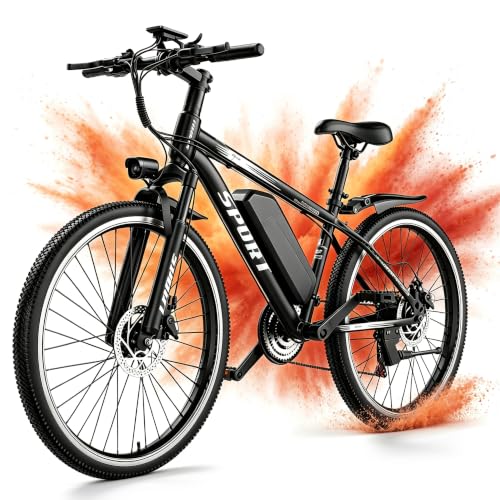
ASKGO 1500W Electric Mountain Bike 26″ 48V 12Ah Battery
- ✓ Powerful and responsive motor
- ✓ Long-lasting, removable battery
- ✓ Smooth suspension and stable ride
- ✕ Short-term peak power only
- ✕ Assembly can be tricky
| Battery | 48V 12Ah lithium-ion removable battery |
| Motor | 1500W peak brushless motor (sustained 750W) |
| Range | Up to 65 miles per charge |
| Top Speed | 25 MPH |
| Frame Material | High-carbon steel |
| Maximum Load Capacity | 350 lbs |
Ever get tired of pedaling uphill and feeling like you’re about to lose steam? With this ASKGO 1500W Electric Mountain Bike, I found that frustration instantly fades away.
The moment I hit the throttle, I was blown away by how effortlessly it tackled steep inclines that would normally leave me breathless.
The 26″ wheels and dual suspension made rough trails feel surprisingly smooth. I appreciated how quick and easy it was to slide out the removable battery for charging—no more hauling the whole bike inside.
The 48V 12Ah battery gave me a solid 65 miles in eco mode, which is perfect for long rides or commuting without constantly worrying about running out of juice.
The power from the 1500W peak motor is no joke. I hit around 25 MPH on demand, with instant torque that made quick accelerations and hill climbs a breeze.
The 7-speed transmission kept my cadence steady, whether I was cruising or shifting gears on rough terrain. Safety features like the front headlight and dual disc brakes added confidence, especially when riding in low light or wet conditions.
The LCD display shows all the essentials—speed, battery level, ride data—without distraction. Its sturdy steel frame supports riders up to 350 lbs and comfortably fits a range of heights, which makes it versatile for everyone in the family.
Overall, this bike hits a sweet spot for power, comfort, and convenience, making it a game changer for both casual rides and serious commutes.
What Features Should You Consider for the Best Battery Powered Bicycle?
When looking for the best battery powered bicycle, several key features should be considered to ensure optimal performance and user satisfaction.
- Battery Capacity: The capacity of the battery, measured in watt-hours (Wh), determines how far you can ride on a single charge. A higher capacity battery will provide a longer range, which is essential for longer commutes or recreational rides.
- Motor Power: The power of the motor, typically ranging from 250W to 750W, affects the bike’s performance, especially on inclines and rough terrains. A more powerful motor can assist with pedaling more effectively, making it easier to tackle hills and maintain speed.
- Weight: The overall weight of the bicycle impacts portability and handling. While battery powered bicycles tend to be heavier due to the additional components, a lighter bike can be easier to maneuver and transport, especially if you need to carry it or store it in tight spaces.
- Charging Time: The time required to fully charge the battery can vary significantly between models. A shorter charging time allows for more convenience, especially if you need to recharge between rides or use the bike frequently throughout the day.
- Range: The effective range on a single charge is crucial for planning longer trips. Consider how many miles you can expect to travel based on the battery capacity and the level of assistance you use, as this will directly impact your riding experience.
- Frame Design: The design and material of the frame influence both the bike’s durability and comfort. A well-designed frame will provide stability and support, making your rides more enjoyable, while materials like aluminum or carbon fiber can reduce weight without sacrificing strength.
- Braking System: The type of braking system, whether disc or rim brakes, affects safety and performance. Disc brakes generally offer better stopping power and are more reliable in wet conditions, making them preferable for most riders.
- Geared vs. Single Speed: Bicycles with gears allow for more versatility in different terrains, while single-speed bikes are easier to maintain and operate. Depending on your riding style and typical routes, choosing the right gearing system can enhance your overall experience.
- Display and Controls: A clear display that shows battery life, speed, and distance can enhance usability. Additionally, easy-to-use controls for adjusting assistance levels can make your ride more comfortable and tailored to your preferences.
- Warranty and Support: A good warranty and customer support can provide peace of mind with your investment. Look for manufacturers that offer comprehensive service plans and support for troubleshooting or repairs, ensuring longevity for your bicycle.
How Do Different Brands Compare When Choosing a Battery Powered Bicycle?
| Brand | Battery Life | Weight | Price | Specific Features | Warranty | Motor Power | User Ratings |
|---|---|---|---|---|---|---|---|
| Brand A | Up to 50 miles on a single charge | 45 lbs – Lightweight and easy to handle | $800 – Mid-range pricing | LCD display, integrated lights, adjustable seat | 2 years | 250W brushless motor | 4.5/5 – Highly rated for comfort and performance |
| Brand B | Up to 70 miles, ideal for long rides | 55 lbs – Slightly heavier but sturdy | $1200 – Higher price for premium features | Advanced suspension, smartphone connectivity, cargo rack | 3 years | 500W mid-drive motor | 4.7/5 – Excellent reviews for long-distance capability |
| Brand C | Up to 30 miles – Best for short commutes | 40 lbs – Very portable | $600 – Budget-friendly option | Compact design, quick charge technology, built-in lock | 1 year | 250W geared motor | 4.3/5 – Praised for portability and ease of use |
What Are the Key Benefits of Riding a Battery Powered Bicycle?
The key benefits of riding a battery-powered bicycle include enhanced convenience, environmental friendliness, and improved health benefits.
- Convenience: Battery-powered bicycles, or e-bikes, offer riders an easier way to tackle hilly terrains and longer distances without excessive physical strain. The electric assistance allows for a more enjoyable ride, especially for those who may struggle with traditional bicycles.
- Environmental Impact: Riding a battery-powered bicycle significantly reduces carbon emissions compared to conventional vehicles. E-bikes encourage sustainable transportation, helping to alleviate traffic congestion and decrease air pollution.
- Cost-Effectiveness: While the initial investment in a battery-powered bicycle may be higher than a standard bike, the long-term savings on fuel, maintenance, and public transportation costs can be substantial. Additionally, many regions offer incentives for e-bike purchases, making them an even more economical choice.
- Health Benefits: E-bikes still require pedaling, which means riders can enjoy the physical benefits of cycling while having the option of electric assistance. This encourages more people to engage in cycling, promoting cardiovascular health and overall fitness regardless of their starting fitness level.
- Versatility: Battery-powered bicycles can be used for various purposes, including commuting, leisure riding, or even running errands. Their ability to adapt to different riding conditions and rider preferences makes them suitable for a wider audience.
- Accessibility: E-bikes make cycling more accessible to a broader range of people, including those with physical limitations or older adults who may find traditional biking challenging. The electric motor provides the necessary support to help these riders enjoy cycling without the fear of exhaustion.
How Long Does the Battery of a Good Bicycle Last?
The longevity of the battery in a good bicycle can vary greatly depending on several factors, including the type of battery, the usage conditions, and the specifications of the bicycle itself.
- Lithium-ion Batteries: These are the most common batteries used in electric bicycles and typically offer a lifespan of 3 to 5 years or around 500 to 1000 charge cycles. They provide a good balance of weight, capacity, and efficiency, making them ideal for daily commuting and recreational use.
- Lead-acid Batteries: Although less common in modern e-bikes, lead-acid batteries are heavier and generally have a shorter lifespan of about 1 to 3 years or around 300 to 500 charge cycles. They are more affordable but are less efficient and have a lower energy density compared to lithium-ion options.
- Battery Capacity (Ah): The amp-hour (Ah) rating of a battery indicates its capacity to hold charge. A higher Ah rating means a longer range, so for instance, a 14Ah battery can power an e-bike for a longer time compared to a 10Ah battery, especially under similar usage conditions.
- Usage Patterns: The way the bicycle is used significantly affects battery life; frequent uphill rides, high speeds, and heavy loads can drain the battery faster. Additionally, riding in extreme temperatures can also reduce battery efficiency and lifespan.
- Charging Habits: Proper charging practices can extend battery life; for example, avoiding complete discharges and not leaving the battery plugged in after it’s fully charged can prevent damage. Regular maintenance and proper storage can also enhance the longevity of battery performance.
What Is the Price Range for Quality Battery Powered Bicycles?
When evaluating the price range for quality battery-powered bicycles, it’s essential to consider various factors such as brand, specifications, and features.
Typically, prices for battery-powered bicycles can range as follows:
-
Entry-Level Models ($300 – $800): These bikes are suitable for casual riders or those new to e-bikes. They often feature basic components, lower battery capacity, and less powerful motors. Examples include models from brands like Ancheer and Merax.
-
Mid-Range Options ($800 – $2,000): Offering better performance and more reliable components, these bikes come with increased battery life, improved motors, and additional features such as pedal assist. Well-regarded brands in this category include Rad Power Bikes and Schwinn.
-
Premium Models ($2,000 – $5,000): High-end e-bikes boast advanced technology, such as integrated GPS, high-capacity batteries, sophisticated motor systems, and superior build quality. Brands like Trek and Specialized offer options in this range, suitable for daily commuting or challenging terrains.
-
Specialized Bicycles (Over $5,000): Custom-built or high-performance e-bikes designed for specific applications, such as mountain biking or touring, can exceed this price range. They often include top-tier components and advanced features.
Choosing the right battery-powered bicycle involves balancing budget with desired features to ensure optimal satisfaction and performance.
What Maintenance Should You Perform on a Battery Powered Bicycle’s Battery?
Temperature Management: Batteries are sensitive to temperature extremes, which can significantly affect their performance and lifespan. Storing the battery in a moderate environment, ideally between 20°C to 25°C (68°F to 77°F), helps prevent issues such as capacity loss and swelling. Avoid leaving the battery in direct sunlight or in freezing conditions for prolonged periods.
Battery Health Checks: Monitoring the voltage and capacity of the battery periodically can help identify potential issues before they worsen. Many e-bikes come with built-in diagnostics that can alert you to problems, but you can also use a multimeter to check voltage levels directly. Ensuring the battery performs well allows for a safer and more enjoyable riding experience.
Firmware Updates: Some battery powered bicycles are equipped with smart systems that may require software updates to enhance performance and battery management. Manufacturers often release updates that can improve efficiency, extend battery life, or fix bugs. Checking the manufacturer’s website or app for updates regularly can help ensure you are getting the best performance from your e-bike.
What Are the Emerging Trends in Battery Powered Bicycle Technology?
Emerging trends in battery powered bicycle technology are shaping the future of sustainable transportation and enhancing user experience.
- Improved Battery Efficiency: Advances in lithium-ion and solid-state battery technologies are leading to longer-lasting and more efficient batteries. These innovations allow for greater energy density, which translates into longer ranges for cyclists and a reduction in the frequency of recharging.
- Integrated Smart Technology: Many modern battery powered bicycles now come equipped with smart technology, such as built-in GPS, Bluetooth connectivity, and smartphone apps. These features enable cyclists to track their rides, monitor battery life, and even receive navigation assistance directly from their mobile devices.
- Lightweight Materials: The use of advanced materials, such as carbon fiber and aluminum alloys, is making battery powered bicycles lighter and more agile. This trend not only improves the overall performance of the bike but also enhances portability for users who need to carry or store their bicycles.
- Regenerative Braking Systems: Some battery powered bicycles are incorporating regenerative braking systems that capture energy during braking and feed it back into the battery. This technology increases the overall efficiency of the bike and extends the range by utilizing energy that would otherwise be lost.
- Modular Battery Designs: Emerging designs are focusing on modular battery systems that allow users to easily swap out batteries or add additional packs for extended range. This flexibility caters to a variety of cycling needs, from commuting to longer recreational rides.
- Enhanced Charging Solutions: New charging technologies, including fast charging and wireless charging options, are becoming available for battery powered bicycles. These innovations streamline the charging process, making it more convenient for users to keep their bikes powered up and ready to ride.