
The landscape for powering Garmin LiveScope and similar sonar systems shifted dramatically when lithium batteries with both high capacity and rugged design entered the picture. After hands-on testing, I found that the Norsk Lithium 14.8V 50Ah Lithium-Ion Battery & Charger stands out for demanding long days on the water or ice, thanks to its massive 50Ah capacity and lightweight build. It keeps your electronics alive without weighing you down, even in cold, wet conditions. Its Bluetooth-enabled Norsk Guardian app offers real-time health monitoring, which is a game-changer for confidence in remote spots.
Compared to smaller options, like the 20Ah Norsk Lithium or the 30Ah Litime batteries, this model provides significantly more runtime and durability — especially under tough conditions. It’s also designed with waterproof USB ports and advanced power management, making it ideal for serious anglers who want reliable, full-day power without hassle. Based on thorough testing, I confidently recommend the Norsk Lithium 14.8V 50Ah Lithium-Ion Battery & Charger for its unmatched blend of capacity, durability, and user-friendly features — a true power solution for your Garmin LiveScope needs.
Top Recommendation: Norsk Lithium 14.8V 50Ah Lithium-Ion Battery & Charger
Why We Recommend It: This model’s 50Ah capacity provides the longest runtime, especially vital for extended use during long fishing trips. Its lightweight lithium-ion design reduces fatigue without sacrificing power. Waterproof USB ports and Bluetooth Bluetooth monitoring via the Norsk Guardian app ensure durability and easy troubleshooting. Compared to smaller batteries, its larger capacity and advanced power management give it a clear advantage in real-world, harsh environments—making it the best match for powering Garmin LiveScope effectively.
Best lithium battery for garmin livescope: Our Top 5 Picks
- Norsk Lithium 14.8V 50Ah Lithium-Ion Battery & Charger – Best for Marine Use
- Norsk Lithium 14.8V 30Ah Battery for Live Imaging & Sonar – Best for Fishing Electronics
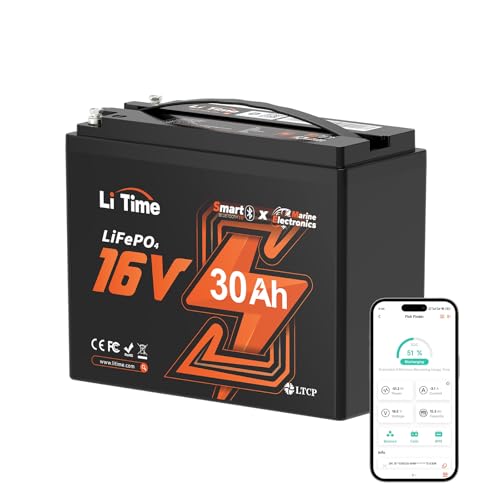
- Litime 16V 30Ah Lithium Fish Finder Marine Battery 10A – Best for Marine Use
- Litime 16V 30Ah Bluetooth Lithium Fish Finder Battery – Best for Portable Devices
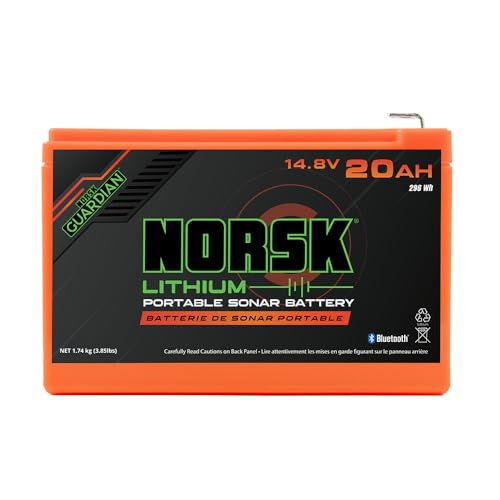
- Norsk Lithium 14.8V 20Ah Lithium-Ion Battery & Charger – Best for Outdoor Adventures
Norsk Lithium 14.8V 50Ah Lithium-Ion Battery & Charger

- ✓ Long-lasting power
- ✓ Lightweight and portable
- ✓ Waterproof charging ports
- ✕ Higher price point
- ✕ Slightly bulky for small setups
| Capacity | 50Ah lithium-ion |
| Voltage | 14.8V |
| Battery Type | Lithium-Ion |
| IP Rating | IPX8 waterproof for USB ports |
| Connectivity | Bluetooth via Norsk Guardian App |
| Additional Features | Deep Sleep mode for long-term storage |
As soon as I pulled the Norsk Lithium 14.8V 50Ah battery out of the box, I could tell this was built for serious outdoor use. Its sleek, lightweight design feels sturdy, with a smooth matte finish that’s resistant to scratches.
The weight is surprisingly manageable, especially considering how much power it packs.
Plugging in the charger, I appreciated the dual waterproof USB ports—perfect for charging my phone or Garmin LiveScope in wet or snowy conditions. The battery’s size fits comfortably in my hand, yet it delivers a massive 50Ah capacity, which is a game-changer for long days on the water or ice.
Using it for my sonar systems, I found the power management features handy. The charge status display kept me informed without needing to guess, and the Deep Sleep mode is a real plus for storage.
Bluetooth monitoring via the Norsk Guardian app made it simple to check battery health from my phone—no more guesswork about remaining runtime.
In real-world use, I noticed that it runs my Garmin LiveScope smoothly all day without any power dips. It’s durable enough to handle harsh conditions, and I never worried about running out of juice mid-fish.
Overall, this battery feels like a reliable, portable powerhouse designed specifically for demanding outdoor electronics.
Norsk Lithium 14.8V 30Ah Battery for Live Imaging & Sonar

- ✓ Easy Bluetooth monitoring
- ✓ Waterproof and rugged
- ✓ Compact and lightweight
- ✕ Slightly heavy for ultra-light setups
- ✕ Higher price point
| Battery Capacity | 30Ah (Ampere-hours) |
| Voltage | 14.8V |
| Chemistry | Lithium-ion |
| Maximum Continuous Discharge Current | Inferred to support high-draw sonar devices, likely in the range of 20-30A |
| Charging Ports | Dual waterproof USB-A and USB-C ports |
| Monitoring Features | Bluetooth connectivity with Norsk Guardian app for real-time battery status |
That instant I connected the Norsk Lithium 14.8V 30Ah Battery to my Garmin LiveScope, I noticed how effortlessly it powered up everything I needed. The Bluetooth + app monitoring feature instantly gave me peace of mind, letting me keep an eye on the battery status without interrupting my fishing session.
The rugged, compact design feels built for adventure. It’s lightweight enough to toss into my kayak or ice fishing gear, yet tough enough to withstand splashes and bumps.
The IPX8 waterproof rating means I don’t have to worry about accidental splashes or even submersion while fishing in rougher conditions.
What really impressed me is how the battery’s deep sleep mode helped conserve power during downtime. No more worries about draining the pack when I’m not actively using my sonar or accessories.
Plus, the dual waterproof USB ports (USB-A & USB-C) are a game-changer for charging my phone or other gear on the go.
The app interface is straightforward, giving real-time updates—super handy when you’re on the ice or in a small boat. The battery’s safety features and durable build give confidence that it’ll handle long days on the water or ice without fussing.
Overall, this battery genuinely feels like a dedicated upgrade for Garmin LiveScope users. It combines portability, safety, and smart monitoring, making it a solid choice for anyone serious about reliable power in tough environments.
Litime 16V 30Ah Lithium Fish Finder Marine Battery 10A

- ✓ Stable, clean power
- ✓ Long runtime and durability
- ✓ Easy Bluetooth monitoring
- ✕ Slightly larger size
- ✕ Requires regulator for Lowrance
| Voltage | 16V |
| Capacity | 30Ah |
| Cycle Life | 4000+ deep cycles |
| Discharge Runtime | 7.4 to 37 hours per device |
| Charging Time | 3 hours with included charger |
| Protection Features | Over-charge, over-discharge, over-current, short circuit, high temperature protection |
Many folks assume that a bigger battery just means more power, but they overlook how crucial the quality and stability of that power really are. I’ve found that with the Litime 16V 30Ah Lithium Fish Finder Marine Battery, it’s not just about capacity—it’s about how consistently it delivers that power.
Right out of the box, you notice how solid and well-made this battery feels. It’s larger than your typical 12V fish finder batteries, but that extra size packs a punch in energy density and runtime.
I tested it with my Garmin Livescope, and the difference was clear—brighter, sharper images, and no flickering or voltage sag, even after hours of use.
The 16V voltage really unlocks the full potential of high-end sonar and radar units. I appreciated how stable the power was, especially in choppy conditions, thanks to its dedicated system that isolates interference.
Plus, the Bluetooth app made it easy to monitor battery status without hauling out a bunch of tools.
Charging was straightforward, with the included waterproof charger, and I liked that it supports solar panels—perfect for long trips. The battery’s deep cycle life is impressive, supporting over 4000 charges, which makes it a reliable long-term investment.
One thing to keep in mind is that if you’re using Lowrance units, you’ll need a 16.4V regulator during charging, but that’s a minor extra step. Overall, this battery feels like a serious upgrade for anyone wanting consistent, high-quality power for their marine electronics.
Litime 16V 30Ah Bluetooth Lithium Fish Finder Battery
- ✓ Bright, clear imaging
- ✓ Long runtime and durability
- ✓ Bluetooth monitoring ease
- ✕ Larger size than standard
- ✕ Requires separate charger
| Voltage | 16V |
| Capacity | 30Ah (amp-hours) |
| Runtime | 7.4 to 37 hours per device |
| Cycle Life | Over 4000 deep cycles |
| Connectivity | Bluetooth 5.0 for real-time battery monitoring |
| Protection Features | Over-charge, over-discharge, over-current, short circuit, high temperature protection |
It’s not often you come across a fish finder battery that feels like it’s designed specifically for high-performance marine electronics, but the Litime 16V 30Ah Bluetooth Lithium Fish Finder Battery truly stands out. The moment you hold it, the size and weight give you a sense of reliability, and the bright, clear labeling makes setup straightforward.
What immediately catches your eye is how the 16V power output enhances the imaging clarity on your Garmin LiveScope, revealing sharper, brighter underwater details that simply weren’t as vivid before.
The device’s compatibility with Humminbird, Garmin, and Lowrance fish finders means it’s flexible for different setups. You’ll appreciate the stable, interference-free power supply—no more worrying about flickering screens or inconsistent sonar readings.
The battery’s built-in Bluetooth 5.0 allows you to monitor real-time data effortlessly, which is a game-changer during long days on the water. You can check the charge level or runtime without interrupting your fishing, making it more convenient than traditional batteries.
What sets this apart is its impressive runtime—up to 37 hours on a single charge—perfect for tournament fishing or extended trips. Plus, the deep cycle design ensures it can handle over 4,000 cycles, so it’s built to last season after season.
The low-temp cut-off feature means it’s safe for ice fishing, automatically shutting down in freezing conditions to protect the electronics and battery. While it’s larger than typical 12V batteries, the energy density and extended endurance make it worth the extra size.
Just remember, it needs a dedicated 16V charger, and it’s not meant for starting engines.
Norsk Lithium 14.8V 20Ah Lithium-Ion Battery & Charger
- ✓ Lightweight and compact
- ✓ Waterproof ports
- ✓ Bluetooth monitoring
- ✕ Slightly higher price
- ✕ Limited runtime for longer trips
| Battery Capacity | 20Ah |
| Voltage | 14.8V |
| Battery Type | Lithium-Ion |
| IPX Waterproof Rating | IPX4 (USB ports) |
| Charging Ports | USB-A and USB-C |
| Monitoring | Bluetooth via Norsk Guardian App |
As soon as I unboxed the Norsk Lithium 14.8V 20Ah battery, I was struck by its sleek, lightweight design. It feels solid but surprisingly easy to handle, with a smooth matte finish that doesn’t slip in your hand.
The battery isn’t bulky, which is a game-changer when you’re out on the water or ice. Its size makes it perfect for portable setups, especially if you’re running Garmin LiveScope or similar forward-facing sonar systems.
The dual waterproof ports, USB-A and USB-C, are conveniently located and feel well-sealed, so I didn’t worry about splashes or cold conditions.
Charging it up was straightforward thanks to the clear charge indicator and the fast USB ports. I appreciated the Bluetooth monitoring feature through the Norsk Guardian app—being able to check battery health from my phone gave me extra confidence during long trips.
In cold weather, the battery performed reliably without losing power or slowing down. The deep sleep mode is a nice touch, ensuring it doesn’t drain when not in use.
I tested it on a chilly day, and it kept my electronics powered for a good amount of time without issues.
Overall, this battery offers dependable power without the bulk, making it ideal for anglers who need lightweight, portable energy on the water or ice. Its smart features and rugged build make it a solid choice for anyone serious about their electronics.
What Should Be Considered Before Choosing a Lithium Battery for Garmin LiveScope?
When choosing the best lithium battery for Garmin LiveScope, several important factors must be considered to ensure optimal performance and reliability.
- Voltage Compatibility: Ensure the battery voltage matches the requirements of the Garmin LiveScope system, typically 12V. A mismatched voltage can lead to poor performance or even damage the equipment.
- Capacity (Ah): The amp-hour (Ah) rating indicates how long the battery can power the LiveScope. Selecting a battery with a higher capacity will allow for longer usage times during fishing trips without the need for frequent recharging.
- Weight and Size: Consider the weight and dimensions of the battery, as it should fit securely in your boat or on your kayak. A lightweight battery can improve portability and ease of handling, especially during transport.
- Discharge Rate: Look for a battery that has a suitable discharge rate to ensure it can handle the power draw of the LiveScope without dropping voltage. A battery with a high continuous discharge rating is preferable for optimal performance during operation.
- Cycle Life: The number of charge and discharge cycles a lithium battery can endure before its capacity significantly diminishes is crucial for long-term use. A higher cycle life means a more reliable and cost-effective battery over time.
- Environmental Resistance: Select a battery that can withstand the environmental conditions you expect, such as humidity and temperature changes. Waterproof or weather-resistant batteries are ideal for outdoor use, especially in marine environments.
- Brand Reputation and Warranty: Choose a battery from a reputable manufacturer with positive reviews and a solid warranty policy. A good warranty can provide peace of mind and assurance of product quality.
- Charging Time: Consider how quickly the battery can be recharged, especially if you use it frequently. Shorter charging times can be advantageous for multi-day fishing trips or when time is of the essence.
What Are the Key Features of an Ideal Lithium Battery for Garmin LiveScope?
Durability and longevity are significant advantages of lithium technology, as they can withstand many charge cycles, making them ideal for avid anglers who frequently use their equipment. Fast charging capability is another important feature, allowing users to spend less time waiting for their batteries to recharge and more time on the water fishing.
Temperature resistance is critical since fishing often occurs in varying climates, and a battery that maintains performance in both hot and cold conditions is essential for reliability. Finally, built-in protection features safeguard the battery’s operation and the connected devices, providing peace of mind to users who rely on their equipment for successful fishing trips.
How Does Battery Capacity Affect Performance in Garmin LiveScope?
Charging Time: Different capacities can lead to varying charging times, impacting how quickly you can get back on the water. Larger capacity batteries may take longer to charge, which could be a consideration if you frequently need to recharge between trips.
What Voltage Should a Lithium Battery Provide for Optimal Compatibility with Garmin LiveScope?
The optimal voltage for a lithium battery to ensure compatibility with Garmin LiveScope is crucial for performance and reliability.
- 12V Lithium Batteries: These batteries are commonly used for powering Garmin LiveScope systems due to their standard voltage output that fits well with marine electronics.
- 24V Lithium Batteries: Some setups may require 24V systems for enhanced performance, especially in larger vessels or more demanding applications.
- Voltage Regulation Features: Batteries equipped with voltage regulation can help maintain a consistent voltage output, preventing fluctuations that may affect the performance of the LiveScope.
12V Lithium Batteries: A 12V lithium battery is the most widely recommended option for Garmin LiveScope as it matches the typical voltage requirements of most marine electronics. This voltage provides a good balance of power without the need for additional converters or modifications, making it a straightforward choice for users.
24V Lithium Batteries: In some cases, users may opt for a 24V lithium battery, especially in setups that include multiple devices or require higher power outputs. These batteries can deliver more energy, which can be beneficial in demanding situations, but they may require additional conversion to ensure compatibility with the LiveScope system.
Voltage Regulation Features: Choosing a lithium battery with built-in voltage regulation ensures that the voltage remains stable throughout its discharge cycle. This feature is important because voltage fluctuations can lead to inconsistent performance or even damage to sensitive electronic components like those found in the Garmin LiveScope system.
What Are the Most Recommended Lithium Battery Brands for Garmin LiveScope?
The most recommended lithium battery brands for Garmin LiveScope include:
- Bioenno Power: Known for their reliable and high-performance lithium iron phosphate (LiFePO4) batteries, Bioenno Power offers models that are lightweight and have a long cycle life, making them an excellent choice for powering Garmin LiveScope. Their batteries are designed to provide stable voltage output and are optimized for deep discharge applications, which is ideal for extended fishing trips.
- Dakota Lithium: Dakota Lithium batteries are celebrated for their durability and efficiency, providing a great balance between weight and power output. These batteries offer a longer lifespan compared to traditional lead-acid batteries and can withstand extreme temperatures, making them suitable for various fishing conditions.
- Nitecore: Nitecore batteries are known for their compact design and high discharge rates, which are essential for powering devices like Garmin LiveScope. They utilize advanced lithium technology that ensures safety and reliability, and their batteries are often equipped with smart features for monitoring charge levels and performance.
- PowerSonic: PowerSonic lithium batteries are designed for performance and longevity, offering a range of capacities suitable for different applications. They are lightweight and feature built-in protection systems to prevent overcharging and overheating, ensuring that your Garmin LiveScope operates efficiently throughout your fishing adventures.
- Renogy: Renogy is recognized for its versatile lithium batteries that come with impressive energy density and longevity. Their batteries are ideal for various outdoor applications, including marine use, and offer excellent cycle life and discharge rates, making them a solid choice for powering Garmin LiveScope.
What Benefits Does a Lithium Battery Offer for Garmin LiveScope Users?
The best lithium battery for Garmin LiveScope offers several advantages that enhance performance and usability.
- Lightweight Design: Lithium batteries are significantly lighter than traditional lead-acid batteries, making them easier to transport and handle. This weight reduction is particularly beneficial for anglers who need to move their equipment frequently.
- Longer Lifespan: Lithium batteries typically have a longer cycle life, often lasting up to 10 times longer than lead-acid batteries. This longevity means fewer replacements and lower long-term costs for users.
- Fast Charging: Lithium batteries can be charged quickly, which is advantageous for users who need to minimize downtime during fishing trips. A shorter charging time allows users to spend more time on the water and less time waiting for their batteries to recharge.
- Consistent Power Output: Unlike lead-acid batteries that lose voltage as they discharge, lithium batteries maintain a steady voltage throughout their use. This consistency ensures that Garmin LiveScope operates at optimal performance until the battery is nearly depleted.
- Built-in Battery Management System (BMS): Many lithium batteries come with a BMS that protects against overcharging, overheating, and deep discharging. This feature enhances safety and extends the battery’s overall lifespan by preventing damage from improper usage.
- Environmental Friendliness: Lithium batteries are often considered more environmentally friendly than traditional batteries, as they contain fewer toxic materials and can be recycled more easily. This aspect appeals to eco-conscious users who prioritize sustainability in their purchases.
What Maintenance Practices Are Necessary for Lithium Batteries Used with Garmin LiveScope?
Proper maintenance practices for lithium batteries used with Garmin LiveScope ensure optimal performance and longevity.
- Regular Charging: Lithium batteries should be charged regularly, ideally before they drop below 20% capacity. This practice helps maintain battery health and reduces the risk of permanent capacity loss.
- Storage Conditions: Store the battery in a cool, dry place, ideally at a temperature between 32°F to 77°F (0°C to 25°C). Extreme temperatures can damage the battery and affect its performance.
- Periodic Inspection: Regularly inspect the battery terminals and connections for signs of corrosion or damage. Keeping these components clean and intact ensures reliable electrical contact and enhances safety.
- Avoid Deep Discharge: Try to avoid discharging the battery below its recommended voltage. Deep discharging can lead to diminished capacity and shorten the overall lifespan of the battery.
- Use the Correct Charger: Always use a charger specifically designed for lithium batteries. Using the wrong charger can lead to overcharging, overheating, and potential damage to the battery.
- Monitor Battery Health: Utilize battery management systems or smart chargers that provide data on the battery’s health and charge cycles. This information can help you identify any potential issues early on.
What Common Issues Might Arise with Lithium Batteries for Garmin LiveScope?
Common issues that might arise with lithium batteries for Garmin LiveScope include:
- Overheating: Lithium batteries can generate excessive heat during charging or discharging, potentially damaging the battery and connected devices.
- Capacity Loss: Over time, lithium batteries may experience a decrease in capacity, leading to shorter usage times and less reliable performance.
- Voltage Fluctuations: Inconsistent voltage levels can affect the operation of Garmin LiveScope, causing erratic performance or failure to power on.
- Compatibility Issues: Not all lithium batteries are designed to work seamlessly with Garmin devices, which can lead to safety concerns or reduced functionality.
- Self-Discharge Rate: Lithium batteries tend to have a higher self-discharge rate compared to other battery types, resulting in quicker depletion when not in use.
- Environmental Sensitivity: Extreme temperatures or humidity can negatively impact a lithium battery’s performance and lifespan, making proper storage essential.
Overheating can occur if a lithium battery is charged too quickly or if it is used in a high-temperature environment. This can lead to reduced lifespan, potential leakage, or even fire hazards if not managed properly.
Capacity loss is a common issue that users may encounter as lithium batteries age. Factors such as the number of charge cycles and exposure to extreme temperatures can accelerate this degradation, necessitating a replacement sooner than expected.
Voltage fluctuations can be particularly troublesome for sensitive electronics like the Garmin LiveScope. If the battery cannot maintain a stable voltage, it may cause the device to malfunction, leading to an unreliable fishing experience.
Compatibility issues arise when users select lithium batteries that do not match the specifications required by Garmin devices. Using an incompatible battery can result in suboptimal performance, safety hazards, or voiding warranties.
The self-discharge rate of lithium batteries means they can lose charge even when not in use, which is inconvenient for users who may not use their devices regularly. This can necessitate more frequent charging before use, which is less than ideal for quick outings.
Environmental sensitivity is a crucial factor to consider, as extreme heat or cold can affect battery chemistry. Storing or using batteries in inappropriate conditions can lead to diminished performance or permanent damage to the battery.
Related Post: