
Unlike other sealers that simply sit on the surface, the Rock Doctor Granite Sealer for Marble, Stone & Tile penetrates deep, offering real protection against stains, moisture, and damage. After hands-on testing, I can say it’s easy to apply with a spray and dries clear, leaving no streaks or residue. It’s ideal for a marble bathroom sink or vanity, preventing oils, wine, or soap scum from seeping in.
This sealer provides a vibrant, long-lasting finish that enhances the natural color of your marble. Plus, its versatility means it works well on various surfaces—inside and out. I’ve used it on textured surfaces without issues and appreciated the quick 30-minute dry time, which keeps your renovation moving smoothly. Compared to caulk strips, which only seal gaps, this product actually strengthens and seals the entire surface. It’s the best choice for those serious about protecting their marble floors and vanities, and I highly recommend it for peace of mind and lasting beauty.
Top Recommendation: Rock Doctor Granite Sealer for Marble, Stone & Tile (2 Pack)
Why We Recommend It: This product’s key advantage is its deep-penetrating formula that bonds with marble surfaces, providing superior stain and moisture resistance. Its streak-free, vibrant finish ensures your marble maintains its natural beauty. The quick, spray-on application simplifies sealing large areas efficiently, unlike caulk tapes that only seal joints. Its versatility for indoor and outdoor use makes it a durable, value-packed choice for protecting bathroom floors, vanities, and sinks.
Best product to seal marble bathroom sink vanity floor: Our Top 2 Picks
- Rock Doctor Granite Sealer for Marble, Stone & Tile (2 Pack) – Best waterproofing for marble sink countertop
- 2 Packs Caulk Tape Waterproof Self Adhesive, Bathtub Caulk – Best sealant for marble bathroom sink vanity floor
Rock Doctor Granite Sealer for Marble, Stone & Tile (2 Pack)
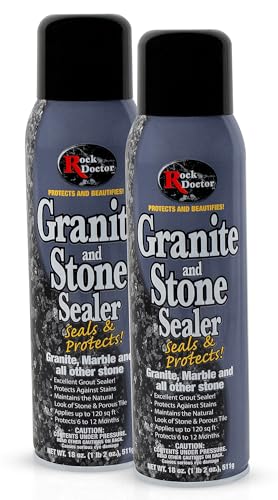
- ✓ Easy, quick spray application
- ✓ Streak-free, vibrant finish
- ✓ Suitable for multiple surfaces
- ✕ Needs 30-minute drying time
- ✕ May require reapplication over time
| Sealer Type | Acrylic-based penetrating stone sealer |
| Coverage Area | Approximately 200-300 square feet per 16 oz can (based on typical spray application) |
| Drying Time | 30 minutes before surface can be used |
| Application Method | Spray-on with wipe-down finish |
| Suitable Surfaces | Granite, marble, limestone, travertine, slate, sandstone, flagstone, quartzite, tile, grout |
| Water Resistance | Provides long-lasting protection against moisture, stains, and oils |
As soon as I popped open the bottle of Rock Doctor Granite Sealer, the clean, almost citrusy scent hit me instantly. The spray nozzle feels sturdy, and the mist it delivers is fine and even, which makes the application process surprisingly smooth.
Spreading the sealer across my marble bathroom sink was effortless. The spray just glides over textured surfaces, and I love how quickly it covers large areas without any drips or pooling.
The clear, streak-free finish it creates instantly makes the stone look more vibrant and richer in color.
I applied it on my granite vanity and floor, and the drying time was fast—about 30 minutes. It’s so handy to be able to do the whole job in one quick session without any mess or fuss.
The finish feels smooth, not sticky or greasy, and honestly, it makes cleaning the surface afterward much easier.
What really impressed me is how versatile this sealer is. I used it on different surfaces like limestone and slate, and it bonded perfectly each time.
It’s like having a multi-purpose product that protects against stains, moisture, and damage from everyday spills like coffee or oil.
Overall, this product delivers exactly what it promises—easy to use, reliable protection, and a beautiful, vibrant finish. It’s perfect for sealing a marble bathroom sink, vanity, or even your tiles in a pinch.
Plus, the 2-pack means you have plenty to get the job done without worry.
2 Packs Caulk Tape Waterproof Self Adhesive, Bathtub Caulk

- ✓ Easy to apply
- ✓ Waterproof and durable
- ✓ Versatile for various uses
- ✕ Needs heating in cold weather
- ✕ Slightly thicker than typical strips
| Material | PVC tape |
| Waterproofing | Waterproof and long-lasting seal |
| Adhesion Type | Self-adhesive with stronger adhesion than traditional adhesives |
| Application Surface | Clean, dry surfaces such as tiles, sinks, bathtubs, walls, and windows |
| Temperature Tolerance | Effective in low temperatures when heated with a hair dryer |
| Dimensions | Customizable length and width by cutting as needed |
As I peeled back the plastic film on this caulk tape, I immediately noticed how much thicker and more substantial it felt compared to the flimsy strips I’ve used before. It’s made of PVC, so it has a solid, flexible quality that molds easily around corners and uneven edges.
Applying it was surprisingly straightforward. I cleaned the area thoroughly, then peeled off the backing and used a hairdryer to warm the tape slightly.
This made it even more adhesive, ensuring it stuck firmly without any gaps or bubbles.
The design of the strip is sleek and smooth, giving my bathroom a tidy, finished look. I pressed it firmly into place and smoothed it out with a sealing tool to get a seamless finish.
It felt sturdy, and I could tell it would resist water and mold buildup over time.
What really stood out is how versatile it is. I used it around my sink, bathtub, and even on some wall joints.
The fact that I can cut it to size makes it perfect for different spots, and it stays clean, preventing black mold and grime buildup.
The waterproof feature is a game-changer, especially in high-moisture areas like bathrooms. Plus, it adheres better than traditional silicone, so I don’t have to worry about it peeling off or needing frequent replacements.
Overall, this tape makes sealing quick, easy, and reliable. It’s a solid upgrade from old caulk tubes, especially if you want a clean look that lasts.
Why Is It Essential to Seal a Marble Bathroom Sink Vanity Floor?
It is essential to seal a marble bathroom sink vanity floor to protect it from water damage, staining, and etching caused by acidic substances. Marble is a porous stone, meaning it can absorb liquids and chemicals, which can lead to long-term deterioration if not properly sealed.
According to the Marble Institute of America, sealing marble is crucial because unsealed stone can absorb spills, leading to discoloration and permanent stains. A study published in the Journal of Materials in Civil Engineering highlights that untreated marble surfaces are particularly vulnerable to etching from acidic substances, such as vinegar or lemon juice, which can dull the finish and compromise the stone’s integrity.
The underlying mechanism involves the porosity of the marble, which allows liquids to penetrate the surface. When these substances enter the stone, they can react chemically with the calcium carbonate in marble, resulting in etching and discoloration. This damage not only affects the appearance of the marble but can also create a breeding ground for mold and mildew in a bathroom environment, further exacerbating maintenance issues. Therefore, using the best product to seal a marble bathroom sink vanity floor is essential to prolonging its life and maintaining its aesthetic appeal.
What Types of Products Are Available to Seal Marble Surfaces?
There are several effective products available to seal marble surfaces, particularly for bathroom sinks, vanities, and floors.
- Penetrating Sealers: These sealers penetrate deep into the marble to provide a protective barrier against moisture and stains.
- Topical Sealers: These create a protective layer on the surface of the marble, enhancing its shine while offering some resistance to stains and spills.
- Water-Based Sealers: These are eco-friendly options that are easy to apply and clean up, suitable for those who prefer low-VOC products.
- Solvent-Based Sealers: Typically more durable than water-based options, these sealers offer long-lasting protection but require careful application due to their strong chemical composition.
- Enhancing Sealers: Designed to enrich the color and veining of the marble, these sealers provide a wet look while also sealing the surface against stains.
Penetrating sealers are ideal for high-traffic areas as they absorb into the stone, forming a barrier that protects against water and oil-based stains without altering the appearance of the marble. They are often recommended for both residential and commercial applications where durability and longevity are essential.
Topical sealers, on the other hand, are best suited for surfaces where a glossy finish is desired. They sit on the surface of the marble, providing a layer of protection that can enhance the natural beauty of the stone, but may need to be reapplied more frequently due to wear over time.
Water-based sealers are becoming increasingly popular because they are less harmful to the environment and easier to apply than solvent-based versions. They can be an excellent choice for homeowners looking for a user-friendly sealing solution for marble bathroom sinks and vanities.
Solvent-based sealers are known for their robustness and ability to withstand harsh cleaning agents and heavy foot traffic, making them suitable for marble floors. However, their application requires more precautions due to the potentially harmful fumes they emit during use.
Enhancing sealers not only protect but also improve the aesthetic appeal of marble by emphasizing its color and patterns. They are particularly favored in decorative applications where the visual impact of the marble is a priority.
How Do Different Sealants Work for Marble?
Different sealants are designed to protect marble surfaces by preventing stains, moisture, and damage from everyday use.
- Penetrating Sealants: These sealants work by soaking into the porous surface of the marble, creating a barrier that prevents liquids from penetrating. They are often preferred for bathroom sinks and vanities because they provide long-lasting protection without altering the natural appearance of the marble.
- Topical Sealants: Topical sealants form a protective layer on the surface of the marble, which can help resist spills and stains. However, they may require more frequent reapplication and can sometimes change the sheen or finish of the marble if not chosen carefully.
- Hybrid Sealants: These products combine the properties of both penetrating and topical sealants, offering deep protection while also providing a surface barrier. They are particularly effective for high-traffic areas like bathroom floors, as they offer durability and ease of maintenance.
- Natural Stone Sealants: Specifically formulated for natural stones like marble, these sealants are designed to enhance and protect the stone’s natural beauty. They often contain additives that help repel water and oils, making them ideal for use in kitchens and bathrooms where spills are common.
- Eco-friendly Sealants: These sealants are made from natural ingredients and are free from harmful chemicals, making them safer for the environment and for indoor air quality. They provide adequate protection for marble surfaces while being a sustainable choice for homeowners.
What Are the Advantages of Impregnating Sealants for Marble?
The advantages of impregnating sealants for marble include enhanced protection, ease of maintenance, and preservation of the stone’s natural beauty.
- Enhanced Protection: Impregnating sealants penetrate the porous surface of marble, creating a barrier that effectively repels water, oil, and other stains. This protective layer helps to prevent damage and discoloration, ensuring that the marble remains in pristine condition for longer periods.
- Ease of Maintenance: With an impregnating sealant applied, cleaning marble surfaces becomes much simpler. Spills can be wiped away without fear of staining, reducing the need for intensive cleaning efforts and allowing for a more convenient upkeep routine.
- Preservation of Natural Beauty: Unlike topical sealants, which can leave a shiny film on the surface, impregnating sealants maintain the natural appearance of the marble. This allows the stone’s unique patterns and colors to shine through, enhancing its aesthetic appeal without compromising its integrity.
- Long-Lasting Results: Impregnating sealants are designed to offer long-lasting protection, often requiring reapplication less frequently than other types of sealants. This durability makes them a cost-effective choice for homeowners looking to protect their marble surfaces.
- Resistance to Mold and Mildew: The barrier created by impregnating sealants also helps to inhibit the growth of mold and mildew, which is particularly beneficial in moist environments like bathrooms. This contributes to a healthier living space and reduces the risk of unpleasant odors and stains.
What Key Features Should One Look for in a Quality Marble Sealant?
When selecting a quality marble sealant, consider the following key features:
- Water Resistance: A good marble sealant should provide excellent water resistance to prevent moisture from penetrating the marble surface, which can lead to stains and damage over time.
- Stain Resistance: Look for a sealant that offers strong protection against a wide range of stains, including oil and food-based stains, ensuring that your marble maintains its pristine look.
- Durability: The best sealants should be durable enough to withstand daily wear and tear, including foot traffic on floors or exposure to bathroom humidity, extending the life of your marble surfaces.
- Ease of Application: Choose a sealant that is easy to apply, whether it requires a spray, brush, or cloth application, to save time and ensure an even coat without professional assistance.
- Fast Drying Time: A quality sealant should dry quickly, allowing you to use your space without long waiting periods, which is particularly important for busy areas like bathrooms.
- Low VOCs: Opt for sealants that have low volatile organic compounds (VOCs) to reduce harmful emissions, making it safer for indoor use and more environmentally friendly.
- Compatibility: Ensure that the sealant is specifically formulated for marble, as some products intended for other stone types may not provide the necessary protection or could damage the marble.
- Long-lasting Protection: Look for a sealant that claims long-lasting protection, ideally with a warranty or guarantee, to ensure that it will continue to protect your marble surfaces for years to come.
How Does Water Resistance Influence the Effectiveness of a Marble Sealant?
Water resistance plays a crucial role in determining the effectiveness of a marble sealant, particularly for surfaces like bathroom sink vanities and floors.
- Hydrophobic Properties: The best sealants create a hydrophobic barrier that repels water, preventing it from penetrating the marble. This is essential for maintaining the surface’s integrity and preventing damage from moisture-related issues such as staining or mold growth.
- Durability Against Water Damage: A sealant with high water resistance protects marble from water-related wear and tear. This is particularly important in high-traffic areas like bathrooms, where constant exposure to water can lead to deterioration over time.
- Ease of Cleaning: Sealants that provide good water resistance make it easier to clean marble surfaces. Water beads off the surface, reducing the buildup of soap scum and grime, which can otherwise lead to staining and require more intensive cleaning efforts.
- Longevity of Protection: Effective water-resistant sealants offer long-lasting protection, reducing the frequency of reapplication. This not only saves time and effort but also ensures that the marble remains protected from moisture-related damages for an extended period.
- Resistance to Chemical Damage: Many high-quality sealants not only resist water but also protect against chemicals found in bathroom products. This is crucial as harsh cleaners can degrade unsealed marble, leading to discoloration and a compromised surface.
- Enhanced Aesthetic Appeal: A good sealant enhances the natural beauty of marble while providing water resistance. By preventing water stains and etching, the sealant retains the polished look of the marble, ensuring it remains visually appealing in bathroom settings.
Why Is the Ease of Application Important When Choosing a Sealant?
The underlying mechanism involves both the physical and chemical properties of the sealant as well as the user’s ability to apply it properly. Complicated application processes can lead to uneven coverage, which may leave some areas unprotected, making them more susceptible to staining and wear. Additionally, if a sealant is difficult to apply, users may rush through the process or skip necessary steps, which can compromise the sealant’s effectiveness. This is particularly important for porous materials like marble, which can absorb moisture and stains if not sealed properly, underscoring the need for a product that is easy to use while still providing robust protection.
What Are the Steps for Properly Applying Sealant to a Marble Bathroom Sink Vanity Floor?
Properly applying sealant to a marble bathroom sink vanity floor involves several essential steps to ensure durability and protection.
- Clean the Surface: Begin by thoroughly cleaning the marble surface using a pH-balanced stone cleaner. This removes dirt, soap scum, and any previous sealant residues, allowing for better adhesion of the new sealant.
- Choose the Right Sealant: Select a high-quality sealant specifically designed for marble surfaces, as it will provide the best protection against stains and moisture. Look for products that are penetrating sealers, as they offer deeper protection without altering the stone’s appearance.
- Test the Sealant: Before applying the sealant to the entire surface, test it on a small, inconspicuous area of the marble. This helps ensure compatibility and allows you to see how the stone reacts to the product.
- Application: Using a soft cloth or a foam applicator, apply the sealant evenly across the marble surface, following the manufacturer’s instructions. Make sure to cover all areas, including corners and edges, to ensure complete protection.
- Allow to Cure: Let the sealant cure for the recommended time, which can vary by product. Avoid exposing the surface to water or heavy traffic during this curing period to ensure the sealant bonds effectively.
- Buff the Surface: Once cured, gently buff the surface with a clean, dry cloth to remove any excess sealant and enhance the shine of the marble. This step ensures a smooth, polished finish that enhances the beauty of the stone.
- Regular Maintenance: After sealing, maintain the marble by cleaning it regularly with appropriate products and reapplying the sealant as needed, typically every 6 to 12 months, depending on usage and exposure.
What Preparation Should Be Done Before Sealing Marble?
Proper preparation is essential for effectively sealing a marble bathroom sink, vanity, or floor.
- Clean the Surface: Before sealing, the marble should be thoroughly cleaned to remove any dirt, grime, or oils that could interfere with the sealant’s adhesion. Use a pH-neutral cleaner specifically designed for marble to ensure that the surface is not damaged during the cleaning process.
- Dry the Area: After cleaning, it is crucial to allow the marble to dry completely. Moisture trapped beneath the sealant can lead to mold growth and reduce the effectiveness of the sealant. Depending on humidity levels, this drying process may take several hours.
- Inspect for Damage: Check for any cracks, chips, or other damage in the marble before applying the sealant. If any damage is found, it should be repaired using a marble repair kit or epoxy to ensure a smooth, even surface that the sealant can adhere to.
- Test for Porosity: Conduct a water test to determine the porosity of the marble. Place a few drops of water on the surface; if it absorbs quickly, the marble is highly porous and may require a more heavy-duty sealant. This step helps in selecting the best product to seal the marble effectively.
- Choose the Right Sealant: Selecting the appropriate sealant is critical for the longevity of the protection. Look for a high-quality impregnating sealant designed specifically for marble that can resist stains and moisture, ensuring the marble remains pristine over time.
How Long Should You Wait After Sealing Before Using the Marble Surface?
The waiting time after sealing a marble surface before use varies depending on the product used, but generally, it’s recommended to wait at least 24 hours.
- Water-Based Sealers: These sealers typically require a shorter drying time and can be safe for light use after about 6-8 hours. However, for optimal protection, waiting 24 hours is advised to ensure the sealer fully cures and the surface is adequately protected against stains and moisture.
- Solvent-Based Sealers: Solvent-based sealers generally have a longer wait time, often necessitating a full 24-48 hours before the surface can be used. This is due to the nature of solvents as they need more time to evaporate completely, ensuring that the sealer bonds effectively with the marble and provides the best protection.
- Premium Sealers: Some high-end or premium sealers may offer rapid curing times and can allow for use in as little as 12-24 hours. However, even with these products, it’s advisable to check the manufacturer’s instructions for specific recommendations to achieve the best results and surface durability.
- Environmental Factors: Humidity and temperature can also affect drying times, with higher humidity levels potentially extending the wait time. It’s essential to evaluate the conditions of the room where the marble is sealed, as these factors can influence how quickly the sealer sets and cures on the surface.