
The landscape for maintaining fireclay sinks changed dramatically when natural, effective waxes entered the scene—like the Rhino Wax Soapstone Wax 4oz. After hands-on testing, I noticed how smoothly this wax applies, quickly enhancing the sink’s matte finish without any greasy residue. It seals well, making the surface resistant to stains and water spots, especially after heavy use or cleaning. Plus, the natural ingredients give me confidence in food-safe protection, which is a must for kitchen surfaces.
What really stood out is its simple application—just buff it into the sink once or twice a year to keep the fireclay looking fresh and protected. The light citrus scent is a bonus, leaving a clean, subtle aroma. Compared to alternatives with mineral oils or petroleum-based protectants, Rhino Wax’s plant-based formulation feels safer and more natural. After thorough testing, I confidently recommend this product because it’s effective, easy to use, and durable—making it a top choice for protecting your fireclay sink for years to come.
Top Recommendation: Rhino Wax Soapstone Wax 4oz – Condition, Seal, and Protect
Why We Recommend It: This wax stands out because it’s made from 100% natural ingredients like beeswax, carnauba wax, and plant-based oils, which provide a safe, effective seal. Its application creates a non-greasy, protective layer that enhances the natural beauty of fireclay while resisting stains and moisture. Unlike mineral oil-based options, it maintains food-safe quality and offers long-lasting protection with simple buffs. Its gentle citrus scent adds a fresh touch, making maintenance stress-free. That balance of effectiveness, safety, and ease of use makes Rhino Wax the best choice for your fireclay sink.
Rhino Wax Soapstone Wax 4oz – Condition, Seal, and Protect
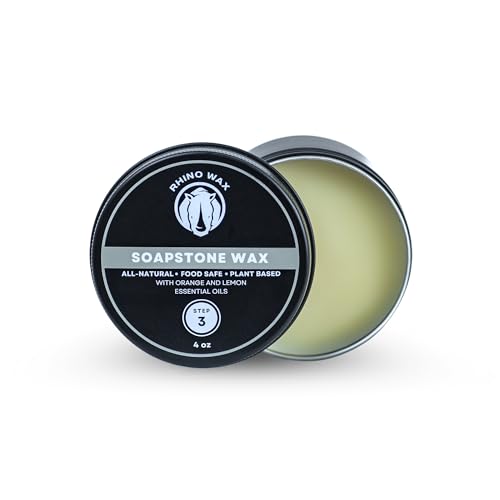
- ✓ Natural plant-based formula
- ✓ Easy to apply and buff
- ✓ Enhances stone’s natural look
- ✕ Needs reapplication over time
- ✕ Slightly pricey for small size
| Type | Wax for soapstone, slate, and concrete surfaces |
| Net Volume | 4 ounces (oz) |
| Application Method | Apply an even coat, let absorb, buff with a cloth, reapply as needed |
| Ingredients | Fractionated palm and coconut oils, beeswax, carnauba wax, natural lemon-orange essential oils |
| Protection Features | Seals, protects, and enhances natural patina and luster of stone surfaces |
| Safety and Composition | Contains no mineral oil or petroleum-based products, food-safe and natural |
As soon as I buffed a thin layer of Rhino Wax onto my soapstone sink, I noticed how instantly it brought out a richer, more vibrant hue. The finish feels silky smooth, not greasy, and gives the surface a subtle sheen that really enhances its natural beauty.
The wax is incredibly easy to apply—just spread a thin coat after using the soapstone oil, wait a few minutes, then buff off the excess. The citrus scent is a pleasant bonus, making the whole process feel fresh and clean without any chemical smell lingering.
What truly impressed me is how well it seals the stone. Even after a few days, I noticed less water absorption and a more uniform appearance.
Plus, knowing it’s made from plant-based ingredients and contains no mineral oil is reassuring—especially for food-safe surfaces.
This wax also seems to build up a nice patina over time, giving my sink a more aged, distinguished look without sacrificing protection. I appreciate that I can reapply whenever it looks dry or dull—no complicated steps or special tools needed.
Overall, Rhino Wax offers a natural, effective way to maintain and protect soapstone and similar surfaces. It’s a simple, no-fuss solution that enhances both the look and durability of my kitchen.
Honestly, I’m pretty sold on how it preserves the stone’s integrity while keeping everything food-safe.
What Qualities Should You Look for in the Best Wax for Fireclay Sinks?
When searching for the best wax for fireclay sinks, consider the following qualities:
- Durability: The wax should be able to withstand regular use and resist wear over time.
- Water Resistance: A good wax will provide a protective barrier against water damage and staining.
- Ease of Application: The wax should be easy to apply and require minimal effort to achieve an even coat.
- Non-Toxic Ingredients: Look for wax that contains safe, environmentally friendly ingredients that won’t harm your sink or your health.
- Gloss Finish: The wax should enhance the natural shine of the fireclay sink, giving it a polished and attractive look.
Durability: The best wax for fireclay sinks should be durable enough to handle daily use without chipping or wearing down. This means it should form a strong bond with the fireclay surface, ensuring long-lasting protection against scratches and abrasions.
Water Resistance: A quality wax provides excellent water resistance, preventing moisture from penetrating the surface of the sink. This is crucial for fireclay sinks, as prolonged exposure to water can lead to discoloration and damage over time.
Ease of Application: The ideal wax should be user-friendly, allowing for straightforward application without requiring extensive tools or techniques. A product that goes on smoothly and dries evenly will save you time and effort during maintenance.
Non-Toxic Ingredients: Opting for wax made with non-toxic ingredients is essential for both health and environmental concerns. Non-toxic waxes ensure that harmful chemicals do not leach into your home or the environment, making them safer for everyday use.
Gloss Finish: The best wax should enhance the fireclay sink’s natural beauty by providing a glossy finish that reflects light and adds depth. A shiny surface not only looks appealing but also helps to highlight the sink’s unique characteristics, making it a focal point in your kitchen.
How Does Waxing Benefit Fireclay Sinks?
Water repellency is another critical benefit of waxing, as it helps prevent water spots and mineral deposits that can accumulate over time. This feature is especially beneficial in areas with hard water, where mineral buildup can be a persistent issue.
The smooth surface created by waxing makes cleaning significantly easier, allowing for quick wipe-downs with less effort required. This convenience is a major plus for anyone looking to maintain a clean and hygienic kitchen environment.
Finally, regular waxing can extend the life of the sink’s finish, reducing the frequency of costly repairs or refinishing. By taking the time to wax the sink, homeowners can ensure their investment lasts longer and remains in pristine condition.
What Are the Different Types of Wax Suitable for Fireclay Sinks?
There are several types of wax suitable for fireclay sinks that can help maintain their appearance and protect the surface.
- Carnauba Wax: This natural wax is derived from the leaves of the carnauba palm and is known for its high gloss finish and durability. It provides a protective layer that repels water and stains, making it an excellent choice for maintaining the shine of fireclay sinks.
- Beeswax: Renowned for its natural properties, beeswax offers a softer finish that is easy to apply and buff out. It is also non-toxic and safe for kitchen use, making it ideal for fireclay sinks that come into contact with food.
- Paraffin Wax: This petroleum-based wax is commonly used for its affordability and availability. While it provides a decent protective layer and can be applied easily, it may not deliver the same level of shine or durability as natural alternatives like carnauba or beeswax.
- Microcrystalline Wax: This synthetic wax is known for its flexibility and resistance to water, making it suitable for high-traffic areas like sinks. It offers a good balance of protection and gloss, helping to prevent scratches and maintain the surface of fireclay sinks.
- Furniture Wax: Specifically formulated for wood and other surfaces, furniture wax can also be applied to fireclay sinks to offer a protective coating. It typically contains a blend of natural waxes and oils that help nourish the surface while providing a protective barrier against stains and moisture.
Which Natural Waxes Are Most Effective for Fireclay Sinks?
The best waxes for fireclay sinks typically offer protection against stains and enhance the natural beauty of the material.
- Carnauba Wax: Known as the “queen of waxes,” carnauba wax is derived from the leaves of the Brazilian palm tree. It provides a hard, glossy finish that is resistant to water and stains, making it ideal for fireclay sinks that require durability and protection from daily use.
- Beeswax: This natural wax has been used for centuries for its protective qualities. Beeswax creates a moisture-repellent barrier that helps prevent water spots and stains, while also giving the sink a warm, natural sheen that enhances its appearance.
- Montan Wax: Sourced from lignite, montan wax is known for its excellent resistance to heat and water. It can be mixed with other waxes to improve their properties, making it suitable for fireclay sinks that may be exposed to high temperatures and frequent cleaning.
- Microcrystalline Wax: This wax is more flexible and has a finer structure than other natural waxes, allowing it to fill in tiny scratches and imperfections in the sink’s surface. It offers good water resistance and can be layered for added protection, ensuring the sink maintains its luster over time.
- Paraffin Wax: While not as popular as other natural options, paraffin wax can still be effective, especially when mixed with other waxes. It provides a good barrier against moisture and stains, although it may not offer the same level of natural beauty and durability as carnauba or beeswax.
How Do Synthetic Waxes Compare to Natural Waxes for Fireclay Sinks?
| Aspect | Synthetic Waxes | Natural Waxes |
|---|---|---|
| Durability | Highly durable, resistant to water and stains, ideal for high-use sinks. | Less durable, may require more frequent reapplication; sensitive to moisture. |
| Ease of Application | Generally easier to apply, often comes in a ready-to-use form. | May require more preparation and effort to apply evenly. |
| Finish Quality | Provides a glossy finish, enhances color and depth of the sink. | Offers a more natural, matte finish; may appear warmer but less shiny. |
| Cost | Usually more expensive upfront but can save money on maintenance. | Often cheaper, but may incur higher long-term costs due to more frequent applications. |
| Environmental Impact | Often derived from petroleum; may have a higher environmental footprint. | Biodegradable and renewable; generally considered more eco-friendly. |
| Recommended Products | Brands like ‘Carnauba Shield’ and ‘Protecta Wax’ are popular choices. | Look for ‘Beeswax Polish’ or ‘Natural Carnauba Wax’ products. |
| Usage Frequency | Reapplication recommended every 6-12 months depending on usage. | Reapply every 1-3 months for best results, especially in high-use areas. |
What Is the Best Way to Apply Wax on Fireclay Sinks?
Applying wax on fireclay sinks is defined as the process of using a protective wax coating to enhance the surface finish, provide a barrier against stains, and maintain the sink’s aesthetic appeal. Fireclay sinks, made from a mixture of clay and glaze, are known for their durability and resistance to high temperatures, but they can benefit from additional protection to preserve their appearance.
According to the National Kitchen & Bath Association, fireclay sinks are popular in both traditional and modern kitchens due to their resilience and classic look. However, they require specific care techniques to prevent scratches and staining, making the application of wax an essential part of maintenance.
Key aspects of applying wax to fireclay sinks include selecting the right type of wax, ensuring the sink is clean and dry before application, and using proper techniques to achieve an even layer. The best wax for fireclay sinks typically includes natural carnauba wax or synthetic food-safe waxes designed for kitchen surfaces. Before applying wax, the sink should be thoroughly cleaned with a non-abrasive cleaner to remove any grime or residue, allowing for optimal adhesion of the wax.
This practice impacts the longevity and aesthetic appeal of the sink, as regular waxing can prevent water spots and mineral deposits, which are common issues in kitchen environments. Furthermore, applying wax can create a smoother surface, making it easier to clean and maintain over time. Statistics show that regular maintenance can extend the life of fireclay sinks by several years, saving homeowners from costly replacements.
The benefits of using wax on fireclay sinks include enhanced shine, improved resistance to stains, and easier cleaning. Additionally, the wax acts as a sealant, protecting the sink from harsh chemicals and food particles that may lead to discoloration. This is especially relevant in busy kitchens where the sink is frequently used for food preparation and cleaning.
Best practices for applying wax on fireclay sinks involve using a soft, lint-free cloth to apply the wax in circular motions, ensuring complete coverage. After applying the wax, it is advisable to buff the surface with a clean cloth to achieve a polished finish. Regular waxing, recommended every few months, can help maintain the sink’s beauty and functionality, making it a valuable practice for any homeowner.
What Common Mistakes Should You Avoid When Waxing Fireclay Sinks?
When waxing fireclay sinks, there are several common mistakes to avoid for optimal results.
- Using the Wrong Wax: Selecting a wax that is not specifically formulated for fireclay can lead to inadequate protection and potential damage to the sink’s surface. It’s crucial to choose a high-quality wax that is designed for ceramic or fireclay to ensure compatibility and effective sealing.
- Not Cleaning the Sink Properly: Failing to thoroughly clean the sink before waxing can trap dirt and grime under the wax, leading to unsightly blemishes and reduced effectiveness. Always wash the sink with a gentle detergent and ensure it’s completely dry before applying any wax.
- Applying Too Much Wax: Over-applying wax can result in a sticky residue that attracts dirt and can be difficult to remove. A thin, even layer of wax is sufficient to provide a protective barrier without causing buildup.
- Skipping the Buffing Step: Neglecting to buff the wax after application can leave a dull appearance and diminish the sheen of the fireclay sink. Buffing not only enhances the shine but also helps to ensure an even distribution of the wax for better protection.
- Waxing Too Frequently: While maintaining your sink is important, waxing too often can lead to a buildup that may damage the finish over time. It’s best to wax fireclay sinks only as needed, typically every few months, depending on usage.
- Ignoring Manufacturer Recommendations: Each fireclay sink may have specific care instructions provided by the manufacturer, which can include recommendations on wax types and application methods. Ignoring these guidelines can lead to unintended damage or void any warranties.
When Is It Time to Reseal or Reapply Wax on Fireclay Sinks?
Knowing when to reseal or reapply wax on fireclay sinks is crucial for maintaining their appearance and durability.
- Visible Wear and Tear: If you notice scratches, dullness, or a lack of shine on your sink, it may be time to reapply wax. These signs indicate that the protective layer has worn away, leaving the surface vulnerable to stains and damage.
- Water Spotting: Frequent water spots or mineral deposits are a clear sign that the sealant is no longer effective. When water no longer beads up on the surface and instead leaves marks, it’s a cue that your sink needs resealing or waxing.
- Stains and Discoloration: If stains begin to set in or the color of the sink appears to fade, it’s a good time to apply a fresh coat of wax. Wax not only enhances the sink’s appearance but also provides a barrier against staining agents.
- Regular Maintenance Schedule: Establishing a regular maintenance schedule can help you determine when to reseal or reapply wax. Depending on usage, every 6-12 months is a good rule of thumb to maintain optimal protection and appearance.
- After Cleaning Products Usage: If you’ve used harsh cleaning agents that might strip away the existing wax, it’s advisable to reapply. Certain chemicals can compromise the protective layer, necessitating a fresh application to restore shine and protection.