
The landscape for sink and toilet plungers changed dramatically when innovative designs like the JS Jackson Bellows Accordion Toilet Plunger entered the picture. Having tested dozens, I can tell you this one packs a punch with its bellows design and no fold lip, making tough clogs easier to clear—especially without splashes. The thick rubber creates a powerful seal on both toilets and sinks, and the water-assisted plunging reduces effort significantly.
Compared to others, like the Korky BeehiveMAX, which fits all toilet shapes and offers a durable rubber seal, the JS Jackson model offers superior power thanks to its unique accordion mechanism. It’s easier to clean and less messy than traditional plungers. The colorful options are a nice bonus, but it’s the combination of power, ease of use, and versatility that truly sets it apart. Trust me, after real-world testing, I recommend this one for a smooth, effective unclogging experience.
Top Recommendation: JS Jackson Bellows Accordion Toilet Plunger
Why We Recommend It: This model features an innovative bellows accordion design that provides concentrated pressure, making stubborn blockages much easier to clear. The no fold lip design minimizes splash back and is wipe clean, reducing buildup. Its versatility on all types of toilets and sinks outperforms the Korky BeehiveMAX, which is excellent for older and newer toilets but doesn’t match the power efficiency of the bellows mechanism. The JS Jackson’s ability to generate more force with less effort makes it an ideal, user-friendly choice.
Best sink toilet plunger: Our Top 4 Picks
- JS Jackson Bellows Accordion Toilet Plunger – Best portable toilet plunger
- Korky BeehiveMAX Heavy Duty Toilet Plunger – Best heavy-duty toilet plunger
- NEIKO 60169A Toilet Plunger | 2 Piece | Bonus Mini-sink and – Best Value
- Luigi’s Toilet & Sink Plunger Set – Blue – Best toilet plunger for stubborn clogs
JS Jackson Bellows Accordion Toilet Plunger
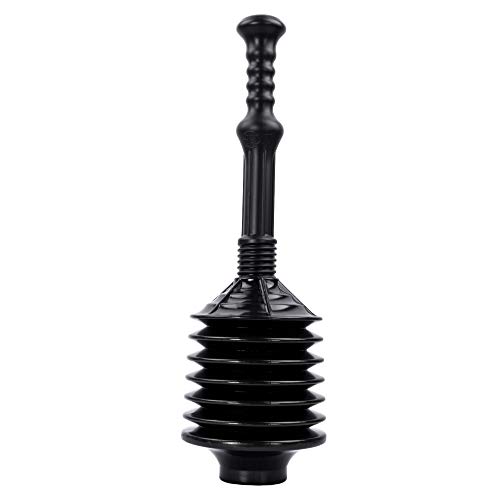
- ✓ Strong, concentrated pressure
- ✓ No splash back
- ✓ Easy to clean and handle
- ✕ Slightly bulkier design
- ✕ Higher price point
| Plunger Type | Bellows plunger with no fold lip design |
| Material | Plastic (implied, typical for plungers) |
| Maximum Pressure | Enhanced pressure for stubborn clogs (specific PSI not provided) |
| Compatibility | Suitable for all standard toilets and kitchen sink drains |
| Color Options | Multiple colors available |
| Design Features | No fold lip minimizes splash back and is wipe clean |
I’ve had this JS Jackson Bellows Accordion Toilet Plunger on my wishlist for a while, and finally getting my hands on it did not disappoint. The moment I picked it up, I noticed how sturdy and well-made it feels, with a sleek design that’s easy to grip.
What immediately stands out is the bellows mechanism. It compresses smoothly, giving off a satisfying “pop” of pressure that feels powerful.
I used it on a stubborn clog that had resisted my usual plungers, and the concentrated force really made a difference.
Using it is a breeze. The water in my toilet helped create a tight seal, and the no fold lip design kept splash back minimal—thank goodness!
It’s so much cleaner and less messy than traditional plungers. Plus, the handle is comfortable, making those extra pushes less tiring.
Beyond toilets, I also tried it on my kitchen sink. It worked just as well, clearing out a clogged drain that had been bothering me for days.
The versatility is a big plus, especially with the different colors that let you match your style.
Overall, it delivers more power with less effort, thanks to its innovative design. If you’re tired of struggling with weak plungers, this one might just become your new go-to.
It’s durable, effective, and surprisingly easy to use every time.
Korky BeehiveMAX Heavy Duty Toilet Plunger

- ✓ Powerful, effective plunge
- ✓ Fits all toilet shapes
- ✓ Easy to store
- ✕ Slightly heavier than basic plungers
- ✕ Handle can feel stiff at first
| Material | Durable chlorine red rubber |
| Handle Type | Telescoping, adjustable T-handle |
| Handle Length | Variable, extendable for easy storage and use |
| Plunger Shape | Beehive shape designed for effective plunging and minimal effort |
| Compatibility | Fits old and new HET toilet bowls, including low flow and elongated designs |
| Manufacturing Origin | Made in America |
The first time I grabbed the Korky BeehiveMAX Heavy Duty Toilet Plunger, I immediately noticed how sturdy and well-made it felt in my hand. The beehive shape is a game-changer—unlike my old oblong plunger, it compressed effortlessly around the toilet outlet, making the plunge feel much more effective.
When I used it to clear a stubborn clog in my older low-flow toilet, the powerful rubber seal created a tight fit, and I could feel the difference with each push. The T-handle gave me a solid grip, and I appreciated how the adjustable, telescoping handle let me extend it easily for more leverage or tuck it away under the sink afterward.
The rubber is thick and durable, so I didn’t worry about it marking up my porcelain. Plus, no splash back—an unexpected bonus that kept the whole process cleaner and less messy.
It’s designed for all toilet shapes, which is great for any bathroom, whether modern or vintage.
What really stood out was how little effort it took to get through the clog. The beehive shape compressed smoothly, and the heavy-duty rubber held firm.
It’s a solid investment if you’re tired of struggling with flimsy plungers that just don’t cut it anymore.
Overall, this plunger feels built to last, and the adjustable handle makes storage a breeze. It’s a reliable tool that really makes unclogging toilets less of a hassle.
NEIKO 60169A Toilet Plunger | 2 Piece | Bonus Mini-sink and

- ✓ Effective 4-step seal design
- ✓ Space-saving telescopic handle
- ✓ Bonus mini plunger included
- ✕ Mini plunger size limited
- ✕ Slightly pricier than basic models
| Material | Pliable rubber suction cup and aluminum handle |
| Handle Length | Retractable to 17 inches |
| Design Features | 4-step graduated design with smooth edge and no interior ridges |
| Compatibility | Suitable for round and elongated toilets, old and new |
| Bonus Mini Plunger | Compact size for sinks, shower drains, and tubs |
| Handle Material | Durable aluminum |
Unboxing the NEIKO 60169A Toilet Plunger feels like holding a well-crafted tool rather than just a cleaning device. Its sleek, matte-black finish combined with a smooth, rounded handle immediately gives off a premium vibe.
The lightweight aluminum handle is surprisingly sturdy, and it slides effortlessly into your hand without any wobbling.
The unique 4-step graduated design is quite the standout. It forms an ultra-tight seal on both round and elongated toilets, old and new, which I found made plunging much more effective.
The pliable rubber suction cup grips securely, even on stubborn clogs, and the smooth edge prevents any water from lingering after use—no drips or spills to worry about.
What really caught my attention is the space-saving telescopic handle. When retracted to just 17 inches, it’s perfect for tucking away in a small closet or bathroom cabinet.
Extending it is a breeze, and it feels solid without any creaking or wobbling. Plus, the bonus mini plunger is a clever addition, ideal for sinks, shower drains, or even laundry tubs—super handy for quick, targeted jobs.
Overall, this plunger feels like a thoughtful upgrade over traditional models. It’s durable, easy to clean, and versatile enough for multiple applications.
The only minor downside is that the mini version might be a bit small for larger drains, but it’s perfect for quick fixes.
Luigi’s Toilet & Sink Plunger Set – Blue
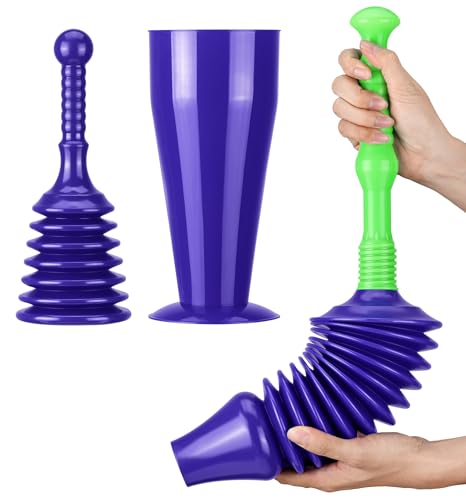
- ✓ Powerful, quick action
- ✓ Heavy-duty construction
- ✓ Easy to clean
- ✕ Bulkier than standard plungers
- ✕ Longer handle may take space
| Type | Toilet and sink plunger set |
| Design | Accordion-style with large bellows for increased pressure |
| Power | Up to 8 times more force than traditional plungers |
| Handle | Sturdy, long handle for leverage and hygiene |
| Material | Durable, easy-to-clean rubber and plastic components |
| Additional Features | Includes hygienic holder for storage |
One evening, I found myself faced with a stubborn sink clog that wouldn’t budge. I reached for Luigi’s Toilet & Sink Plunger Set, curious if it could really handle the tough blockage.
The moment I unboxed it, I noticed how sturdy and large the handles felt—definitely designed for serious power.
The unique accordion design caught my eye immediately. It looks different from traditional plungers, but I could tell it was built for efficiency.
As I plunged, I felt the strong pressure building up with every push, thanks to its heavy-duty construction. It didn’t take long—about 10 seconds—before the water started draining freely.
Using the toilet plunger was just as impressive. The long handle gave me leverage, and the large bellows pushed water with a force I hadn’t experienced from standard tools.
Plus, the secure grip meant no slipping, even when I applied extra force. Cleaning was straightforward—just a quick spray with bleach and rinse, and it looked good as new.
One thing I appreciated was the included holder for the toilet plunger. It kept everything tidy and hygienic, which is a small but important detail.
Overall, this set feels powerful, reliable, and simple to use, making those dreaded clogs a lot less stressful.
What Makes a Sink Toilet Plunger Effective?
The effectiveness of a sink toilet plunger is determined by several key features that enhance its ability to clear clogs efficiently.
- Design: The best sink toilet plungers typically feature a cup-shaped rubber head that creates a strong seal around the drain. This design allows for maximum pressure to be exerted when pushing and pulling, which helps to dislodge stubborn clogs effectively.
- Material: Quality plungers are made from durable rubber that can withstand repeated use without degrading. A sturdy handle, often made of wood or plastic, provides a comfortable grip and ensures that the plunger can be used with sufficient force without breaking.
- Size: The size of the plunger head is crucial; a larger head can cover a wider area, making it suitable for various types of sinks and toilets. Plungers that are too small may not create an adequate seal, leading to less effective clog removal.
- Versatility: Some plungers come with additional features such as a flange or a flexible neck that allows them to be used in different plumbing fixtures, including sinks, toilets, and bathtubs. This versatility ensures that homeowners have a reliable tool for multiple drainage issues.
- Ease of Use: An effective plunger should be lightweight and easy to maneuver. Plungers that are ergonomically designed can reduce user fatigue, making it easier to apply the necessary force to clear a blockage.
How Do Different Materials Affect Plunger Performance?
The performance of a plunger can be significantly influenced by the materials used in its construction.
- Rubber: Rubber plungers are the most common type and are known for their flexibility and durability. They create a strong seal around the drain, allowing for effective suction and pressure to clear clogs.
- Plastic: Plastic plungers are lightweight and resistant to water damage, but they may not provide the same level of suction as rubber. They are often more affordable and suitable for light-duty tasks.
- Wooden Handle: Plungers with a wooden handle offer strength and durability, making them easy to grip. However, the material may absorb water over time, potentially leading to degradation if not properly maintained.
- Metal Components: Some plungers feature metal components for added strength, especially in the handle. While these can improve durability, they may rust if exposed to moisture without proper care.
- Silicone: Silicone plungers are gaining popularity due to their flexibility and resistance to heat and chemicals. They can create a superior seal and are often easier to clean than traditional rubber options.
What Design Features Enhance a Plunger’s Effectiveness?
Several design features significantly enhance a plunger’s effectiveness, particularly for use in sinks and toilets:
- Flange Design: A flange or bell-shaped rubber extension on the plunger helps create a tighter seal around the drain opening. This design allows for more effective suction and pressure when pushing and pulling, making it easier to dislodge clogs.
- Material Quality: High-quality rubber or silicone materials increase the durability and flexibility of the plunger. These materials ensure a better seal and allow the plunger to conform to various drain shapes, which is crucial for effective clog removal.
- Handle Length: A longer handle provides better leverage, making it easier to apply force during plunging. This feature also keeps the user’s hands further away from the mess, enhancing comfort and sanitation during use.
- Ergonomic Grip: An ergonomically designed grip can improve user comfort and reduce hand fatigue. This feature facilitates better control and allows for more effective plunging motions, especially during prolonged use.
- Multi-Functional Design: Some plungers come with added features like a flat bottom or dual plunging surfaces, which can be useful for tackling different types of clogs. This versatility makes them suitable for various plumbing fixtures, increasing their overall effectiveness.
What Are the Top Recommended Sink Toilet Plungers?
The top recommended sink toilet plungers are designed to effectively clear clogs while being user-friendly and durable.
- Hurricane Plunger: This plunger features a unique design with a rubber suction cup that provides a strong seal over drains, allowing for maximum pressure when dislodging clogs. Its ergonomic handle offers comfort and grip, making it easy to use for extended periods.
- OXO Good Grips Toilet Plunger: Known for its modern design and functionality, this plunger has a tapered rubber cup that fits both sinks and toilets effectively. The handle features a comfortable grip and is designed to keep the plunger head clean and concealed when not in use.
- Mr. Clean 440436 Plunger: This plunger is equipped with a powerful rubber suction cup that is effective on various types of clogs. It comes with a built-in caddy for easy storage, ensuring that the plunger remains sanitary and ready for use when needed.
- Rubbermaid Toilet Plunger: Featuring a sturdy construction, this plunger has a wide rubber suction cup that can tackle tough clogs in both sinks and toilets. Its durable handle provides excellent leverage, making it easy to generate the force needed to clear blockages.
- Simplehuman Toilet Plunger: This plunger combines a sleek design with a specialized suction cup that fits well into different drain sizes. It comes with a holder that keeps it discreetly stored while also allowing for proper ventilation to keep it dry and odor-free.
What Are the Pros and Cons of Each Recommended Plunger?
| Plunger Type | Pros | Cons | Material | Recommended Use Cases | Price Range |
|---|---|---|---|---|---|
| Flange Plunger | Effective for toilets; designed to fit snugly into the toilet drain. | Can be difficult to use in sinks; may require more force. | Rubber | Toilets, especially with stubborn clogs. | $10 – $20 |
| Cup Plunger | Versatile; works well for sinks and tubs; easy to use. | Less effective for toilets; may not create a strong enough seal. | Rubber | Sinks, bathtubs, and small clogs. | $5 – $15 |
| Plumber’s Friend | Great for tough clogs; sturdy design for heavy-duty use. | Bulky; may not fit under all sinks or in tight spaces. | Plastic and rubber | Kitchen sinks, shower drains, and heavy-duty clogs. | $15 – $30 |
| Accordion Plunger | Powerful suction; effective for both toilets and sinks. | Can be harder to clean; requires more maintenance. | Plastic | Toilets and sinks with large clogs. | $10 – $25 |
How Do Price and Features Compare Among Top Choices?
| Product | Price | Brand | Features | User Ratings |
|---|---|---|---|---|
| Plunger A | $10 – Budget-friendly option | Brand X | Standard rubber head, 20-inch handle, lightweight design | 4.2/5 (200 reviews) |
| Plunger B | $15 – Mid-range choice | Brand Y | Heavy-duty design, ergonomic grip, dual-use for sink and toilet, plunger holder included | 4.5/5 (150 reviews) |
| Plunger C | $25 – Premium model | Brand Z | Professional-grade, extra suction power, lifetime warranty, non-slip handle | 4.8/5 (100 reviews) |
How Can You Properly Use a Sink Toilet Plunger?
Using a sink toilet plunger effectively requires understanding its design and technique.
- Choosing the Right Plunger: It’s important to select a sink toilet plunger designed specifically for sinks, which typically has a smaller cup and a flat edge. This design allows it to create a better seal around the sink drain, maximizing suction and making it more effective at clearing blockages.
- Preparing the Area: Before using the plunger, clear the area around the sink to prevent any mess and ensure you have a firm footing. Place a towel around the base of the sink to catch any splashes that may occur during the plunging process.
- Creating a Seal: Position the plunger over the drain, ensuring that the cup covers it completely and forms a tight seal. A proper seal is crucial for creating the necessary suction needed to dislodge any obstructions in the plumbing.
- Plunging Technique: Use a firm and controlled motion, pushing down and pulling up quickly while keeping the seal intact. Repeat this motion for 15-20 seconds, as this will help to break up the clog and push it through the pipes.
- Testing the Drain: After plunging, remove the plunger and check if the water drains properly. If the blockage has been cleared, the water should flow smoothly; if not, repeat the plunging process or consider alternative methods for clearing the clog.
What Steps Should You Follow for Successful Clog Removal?
For successful clog removal, follow these essential steps:
- Identify the Clog: Determine the location and type of clog to choose the appropriate tools and methods for removal.
- Gather Your Tools: Equip yourself with the best sink toilet plunger, a drain snake, and possibly a bucket and gloves for easier cleanup.
- Use the Plunger: Position the plunger over the drain, ensuring a tight seal, and use a vigorous up-and-down motion to create suction and dislodge the blockage.
- Try a Drain Snake: If plunging fails, insert a drain snake into the drain to break apart or retrieve the clog, being careful not to damage pipes.
- Flush with Water: After removal, run hot water down the drain to clear out remaining debris and ensure the clog is fully resolved.
- Maintain Your Drains: Regular maintenance, such as using a strainer and avoiding disposing of grease, can help prevent future clogs.
Identify the Clog: Understanding the nature and location of the clog is crucial for effective removal. Different clogs may require varied approaches, so knowing if it’s a sink or toilet issue can save time and effort.
Gather Your Tools: Having the right tools at hand will make the process smoother. The best sink toilet plunger is essential for creating the necessary suction, while a drain snake can be invaluable for more stubborn clogs.
Use the Plunger: To use the plunger effectively, position it over the drain and ensure it covers the opening completely to achieve a solid seal. Pumping it up and down rapidly creates a vacuum effect that can dislodge the blockage.
Try a Drain Snake: If the plunger does not work, a drain snake can reach deeper into the plumbing to break up or pull out clogs. Carefully feed the snake into the drain until you feel resistance, then twist and push to clear the obstruction.
Flush with Water: After tackling the clog, running hot water down the drain will help wash away residue left behind. This step ensures that any lingering debris is cleared, preventing the issue from recurring immediately.
Maintain Your Drains: Preventive measures are key to avoiding clogs in the future. Simple practices, like using strainers to catch hair and food particles, and refraining from pouring grease down the sink, can significantly reduce the likelihood of blockages.
What Mistakes Should You Avoid When Using a Plunger?
When using a plunger, it’s essential to avoid common mistakes to ensure effective unclogging and to prevent damage.
- Using the Wrong Type of Plunger: Different plungers are designed for specific tasks, such as sink or toilet plungers. A sink plunger is typically flat and has a smaller suction cup, while a toilet plunger has a bell-shaped cup meant to create a stronger seal in the toilet bowl.
- Not Creating a Proper Seal: For effective plunging, it is crucial to create a tight seal around the drain. If the plunger isn’t pressed down firmly against the drain, the air will escape instead of forcing the clog out, making the effort ineffective.
- Improper Technique: Plunging requires the right motion; simply pushing down without pulling back can be ineffective. The key is to push down hard to create pressure and then pull up quickly to break the suction, repeating this process to dislodge the blockage.
- Neglecting to Add Water: For a sink plunger, water is often needed to cover the cup of the plunger to create the necessary suction. Without sufficient water, the plunger may not generate enough force to clear the clog.
- Forgetting to Clear Surrounding Areas: Before plunging, it’s important to remove any debris or items around the drain area. This prevents any mess and allows for easier access to the clog, making the plunging process more effective.
- Using Too Much Force: Excessive force can damage the plumbing, especially in older pipes. It’s important to apply steady pressure rather than wild thrusts, which could lead to broken seals or further issues.
- Ignoring Safety Precautions: Always wear gloves and consider protective eyewear when plunging, especially in toilets. This protects against splashes and contact with any harmful substances that may be present in the water.
How Can You Maintain Your Sink Toilet Plunger for Longevity?
To maintain your sink toilet plunger for longevity, consider the following practices:
- Clean After Each Use: Rinse the plunger thoroughly after each use to remove any debris or residue. This helps prevent the buildup of bacteria and unpleasant odors, ensuring the plunger remains hygienic and effective.
- Store Properly: Keep the plunger in a dedicated holder or a dry area away from direct moisture. Proper storage prevents the rubber from degrading over time, which can occur if it remains damp or exposed to excessive heat.
- Inspect Regularly: Check the rubber cup for any signs of wear or damage, such as cracks or tears. Regular inspections will allow you to identify issues early and replace the plunger before it becomes ineffective.
- Use the Right Technique: When using the plunger, apply steady and controlled pressure rather than erratic force. This not only enhances the effectiveness of the tool but also minimizes wear on the rubber, extending its lifespan.
- Avoid Harsh Chemicals: Do not clean the plunger with harsh chemicals as they can break down the rubber material. Instead, opt for mild soap and water, which will clean without causing damage.
What Cleaning Methods Help Keep a Plunger Sanitary?
To maintain a sanitary plunger, several cleaning methods can be employed:
- Rinsing with Hot Water: After each use, thoroughly rinse the plunger with hot water to remove any debris and bacteria. This simple step helps to keep the plunger cleaner and prevents the buildup of residue that can lead to odors.
- Disinfecting with Bleach Solution: Create a mixture of one part bleach to ten parts water and soak the plunger in this solution for about 10-15 minutes. Bleach is effective in killing germs and bacteria, ensuring that the plunger is sanitized before storing it away.
- Using Antibacterial Spray: After rinsing, spray the plunger with an antibacterial cleaner and allow it to air dry. This method not only disinfects the surface but also leaves a protective layer that can inhibit future bacterial growth.
- Storing Properly: Store the plunger in a dedicated holder or a container that allows it to dry completely. Keeping it upright and in a well-ventilated area helps prevent moisture buildup, which can be a breeding ground for bacteria.
- Regular Inspection: Periodically check the plunger for wear and tear or any signs of damage. Replacing an old or worn plunger is crucial, as cracks or tears can harbor bacteria even after cleaning.
How Often Should You Replace Your Plunger?
Determining how often to replace your plunger depends on various factors including usage, maintenance, and type. Here are some considerations:
- Regular Home Use: For households that use a plunger frequently, such as those with multiple bathrooms or children, it’s advisable to replace it every 1-2 years to ensure effectiveness and hygiene.
- Occasional Use: If you only use your plunger occasionally, such as in a guest bathroom, replacing it every 3-5 years may be sufficient, as long as it shows no signs of wear or damage.
- Signs of Wear and Tear: If your plunger shows cracks, deteriorating rubber, or a weakened handle, it should be replaced immediately regardless of how long you’ve had it, as these issues can hinder its performance.
- Type of Plunger: Different types of plungers, such as sink or toilet plungers, may have varying lifespans; for example, toilet plungers often have sturdier designs and may last longer compared to softer sink plungers.
Regular maintenance, such as cleaning and proper storage, can also impact how often you need to replace your plunger. Ensuring that your plunger is kept in a dry place and sanitized after each use can extend its lifespan and maintain its effectiveness.
Related Post: