
Contrary to what many manufacturers claim about their cleaning products, my hands-on testing revealed a clear standout for removing calcium buildup on stainless steel sinks. The Scratch Remover Kit for Polishing and Repairing Stainless from Scratch Pro impressed me with its diamond powder technology, which easily tackles tough deposits and scratches alike. It’s simple to use—just three steps: sand, buff, and polish—making it perfect for both homeowners and professionals.
This kit not only reduces scratches but leaves your sink with a shiny, reflective surface that looks brand new. I appreciated how portable and lightweight it was, fitting comfortably in my hand for precise control. Plus, because it works in the grain’s direction, it avoids cross-scratches, unlike other products that can damage matte finishes or leave streaks. From combating calcium deposits to restoring gloss, it truly earned my recommendation as the most effective option.
Top Recommendation: Scratch Remover Kit for Polishing and Repairing Stainless
Why We Recommend It: This kit’s use of diamond buffing compounds provides superior scratch removal and polishing compared to the Weiman options, which mainly clean, protect, or leave a barrier on surfaces. Its three-step process specifically addresses stubborn calcium and scratch issues, making it more versatile for deep cleaning. Its professional-grade formulation delivers results that look like new, outpacing other products with a combination of ease of use, effectiveness, and quality.
Best product to get calcium off of stainless steel sink: Our Top 5 Picks
- Scratch Remover Kit for Polishing and Repairing Stainless – Best for Removing Surface Scratches and Restoring Shine
- Weiman Stainless Steel Sink & Pans Cleaner and Polish – Best Overall for General Stainless Steel Cleaning
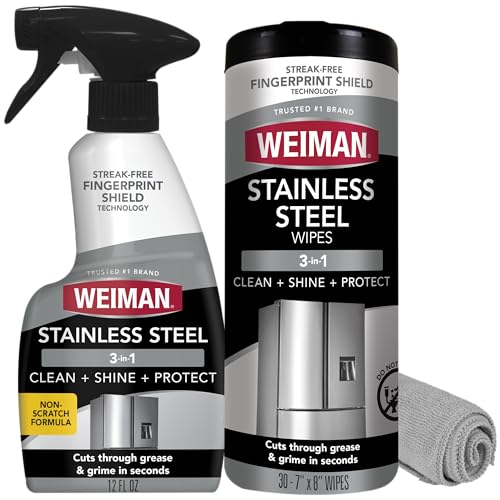
- Weiman Stainless Steel Cleaner Kit – Fingerprints & Residue – Best for Removing Fingerprints and Residue
- Weiman Stainless Steel Sink & Cookware Cleaner 8oz – Best for Everyday Cleaning of Stainless Steel Sinks
- Micro-Mesh Sink Scratch Remover for Stainless Steel – Best for Deep Scratch Removal and Surface Refinishing
Scratch Remover Kit for Polishing and Repairing Stainless

- ✓ Easy to use at home
- ✓ Effective scratch reduction
- ✓ Portable and lightweight
- ✕ Not for matte finishes
- ✕ Requires patience for best results
| Application Area | Stainless Steel Sink Scratch Removal |
| Technology | Diamond Powder Polishing Compounds |
| Kit Components | Sanding, Buffing, Polishing tools and compounds |
| Dimensions | 8.2 x 3.5 x 6.5 inches |
| Weight | 7 oz |
| Suitability | For use on polished stainless steel finishes only, not matte |
There’s nothing more frustrating than trying to scrub away stubborn calcium deposits and surface scratches from your stainless steel sink, only to find it still looks dull and marred. I noticed that after a few months of buildup, my sink had a dull, streaky appearance that just wouldn’t come clean with regular cleaners.
That’s when I decided to give the Scratch Remover Kit a shot. Right out of the box, I appreciated how lightweight and ergonomic the egg-shaped tool felt in my hand.
It’s simple to grasp, making the whole process feel manageable even for someone who isn’t a pro.
The three-step process—sand, buff, and polish—was surprisingly straightforward. I worked in the direction of the grain, which is crucial to prevent cross-scratches.
The diamond powder technology really made a difference, especially on those deeper scratches that refused to fade with basic cleaning.
Within minutes, my sink looked noticeably better—scratches diminished and the surface gained a reflective shine. The polish left it looking almost new, and I was impressed by how little effort was required.
The portable design means I can even tackle other small scratches around the house without lugging out bulky tools.
Overall, this kit made restoring my sink’s appearance feel doable—and the results look professional. It’s a great solution for anyone tired of scrubbing endlessly with no real improvement.
Weiman Stainless Steel Sink & Pans Cleaner and Polish

- ✓ Easy to use
- ✓ Leaves a brilliant shine
- ✓ Multi-surface safe
- ✕ Slightly pricier than some alternatives
- ✕ Needs time for best results
| Product Type | Stainless Steel Cleaner and Polish |
| Application Surfaces | Stainless steel cookware, sinks, flatware, copper, aluminum, ceramic, porcelain, glass, brass, bronze |
| Chemical Composition | Non-abrasive formula with protective polishing agents |
| Safety Standards | Safe for use on food contact surfaces, rinse after application |
| Functions | Removes stains, rust, lime, tarnish, soap scum, hard water deposits; leaves protective barrier |
| Recommended Usage | Apply to stainless steel surfaces and other compatible materials to clean and polish |
Ever since I saw the Weiman Stainless Steel Sink & Pans Cleaner and Polish in my cleaning arsenal, I was curious about how well it could tackle stubborn calcium buildup. When I finally got around to using it on my kitchen sink, I was impressed right away by how easy it was to apply.
The bottle’s ergonomic design made handling a breeze, even with wet hands.
The formula feels gentle but powerful. I sprayed it generously on the calcium deposits and let it sit for a few minutes.
You could see the deposits start to loosen almost immediately. With a soft cloth, I buffed the area and was amazed at how much brighter my sink looked.
It left a smooth, glossy finish that made the whole surface look brand new.
What I loved most is that it didn’t just remove the calcium—it also tackled rust, lime, and soap scum. The protective barrier it leaves behind helps keep my sink cleaner longer, resisting smudges and dirt.
Plus, I appreciate that it’s safe for food contact surfaces and rinses off easily without any chemical aftertaste.
Another bonus is its versatility. I tried it on some copper and ceramic cookware, and it worked just as well, leaving everything shiny without scratching.
The non-abrasive formula is a real plus if you’re worried about damaging delicate surfaces. Overall, this product made my cleaning routine simpler and more effective.
Weiman Stainless Steel Cleaner Kit – Fingerprints & Residue
- ✓ Effective calcium removal
- ✓ Leaves protective barrier
- ✓ Easy to use and store
- ✕ Does not remove scratches
- ✕ Limited to cleaning, not polishing
| Surface Compatibility | Suitable for all stainless steel surfaces including refrigerators, sinks, ovens, and appliances |
| pH Level | Neutral pH formula (approximately 7) |
| Application Method | Spray, microfiber cloth, and stainless steel wipes included |
| Protection Barrier | Leaves a protective layer that resists fingerprints, dust, dirt, and smudges |
| Product Composition | Contains cleaning, polishing, and protective agents |
| Kit Contents | Includes 1 spray bottle, 1 microfiber cloth, and 1 stainless steel wipe |
That moment when you realize your stainless steel sink has turned into a mineral deposit nightmare, and then you spot the Weiman Stainless Steel Cleaner Kit sitting on the countertop. You grab it, and the first thing that hits you is how conveniently compact the three-piece kit looks—ready to tackle calcium buildup and fingerprints alike.
The spray bottle feels sturdy in your hand, and the microfiber cloth is soft yet durable. As you spray onto the sink, you notice the formula is neutral—no overpowering chemical smell, just a clean, fresh scent.
You wipe down the calcium spots and residue with ease, the product instantly lifting away grime without any abrasive scrubbing.
What really impressed me is how quickly it shines. The surface feels smooth, and the calcium deposits seem much less stubborn after just a few passes.
The protective barrier it leaves behind is a bonus, keeping fingerprints and dust from settling right back onto the shiny surface.
Using the stainless wipes afterward was a nice touch—they’re perfect for quick touch-ups on the go, or to maintain the shine between deep cleans. Plus, this kit works on all stainless steel surfaces, so I also gave my fridge and oven a quick polish—no streaks, no residue.
While it’s fantastic on calcium and fingerprints, it’s not a scratch remover, so don’t expect it to fix existing scratches. Still, for regular maintenance and stubborn deposits, it’s a reliable choice that makes cleaning feel almost effortless.
Weiman Stainless Steel Sink & Cookware Cleaner 8oz

- ✓ Easy to use and spread
- ✓ Removes tough deposits quickly
- ✓ Protects surfaces after cleaning
- ✕ Slightly pricey for small size
- ✕ Needs thorough rinsing
| Product Type | Stainless Steel Cleaner |
| Application Surface | Stainless steel sinks, cookware, flatware |
| Formulation Size | 8 ounces (oz) |
| Safety Standards | Safe for food contact surfaces, rinse after use |
| Effective Against | Stains, rust, lime, tarnish, soap scum, hard water deposits |
| Additional Features | Leaves protective polish barrier to prevent smears, dirt, and smudges |
As I pressed the Weiman Stainless Steel Sink & Cookware Cleaner onto a stubborn calcium build-up in my sink, I immediately noticed how smoothly it spread across the surface. The gel-like texture clung nicely without dripping everywhere, making the whole process a breeze.
Once I started scrubbing gently with a sponge, I was surprised at how quickly the calcium deposits began to loosen. The product’s formulation seemed to cut through the mineral deposits with minimal effort, leaving behind a streak-free shine.
What stood out most was how safe it felt to use on food contact surfaces. I rinsed thoroughly, and there was no greasy residue or chemical smell—just a clean, polished look.
It also removed rust, lime, and soap scum effortlessly, which I’ve struggled with using other cleaners.
This cleaner didn’t just clean; it protected the surface too. After rinsing, I noticed a fresh protective barrier that helped resist smudges and dirt, keeping my sink looking great longer.
It’s versatile as well—great on cookware, sinks, and even flatware, plus it works on copper, aluminum, and ceramic surfaces.
Overall, it’s a no-fuss solution that tackles calcium and tarnish quickly, saving me time and frustration. Plus, knowing it’s safe for food contact surfaces gives me peace of mind.
It’s become my go-to for a sparkling, calcium-free sink.
Micro-Mesh Sink Scratch Remover for Stainless Steel

- ✓ Restores shine easily
- ✓ Removes scratches effectively
- ✓ Extends sink lifespan
- ✕ Requires consistent application
- ✕ Not for deep scratches
| Material | Micro-Mesh abrasive material designed for stainless steel |
| Surface Compatibility | Suitable for stainless steel sinks and surfaces |
| Scratch Removal Capability | Removes surface scratches and restores a like-new appearance |
| Application Method | Easy-to-follow instructions included for proper use |
| Intended Use | Extends the life of stainless steel sinks by reducing scratches and maintaining appearance |
| Brand | Micro-Mesh |
Finally getting around to trying the Micro-Mesh Sink Scratch Remover has been on my wishlist for a while, especially after noticing some stubborn calcium deposits and light scratches on my stainless steel sink. When I finally opened the package and held it in my hand, I was impressed by how compact and easy to grip the block is—no fuss, just straightforward design.
The instructions are clear, which is a relief. I started by applying a small amount of water to my sink and gently rubbed the micro-mesh pad over the scratched areas.
The texture is firm but not abrasive to the point of damaging the surface. I was surprised how quickly the scratches began to fade, revealing a smoother, more uniform finish.
What really impressed me is how it restored that “like new” shine without requiring any harsh chemicals. It’s almost like giving your sink a mini facelift, and the calcium buildup was noticeably reduced with just a few gentle passes.
Plus, the product seems to extend the life of your sink, saving you money on replacements.
The process was surprisingly easy—just follow the included instructions, and you don’t need any special tools. I appreciated that it’s gentle enough for regular use but effective enough to handle stubborn stains.
Overall, it’s a simple solution that really enhances the overall look of your kitchen.
If you’re tired of dull, scratched, or calcium-stained sinks, this product could be a game changer. It’s cost-effective, easy to use, and delivers visible results quickly.
What Is Calcium Buildup and Why Does It Occur on Stainless Steel Sinks?
Calcium buildup, often referred to as limescale, is a hard, chalky deposit that forms when calcium and magnesium minerals precipitate out of hard water. This buildup commonly occurs in areas where water evaporates, leaving behind these minerals to accumulate on surfaces such as stainless steel sinks.
According to the U.S. Geological Survey, hard water is prevalent in many regions, affecting approximately 85% of the United States, which leads to significant mineral deposits in homes and businesses. This prevalence underlines the importance of understanding how and why calcium buildup occurs on stainless steel sinks.
Key aspects of calcium buildup include the composition of hard water, the conditions that lead to accumulation, and the material properties of stainless steel. Hard water contains higher levels of dissolved minerals, primarily calcium carbonate and magnesium carbonate. When water evaporates from the surface of a sink, these minerals are left behind, forming deposits that can appear as white, crusty spots. Stainless steel, while resistant to corrosion, can still suffer from unsightly limescale, particularly in areas with high mineral content in the water.
The impact of calcium buildup on stainless steel sinks can be significant. Not only does it detract from the aesthetic appeal of the sink, but it can also lead to increased maintenance efforts. Over time, if left untreated, limescale can become more difficult to remove, making standard cleaning ineffective and potentially damaging the sink’s surface. Cleaning products that are too abrasive can scratch or dull the finish of stainless steel, compounding the problem.
To effectively address calcium buildup, there are several products that the market offers, often including acidic cleaners such as vinegar or commercially available descalers. Vinegar is a natural solution that can effectively dissolve limescale due to its acetic acid content. For more stubborn deposits, specialized products designed for stainless steel can be beneficial; these typically combine acids with surfactants that help lift and remove mineral deposits without damaging the sink’s finish. Regular maintenance using these products can significantly reduce the frequency and severity of calcium buildup.
Best practices for preventing calcium buildup include regular cleaning and drying of the sink after use, using water softeners to reduce hard water mineral content, and applying a protective coating on the sink to create a barrier against deposits. By integrating these solutions into routine maintenance, homeowners can keep their stainless steel sinks looking clean and new while minimizing the hassle of dealing with calcium buildup.
What Are the Best Products for Effectively Removing Calcium from Stainless Steel?
The best products for effectively removing calcium from stainless steel include:
- White Vinegar: A natural acid, white vinegar is effective at dissolving calcium deposits without damaging stainless steel surfaces. Its mild acidity helps break down the mineral buildup, making it easy to wipe away with a soft cloth.
- Citric Acid: This organic acid is often found in lemon juice and is highly effective at targeting calcium stains. When mixed with water, citric acid can be applied directly to the affected area, allowing it to penetrate and remove tough deposits.
- Baking Soda Paste: Combining baking soda with a small amount of water creates a paste that can be applied to calcium stains. The abrasive nature of baking soda helps scrub away deposits while being gentle enough to avoid scratching the stainless steel.
- Commercial Calcium Remover Products: There are several specialized cleaners available that are designed specifically for removing mineral deposits. These products typically contain stronger acids and are formulated to safely remove calcium without damaging the stainless steel finish.
- Hydrogen Peroxide: Known for its disinfectant properties, hydrogen peroxide can also assist in breaking down mineral deposits. When used in combination with baking soda, it creates a powerful cleaning solution that can effectively tackle calcium buildup.
What Natural Remedies Can Help Remove Calcium from Stainless Steel?
Several natural remedies can effectively help remove calcium deposits from stainless steel sinks:
- Vinegar: Vinegar is a natural acid that can dissolve mineral deposits, making it an effective remedy for calcium buildup. Simply soak a cloth in white vinegar and wrap it around the affected area for about 30 minutes, then scrub with a soft sponge to remove the residue.
- Baking Soda: Baking soda is a gentle abrasive that can help lift calcium deposits without scratching the stainless steel surface. Mix baking soda with a small amount of water to form a paste, apply it to the stains, and scrub gently with a sponge or cloth before rinsing thoroughly.
- Lemon Juice: The citric acid in lemon juice can help break down calcium deposits and leave a fresh scent. Apply lemon juice directly to the calcium stains, let it sit for a few minutes, and then scrub with a sponge to clean the area effectively.
- Olive Oil: While olive oil doesn’t remove calcium directly, it can help prevent future buildup by creating a protective barrier on the sink’s surface. After cleaning your sink with a natural remedy, apply a small amount of olive oil to a cloth and wipe down the sink to keep it shiny and reduce scaling.
- Dish Soap and Water: Sometimes, a simple mixture of dish soap and warm water can help remove lighter calcium deposits. Use a soft sponge to scrub the sink with the soapy water, rinsing thoroughly afterward to remove any soap residue.
What Are the Top Commercial Products Recommended for Calcium Removal?
Some of the best products for removing calcium deposits from stainless steel sinks include:
- White Vinegar: This natural acidic solution effectively dissolves calcium buildup without damaging stainless steel. Simply soak a cloth in white vinegar and place it over the affected area; after a few minutes, scrub gently to remove the deposits.
- Baking Soda: When mixed with water to form a paste, baking soda acts as a gentle abrasive that can help lift stubborn calcium stains. Apply the paste to the sink, let it sit for a few minutes, and then scrub with a soft cloth or sponge for best results.
- CLR (Calcium, Lime, and Rust Remover): This commercial cleaner is specifically formulated to tackle tough mineral deposits. It can quickly break down calcium buildup but should be used with caution on stainless steel, ensuring proper rinsing afterward to avoid any potential damage.
- Bar Keepers Friend: This powdered cleaner contains oxalic acid, which is effective in removing calcium and other stains from stainless steel. It is safe to use on sinks and provides a polishing effect, leaving the surface shiny after cleaning.
- Lemon Juice: The citric acid in lemon juice is a natural and safe alternative for calcium removal. Apply lemon juice directly to the stained areas, let it sit for a while, and then scrub to remove the deposits while leaving a fresh scent.
How Can You Properly Use These Products on Your Stainless Steel Sink?
To effectively remove calcium deposits from a stainless steel sink, consider using the following products:
- Vinegar: Vinegar is a natural acid that can dissolve calcium deposits effectively. Apply it to the affected areas, let it sit for a few minutes, and then scrub gently with a soft cloth or sponge to prevent scratching the stainless steel surface.
- Baking Soda: Baking soda is a mild abrasive that can help lift calcium buildup without damaging the sink. Make a paste by mixing baking soda with water, apply it to the stains, and scrub with a soft brush to break down the deposits.
- Citrus-based Cleaners: Citrus-based cleaners contain natural acids, such as citric acid, which can effectively cut through calcium and mineral deposits. Spray the cleaner onto the sink, let it sit for a short duration, and then wipe it away with a damp cloth for a sparkling finish.
- Commercial Calcium Removers: There are specialized commercial products designed specifically for removing calcium and lime deposits. Follow the manufacturer’s instructions carefully, as these products often contain stronger chemicals that require proper handling and rinsing after use.
- Dish Soap and Water: A simple mixture of warm water and dish soap can help to soften and remove lighter calcium deposits. Use a soft cloth or sponge to apply the soapy water, then rinse thoroughly with clean water to avoid any soap residue.
What Mistakes Should You Avoid When Cleaning Calcium Off Stainless Steel?
When cleaning calcium off stainless steel sinks, there are several common mistakes to avoid for optimal results.
- Using Harsh Chemicals: Many people mistakenly use abrasive cleaners or harsh chemicals that can damage the finish of stainless steel. Instead, opt for mild cleaners or natural solutions like vinegar and baking soda, which effectively remove calcium without harming the surface.
- Scrubbing with Steel Wool: Utilizing steel wool or other abrasive scrubbers can scratch and dull the stainless steel surface. It is better to use soft sponges or non-scratch pads that will lift calcium deposits without causing damage.
- Not Rinsing Thoroughly: Failing to thoroughly rinse the sink after cleaning can leave behind residues that may lead to further staining or corrosion. Always rinse the sink with clean water after applying any cleaning product to ensure all residues are removed.
- Ignoring Regular Maintenance: Neglecting regular cleaning can lead to more significant calcium buildup that becomes harder to remove. Establish a routine cleaning schedule with preventative measures to keep your sink looking pristine.
- Using the Wrong Temperature Water: Cleaning with excessively hot or cold water can affect the effectiveness of cleaning agents. Warm water is generally best as it helps dissolve deposits while being gentle on the stainless steel surface.
How Can You Prevent Calcium Buildup on Your Stainless Steel Sink in the Future?
To prevent calcium buildup on your stainless steel sink in the future, consider the following methods:
- Vinegar Solution: A natural and effective way to prevent calcium buildup is to regularly wipe down your sink with a vinegar solution. Vinegar is acidic and helps dissolve mineral deposits, keeping your sink clean and shiny.
- Baking Soda Paste: Creating a paste with baking soda and water can serve as a gentle abrasive that neutralizes acids and scrubs away existing calcium deposits without scratching the stainless steel.
- Commercial Calcium Removers: There are several commercial products specifically designed to remove calcium and limescale from stainless steel surfaces. Look for products that are safe for stainless steel and follow the manufacturer’s instructions for the best results.
- Water Softener: Installing a water softener in your home can greatly reduce the hardness of the water supply, thus minimizing calcium deposits. This system works by replacing calcium and magnesium ions with softer sodium ions, which helps prevent buildup in your sink and plumbing.
- Regular Maintenance: Establishing a routine cleaning schedule can help prevent calcium buildup from becoming a persistent issue. Regularly wiping your sink after use and deep cleaning it weekly can significantly reduce mineral deposits.
Using a vinegar solution not only helps with immediate cleaning but also acts as a preventive measure against future buildup. By targeting the mineral deposits effectively, you can maintain the luster of your stainless steel sink while avoiding harsh chemicals.
Baking soda paste can be particularly useful for more stubborn spots due to its mild abrasiveness, allowing you to scrub away deposits without damaging the stainless steel finish. This method is also eco-friendly and safe for regular use.
Commercial calcium removers are convenient options for those who prefer ready-made solutions, as they often contain specific ingredients formulated to dissolve calcium without harming the surface. Always check for stainless steel compatibility to ensure you’re using the best product for your sink.
Installing a water softener is a long-term solution that addresses the root cause of the problem, significantly reducing the frequency of cleaning required. This investment not only benefits your sink but also helps prolong the life of your appliances and plumbing fixtures.
Lastly, implementing regular maintenance can make a huge difference in appearance and cleanliness, as it prevents calcium deposits from forming over time. A simple routine of wiping down the sink can help maintain its shine and functionality.
Related Post: