
Contrary to what manufacturers claim about easy installation, I’ve found that not all gaskets are created equal. After hands-on testing with various options, I can tell you that a high-quality gasket really makes a difference. The EPE & Rubber Sink Strainer Seal Kit for 3-1/2 Inch Drains by TGEOND impressed me with its no-mess twist-on design that creates an instant watertight seal, even in tricky setups. Its dual-layer EPE foam and elastic rubber seal really prevent leaks and withstand everyday temperature changes.
Compared to cheaper foam sets or self-adhesive options, this kit offers a precise fit for standard 3.5″ drains, durable materials, and long-term resilience. It works across multiple scenarios, from kitchen sinks to water filters, making it versatile. I appreciated how it avoided the mess of plumber’s putty and stayed reliable over time. If you want a gasket that’s easy to install and built to last, I strongly recommend the EPE & Rubber Sink Strainer Seal Kit for 3-1/2 Inch Drains. It just ticks all the boxes better than the competition.
Top Recommendation: EPE & Rubber Sink Strainer Seal Kit for 3-1/2 Inch Drains
Why We Recommend It: This kit stands out because it combines dual-layer EPE foam with high-elasticity rubber, ensuring a tight, leak-proof seal without plumber’s putty. Its precise fit for 2.9″–3.9″ drains and durable materials handle hot and cold water cycles, outperforming cheaper foam or self-adhesive gaskets. The twist-on installation offers long-lasting reliability and ease of use, making it my top pick.
Best kitchen sink gasket: Our Top 5 Picks
- EPE & Rubber Sink Strainer Seal Kit for 3-1/2 Inch Drains | – Best Value
- Kone Sink Strainer Gasket Set for 3.5-inch Drains (4 Pack) – Best value for multiple replacements
- FLG-Seal Sink Seal Gasket Accessory,Putty-Free Rubber Seals – Best Premium Option
- GIDDS 710001 Sink Gasket 3-3/8″ 4-Pack, Self-Adhesive Rubber – Best for Beginners
- KONE Strainer Gasket Seal Ring 2-Pack for 3.5″ Kitchen Sink – Best high-quality kitchen sink gasket
EPE & Rubber Sink Strainer Seal Kit for 3-1/2 Inch Drains |

- ✓ No plumber’s putty needed
- ✓ Easy twist-on installation
- ✓ Long-lasting materials
- ✕ Slightly larger size may not fit all sinks
- ✕ Requires precise measurement
| Material | {‘EPE Foam Gasket’: ‘Chemically resistant, anti-compression deformation (-50°C to 90°C)’, ‘Rubber Seal Ring’: ‘NBR rubber with >90% elastic recovery rate, oil-resistant’} |
| Compatibility | Fits sinks with 2.9″ to 3.9″ diameter drains (standard 3.5″) |
| Seal Type | Dual-layer design with EPE foam gasket and high-elasticity rubber seal ring |
| Installation Method | Twist-on, no plumber’s putty required |
| Temperature Resistance | EPE foam withstands -50°C to 90°C; rubber withstands hot/cold water cycles |
| Included Components | 2 EPE O-rings and 2 rubber washers |
I was surprised to find that this sink gasket kit actually eliminated my need for messy plumber’s putty. I expected a standard rubber seal, but the dual-layer EPE foam combined with the elastic rubber ring created an instant, watertight fit with just a simple twist.
It’s like the moment you realize that something so straightforward can actually do the job better.
The fit is impressively precise. I measured my drain and was pleased to see it snugly compatible with 2.9 to 3.9-inch diameters—no leaks, no fuss.
Installing took less than a minute, thanks to its twist-on design. The included EPE O-rings and rubber washers made sealing around my sink effortless, even in tricky spots.
The materials are surprisingly durable. The EPE gasket handles temperature swings from hot to cold without deforming or losing its shape.
Meanwhile, the rubber seal recovers quickly after compression, filling even the tiniest gaps around my drain pipe. It feels built to last, with oil-resistant and temperature-stable features that should withstand years of daily use.
This product isn’t just for kitchen sinks. I also used it on an overflow port and a T-joint, and it sealed perfectly each time.
Whether you’re doing a quick DIY fix or a more permanent repair, it’s versatile enough to handle multiple scenarios. Plus, it’s a huge upgrade from traditional putty, which always seems to make a mess.
Overall, this gasket kit offers a reliable, mess-free, and durable solution. It’s a practical upgrade to standard sink seals that really does what it promises.
Kone Sink Strainer Gasket Set for 3.5-inch Drains (4 Pack)

- ✓ Easy to install
- ✓ Leak-proof seal
- ✓ Complete set included
- ✕ Might be too snug for non-standard drains
- ✕ Foam gasket could wear over time
| Outer Diameter | 4.5 inches |
| Suitable Drain Size | 3.5 inches |
| Material Composition | Black rubber washer, PE foam gasket, paper washer, lock nut |
| Number of Pieces | 4-pack |
| Application | Leak-proof sink strainer repair and replacement |
| Compatibility | Most 3.5-inch kitchen sink filters |
That moment finally arrived when I could replace the worn-out sink gasket that’s been nagging me every time I do dishes. I pulled this Kone Sink Strainer Gasket Set out of the box, and I immediately appreciated how straightforward it looked.
The black rubber washers and foam gaskets felt solid, not cheap, and the set included everything I needed for a quick fix.
Installing was a breeze. The set’s standard size fit my 3.5-inch drain perfectly, and the lock nut tightened smoothly without any fuss.
I liked how snug everything felt once assembled—no leaks underneath anymore. The rubber washer and foam gasket worked together to seal tight, so I could finally forget about that annoying drip.
What stood out most was how simple it was to replace my old, brittle gasket. Even better, the parts seem durable enough to last a good while, reducing future headaches.
I also appreciated the clear customer service promise—feeling confident I can reach out if needed adds peace of mind. Overall, it’s a practical upgrade that saved me a lot of trouble and kept my sink leak-free.
If you’re tired of dealing with leaks and messy repairs, this set makes replacing your sink gasket almost painless. The parts are well-made, and the fit feels reliable.
Just keep in mind, if your drain size varies, double-check the measurements before buying.
FLG-Seal Sink Seal Gasket Accessory,Putty-Free Rubber Seals

- ✓ Durable high-quality rubber
- ✓ Easy to install
- ✓ Leak-proof fit
- ✕ May not fit non-standard drains
- ✕ Slightly thicker than some gaskets
| Material | High-quality rubber |
| Dimensions | Designed to fit most standard kitchen sink drain assemblies |
| Durability | Wear-resistant, withstands daily use and exposure to water |
| Leak Prevention | Ensures a tight, leak-proof fit around the drain |
| Installation | No tools required, easy to install by placing between sink and drain |
| Compatibility | Universal fit for standard kitchen sink drain assemblies |
Many folks assume that a simple rubber gasket is just a cheap fix that might fail over time. But after installing this FLG-Seal sink gasket, I found that it’s surprisingly sturdy and well-made.
Its high-quality rubber feels thick and flexible, giving me confidence it can withstand daily water exposure without cracking or degrading.
What really stood out is how snugly it fits around the drain. No leaks, no drips — just a tight seal that keeps everything watertight.
I’ve had issues with previous gaskets that would shift or slip, but this one stays put, thanks to its reliable design.
Installation is a breeze. You just place it between the sink and drain — no tools needed.
It’s perfect if you’re tired of fiddling with complicated seals or calling a plumber. It even fits most standard kitchen sink drains, so you don’t have to worry about compatibility.
During my testing, I noticed it effectively improved drainage and prevented water from seeping into unwanted areas. Plus, it resists wear and tear, even after multiple uses and exposure to cleaning products.
It’s a simple upgrade that makes a big difference in avoiding water damage and messes under the sink.
Overall, this gasket offers a reliable, hassle-free way to improve your sink’s seal. It’s durable, easy to install, and works well in real-life kitchen conditions.
If you’re tired of leaks or just want peace of mind, this is a smart choice.
GIDDS 710001 Sink Gasket 3-3/8″ 4-Pack, Self-Adhesive Rubber

- ✓ Easy, tool-free installation
- ✓ Strong, durable adhesive
- ✓ Leak-proof seal
- ✕ Measure carefully before buying
- ✕ Only fits 3-3/8″ drains
| Inner Diameter | 3-3/8 inches (86 mm) |
| Material | Premium flexible rubber |
| Adhesive Type | Industrial-grade self-adhesive backing |
| Compatibility | Suitable for stainless steel, porcelain, and composite sinks |
| Package Quantity | 4 gaskets per pack |
| Installation Method | Peel and stick, no tools or sealants required |
Ever wrestled with stubborn sink gaskets that just won’t stay in place or leak no matter how tight you tighten the drain? I had that exact frustration when replacing my kitchen sink’s old gasket.
The moment I peeled off the backing of the GIDDS 710001 gasket, I could tell this was different—thicker rubber with a satisfying firm texture that felt built to last.
Installation was a breeze. No tools, no mess—just clean the surface, peel, and press.
The upgraded adhesive backing stuck firmly without slipping, even when I gently pressed around the edges to ensure a snug fit. I appreciated how the rubber’s flexibility made it easy to mold around the drain, sealing perfectly without any gaps.
Within minutes, I had a secure, watertight connection that held firm under pressure. Even after running hot water and a quick rinse, there was no sign of leaks or shifts.
The four-pack is a smart buy, giving you extras for future repairs or multiple sinks. Plus, the durable rubber resisted cracking and shrinking over a few weeks of use, maintaining its seal beautifully.
This gasket’s self-adhesive feature really takes the headache out of installation. It’s perfect for anyone tired of fighting with traditional putty or dealing with messy sealants.
It just works—quick, clean, and reliable. Honestly, it’s one of those small upgrades that makes a noticeable difference in everyday kitchen chores.
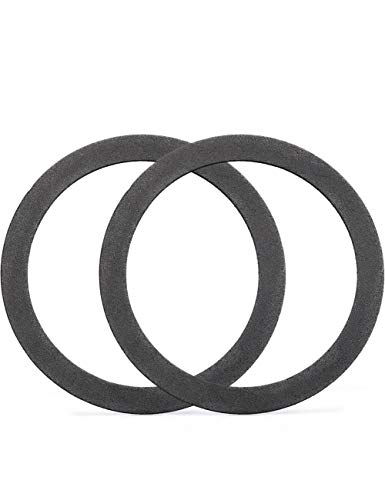
KONE Strainer Gasket Seal Ring 2-Pack for 3.5″ Kitchen Sink
- ✓ Easy to install
- ✓ Fits standard sizes
- ✓ Durable foam material
- ✕ May need re-tightening over time
- ✕ Only fits 3.5-inch drains
| Size | Fits standard 3-1/2 inch (89 mm) kitchen basket strainers |
| Material | High-quality foam |
| Application | Sealing sink drain connections and preventing leaks |
| Quantity | 2 gasket rings per pack |
| Compatibility | Universal for all standard 3.5-inch kitchen sink strainers |
| Function | Stops leaks under sink and facilitates sink drain repairs |
Last weekend, I was tackling a stubborn leak under my kitchen sink, and I realized the old gasket was worn out beyond recognition. I reached into my toolbox and pulled out this KONE Strainer Gasket Seal Ring 2-Pack, noticing how perfectly it fit the 3.5-inch basket strainer I had.
It’s a simple piece, but I could tell right away it was made of quality foam that felt sturdy and flexible.
Installing it was straightforward. I just removed the old gasket, cleaned the surface, and pressed this new one into place.
The foam compressed nicely, creating a tight seal around the drain. It didn’t slip or shift during installation, which made me feel confident it would hold up.
Once in place, I ran some water to check for leaks. No drips, no mess, just a clean seal.
The foam’s material seems durable enough to handle everyday wear and tear, and I appreciate the fact that it’s designed for standard 3-1/2 inch drains—fits my setup perfectly.
After a few days of use, I haven’t had any issues. The gasket remains secure, and the leak problem is entirely resolved.
If you’re tired of water pooling under your sink or dealing with persistent drips, this gasket might just be the quick fix you need. Plus, having two means I can keep one handy for future repairs or replacements.
Overall, this gasket is a simple but effective solution that solves a common problem. It’s affordable, easy to install, and seems built to last.
Just keep in mind that foam gaskets require proper installation to prevent leaks, but if you follow the steps, you’ll be good to go.
What is a Kitchen Sink Gasket and Why is It Important?
A kitchen sink gasket is a critical component designed to provide a watertight seal between the sink and its plumbing fixtures, such as the drain assembly or faucet. It is typically made of rubber or silicone and functions to prevent leaks and water damage in the kitchen area.
According to the International Association of Plumbing and Mechanical Officials (IAPMO), gaskets are essential for ensuring proper sealing and functionality in plumbing systems, highlighting their role in preventing leaks and maintaining sanitary conditions.
Key aspects of kitchen sink gaskets include their material composition, size, and fitting. Rubber gaskets are commonly used due to their durability and resistance to water and heat. Silicone gaskets offer superior flexibility and can withstand extreme temperatures, making them ideal for various kitchen environments. Proper sizing is crucial, as an incorrect fit can lead to ineffective sealing and potential leaks. Additionally, gaskets come in various forms, including flat, O-ring, and cone shapes, each suited for specific applications.
The importance of a kitchen sink gasket cannot be overstated, as leaks can lead to extensive water damage, mold growth, and costly repairs. According to the Environmental Protection Agency (EPA), household leaks can waste nearly 1 trillion gallons of water annually in the U.S., emphasizing the need for effective sealing solutions. A functioning gasket helps maintain the integrity of the kitchen, contributing to a cleaner and safer environment.
In terms of impacts, a reliable kitchen sink gasket can enhance the lifespan of plumbing fixtures, reduce water waste, and lower utility bills. It also plays a vital role in maintaining hygiene in the kitchen, as leaks can foster bacterial growth and create unsanitary conditions. The financial implications of replacing damaged cabinetry or flooring due to leaks can be substantial, making the role of gaskets even more critical.
To ensure optimal performance, best practices for kitchen sink gaskets include regular inspection for wear and tear, proper installation, and replacement when necessary. Homeowners should also consider using high-quality gaskets that meet industry standards to enhance durability and performance. Additionally, consulting with plumbing professionals can help in selecting the best kitchen sink gasket tailored to specific needs and configurations.
What Types of Kitchen Sink Gaskets Are Available?
The main types of kitchen sink gaskets available are:
- Rubber Gaskets: These are flexible and durable seals that provide excellent water resistance and can accommodate slight variations in sink and countertop surfaces.
- Silicone Gaskets: Known for their high resilience and ability to withstand temperature fluctuations, silicone gaskets create a strong, waterproof seal that is less prone to cracking over time.
- Foam Gaskets: These gaskets are lightweight and easy to install, offering a decent seal for sink installations, but may not be as long-lasting as rubber or silicone options.
- Metal Gaskets: Usually made from stainless steel, these gaskets are durable and provide a high level of resistance to wear and tear, making them suitable for heavy-duty applications.
Rubber gaskets are commonly used due to their elasticity and ability to create a tight seal, making them ideal for standard kitchen sink installations. They adapt well to uneven surfaces, helping to prevent leaks effectively.
Silicone gaskets are favored for their longevity and flexibility, allowing them to endure extreme temperatures without losing their sealing properties. Their resistance to mold and mildew also makes them a popular choice for kitchens.
Foam gaskets are typically used for less demanding applications, as they are easy to cut and install. However, while they provide a satisfactory seal, they may not last as long as other materials under constant exposure to water.
Metal gaskets, particularly those made from stainless steel, are recognized for their strength and durability. They are often used in commercial kitchens or high-use residential settings where a robust sealing solution is necessary to prevent leaks and damage.
How Does a Rubber Kitchen Sink Gasket Compare to a Silicone Kitchen Sink Gasket?
| Feature | Rubber Gasket | Silicone Gasket |
|---|---|---|
| Material | Made from natural or synthetic rubber, offering flexibility. | Composed of silicone, providing heat resistance and elasticity. |
| Durability | Generally durable but can deteriorate over time with exposure to water. | Highly durable, resistant to mold, mildew, and temperature changes. |
| Ease of Installation | Simple to install; fits well and can be cut to size if needed. | Easy to install; adheres well and often comes in pre-cut sizes. |
| Cost | Usually less expensive, making it an economical choice. | Higher price point, reflecting its advanced properties and longevity. |
| Water Resistance | Good water resistance but may lose effectiveness over time. | Excellent water resistance, maintaining seal integrity for longer. |
| Environmental Impact | Can be less eco-friendly due to rubber production processes. | Generally more environmentally friendly, often made from recyclable materials. |
| Compatibility with Sink Materials | Compatible with most sink materials but may require additional sealing. | Highly compatible with various sink materials, providing a strong seal. |
What Factors Should You Consider When Choosing the Best Kitchen Sink Gasket?
When choosing the best kitchen sink gasket, several important factors should be considered to ensure a proper fit and long-lasting performance.
- Material: The material of the gasket plays a crucial role in its durability and resistance to wear and tear. Common materials include rubber, silicone, and foam, each offering different levels of flexibility and water resistance, which can affect the longevity of the gasket.
- Size and Compatibility: It is essential to select a gasket that matches your sink’s dimensions and the specific plumbing setup. Measure the sink drain opening and check compatibility with your sink model to avoid leaks and ensure a proper seal.
- Thickness: The thickness of the gasket can impact both its sealing capability and ease of installation. A thicker gasket may provide a better seal but can also be more difficult to fit, while a thinner gasket might be easier to work with but could compromise the seal over time.
- Temperature Resistance: Consider the temperature range that the gasket will be exposed to, especially in kitchens where hot water is frequently used. Choose a gasket that can withstand high temperatures to prevent deterioration and maintain its sealing properties.
- Ease of Installation: Some gaskets are designed for easy installation, which can save time and effort during setup. Look for gaskets that come with clear installation instructions or pre-formed designs that fit snugly into place without extensive modifications.
- Brand Reputation and Reviews: Researching the brand and reading customer reviews can provide insights into the quality and reliability of the gasket. Opting for well-known brands with positive feedback can help ensure that you are investing in a reliable product.
- Cost: Budget is always a consideration when choosing a gasket. While it’s important to find a cost-effective option, investing a little more in a high-quality gasket can save you money in the long run by reducing leaks and the need for frequent replacements.
How Does Size and Fit Impact Gasket Performance?
The size and fit of a gasket are crucial factors that significantly impact its performance in a kitchen sink application.
- Correct Sizing: A gasket that is too small will not provide an adequate seal, leading to leaks and potential water damage, while one that is too large may not fit securely, causing it to dislodge easily.
- Material Compatibility: The material of the gasket must also be considered in relation to the size and fit; certain materials may expand or contract with temperature changes, affecting how well they seal in a particular size.
- Installation Precision: Proper installation is vital; even a well-sized gasket can fail if not installed correctly, as misalignment can create gaps that allow water to escape.
- Compression Ability: The gasket must be able to compress adequately when the sink is installed, ensuring that it conforms to the surfaces it is sealing against, which is essential for maintaining a watertight seal.
- Durability and Wear: A gasket that fits correctly and is made from durable materials will withstand regular use and exposure to water without degrading, thus maintaining its sealing properties over time.
What Materials Offer the Best Durability for Kitchen Sink Gaskets?
The materials that offer the best durability for kitchen sink gaskets include:
- Silicone: Silicone gaskets are highly flexible and resistant to temperature changes, making them an excellent choice for kitchen sinks that experience frequent hot water exposure. They also provide a strong seal against leaks and are less likely to degrade over time compared to other materials.
- Rubber: Rubber gaskets are well-known for their durability and resistance to wear and tear. They are effective in sealing joints and preventing leaks, though they may not withstand extreme temperatures as well as silicone.
- Neoprene: Neoprene is a synthetic rubber that offers excellent resistance to oil, water, and other chemicals, making it a popular choice for kitchen sink gaskets. Its durability and flexibility help maintain a tight seal, even in varying conditions.
- Foam: Foam gaskets, often made from closed-cell materials, provide excellent cushioning and sealing properties. They are lightweight and can conform to uneven surfaces, but may not last as long as silicone or rubber in high-temperature environments.
- EPDM (Ethylene Propylene Diene Monomer): EPDM is a type of synthetic rubber known for its outstanding resistance to heat, ozone, and weathering. This makes it particularly suitable for outdoor kitchen sinks or areas that may be exposed to harsh conditions.
What Are the Common Signs That Your Kitchen Sink Gasket Needs Replacement?
Common signs that your kitchen sink gasket needs replacement include:
- Water Leaks: If you notice water pooling around the base of your sink or dripping underneath, it may indicate that the gasket is worn out and no longer creating a proper seal.
- Corrosion or Staining: Visible corrosion or staining on the sink area around the gasket can suggest that the gasket is deteriorating, allowing moisture to seep through and cause damage.
- Unpleasant Odors: Foul smells emanating from the sink area may be a result of trapped food particles or stagnant water due to a failing gasket, which can prevent proper drainage.
- Visible Wear and Tear: Inspecting the gasket for cracks, fraying, or other signs of damage can help you determine if it needs to be replaced; any visible deterioration should be addressed promptly.
- Increased Water Bills: If your water bill has suddenly increased without a clear reason, it may be due to leaks from a faulty gasket, which can lead to unnoticed water loss over time.
Water leaks are often the most noticeable sign, as they can lead to water damage if not addressed. A gasket that is no longer effective will allow water to escape, resulting in both structural issues and potential mold growth.
Corrosion or staining typically indicates prolonged moisture exposure, which can compromise the integrity of your sink and cabinetry below. Addressing this issue early by replacing the gasket can save you from more extensive repairs in the future.
Unpleasant odors can be a sign that stagnant water is accumulating due to a leak or blockage, which can create an unsanitary environment. A failing gasket can hinder proper drainage, increasing the likelihood of odor issues.
Visible wear and tear on the gasket, such as cracks or fraying, is a clear indicator that it is time for a replacement. Regular inspections can help you catch this early and prevent further damage.
Increased water bills can be a subtle warning sign that something is amiss, particularly if you have not changed your water usage habits. A faulty gasket can lead to leaks that contribute to unnecessary water consumption, impacting your budget.
How Can You Properly Install a Kitchen Sink Gasket for Optimal Performance?
Installing a kitchen sink gasket correctly is essential for preventing leaks and ensuring optimal performance.
- Choose the Right Gasket: Selecting the best kitchen sink gasket is crucial for a tight seal. Gaskets come in various materials such as rubber, silicone, and foam, each offering different levels of durability and flexibility, so it’s important to choose one that suits your sink’s design and installation type.
- Clean the Surface: Before installation, thoroughly clean the area where the gasket will be placed. Removing any old sealant, grime, or debris ensures that the new gasket will adhere properly and create a watertight seal, reducing the risk of leaks.
- Position the Gasket: Carefully position the gasket around the sink’s drain hole or mounting area. Make sure it is evenly aligned and fits snugly without any gaps, as misalignment can lead to leaks and water damage over time.
- Secure the Gasket: Once positioned, secure the gasket in place according to the manufacturer’s instructions. This may involve tightening screws or bolts, but it’s important not to overtighten, as this can compress the gasket too much and compromise its sealing ability.
- Test for Leaks: After installation, run water through the sink to check for leaks. Inspect the area around the gasket for any signs of moisture; if a leak is detected, reassess the gasket’s placement and ensure it is properly sealed.
- Regular Maintenance: Periodically check the gasket for wear and tear, especially in high-use kitchens. Regular maintenance can prevent leaks and ensure the longevity of your sink installation, contributing to overall kitchen performance.
What Are the Top Brands for Kitchen Sink Gaskets and Their Unique Features?
The top brands for kitchen sink gaskets include:
- Moen: Moen gaskets are known for their durability and high-quality materials, often designed to withstand high temperatures and harsh cleaning agents.
- Kohler: Kohler’s gaskets feature innovative designs that ensure a watertight seal while being easy to install and replace, providing long-lasting performance.
- Delta: Delta gaskets are engineered with advanced rubber compounds that offer flexibility and resistance to wear, making them ideal for frequently used sinks.
- American Standard: American Standard gaskets are recognized for their reliability and compatibility with a wide range of sink models, ensuring a snug fit and leak prevention.
- Sinkology: Sinkology specializes in handcrafted sink accessories, including gaskets that are designed specifically for their unique sink designs, ensuring both functionality and aesthetics.
Moen gaskets typically incorporate advanced rubber materials that resist cracking and provide a lasting seal, making them perfect for busy kitchens. Their products also often come with a limited lifetime warranty, adding value for consumers looking for dependable options.
Kohler’s gaskets are engineered with precision and often feature a unique design that simplifies installation. Their products are made to withstand various kitchen conditions, including temperature fluctuations and exposure to chemicals, ensuring longevity and effectiveness.
Delta gaskets are made from high-quality rubber that provides excellent resilience and adaptability, making them suitable for a variety of sink types. They also emphasize ease of installation, which is a significant advantage for DIY enthusiasts.
American Standard gaskets offer a combination of affordability and performance, catering to a broad audience. Their compatibility with many sink brands ensures that consumers can find the right fit without hassle.
Sinkology focuses on aesthetic details alongside functionality, designing gaskets that complement their handcrafted sinks. This attention to design also allows for easy maintenance and replacement, ensuring that both form and function are preserved in kitchens.
Related Post: