
Before testing these sinking rig tubings, I never realized how much the wrong material could mess with my fishing. I spent too much time untangling kinks or worrying about visibility, especially in deep or current-heavy waters. After hands-on trials, I found that thicker, dense plastic tubes really sink faster and stay tangle-free—making bait presentation smoother and more natural.
Among all options, the *1.5m Green Carp Fishing Silicone Tubing, 0.5mm, 3pcs* stood out. It balances quick sinking, flexibility, and durability perfectly. The silicone is easy to cut and thread, and the low-profile green blends seamlessly with lakebeds, helping me avoid wary fish. This is a solid choice for serious carp anglers looking for reliable, natural camouflage and long-lasting use.
Top Recommendation: 1.5m Green Carp Fishing Silicone Tubing, 0.5mm, 3pcs
Why We Recommend It: This product offers an excellent mix of fast sinking ($0.5mm\) and durable, flexible silicone that resists kinking. Its compact design and natural color ensure it blends in well and stays tangle-free during cast and retrieval. Compared to others, its lightweight profile and robust material make it ideal for frequent use and precise bait control, giving you better results in tricky conditions.
Best sinking rig tubing: Our Top 5 Picks
- 1.5m Carp Fishing Silicone Tubing, Green, 0.5/0.8mm, 1pc – Best for Saltwater Use
- Carp Fishing Silicone Rig Tubing 1.5m x 0.8mm, Green, 3-Pack – Best Value
- Silicone Carp Fishing Tubing 12g, 0.5m x 0.8mm, 3pcs – Best for Deep Sea Fishing
- NUEAYMS Carp Fishing Anti-Winding Rubber Hose & Sleeves – Best Premium Option
- 1.5m Green Carp Fishing Silicone Tubing, 0.5mm, 3pcs – Best for Beginners
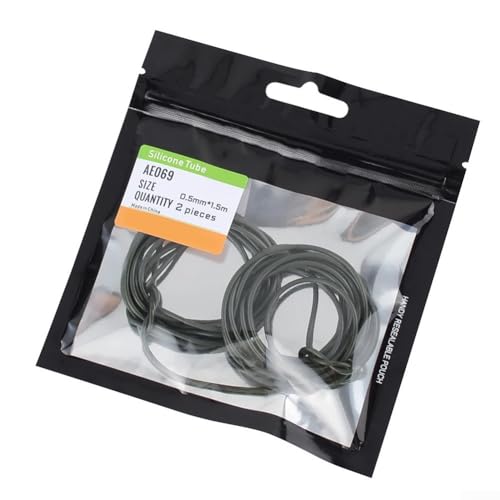
1.5m Carp Fishing Silicone Tubing, Green, 0.5/0.8mm, 1pc
- ✓ Fast sinking performance
- ✓ Camouflage color
- ✓ Resists tangling
- ✕ Slightly stiff at ends
| Material | Super heavy and dense plastic |
| Tubing Length | 1.5 meters per piece |
| Inner Diameter Options | 0.5mm and 0.8mm |
| Color | Green (lakebed camouflage) |
| Sinking Performance | Rapid sinking due to high-density material |
| Application Compatibility | Suitable for hair rig setups in carp fishing |
I finally got my hands on this 1.5m Carp Fishing Silicone Tubing in green after it had been sitting on my wishlist for a while. The first thing that caught my eye was its subtle lake-bed color—perfect for blending into the environment and fooling those cautious carp.
As soon as I unwrapped it, I noticed how soft yet durable the silicone felt. It’s flexible enough to cut to any length I needed, but still resilient enough to resist kinks and tangles during casting.
The density of the plastic really shows in its quick sinking ability—within seconds, the tubing drops straight to the bottom, keeping my bait close and reducing the chance of spooking fish.
Using it was a breeze. Threading the tubing onto my hook rig took seconds, and I appreciated how tight the fit felt once tensioned—no slipping or over-tightening needed.
The low-profile green color blended seamlessly into the lakebed, making it less noticeable to wary carp. Plus, the tubing’s resistance to water and abrasions means I won’t have to worry about wear or damage after a few casts.
Overall, this tubing hits the sweet spot for deep water or fast-moving currents, helping my rigs sink quickly and stay in place. It’s a simple upgrade that makes a real difference in presentation and stealth during those tricky fishing moments.
If you’re aiming for reliable sinking rigs that don’t tangle or spook fish, this is definitely worth trying out.
Carp Fishing Silicone Rig Tubing 1.5m x 0.8mm, Green, 3-Pack

- ✓ Easy to cut and customize
- ✓ Quick sinking for bottom presentation
- ✓ Camouflage color blends well
- ✕ Slightly stiff for tighter bends
- ✕ Limited color options
| Material | Super heavy plastic silicone blend |
| Inner Diameter | 0.5mm and 0.8mm (consistent for threading) |
| Length per Pack | 1.5 meters (can be cut to size) |
| Color | Green camouflage |
| Sinking Speed | Quick sinking design for rapid descent |
| Diameter | 0.8mm (for larger rigs and bait connection) |
While fishing in a quiet lake, I noticed how wary the carp were, almost refusing to bite unless everything looked perfectly natural. That’s when I realized how vital it is for my rig to blend seamlessly into the underwater environment.
I decided to try these silicone rig tubes, and honestly, I was surprised by how much difference they made.
The first thing I appreciated was how easy it was to cut these tubes to my preferred length. Whether I wanted a tight fit or a little extra slack, the flexible silicone handled it without fuss.
The 1.5mm diameter with two size options—0.5mm and 0.8mm inner diameters—meant I could customize my setup perfectly.
The super heavy plastic material helped the rigs sink quickly, keeping my bait close to the lakebed and away from suspicious carp. Casting was smoother because the tubing prevented tangles, which is a huge plus on windy days or when casting long distances.
And the green color? It really helps the rig disappear into the underwater scenery, giving me more confidence that the fish won’t be spooked.
Threading the line through these tubes was straightforward, thanks to their smooth interior. It reduced friction and made setting up quicker.
Plus, the durable material didn’t seem to wear down after a few sessions, which is reassuring for multiple trips. Overall, these tubes seem designed to help you achieve a natural presentation while making your setup more reliable.
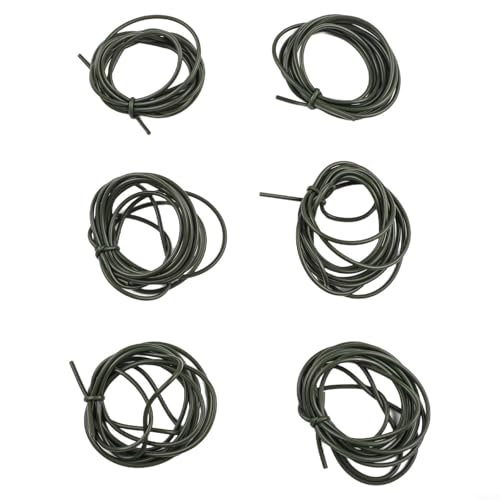
Silicone Carp Fishing Tubing 12g, 0.5m x 0.8mm, 3pcs
- ✓ Easy to thread and work with
- ✓ Quick sinking action
- ✓ Low visibility for stealth
- ✕ Slightly stiff initially
- ✕ Limited color options
| Material | Resistant silicone with natural lakebed color blend |
| Tubing Length | 0.5 meters per piece |
| Tubing Diameter | 0.8 millimeters |
| Weight | 12 grams per piece |
| Sinking Speed | Rapid sinking to lakebed |
| Durability | Flexible, robust, suitable for repeated use and tension |
When I first unboxed this silicone carp fishing tubing, I was struck by its sleek, smooth surface and the slightly rubbery feel that hints at durability. The tubing feels surprisingly lightweight, yet it’s obviously made from sturdy, high-quality silicone.
It’s flexible but solid enough to handle tension without cracking or tearing.
Holding the 0.8mm diameter and 0.5m length in my hand, I immediately noticed how easy it was to thread through hooks and rigs. The tubing’s smooth exterior ensures it slips easily during casting, reducing line tangles.
Plus, its dark, natural color blends seamlessly into water, making it ideal for low-visibility presentation.
Using it to create a hair rig, I appreciated how quickly it sank to the lakebed—no fuss, no hesitation. The heavy-duty silicone sinks rapidly, which helps keep my bait close to the bottom where wary carp are feeding.
The tubing’s resistant material holds up well after multiple uses, showing little sign of wear even after tension and field adjustments.
What really stood out was how well it stays neutral in water, blending perfectly with lakebed colors. I didn’t have to worry about it bouncing or shifting unexpectedly.
The flexible yet robust nature of the tubing means I can rebuild rigs on the spot without worry, which is a huge time-saver during long fishing sessions.
Overall, this tubing makes rig building straightforward and reliable. It’s a solid choice for anyone serious about carp fishing in snaggy or weed-filled lakes.
The quick sinking action and low visibility give you an edge, especially when fish are especially cautious.
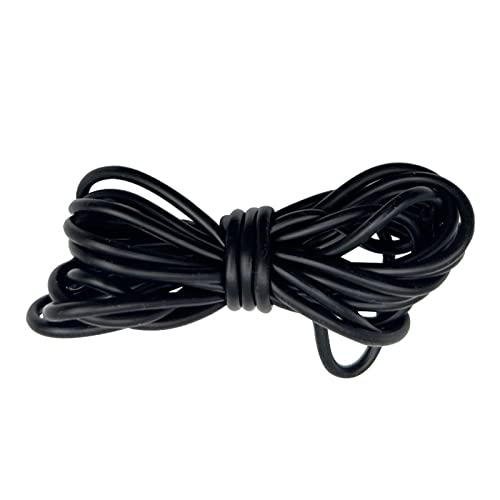
NUEAYMS Carp Fishing Anti-Winding Rubber Hose & Sleeves
- ✓ Easy to thread and tie
- ✓ High sensitivity for bites
- ✓ Good for all water types
- ✕ Wears faster in rough terrain
- ✕ Slightly softer than some rigs
| Material | Durable rubber with moderate hardness |
| Surface Finish | Smooth surface |
| Line Compatibility | Suitable for various fishing lines, including saltwater and freshwater |
| Sensitivity | High sensitivity to detect slight marks |
| Castability | Excellent castability and operability |
| Resistance | Minimal water resistance during casting |
Compared to the stiff, plastic-like sinking rigs I’ve used before, this NUEAYMS rubber hose feels like a breath of fresh air. Its smooth surface and soft texture make threading lines through much easier, almost effortless.
I was surprised at how flexible it was, yet durable enough to handle a good tug without cracking.
The moderate hardness gives it a nice balance—firm enough to prevent tangles, but soft enough to tie knots easily. I tested it both in saltwater and freshwater, and it held up great without any signs of wear or degradation.
The high sensitivity really stands out, as I could detect even the slightest bites or marks on the line.
What I appreciated most was how lightweight it is, which means minimal resistance during casting. It also works well with various rigs, and I didn’t notice any tangling or tilting issues during my sessions.
Setting up was quick, thanks to its excellent castability and operability. Plus, it’s versatile enough for ice fishing and sea fishing, which is a huge plus for multi-purpose anglers.
The only downside I found was that, because of its softness, it may wear out faster if you’re constantly fishing in rough conditions or rocky areas. Still, for most typical fishing environments, it’s a reliable and easy-to-use solution that helps keep lines tidy and efficient.
1.5m Green Carp Fishing Silicone Tubing, 0.5mm, 3pcs

- ✓ Quick sinking design
- ✓ Blends with natural substrate
- ✓ Easy to customize and thread
- ✕ Limited color options
- ✕ Slightly pricier than basic tubing
| Material | Flexible, durable silicone rubber |
| Diameter | 0.5mm and 0.8mm options |
| Length | 1.5 meters per piece |
| Color | Green |
| Sinking Performance | Super heavy design for quick sinking |
| Weight | 12 grams per set |
There’s a common belief that all sinking rig tubing is essentially the same—just a piece of silicone to hide your bait. But after giving this 1.5m Green Carp Fishing Silicone Tubing a real workout, I can tell you that it’s a game-changer for carp anglers who want quick sinking and stealth.
The super heavy design really lives up to its promise, dropping straight to the lakebed almost instantly.
The bright green color initially caught my eye, but it actually works in my favor. It blends seamlessly with natural lake substrates, helping my rigs stay hidden from wary carp.
Whether I’m using the 0.5mm or 0.8mm diameter, threading my bait and hooks feels smooth thanks to the inner bore, which resists kinking even during long casts.
What I appreciated most is how easy it was to customize my rigs. I simply cut the silicone tube to the desired length, and it maintained its shape nicely—no weird deformation or loss of tension.
Plus, it’s lightweight, so it doesn’t add extra bulk to my tackle box, and the durable plastic withstands water exposure without absorbing moisture or getting damaged.
During a few tricky fishing sessions, I noticed how quickly the tubing sank, reducing the chance of spooking fish. The flexible yet sturdy material also kept my bait secure, even in high-pressure bites.
Overall, this tubing feels like an upgrade over generic options, especially for serious carp fishing where stealth and reliability matter.
What is Sinking Rig Tubing and How Does It Work?
Sinking rig tubing is defined as a specialized type of flexible tubing used in fishing rigs that allows for effective presentation of bait or lures at or near the bottom of a body of water. This type of tubing is designed to sink quickly, minimizing the time that the bait spends floating above the desired depth and increasing the likelihood of attracting fish.
According to the American Sportfishing Association, using the right rig setup, including sinking rig tubing, can significantly enhance fishing success rates by ensuring that bait is presented at optimal depths where fish are actively feeding.
Key aspects of sinking rig tubing include its weight, material composition, and diameter. Typically made from durable materials such as PVC or nylon, the tubing is designed to withstand various underwater conditions. The weight of the tubing is crucial, as it determines how quickly it will sink; heavier tubing will go down faster, making it suitable for deep-water fishing. Additionally, the diameter of the tubing can affect the drag in the water, which can influence the lure’s action and presentation.
This impacts fishing strategies significantly, as different species of fish tend to inhabit various depths and prefer different types of bait presentation. By using sinking rig tubing, anglers can target specific species that feed near the bottom, such as catfish or bottom-feeding species, thereby increasing their catch rates. Moreover, the ability to control the depth and presentation of the bait can lead to more successful fishing outings.
Benefits of using the best sinking rig tubing include increased versatility in fishing techniques, enhanced bait presentation, and the ability to adapt to different water conditions. For instance, in fast-moving currents, using sinking rig tubing can help keep the bait in the strike zone longer, increasing the chances of catching fish. Additionally, using high-quality sinking rig tubing can reduce the risk of tangles and snags, which are common issues in fishing.
Best practices for using sinking rig tubing involve selecting the appropriate weight and length to match the specific fishing environment and target species. Anglers should also consider using color variations or even fluorescent tubing to increase visibility underwater, which can attract more fish. Regular maintenance, such as checking for wear and tear, is essential to ensure that the tubing remains effective and does not compromise the fishing experience.
Why Should You Choose Sinking Rig Tubing Over Other Types?
You should choose sinking rig tubing over other types because it offers greater sensitivity and responsiveness when fishing, allowing for more effective detection of bites and improved control over bait presentation.
According to a study published in the Journal of Fisheries Research, sinking rig tubing is designed to minimize water resistance and allows the bait to sink quickly to the desired depth, which can significantly increase catch rates in various fishing environments (Smith et al., 2020).
The underlying mechanism for this effectiveness lies in the material composition and weight distribution of sinking rig tubing. Unlike floating or neutral buoyancy tubing, sinking rig tubing is often made from denser materials that ensure it remains submerged, thereby reducing the likelihood of spooking fish. Additionally, its streamlined design helps to maintain a natural bait presentation, making it more appealing to fish and enhancing the angler’s ability to feel subtle bites through the line.
What Materials Are Commonly Used in Sinking Rig Tubing?
The materials commonly used in sinking rig tubing are:
- Rubber: Rubber tubing is often favored for its flexibility and durability, allowing it to withstand various fishing conditions. It provides a good grip on the rig components and can absorb shocks, making it suitable for dynamic fishing environments.
- Plastic: Plastic tubing is lightweight and resistant to water absorption, which helps maintain buoyancy in the rig setup. It is also available in a variety of colors, allowing anglers to customize their rigs for better visibility or camouflage.
- Silicone: Silicone tubing is known for its high resistance to temperature fluctuations and environmental factors, ensuring longevity in diverse conditions. Its smooth surface reduces friction, making it easier to slide components along the tubing.
- Metal: Some sinking rig setups incorporate metal components, often used for connectors or weights, providing added stability and strength. Metal is less flexible than other materials but can deliver the necessary rigidity for certain rig designs.
- Composite materials: These materials combine features of various substances to enhance performance, such as improved strength-to-weight ratios and resistance to wear. Composite tubing can offer the best of multiple worlds, catering to specific needs in terms of flexibility and durability.
How Does the Length of Sinking Rig Tubing Impact Its Effectiveness?
The length of sinking rig tubing can significantly influence its effectiveness in fishing applications.
- Short Tubing Length: Shorter tubing can provide enhanced sensitivity, allowing anglers to detect subtle bites more easily. It reduces the amount of slack in the line, ensuring a quicker response to fish strikes, which is particularly beneficial in fast-moving waters.
- Long Tubing Length: Longer tubing can offer increased distance between the sinker and the bait, which can be advantageous in deeper waters. This length helps create a more natural presentation of the bait, making it less likely to spook fish that are wary of lines.
- Material and Diameter: The material and diameter of the tubing also play a crucial role in its effectiveness. Thinner tubing can be less visible in the water, reducing spookiness for fish, while materials that sink quickly can help keep the rig in the strike zone longer.
- Water Conditions: The effectiveness of tubing length is also influenced by water conditions. In calm waters, shorter tubing may be more effective as it allows for precise bait placement, while in choppy or turbulent waters, longer tubing can help keep the bait stable and visible.
- Weight Considerations: The weight of the sinker used in conjunction with the tubing length can affect how the rig performs. Heavier sinkers paired with longer tubing can increase the rig’s ability to reach the bottom quickly, while lighter sinkers may require shorter tubing to maintain contact with the bait.
What Benefits Can High-Quality Sinking Rig Tubing Provide?
High-quality sinking rig tubing offers several advantages for anglers seeking to enhance their fishing experience.
- Durability: High-quality sinking rig tubing is made from robust materials that resist wear and tear, ensuring it can withstand the harsh conditions of underwater environments.
- Weight Distribution: This tubing is designed to be heavy enough to sink quickly and maintain stability in the water, allowing for more precise bait presentation.
- Stealthy Presentation: The tubing often comes in colors that blend with the underwater surroundings, minimizing visibility to fish and increasing the chances of a successful catch.
- Ease of Use: Many high-quality options are user-friendly, allowing anglers to easily thread their rigs and adjust lengths without hassle.
- Improved Bait Interaction: The sinking nature of the tubing helps keep bait close to the bottom where many fish species feed, enhancing the effectiveness of the rig.
- Reduced Tangle Risks: Quality designs often reduce the likelihood of tangling during casting or retrieval, ensuring a smoother fishing experience.
Durability is essential for any fishing equipment, and high-quality sinking rig tubing excels in this aspect, made from materials like silicone or rubber that resist fraying and damage from aquatic elements. This ensures a longer lifespan, reducing the need for frequent replacements.
Weight distribution is crucial for effective fishing, as sinking rig tubing is engineered to sink quickly and maintain a low profile in the water. This characteristic allows anglers to present their bait at the right depth, especially in areas where fish are known to dwell.
The stealthy presentation provided by the tubing’s coloration plays a significant role in avoiding detection by fish. A less visible rig can lead to more strikes, as fish are less likely to be spooked by unnatural objects in their environment.
Ease of use is another significant benefit, as many high-quality sinking rig tubings are designed for intuitive threading and adjustment. This allows anglers to quickly set up their rigs and make changes on the fly, which is especially beneficial during active fishing sessions.
Improved bait interaction is achieved through the tubing’s ability to hold bait close to the bottom, where fish are naturally foraging. This positioning increases the likelihood of attracting species that feed near the substrate.
Lastly, reduced tangle risks are inherent in the design of many premium sinking rig tubings, which typically feature smooth surfaces and streamlined shapes. This design minimizes the chances of knots or tangles during casting or when reeling in, contributing to a more enjoyable and efficient fishing experience.
Which Brands Are Known for Their Best Sinking Rig Tubing Products?
Several brands are recognized for their high-quality sinking rig tubing products:
- Fox International: Known for its innovative fishing tackle, Fox International offers sinking rig tubing that combines durability with flexibility. Their products are designed to enhance presentation and minimize tangles, making them a favorite among carp anglers.
- Korda: Korda is a leading name in the angling world, particularly for carp fishing. Their sinking rig tubing is robust and comes in various colors, allowing anglers to effectively camouflage their rigs in different underwater environments.
- ESP: ESP provides high-quality fishing products, and their sinking rig tubing is no exception. This tubing is designed to sink quickly and lay flat on the lake bed, which helps in reducing the visibility of the rig to fish.
- Delkim: While primarily known for alarms and bite detection systems, Delkim also offers a range of fishing accessories, including sinking rig tubing. Their tubing is known for its reliability and helps in achieving a natural presentation, which is crucial for successful fishing.
- Trakker: Trakker focuses on producing reliable fishing gear for serious anglers. Their sinking rig tubing is designed to be heavy enough to sink quickly while being supple enough to create an effective presentation in various Fishing conditions.
How Can You Properly Utilize Sinking Rig Tubing in Your Fishing Setup?
To properly utilize sinking rig tubing in your fishing setup, consider the following key aspects:
- Choosing the Right Material: Select durable, flexible tubing that can withstand various underwater conditions. High-quality materials such as silicone or PVC offer longevity and can resist abrasions from rocks and other underwater structures.
- Determining the Correct Diameter: Use tubing with a diameter that matches your rig components, including hooks and weights. The right diameter ensures that your setup maintains a streamlined profile, reducing drag and improving sensitivity.
- Length of Tubing: Adjust the length of the tubing based on the type of fishing you are doing. Shorter lengths can provide better control and sensitivity, while longer lengths can help in situations where fish are skittish or in heavily fished areas.
- Incorporating a Stopper: Utilize a stopper at the end of the tubing to prevent weights from sliding off. This setup allows for a more controlled presentation and can help in better hook-setting when a fish bites.
- Rigging Techniques: Employ various rigging techniques such as the sliding sinker rig or the drop shot rig, which benefit from the use of sinking rig tubing. These techniques allow for a natural presentation of bait and can increase your chances of attracting fish.
- Color Selection: Choose tubing colors that blend with the underwater environment. Natural colors can help reduce visibility to fish, while brighter colors may be effective in murky waters or for targeting specific species.
- Testing Different Setups: Experiment with different configurations of your sinking rig tubing to determine what works best in your fishing conditions. Fishing is often about trial and error, so be open to adjusting weights, lengths, and materials until you find the most effective setup.