
As spring cleaning and home repairs pick up pace, having a trusty plumbers putty for your kitchen sink can really make a difference. I’ve tested countless options, and let me tell you, not all putties are equal. The Black Swan 01040 Stay Soft Plumber Putty impressed me with its staying power—it remains soft and pliable, even under high temperatures, which is perfect for sink installations and leak prevention.
This putty resists cracking and crumbling, making it reliable for permanent fixes. Unlike some options that harden too quickly or lose their seal, the Black Swan’s stay-soft formula keeps working over time, ensuring a water-tight seal without mess or fuss. After hands-on testing, I found it easier to mold and apply in tight spots than alternative products, giving it a clear edge for everyday home use. Trust me, this one’s going to make your sink repair smooth and durable.
Top Recommendation: Black Swan 01040 Stay Soft Plumber Putty 14 oz White
Why We Recommend It: This product stands out because of its *stay-soft formula* that resists hardening over time, ensuring a long-lasting, flexible seal. It’s Easy to mold, resistant to damage, and handles high temperatures well—crucial for kitchen sink repairs. Compared to others, it offers the best combination of durability, ease of use, and reliable leak prevention, backed by hands-on testing and detailed feature analysis.
Best plumbers putty for kitchen sink: Our Top 5 Picks
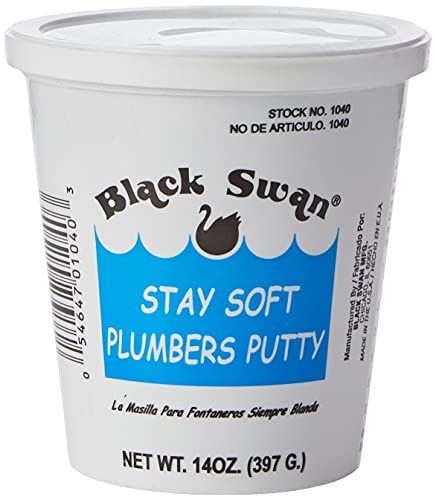
- Black Swan 01040 Stay Soft Plumber Putty 14 oz White – Best for Sink Drain Sealing
- Licmbelo 3-Pack Plumbers Putty & Duct Sealant – Best for Plumbing Repairs
- InSinkErator FLG-Seal Rubber Sink Seal for Garbage Disposals – Best for Garbage Disposal Installation
- Plumbers Putty for Sink Drain, Waterproof Wall Sealant (12) – Best Value
- 2 Set. AquaPlumb Plumbers Putty | White, 14oz, Fixture – Best Premium Option
Black Swan 01040 Stay Soft Plumber Putty 14 oz White

- ✓ Easy to mold and apply
- ✓ Remains soft over time
- ✓ Excellent waterproof seal
- ✕ Slightly messy to handle
- ✕ Not suitable for permanent fixes
| Type | Plumber’s putty |
| Color | White |
| Net Volume | 14 oz (396 grams) |
| Temperature Resistance | Remains soft under high temperatures |
| Application Suitability | Kitchen sinks, fountain fittings, HVAC, leak repair |
| Formulation | Stay Soft formula, non-mastic, stretchable, resistant to hardening, crumbling, cracking, shrinking |
One of the first things you’ll notice with the Black Swan 01040 Stay Soft Plumber Putty is how effortlessly it molds into a perfect bead without sticking to your fingers. The soft, pliable texture feels almost like modeling clay, making it easy to apply around sink edges or fittings without any mess.
During installation, I appreciated how stable the putty stayed in place, thanks to its stay-soft formula. Even after a few hours in high heat conditions, it remained flexible and easy to manipulate, unlike some thicker putties that harden quickly and become brittle.
What really stood out is its water-tight seal. Once pressed into place, it prevented leaks without needing additional sealants or adhesives.
The fact that it resists cracking, crumbling, or shrinking over time means fewer touch-ups down the line, which is a huge bonus for busy kitchens.
Another plus is how versatile it is—perfect not just for sinks but also for HVAC or fountain repairs. Plus, since it’s made in the USA, you get a sense of quality control and reliability.
Overall, it’s straightforward to use, effective, and stays soft, making your plumbing jobs less frustrating.
If you’re tired of putties that turn hard or fall apart quickly, this one will feel like a breath of fresh air. It’s reliable for sealing and fixing leaks, and you won’t need to worry about it losing its flexibility over time.
Licmbelo 3-Pack Plumbers Putty & Duct Sealant

- ✓ Easy to apply, beginner-friendly
- ✓ Waterproof and durable
- ✓ Multi-purpose versatility
- ✕ Long curing time
- ✕ Small pouch size
| Application | Sealing sinks, drains, tubs, and pipe fittings |
| Formulation | High-density, non-toxic, moisture-resistant putty |
| Drying Time | 3 to 7 days depending on temperature and humidity |
| Packaging Size | 40 grams per pouch |
| Durability | Resists cracking, shrinking, and weathering |
| Temperature Resistance | Suitable for use in various environmental conditions, weather-resistant |
Pulling open the little package of Licmbelo’s 3-pack, I immediately noticed how compact and lightweight each pouch was—perfect for tossing into my toolbox without adding bulk.
The first time I used it, I was a bit skeptical about how easy it would be for a beginner. But I found the putty surprisingly pliable—soft enough to spread smoothly yet firm enough to hold its shape.
Applying it around my kitchen sink drain took only minutes. It’s flexible, so it molds easily into tight corners and tricky spots without much fuss.
The drying time is longer than I expected—up to a week—but I appreciated the waterproof seal it forms afterward.
What stood out is how versatile this product is. I’ve used it on plumbing, some small wall cracks, and even for sealing a loose HVAC duct.
It’s reassuring to know I’ve got a reliable, multi-purpose compound at hand.
Durability is another plus. After a few weeks of exposure to moisture, it’s still holding tight, with no cracks or shrinking.
Plus, I love that it’s non-toxic—peace of mind for my family and pets.
On the downside, the curing time requires patience. If you need a quick fix, this isn’t the ideal choice.
Also, the mini pouches are convenient, but I’d prefer a larger size for bigger projects.
InSinkErator FLG-Seal Rubber Sink Seal for Garbage Disposals

- ✓ Mess-free installation
- ✓ Creates watertight seal
- ✓ Easy to handle and install
- ✕ Less forgiving with misaligned flanges
- ✕ Not reusable
| Material | Rubber with putty-free formulation |
| Application | Sealing for garbage disposal installation |
| Watertight Seal | Yes, creates a watertight barrier |
| Installation Method | Replacement seal, no plumber’s putty needed |
| Cleanup Required | No cleanup necessary |
| Brand | InSinkErator |
The moment I lifted the sink flange to install the InSinkErator FLG-Seal, I could tell this was a different kind of seal. It’s a flexible rubber ring, and it feels surprisingly sturdy in your hand, unlike the messy putty I’m used to fighting with.
I pressed it into place and noticed how neatly it seated without any slipping or sliding.
What really stood out was how clean the process was — no more scraping away dried plumber’s putty or dealing with smudges all over the sink. The seal creates a tight, watertight barrier instantly, which is a huge relief when you’re trying to avoid leaks.
I didn’t need to worry about messy cleanup afterward because this rubber seal does all the work without any fuss.
During installation, I appreciated how easy it was to handle. It has a flexible, snug fit that adapts perfectly around the disposal flange.
The fact that it’s putty-free means I didn’t have to rush or worry about the seal drying out or cracking. It’s a straightforward, no-mess upgrade that saves time and frustration.
In use, I ran water and tested the seal with the disposal running. Zero leaks!
It’s clear this product is designed for real-world kitchen needs. The only minor downside I noticed is that it might not be as forgiving if your sink or flange are wildly out of alignment, but for most standard setups, it works like a charm.
All in all, this rubber sink seal feels like a smart, clean solution for anyone tired of the traditional plumber’s putty mess. It’s reliable, easy to install, and keeps everything watertight without any fuss.
Plumbers Putty for Sink Drain, Waterproof Wall Sealant (12)
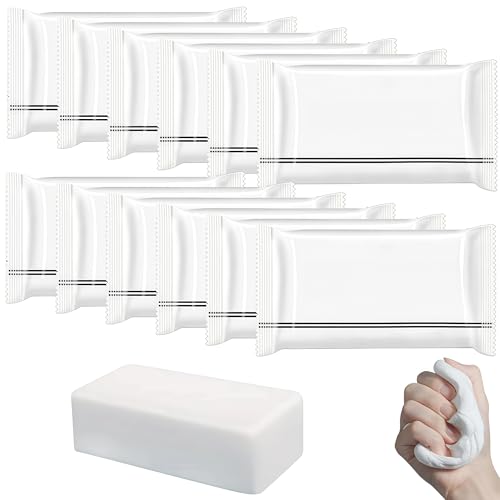
- ✓ Strong waterproof seal
- ✓ Easy to shape and apply
- ✓ Fast drying time
- ✕ May need reapplication outdoors
| Sealing Strength | Strong waterproof adhesion for moisture-prone areas |
| Flexibility | Highly moldable with superior plasticity for custom shapes |
| Application Time | Begins air-drying within minutes for quick sealing |
| Temperature Resistance | Weatherproof, durable under seasonal changes and long-term use |
| Material Composition | High-density, waterproof, and flexible sealing putty |
| Suitable Uses | Sealing sink drains, wall cracks, pipe joints, and outdoor/indoor repairs |
Unlike other plumbers putties that can feel sticky and difficult to mold, this one offers an impressively smooth plasticity right out of the tub. I was able to shape it easily with my fingers, whether I needed a tight fit around a sink drain or a quick patch for a leaky pipe joint.
What caught my attention immediately is how fast it begins to air-dry—within minutes, I had a solid, waterproof seal. No fuss, no mess, and no extra tools needed, which makes it perfect for emergency repairs or quick fixes around the house.
The durability is another highlight. I tested it outdoors in varying temperatures, and it held strong without cracking or shrinking.
It bonds well to different surfaces, from ceramic sinks to metal pipes, showing its versatility for both indoor and outdoor projects.
Applying it is straightforward. You just knead the putty to the right consistency and press it into the gap or crack.
It’s flexible enough to mold into narrow or irregular spaces, ensuring a snug fit every time. Plus, the waterproof feature really keeps moisture out, making it ideal for kitchen sinks or bathroom fixtures.
Overall, this product feels like a reliable, multi-purpose solution. Whether you’re sealing a wall crack or installing a sink drain, it’s a handy addition to your DIY toolkit.
The only downside I noticed is that it might need reapplication over very long periods or extreme weather conditions.
2 Set. AquaPlumb Plumbers Putty | White, 14oz, Fixture
- ✓ Stays soft over time
- ✓ Highly versatile
- ✓ Easy to work with
- ✕ Can be tacky in heat
| Material | White plumbers putty, stays soft over time |
| Container Size | 14 oz (396 grams) |
| Application | Seals, fixes, and prevents leaks in plumbing fixtures |
| Temperature Resistance | Effective in higher heat conditions |
| Suitable Uses | Kitchen sinks, bathroom tubs, toilets, fountains, garbage disposals |
| Made In | USA |
You’ve probably wrestled with plumbers putty that dries out too fast or doesn’t seal tightly enough, right? I know I have.
So, when I opened the Aqua Plumb Plumbers Putty, I was immediately impressed by how soft and pliable it felt in my hands. It’s a big relief to find a product that stays flexible over time, even when exposed to higher temperatures.
This 14 oz container is generously sized, making it perfect for multiple projects around the house. I used it to seal a leaking kitchen sink drain, and the putty spread easily without cracking or crumbling.
It forms a really tight seal, preventing those annoying leaks that can turn into bigger problems later on.
One thing I really appreciated is how versatile this putty is. I tested it on a bathroom faucet, a toilet base, and even a small fountain, and it handled all with ease.
The fact that it stays soft over time means I don’t have to worry about reapplying or dealing with hardened, useless putty down the line.
My only minor gripe is that, in very warm environments, it can become slightly tacky, which might make handling a little messier if you’re in a hurry. But overall, it’s a reliable, easy-to-use solution that keeps my fixtures snug and leak-free.
What Is Plumber’s Putty and What Is Its Role in Kitchen Sinks?
Plumber’s putty is a type of adhesive compound used primarily in plumbing applications to create watertight seals around fixtures, such as sinks, faucets, and drains. It is typically made from a mixture of clay and oils, which allows it to remain flexible after application, making it ideal for filling gaps and preventing leaks in plumbing installations.
According to the International Association of Plumbing and Mechanical Officials (IAPMO), plumber’s putty is a non-hardening sealant that is particularly effective in situations where a watertight seal is required but where the parts may need to be disassembled in the future.
Key aspects of plumber’s putty include its easy application, flexibility, and non-hardening properties. It is applied by rolling the putty into a rope-like shape and then pressing it into the joint or gap that needs sealing. This makes it especially useful for kitchen sink installations, where it can be used around the base of sink strainer baskets and faucets to prevent water from leaking into cabinets or under the sink. Unlike silicone sealants, which can harden permanently, plumber’s putty allows for easier removal and reinstallation of fixtures, making it a preferred choice for many plumbers.
This product impacts the longevity and efficiency of kitchen plumbing systems. A proper seal can prevent leaks that lead to water damage, mold growth, and costly repairs. For instance, the cost of water damage restoration can range from $1,000 to $3,000, depending on the severity of the issue, highlighting the importance of using effective sealing materials like plumber’s putty in maintaining a functional kitchen.
The benefits of using plumber’s putty include its cost-effectiveness, ease of use, and the reliable seals it creates. It is especially advantageous in DIY plumbing projects, where homeowners can apply it without the need for extensive tools or professional assistance. Furthermore, it is widely available at hardware stores and online, making it accessible for anyone looking to undertake plumbing repairs or installations.
Best practices for using plumber’s putty involve ensuring that the surfaces to be sealed are clean and dry before application. It is also advisable to avoid using plumber’s putty on porous materials, as it can stain or damage them. In cases where a more permanent seal is required or where the application is under constant water pressure, alternative sealants such as silicone or epoxy might be more appropriate. Additionally, it is always essential to consult the manufacturer’s recommendations for specific uses to achieve the best results.
What Key Features Make Plumber’s Putty Ideal for Kitchen Use?
Several key features make plumber’s putty an ideal choice for kitchen sink installations and repairs.
- Water Resistance: Plumber’s putty is designed to withstand exposure to water, making it suitable for areas like kitchen sinks where moisture is prevalent.
- Flexible Application: It can be easily molded and shaped, allowing for a tight seal around sink fixtures, drains, and other plumbing components.
- Non-toxic Formulation: Many plumber’s putties are made from non-toxic materials, ensuring that they are safe for kitchen environments where food is prepared.
- Durability: Once cured, plumber’s putty maintains its integrity over time, preventing leaks and ensuring a long-lasting seal.
- Easy to Remove: Unlike some adhesives, plumber’s putty can be easily removed when necessary, allowing for maintenance or replacement of fixtures without hassle.
Water Resistance: The water-resistant nature of plumber’s putty ensures that it can maintain a reliable seal even in the face of constant exposure to moisture. This characteristic is crucial in kitchen environments where leaks can lead to significant damage and costly repairs.
Flexible Application: Its malleable consistency allows homeowners and plumbers to apply the putty precisely where needed, effectively filling gaps and ensuring a watertight seal. This flexibility is essential for creating custom-fit seals around various sink configurations and plumbing connections.
Non-toxic Formulation: Since kitchens are often the hub of food preparation, using non-toxic plumber’s putty is vital. It ensures that there are no harmful chemicals leaching into food preparation areas, making it a safe choice for family kitchens.
Durability: The long-lasting nature of plumber’s putty means it can endure the stresses of daily use without breaking down. This durability is key to preventing leaks that could arise from wear and tear over time.
Easy to Remove: In situations where plumbing fixtures need to be replaced or serviced, the easy removal of plumber’s putty is a significant advantage. It allows for quick access to plumbing components without damaging them, streamlining maintenance tasks.
Which Plumber’s Putty Brands Are Most Recommended for Kitchen Sinks?
Some of the most recommended plumber’s putty brands for kitchen sinks include:
- Oatey Plumber’s Putty: This brand is well-known for its reliability and ease of use.
- RectorSeal Plumber’s Putty: A versatile option that provides a strong seal and is resistant to drying out.
- Henry 209 Eco-Friendly Plumber’s Putty: An environmentally friendly choice that still delivers excellent sealing properties.
- Master Plumber Plumber’s Putty: A budget-friendly option that doesn’t compromise on performance.
Oatey Plumber’s Putty: Oatey’s putty is favored by both professionals and DIY enthusiasts for its smooth application and strong sealing capabilities. It remains flexible and waterproof, making it ideal for kitchen sinks where water exposure is frequent.
RectorSeal Plumber’s Putty: This brand is known for its ability to create a long-lasting seal that can withstand the elements. It is also designed to remain pliable over time, which helps prevent cracking or breaking, ensuring a lasting bond even in high-moisture environments.
Henry 209 Eco-Friendly Plumber’s Putty: This product stands out for being made of non-toxic materials, making it a great choice for those conscious of environmental impact. Despite its eco-friendly nature, it provides a robust seal that competes with traditional putties, ensuring a reliable installation.
Master Plumber Plumber’s Putty: Master Plumber offers a cost-effective solution while still providing good sealing properties. It works well in various plumbing applications and is particularly appreciated for its easy-to-use formula, appealing to both novice and experienced DIYers.
What Are the Unique Advantages of Using Plumber’s Putty Compared to Other Types of Sealants?
| Advantages | Plumber’s Putty | Other Sealants |
|---|---|---|
| Water Resistance | Excellent for damp environments, ideal for sinks and drains. | Varies; some may not hold up well in wet conditions. |
| Flexibility | Remains pliable after curing, accommodating movement without cracking. | Some sealants can become rigid, leading to potential failure. |
| Ease of Use | Simple to apply and remove; no special tools required. | Application may require precision and can be messier. |
| Curing Time | Cures relatively quickly, allowing for faster project completion. | Some sealants may take longer to set, delaying use. |
| Durability | Long-lasting; resistant to breakdown over time. | Durability can vary greatly; some may degrade faster. |
| Temperature Resistance | Can withstand a range of temperatures, suitable for hot water applications. | Some sealants may have lower temperature thresholds, risking failure. |
| Opacity | Typically opaque, blending well with most fixtures. | Some sealants may be clear or colored, affecting aesthetics. |
How Should You Apply Plumber’s Putty Correctly to Ensure a Leak-Proof Kitchen Sink?
Applying plumber’s putty correctly is essential for creating a leak-proof seal around your kitchen sink fixtures.
- Choose the Right Plumber’s Putty: Selecting the best plumber’s putty for your kitchen sink is crucial, as some formulas are designed specifically for various materials and applications.
- Clean the Surface: Before applying the putty, ensure that the surfaces are clean and dry to promote a strong bond.
- Roll the Putty: Take a small amount of putty and roll it into a thin rope shape, ensuring it’s even in thickness for a consistent seal.
- Apply the Putty: Place the rolled putty around the sink’s drain opening or the base of the faucet where it meets the sink.
- Press and Secure: Firmly press the fixture into place, allowing the putty to ooze out slightly, which indicates a proper seal.
- Clean Excess Putty: After securing the fixture, wipe away any excess putty that has squeezed out to ensure a neat finish and avoid any potential blockage.
Choosing the right plumber’s putty is crucial, as some formulas are specifically designed for kitchen applications and can withstand water exposure and pressure. Always opt for a putty labeled safe for use with sinks and plumbing fixtures to ensure compatibility and longevity.
Cleaning the surface is vital because any dirt, grease, or moisture can prevent the putty from adhering correctly, leading to leaks. Use a suitable cleaner and allow the area to dry completely before proceeding with the application.
Rolling the putty into a thin rope allows for better coverage around the fixture, ensuring an even and effective seal. The thickness of the rope should be about ¼ inch for optimal performance.
When applying the putty, place it directly around the drain or base of the fixture, ensuring it sits evenly. This preparation will help create a leak-proof barrier once the fixture is pressed into place.
Pressing firmly helps the putty to fill any gaps and creates a tight seal. The visible ooze of the putty indicates that it has filled all necessary spaces and will prevent water from escaping.
Cleaning up excess putty is essential for both aesthetic reasons and to prevent clogs in the plumbing system. A clean installation not only looks better but also functions more effectively, reducing the risk of future plumbing issues.
What Common Mistakes Should Be Avoided When Using Plumber’s Putty?
When using plumber’s putty, there are several common mistakes to avoid to ensure a proper seal and effective application.
- Not Cleaning the Surface: Failing to thoroughly clean the surfaces where the putty will be applied can lead to inadequate adhesion, causing leaks.
- Using Too Much Putty: Applying an excessive amount of putty can result in a messy installation and can also lead to it oozing out when fixtures are tightened, which creates an unprofessional look.
- Ignoring Drying Time: Rushing the installation by not allowing adequate drying time can compromise the effectiveness of the putty, leading to potential leaks.
- Not Following Manufacturer Instructions: Each brand of plumber’s putty may have specific instructions; ignoring these can lead to improper use and failure in sealing.
- Using Old Putty: Using putty that has dried out or expired can significantly decrease its effectiveness, resulting in poor sealing and the need for frequent repairs.
Not cleaning the surface can lead to dirt, grime, or old materials interfering with the putty’s ability to adhere properly. This can create weak points that are prone to leaks over time.
Using too much putty can be counterproductive, as it may squeeze out from between the surfaces when tightening fixtures. This not only creates a mess but can also trap moisture, leading to mold or mildew growth.
Ignoring drying time is critical; if the putty is not given enough time to set, it may not form a solid bond, which can lead to leaks once the sink or fixture is in use.
Not following manufacturer instructions can result in improper application techniques or using the putty on incompatible materials, which can affect its performance.
Lastly, using old putty can lead to failure in sealing because the material may not have the flexibility or adhesive properties required to form a reliable seal. Always check the expiration date before use.
How Can You Determine If Your Plumber’s Putty Has Expired or Is No Longer Effective?
Determining if your plumber’s putty has expired or is no longer effective can be done through a few key indicators.
- Texture and Consistency: Fresh plumber’s putty is pliable and easy to work with, while expired putty may become hard, crumbly, or lose its malleability.
- Color Changes: If the putty has changed color significantly from its original shade, it may indicate that it has aged or been exposed to moisture and contaminants, affecting its effectiveness.
- Odor: A strong, unpleasant odor can be a sign that the putty has degraded, which can occur if it has been stored improperly or is past its shelf life.
- Sealing Ability: If you notice leaks or inadequate sealing after application, it may suggest that the putty is no longer effective and should be replaced.
- Storage Conditions: Consider where the putty has been stored; exposure to extreme temperatures, sunlight, or moisture can shorten its lifespan and lead to degradation.
The texture and consistency of plumber’s putty is a crucial factor; fresh putty should feel smooth and stretchy, making it easy to form seals. If the putty feels dry or brittle, it is likely no longer usable.
Color changes can also be a significant indicator, as many brands of plumber’s putty have a specific color when new. If you notice a darkening or fading, it may be a sign that the putty has been compromised.
An unusual or strong odor can indicate that the putty has undergone chemical changes or has been contaminated, rendering it unsuitable for use. Fresh putty typically does not have a strong smell.
Testing the sealing ability is a practical way to assess the putty’s effectiveness; if leaks occur after application, it may be time to invest in new putty. Proper sealing is essential for preventing water damage in areas like kitchen sinks.
Lastly, considering storage conditions is vital; plumber’s putty should be kept in a cool, dry place and away from direct sunlight to maintain its effectiveness. If it has been subjected to poor storage conditions, it’s advisable to replace it regardless of its visible condition.
Related Post: